
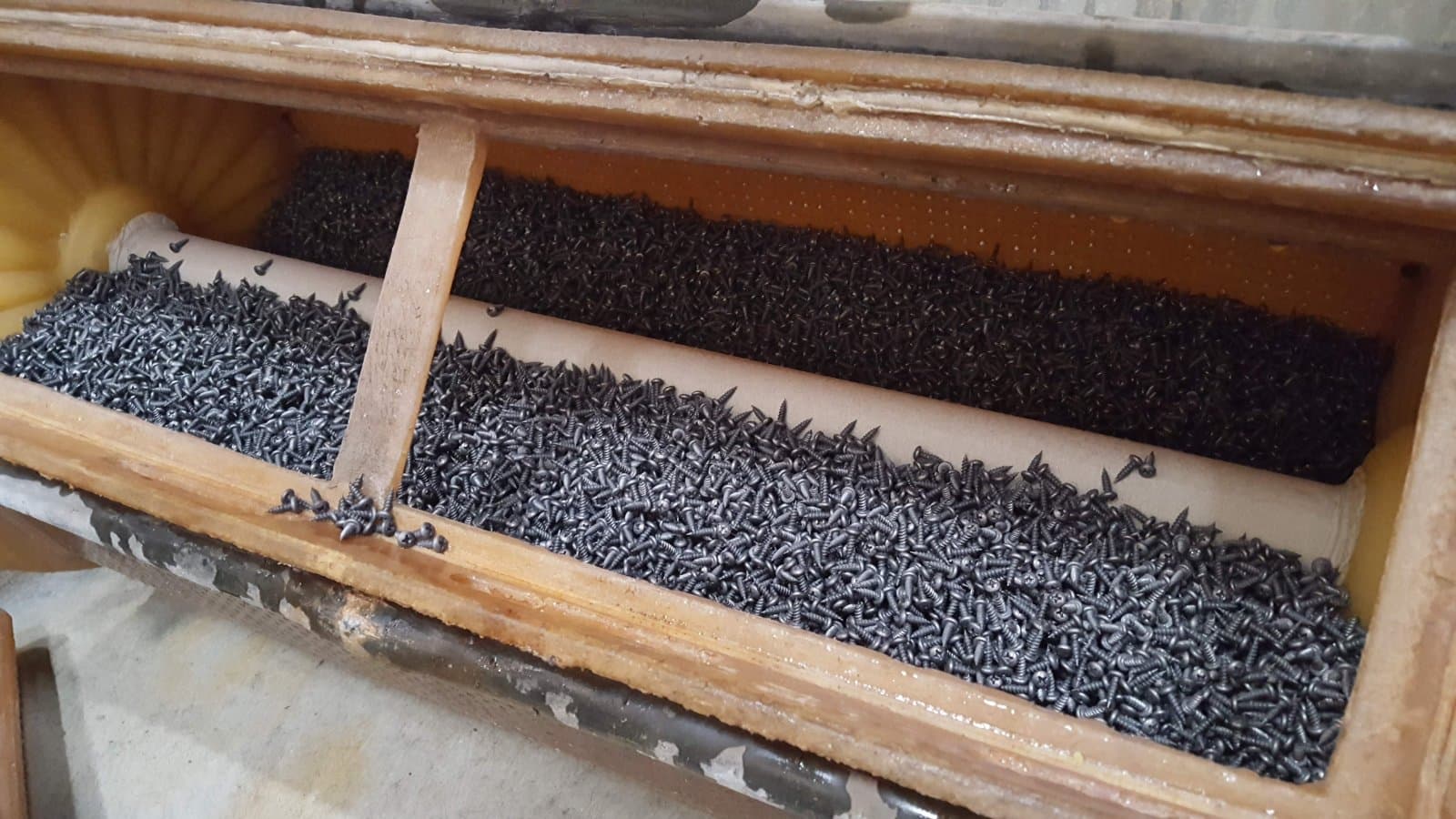
Phosphate Coating
Paint base layer and friction reduction
Phosphate conversion coating that improves paint adhesion, lubricant retention, and corrosion resistance.
One plant in Samut Sakhon, ThailandSmall steel parts in bulk — screws, nuts, boltsQuote within 24 hours
Technical details
- Zinc and Manganese Phosphate
- Coating weight: 2–30 g/m²
- For carbon and hardened steel
- Optional anti-rust oil after coating
What does phosphate coating do, and which parts need it?
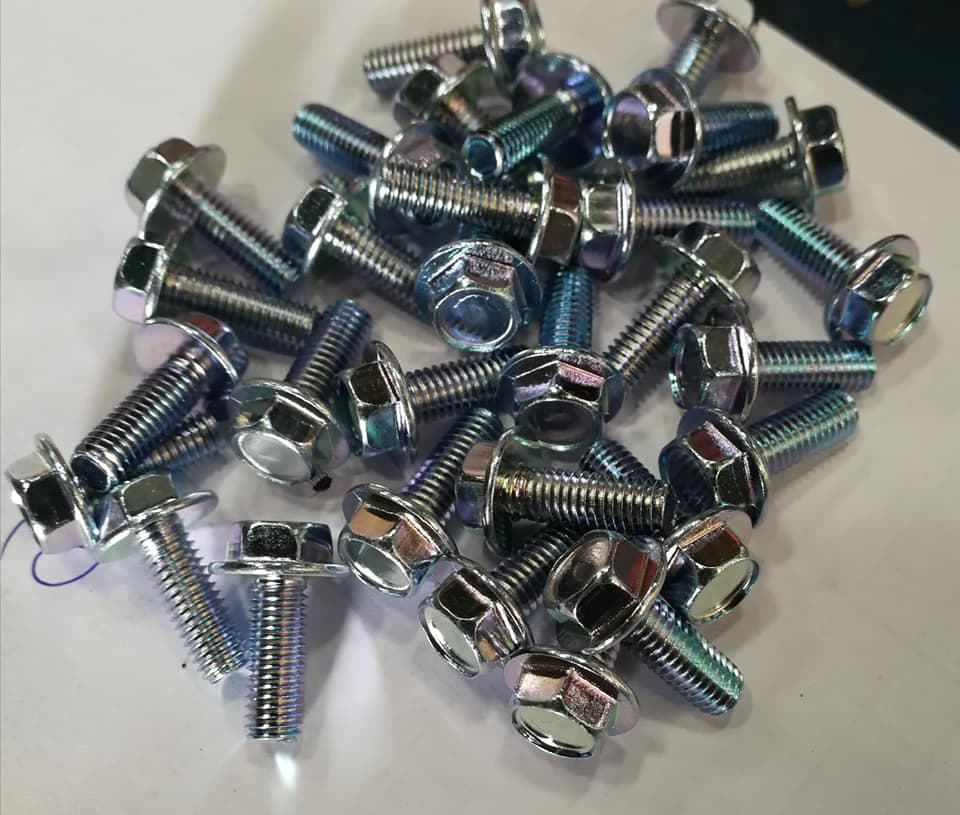
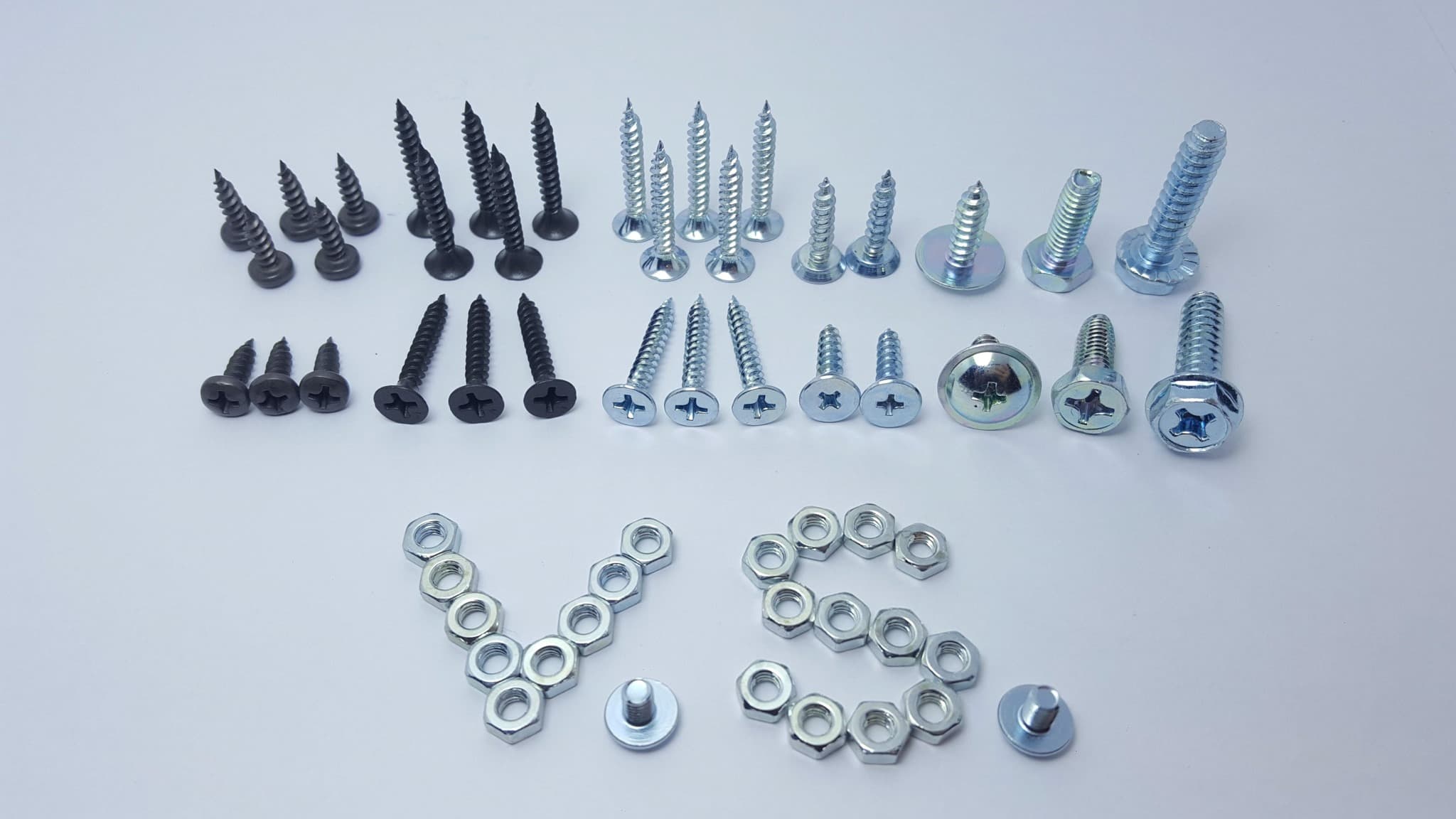
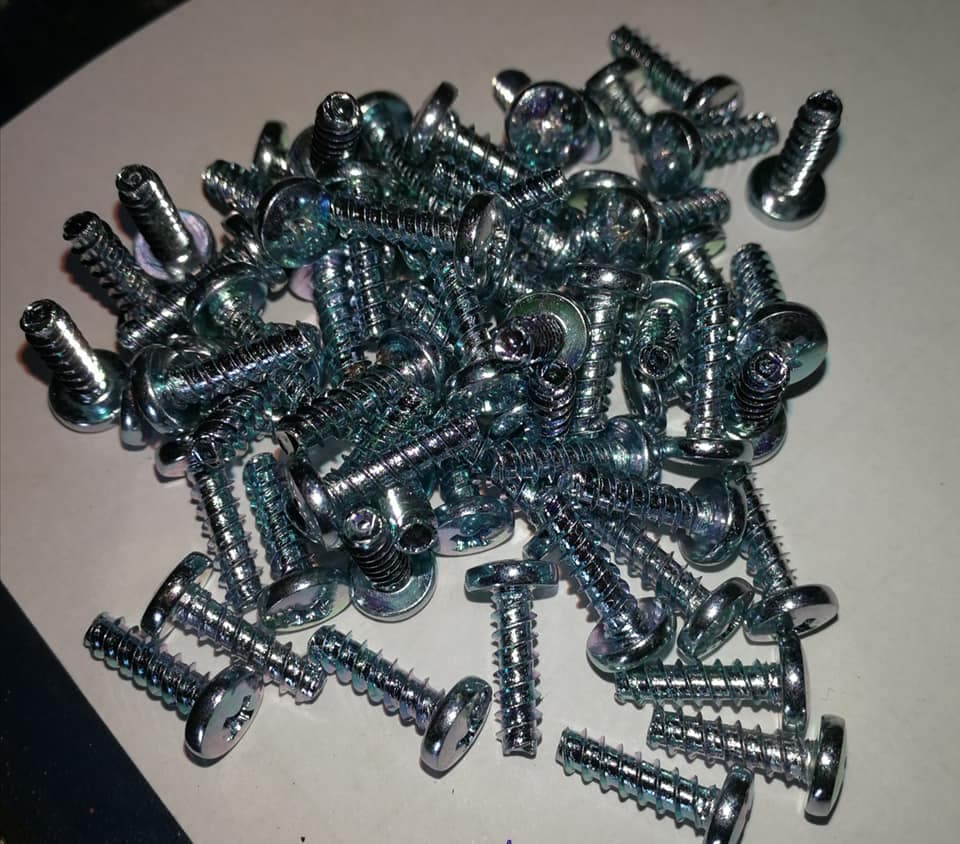
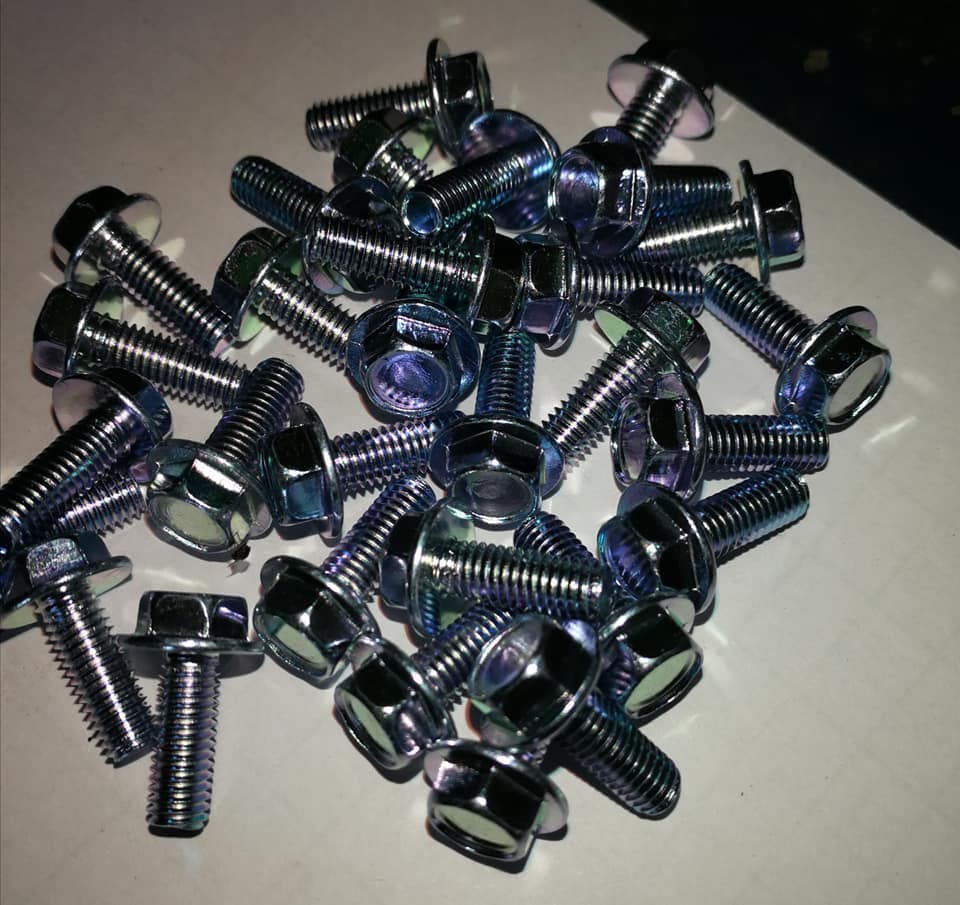
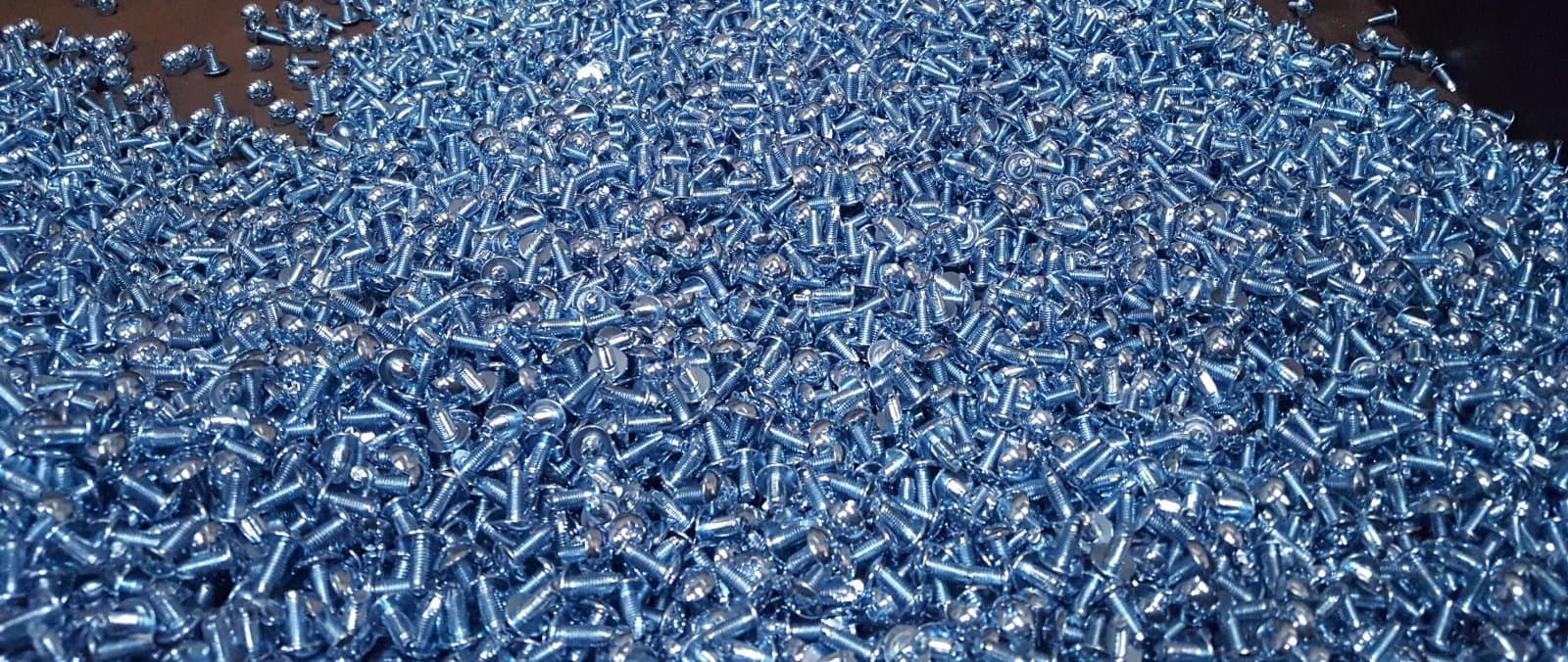
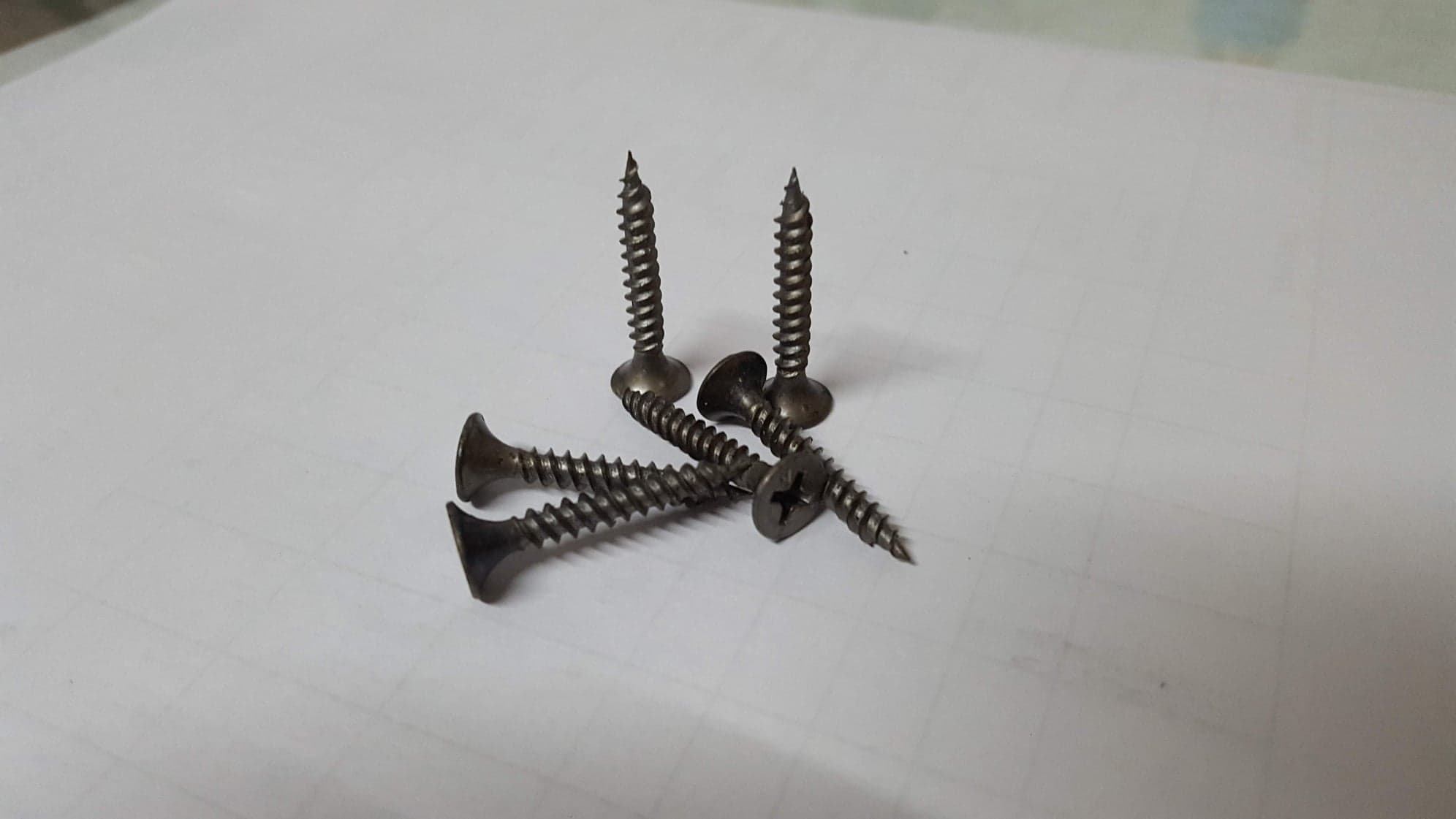
V.S. Heat Treatment phosphate-coats small steel parts — M4–M16 screws, nuts and bolts, and springs — at its one plant in Samut Sakhon, Thailand. Manganese-zinc phosphate builds a crystalline layer of about 2–15 µm that holds rust-preventive oil, eases run-in wear and gives paint or adhesive a base to grip. The line shares the plant with a hardening line that runs over 2,000 tons a month; work is priced by weight, not per piece, every lot ships with a test certificate under ISO 9001:2015, and quotes are answered within 24 hours. The plant does not take large gears, shafts, mould inserts or one-off large workpieces. Its own transport collects and delivers in Samut Sakhon, Bangkok, Samut Prakan, Nakhon Pathom, Chon Buri, Rayong and Chachoengsao; from other provinces, parts come in by parcel freight or the customer’s own transport.
Last updated
Capacity & specs
- Part size
- M4 – M16
- Lead time
- By agreement
- MOQ
- Flexible
Standards we work to
The named standards buyers specify — the applicable standard, class and service condition are confirmed against your drawing and order.
DIN 50942
Phosphating of metals — process and coating requirements.
MIL-DTL-16232
Manganese / zinc phosphate coatings (supersedes MIL-P-16232).
ISO 9717
Phosphate conversion coating of metals.
TT-C-490
Cleaning / pretreatment and phosphate base for paint.
Phosphate RFQ guide
Phosphate-coating capability and acceptance data
The usable specification is defined by function—not by colour alone. Confirm the phosphate chemistry, coating mass or approved sample, supplementary oil/sealer, critical surfaces and test method before production.
| Specify | Practical requirement |
|---|---|
| Part scope | Steel screws, nuts, bolts, washers, pins and other small parts in production lots |
| System | Zinc or manganese-containing phosphate route selected against the approved drawing/sample |
| Primary purpose | Paint base, oil retention, run-in friction control or corrosion system |
| Coating control | Coating mass / appearance / approved sample as agreed; colour is not a chemistry measurement |
| Post-treatment | Oil, sealer or downstream paint must be stated |
| Inspection | Visual condition plus coating mass, corrosion or customer-specific tests when specified |
| Lot / size limit | Confirmed from geometry, basket loading, chemistry and required tests—send a sample or drawing for review |
Information needed for a reliable quotation
- 1Material and heat-treated hardness
- 2Drawing, dimensions and weight per piece
- 3Lot quantity or kilograms
- 4Zinc/manganese phosphate and end use
- 5Coating mass or approved sample
- 6Oil/sealer, test criteria and due date
Lot-control evidence
- Job / lot traceability
- Bath and process-control records
- Defined sampling and significant surfaces
- Inspection report when ordered
Values and test availability must be confirmed against the actual part. This page does not replace the customer drawing or governing standard.
Free Engineering Tools
Standards, steel grades and defects for this process
Tested and accepted to
Defects we control
Related comparison guides
- Black oxide vs PhosphateBlack oxide vs phosphate: which finish for screws, nuts and bolts?
- Zinc plating vs Dacromet / zinc flakeZinc plating vs Dacromet: which coating for screws and bolts?
- Zinc phosphate vs Manganese phosphateZinc phosphate vs manganese phosphate: match the coating to the job it does
Frequently asked questions
Do you offer manganese phosphate to MIL-DTL-16232?
Yes. Manganese phosphate per MIL-DTL-16232 (which supersedes MIL-P-16232) for wear and anti-galling. Coating weight or an approved sample is confirmed against your drawing.
Zinc or manganese phosphate — which do I need?
Zinc phosphate is a paint/adhesive base and light corrosion layer; manganese phosphate gives higher wear resistance, run-in and anti-galling. We select the route against your drawing (DIN 50942 / ISO 9717).
What coating weight do you apply?
Typically 2–30 g/m² depending on the system and function. The value is confirmed per part — colour alone is not a chemistry measurement.
Do you apply oil or sealer after phosphating?
Yes. Rust-preventive oil or a sealer can follow the coating; state the post-treatment or downstream paint so we match the corrosion system.
Is phosphate a good paint base?
Yes. Phosphate is a standard base for paint, powder-coat and adhesives (TT-C-490); it improves adhesion and lubricant retention.
Do you provide a certificate?
Every lot ships with a certificate; coating weight, corrosion or customer-specific tests are reported when specified.
What is the difference between phosphate and black oxide, and do you run both?
Both, and they are different processes. Manganese-zinc phosphate builds a 2–15 µm crystalline layer that holds oil and eases run-in wear. Black oxide is under about 1.5 µm, so it barely moves the part dimensionally. Neither resists corrosion without a final oil seal.