
Heat Treatment
Small-parts heat treatment service · 2,000+ tons/month
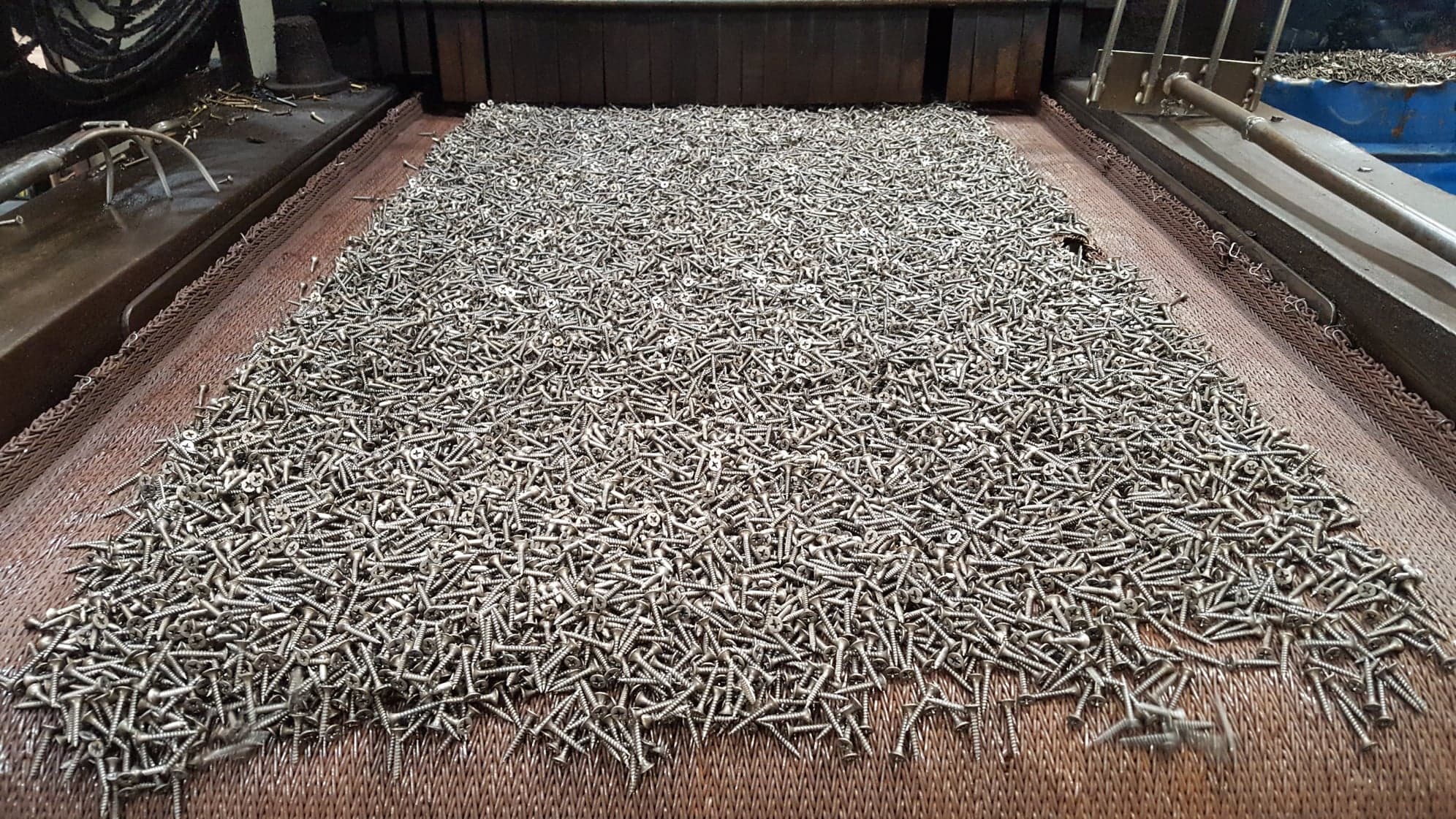
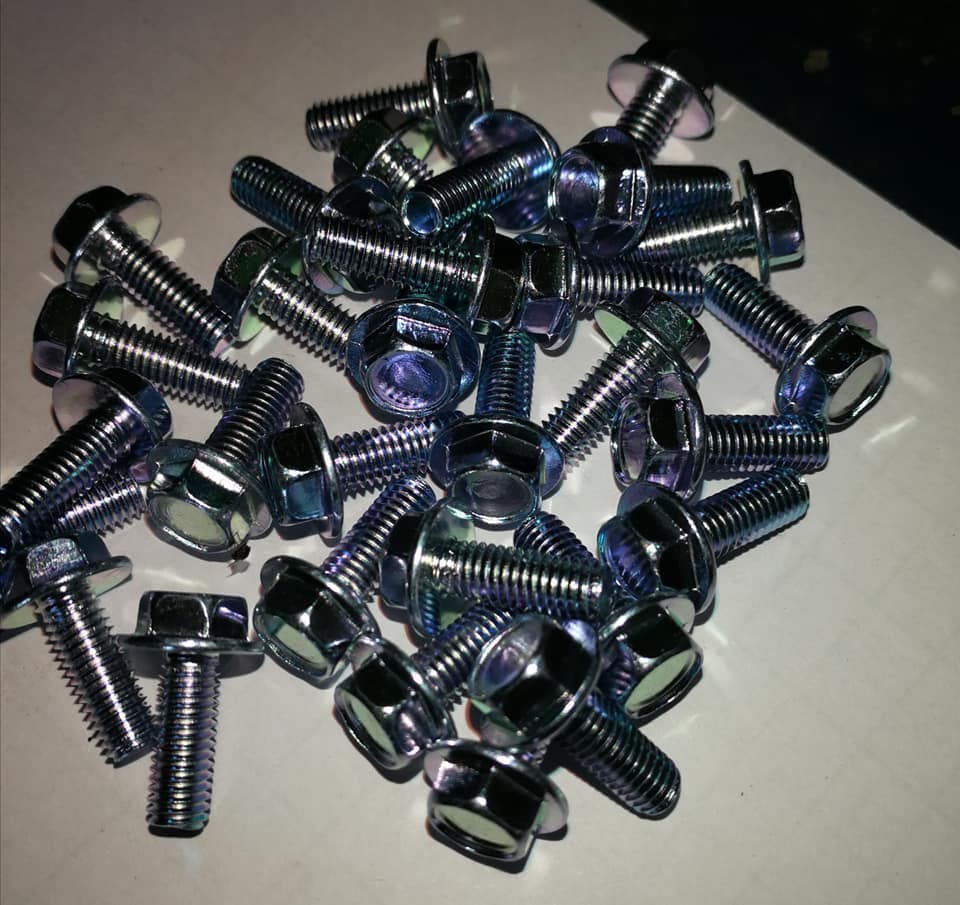
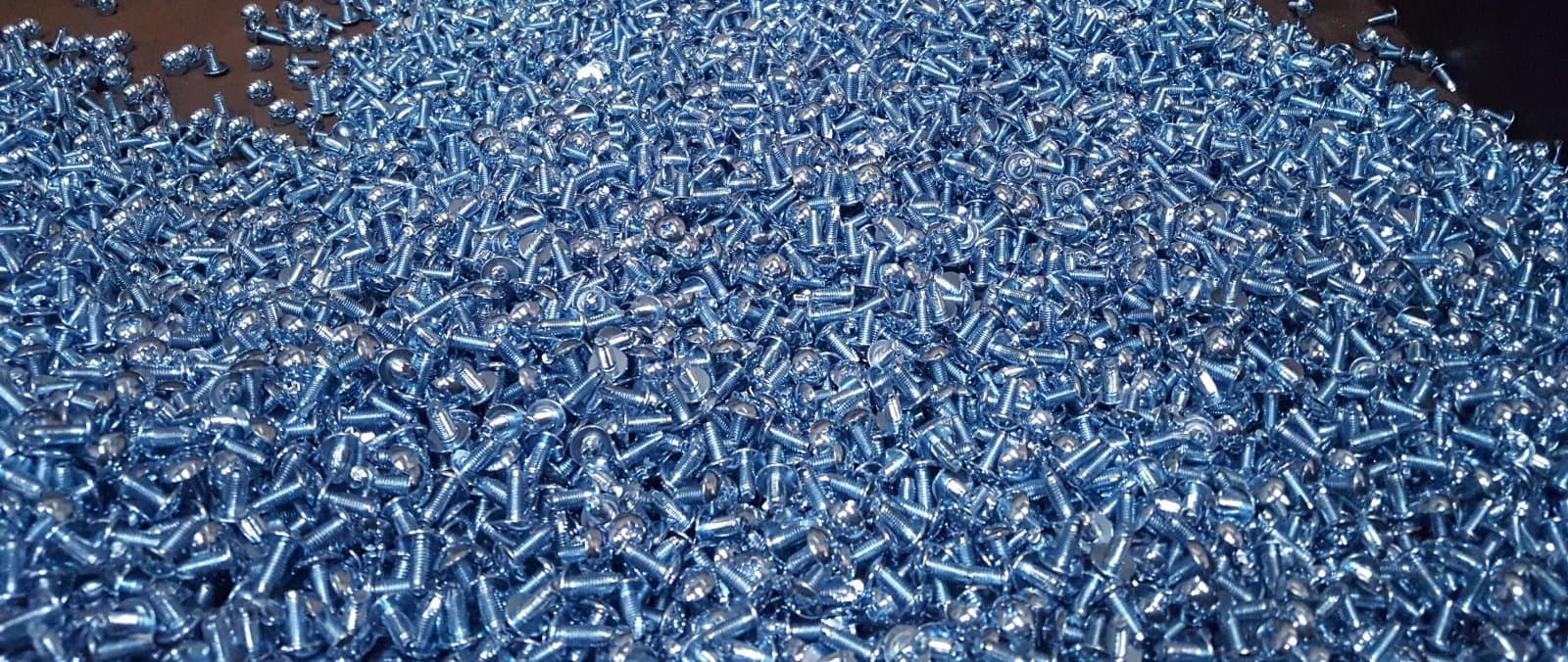
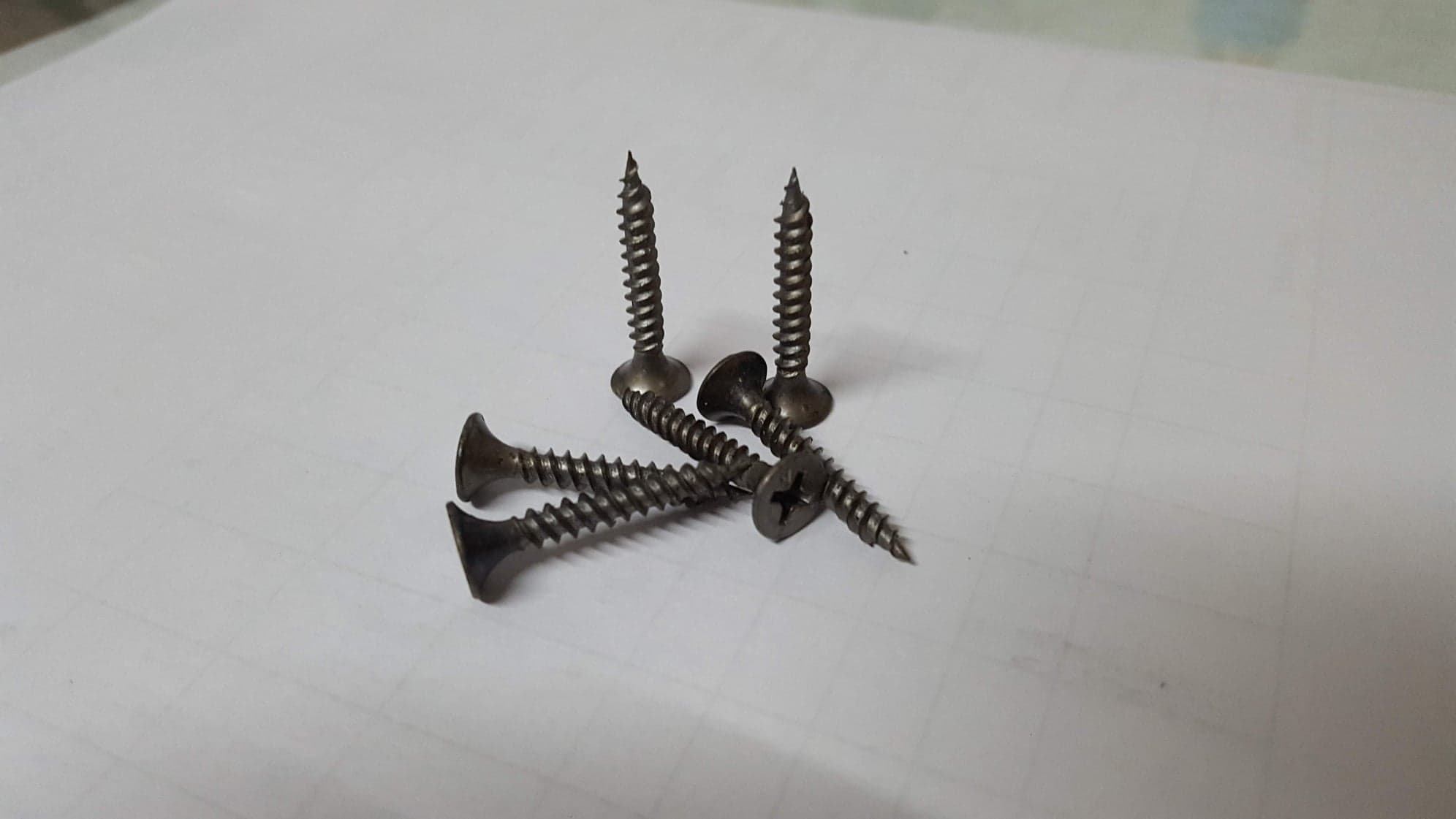
Heat treatment of small parts — screws, nuts and bolts — on a continuous mesh-belt furnace with precise temperature and atmosphere control. 2,000+ tonnes/month.
One plant in Samut Sakhon, ThailandSmall steel parts in bulk — screws, nuts, boltsQuote within 24 hours
Technical details
- Mesh Belt Continuous Furnace
- Optimized for M4–M16 small parts
- Capacity: 2,000+ tons / month
- Operating temperature: 750–950°C
- Endothermic-gas atmosphere (oxidation-free)
- Quenching oil + dedicated tempering furnace
- Hardness range: 22–62 HRC by material
Where can screws, nuts and bolts be hardened in Thailand?
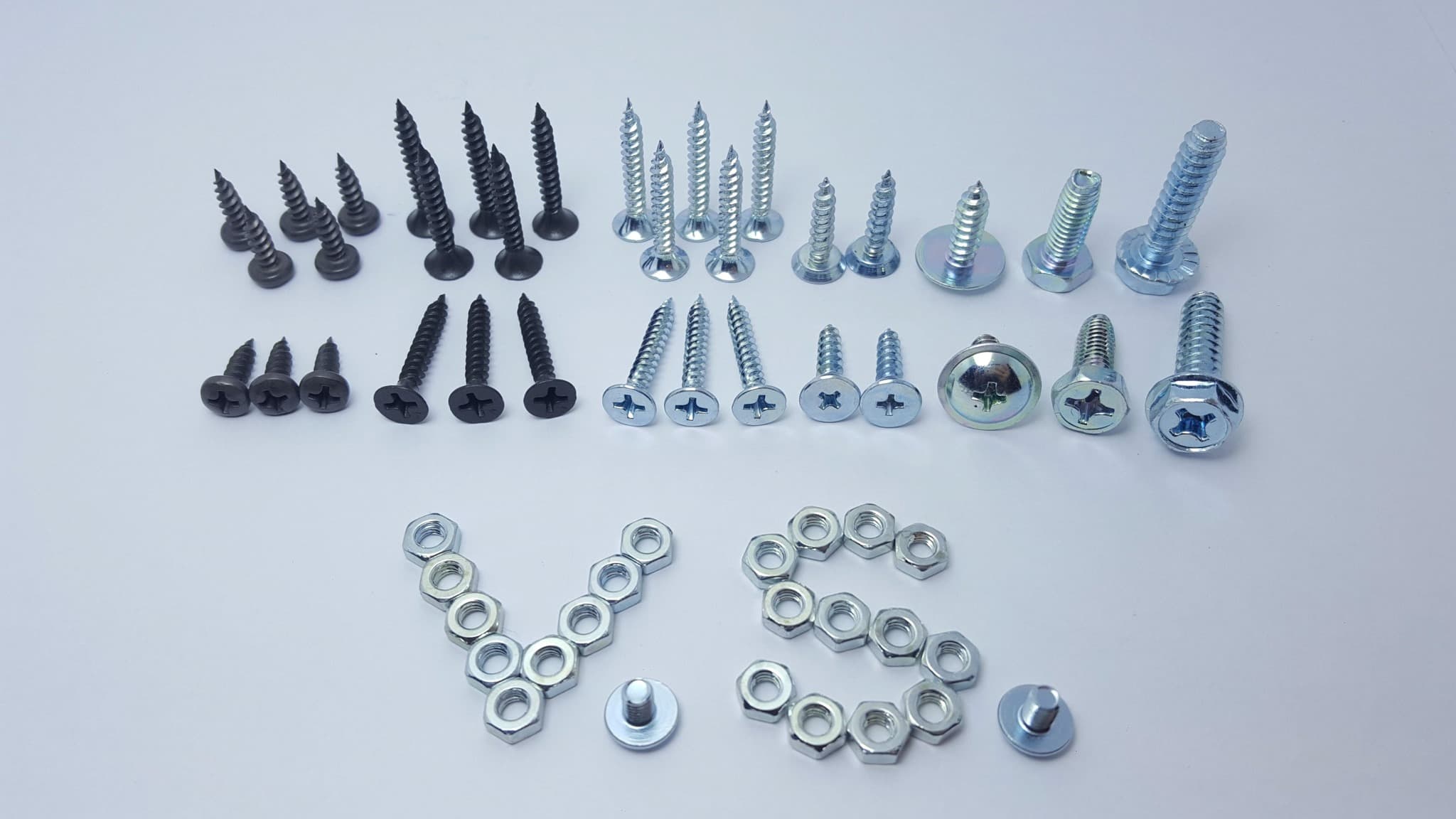
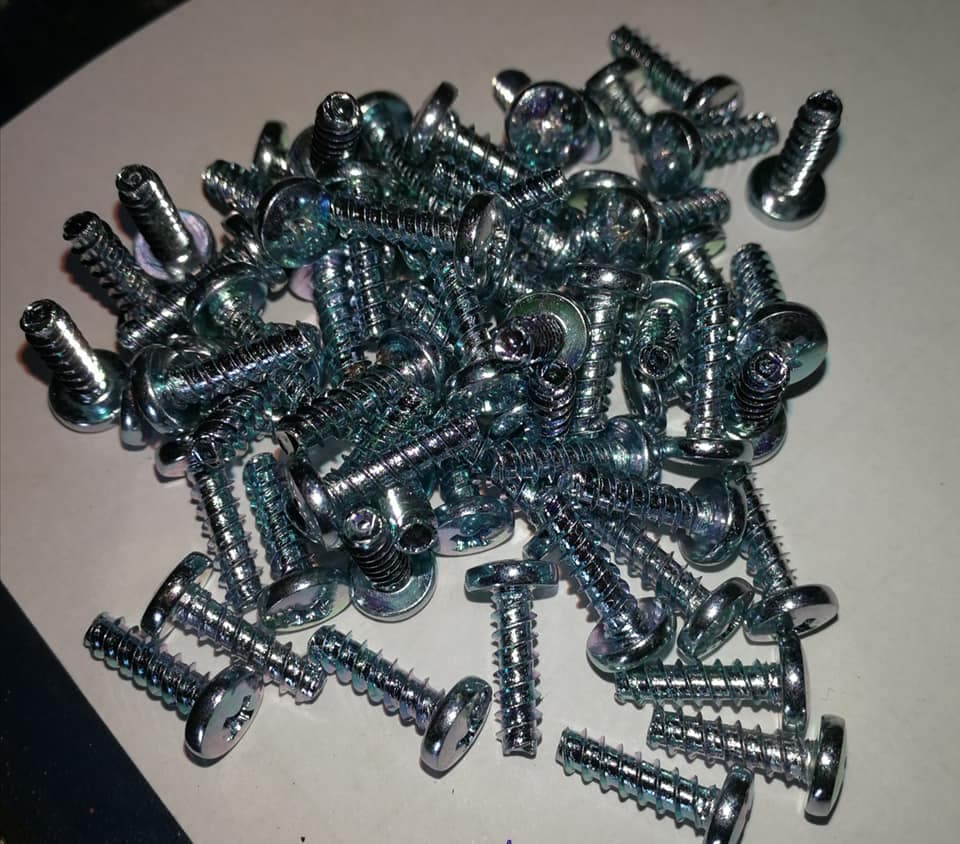
V.S. Heat Treatment hardens small steel parts — M4–M16 screws, nuts and bolts — on a continuous mesh-belt furnace at its one plant in Samut Sakhon, Thailand, with capacity of over 2,000 tons a month and hardness of 22–62 HRC depending on the grade. Work is priced by weight, not per piece; every lot ships with a test certificate under ISO 9001:2015, and quotes are answered within 24 hours. The plant does not take large gears, shafts, mould inserts or one-off large workpieces. Its own transport collects and delivers in Samut Sakhon, Bangkok, Samut Prakan, Nakhon Pathom, Chon Buri, Rayong and Chachoengsao; from other provinces, parts come in by parcel freight or the customer’s own transport.
Last updated
Capacity & specs
- Per month
- 2,000+ tons
- Part size
- M4 – M16
- Lead time
- By agreement
- MOQ
- Flexible
Standards we work to
The named standards buyers specify — the applicable standard, class and service condition are confirmed against your drawing and order.
ISO 898-1
Mechanical properties of fasteners — property classes 8.8 / 10.9 / 12.9.
ISO 2639
Effective case depth after carburizing — measured per customer drawing.
Specification data
Grade → hardness → case depth → typical fastener use
| Grade | Typical hardness | Case depth | Typical fastener use |
|---|---|---|---|
| S45C | 22–35 HRC | Quench & temper | General bolts & studs, class 8.8 |
| SWCH (cold-heading) | 450–560 HV surface | Case-hardened (surface) | Cold-headed / self-tapping screws |
| SCM435 | 32–39 HRC | Quench & temper | Class 10.9 bolts & socket screws |
| SCM440 | 34–45 HRC | Quench & temper | High-tensile 10.9 / 12.9 bolts |
| 10B21 / 10B33 (boron) | 28–39 HRC | Quench & temper | Class 8.8–10.9 fasteners (boron) |
| SUP9 / SUP10 (spring) | 42–52 HRC | Through-hardened | Springs, spring & lock washers |
| SUJ2 / SK85 (pins) | 58–62 HRC | Through-hardened | Pins and dowels |
| Stainless A2 / A4 | work-hardened | — | Corrosion-resistant fasteners |
Property class → hardness → proof strength → ISO 4042 baking
| Property class | Typical hardness | Proof strength (MPa) | Tensile (MPa) | ISO 4042 baking |
|---|---|---|---|---|
| 8.8 | 250–320 HV (22–32 HRC) | 580 | 800 | Not normally required |
| 10.9 | 320–380 HV (33–39 HRC) | 830 | 1040 | Required (≥ 320 HV) |
| 12.9 | 385–435 HV (39–44 HRC) | 970 | 1220 | Required (≥ 320 HV) |
Values are typical ranges and must be confirmed against the actual part, drawing or governing standard. This page does not replace the customer specification.
Processes we run
The heat-treatment routes available in-house, with typical temperature bands and case notes. Effective case depth is set per your drawing.
Carburizing
880–950°CHard, wear-resistant surface case (typ. 0.1–1.0 mm effective) over a tough core.
CompareNeutral / through-hardening
800–870°CFull-section hardening of thin fasteners, then tempering to the target class.
CompareStress-relief tempering
150–400°CLow-temperature tempering to relieve stress and reduce brittleness.
Compare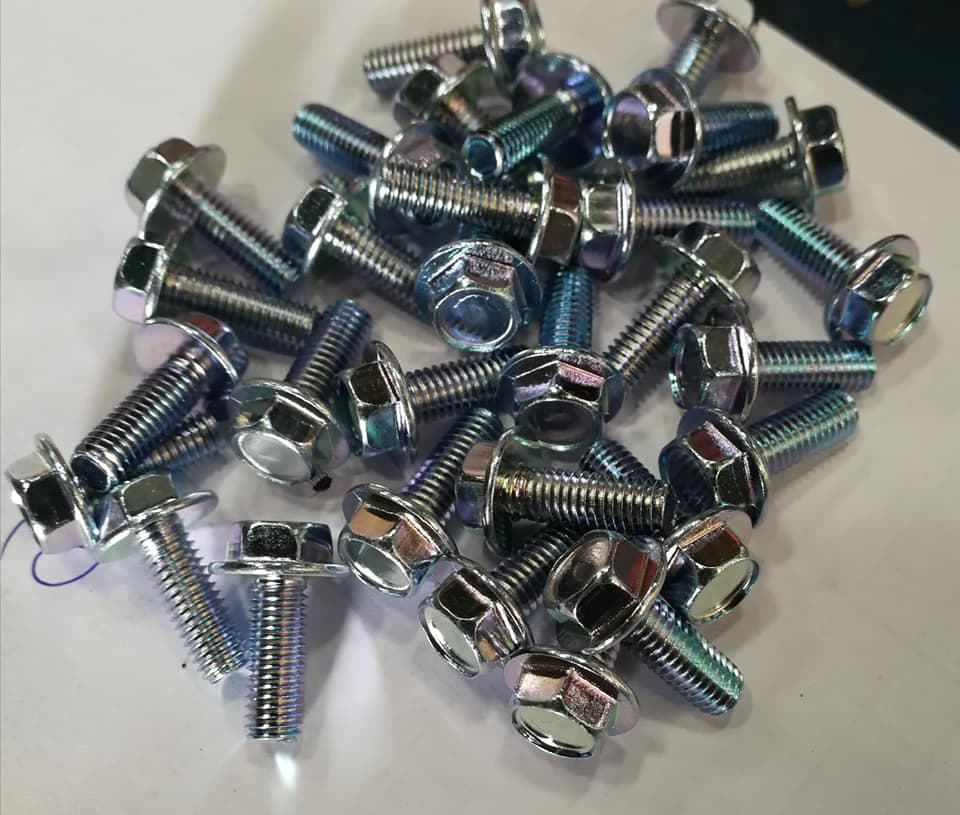
Free Engineering Tools
Standards, steel grades and defects for this process
Tested and accepted to
Related comparison guides
- Case hardening vs Through hardeningCase hardening vs through hardening: which one for screws and bolts?
- Annealing vs Tempering vs NormalizingAnnealing vs tempering vs normalizing: which one does your part need?
- S45C vs SCM440S45C vs SCM440: which steel should you harden?
- Carbonitriding vs CarburizingCarbonitriding vs carburizing: which case-hardening for fasteners?
- Carburising vs NitridingCarburising vs nitriding: what a screw, nut or bolt actually gets
- Quenching vs TemperingQuenching vs tempering: two halves of one process
- SCM435 vs SCM440SCM435 vs SCM440: one alloy step apart, and it shows
Frequently asked questions
Can you harden class 10.9 M8 bolts?
Yes. We quench-and-temper alloy-steel fasteners such as SCM435, SCM440 and 10B33 to property class 10.9 — typically 320–380 HV (33–39 HRC) with 830 MPa proof strength. The exact hardness is confirmed against your drawing and ISO 898-1.
What hardness can you reach?
Typically 22–62 HRC depending on material and process — medium-carbon and boron steels for structural classes, alloy steels for 10.9/12.9, spring and tool steels higher. Values are typical and confirmed per part.
Do you case-harden (carburize) screws?
Yes. Carburizing and carbonitriding give a hard surface case — typically 0.1–0.5 mm effective for small screws — over a tougher core. Effective case depth is set per your drawing (ISO 2639).
Do you provide a test certificate?
Every lot ships with a certificate (ISO 9001:2015) reporting hardness and, where specified, case depth. Testing is done in our in-house lab.
Which steel grades do you heat treat?
S45C, SWCH cold-heading grades, SCM435/SCM440, 10B21/10B33 boron steels, spring steels and stainless. Send the material and drawing and we confirm the process.
What is your minimum order and lead time?
MOQ is flexible and we quote per kg or ton. We reply to quotes within 24 hours; each lot is scheduled on confirmation rather than promised as a fixed completion time.
Is this called hardening, heat treatment, or quench and temper?
All three describe the same work. This is a hardening plant doing heat treatment of steel parts in bulk — quench and temper, carburizing and austempering on continuous mesh-belt furnaces. What matters on the order is the grade, the HRC range required, and where that hardness is measured.