
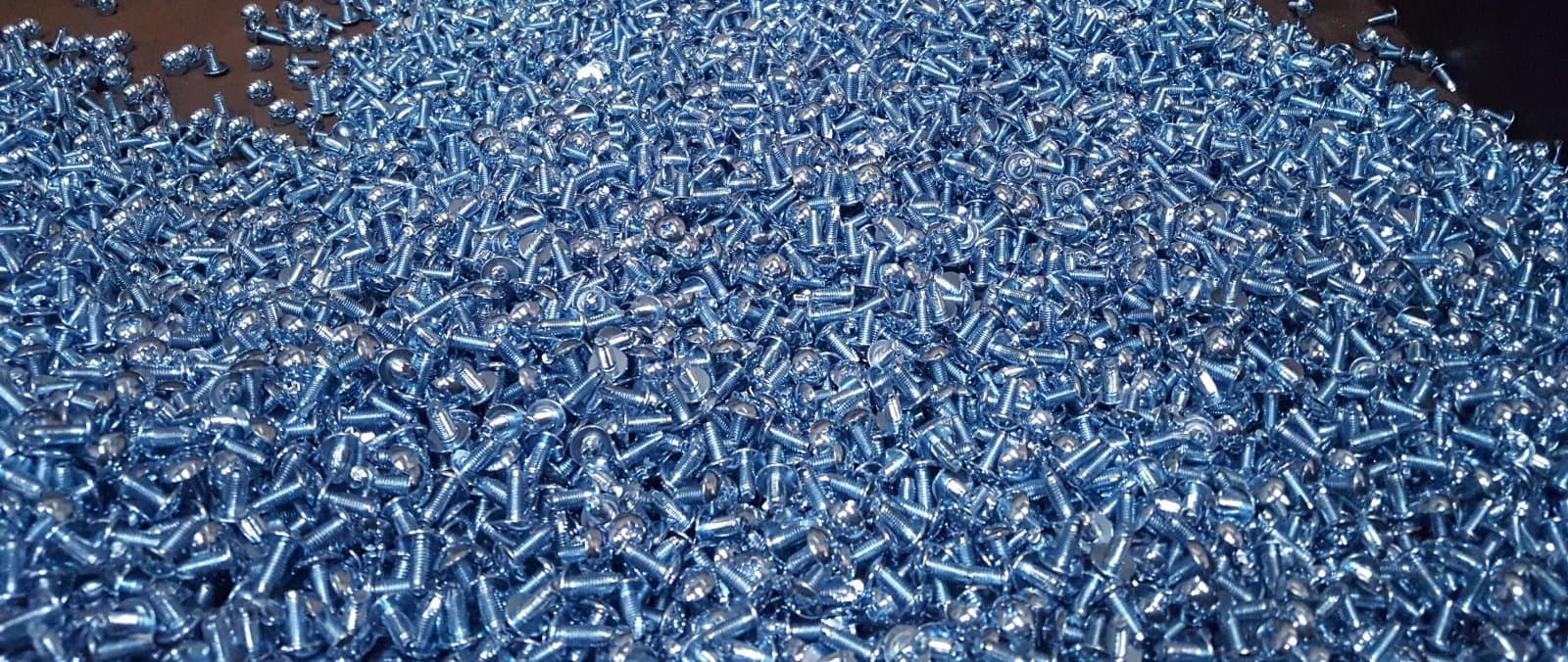
Small-part finishing for factories in Bang Poo Industrial Estate
Bang Poo is one of the older industrial estates in the country and it still runs on metalworking: press shops, machine shops and the fastener suppliers that feed them. That is exactly the work we take.
We run one plant, and it is in Samut Sakhon. This page covers collection and delivery for customers in Samut Prakan — it is not a branch or a facility in Samut Prakan.
This estate at a glance
| Province | Samut Prakan |
|---|---|
| Road corridor | Sukhumvit Road (Highway 3) |
| Nearest sea port | Bangkok Port (Khlong Toei) |
| IEAT-designated | Yes |
| Eastern Economic Corridor | No |
| Industry mix | steel & metalworking, machinery, automotive & parts, general manufacturing & SMEs |
IEAT-designated covers both estates operated by the Industrial Estate Authority of Thailand and joint-operation estates run with a private developer. A dash means we could not confirm a single status for the whole area — some of these names describe a factory district rather than one designated estate.
A dash in the port row means the estate sits inland between two ports and we will not guess which is nearer. Nothing on this page is a distance, a drive time or a delivery-time promise.
Reviewed:
What this estate is
Bang Poo sits on Sukhumvit Road on the Samut Prakan side of the river mouth, and it is operated directly by the Industrial Estate Authority of Thailand rather than by a private developer. Its industry mix is unusually broad — steel and metalworking first, then machinery, then automotive parts, with a long tail of general manufacturers. What that means in practice is that a single week of incoming work from Bang Poo can include a machinery bolt, a dowel pin and a stamped washer, all in different steels and all in modest quantities.
What this estate asks of a small part
A metalworking and machinery estate does not send one repeating part number; it sends variety. The recurring requests are quench-and-temper on machine bolts and dowel pins, a manganese phosphate where a sliding surface has to stop galling, and Cr3+ zinc where the part is visible or handled. Because so much of it is machined rather than cold-headed, distortion and post-hardening dimensional change matter more here than raw hardness — which is why the drawing tolerance, not a house default, sets the tempering target.
Services for factories in this estate
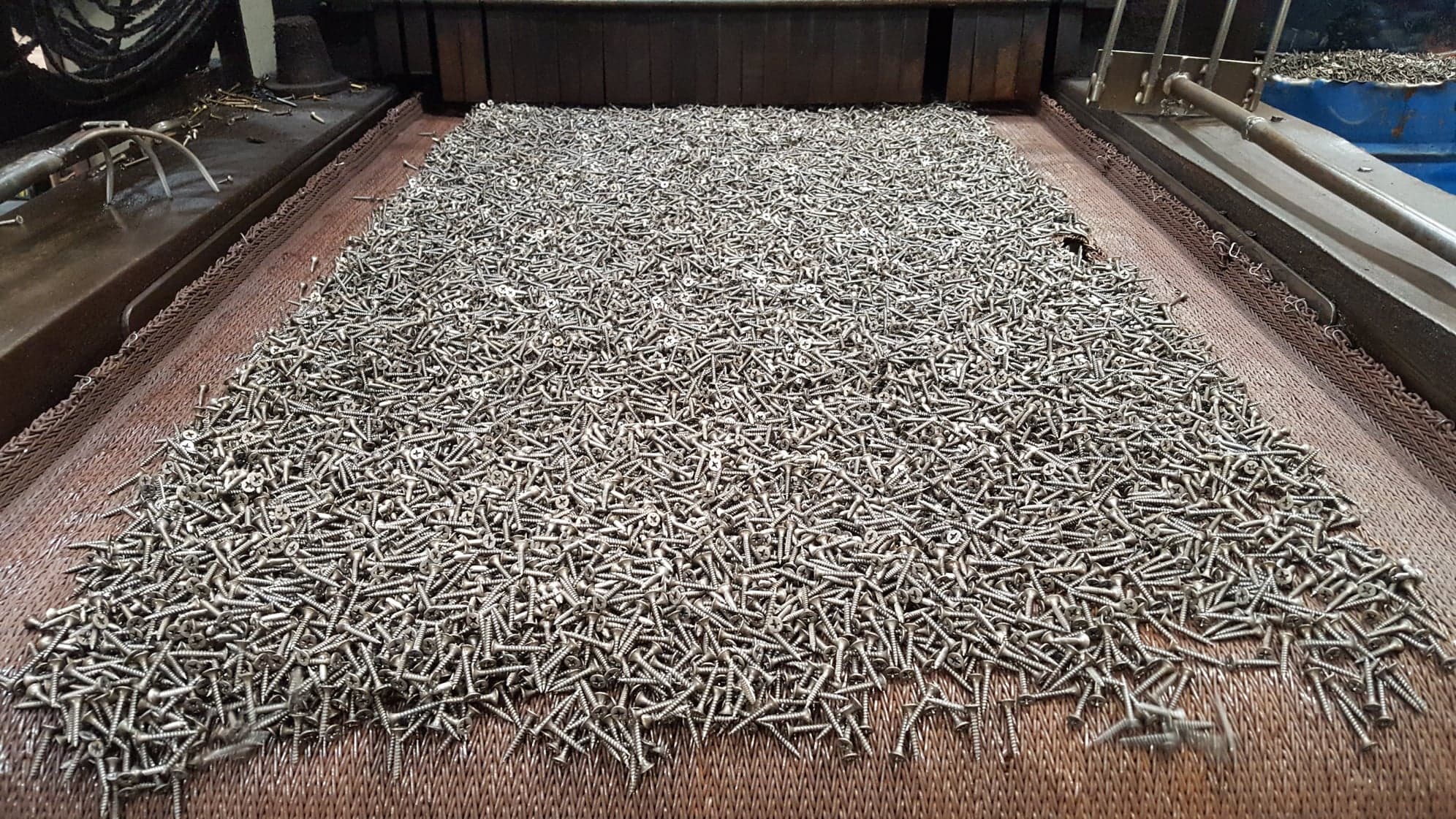
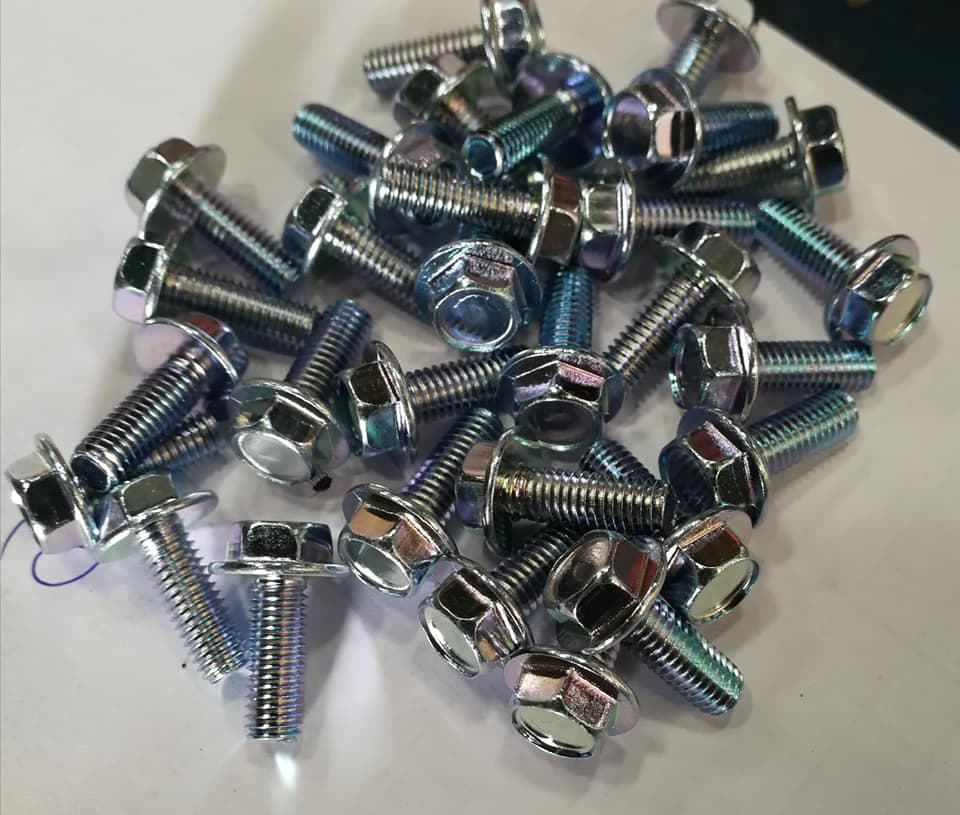
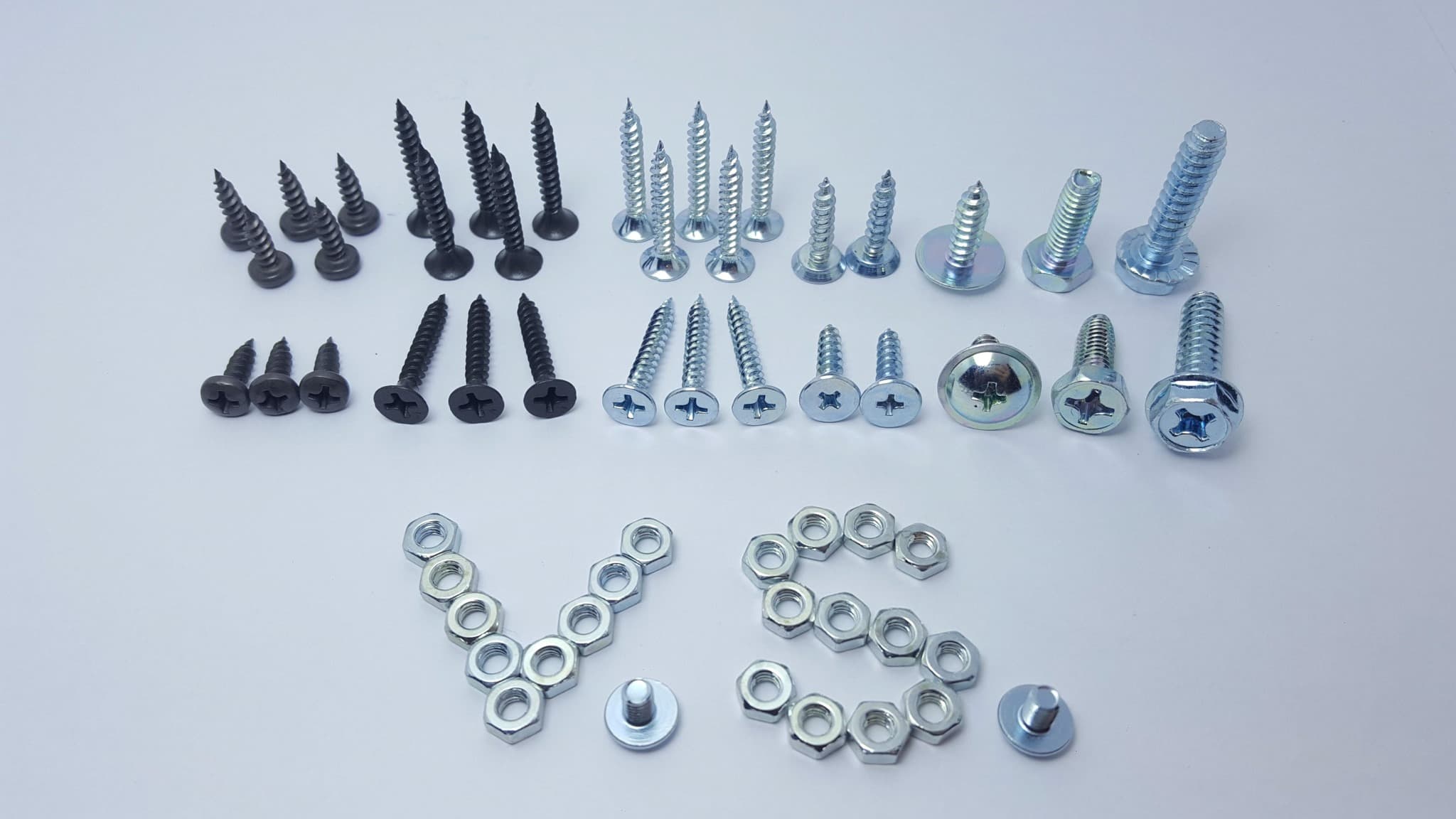
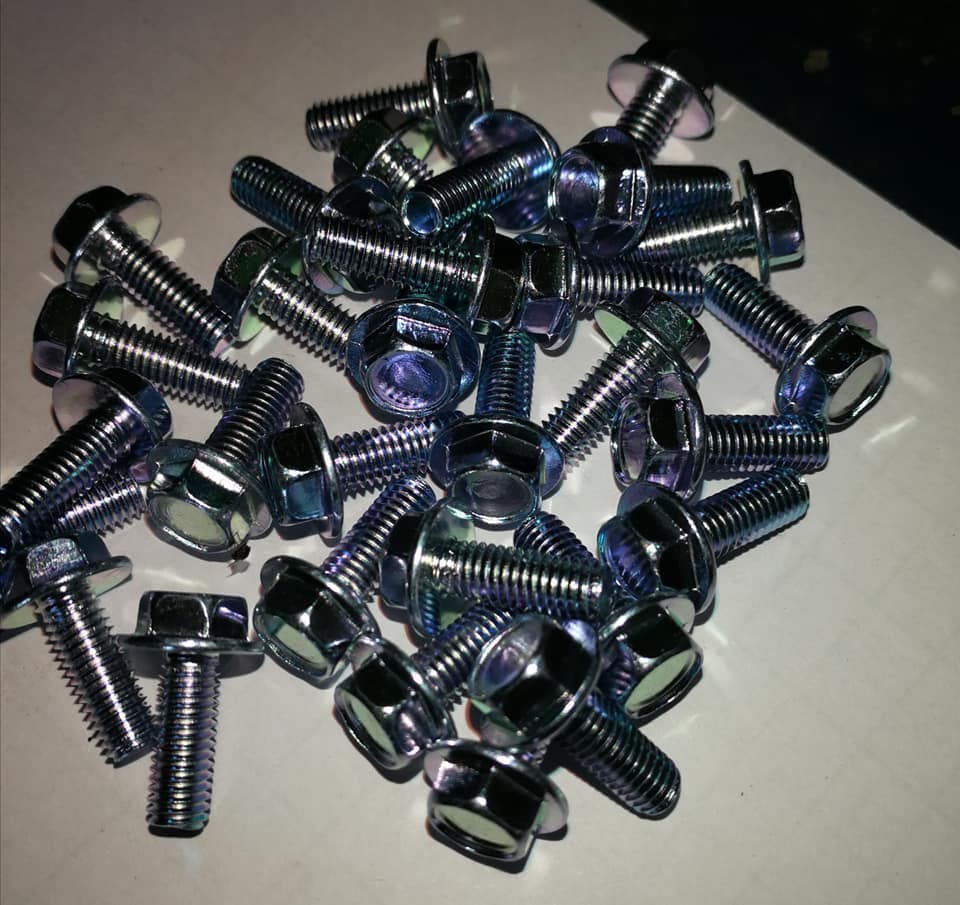
Hardening, Cr3+ zinc plating, phosphate coating and in-house lab testing, all on small parts at bulk volume.
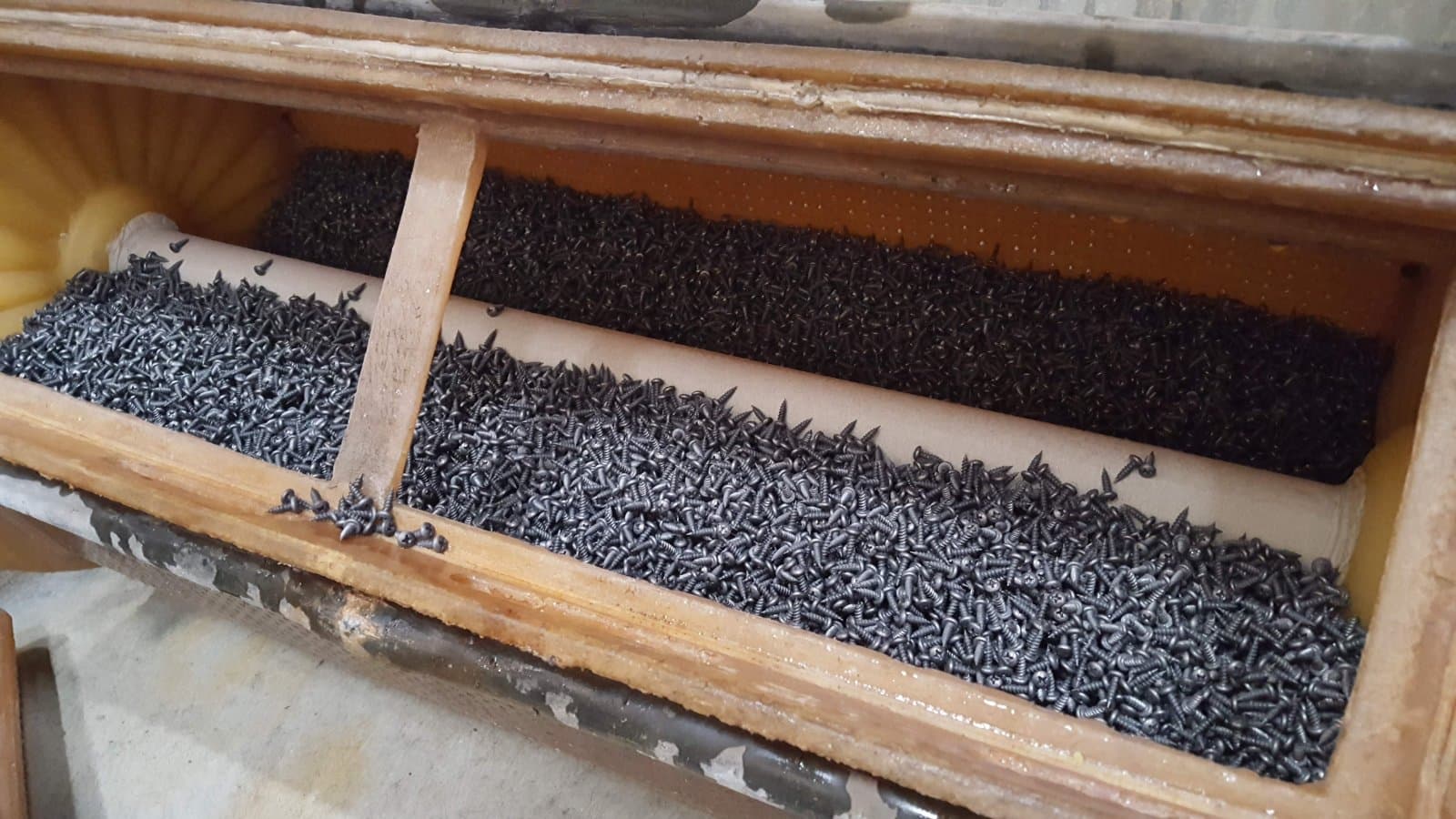
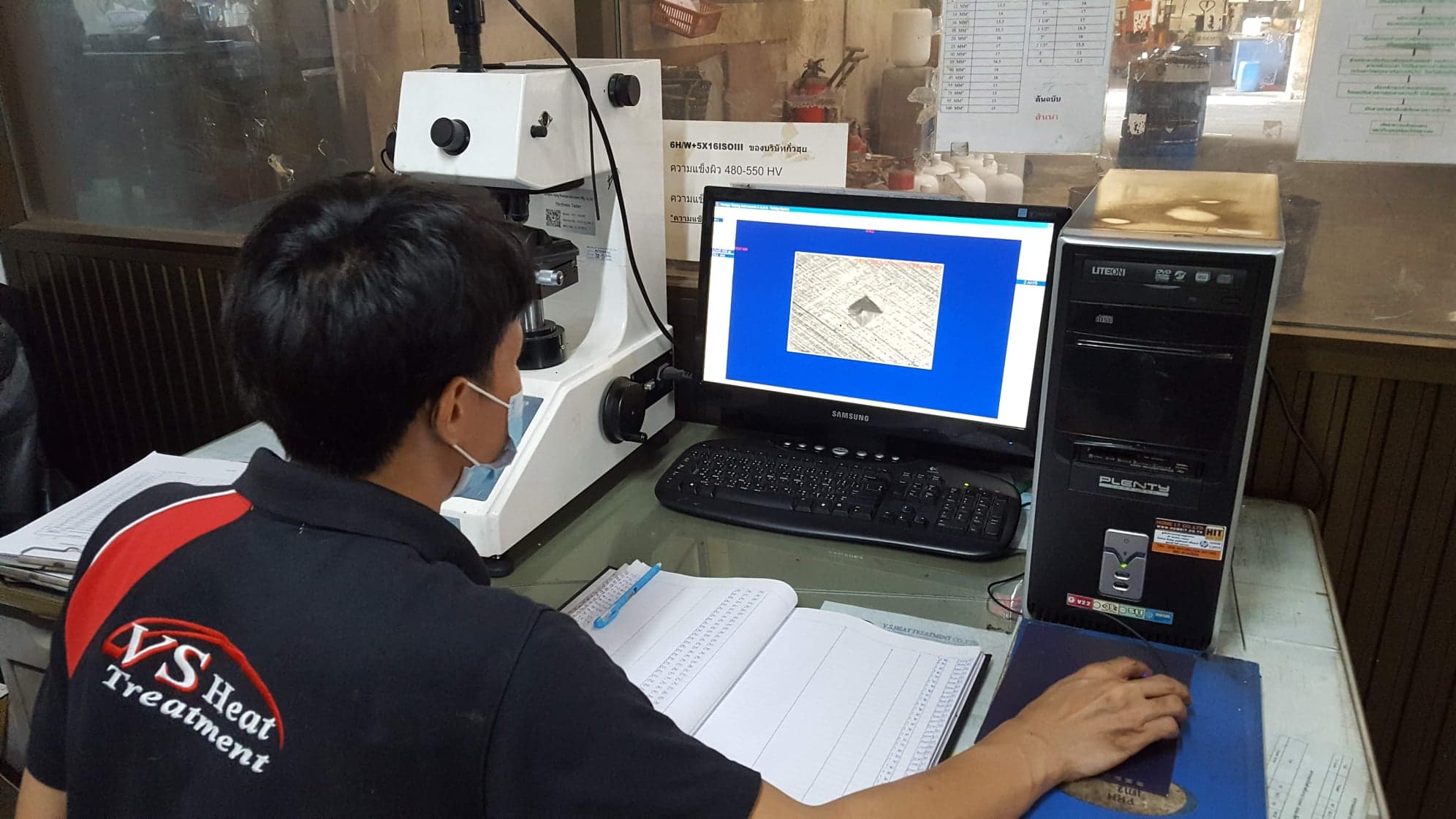
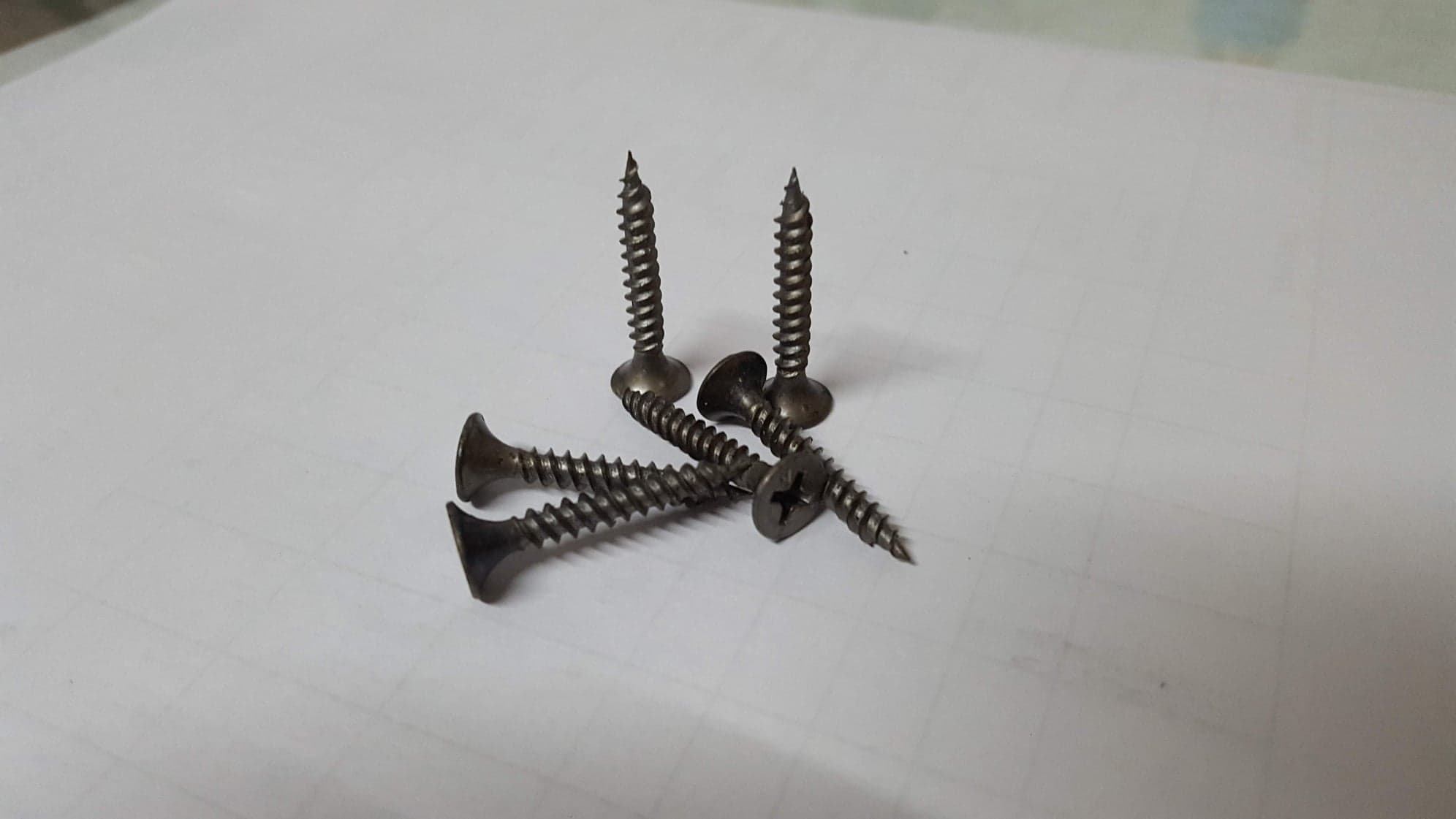
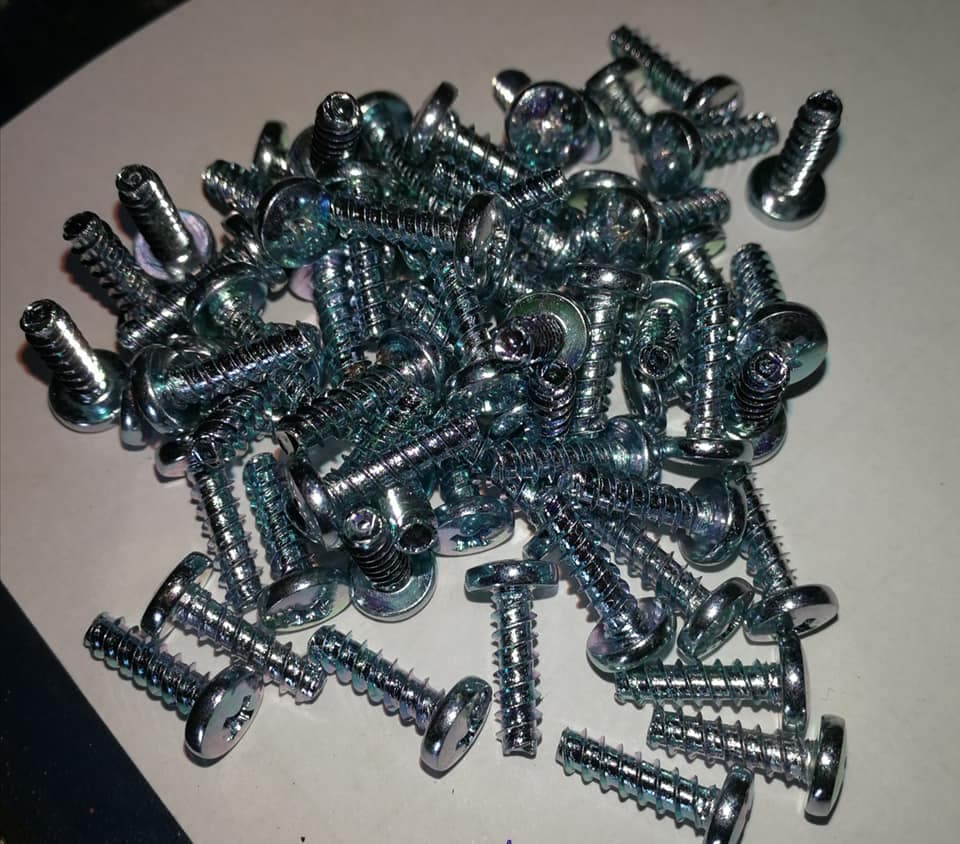
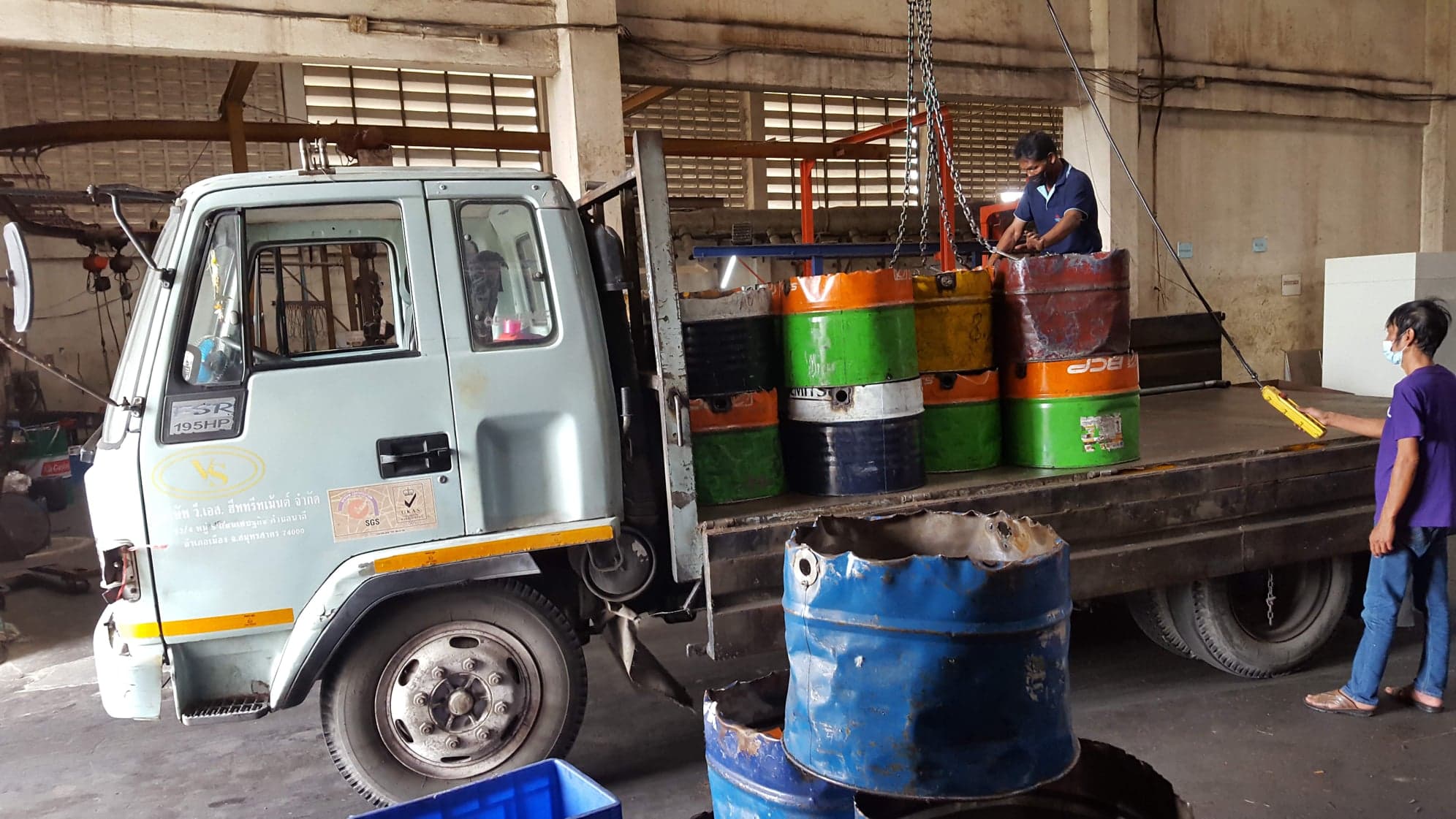
The estate takes its traffic from Sukhumvit Road, and the nearest sea port by geography is Bangkok Port at Khlong Toei rather than the deep-sea terminals down the coast. Work moves between Bang Poo and our Samut Sakhon plant on the outer ring and the Rama II corridor. We arrange collection and delivery for the lot; the run itself is confirmed with sales when the job is booked, and we do not publish transit times.
Questions we get from this estate
We send mixed small lots rather than one big part number. Is that a problem?+
No — that is the normal shape of work from a metalworking estate. Each part number is treated as its own lot with its own paperwork, so a machined pin and a cold-headed bolt in the same delivery do not share a certificate. Tell us the drawing and the quantity per part number and the quote follows the lots, not the truck.
Our parts are machined after hardening. What should we specify?+
Say so on the drawing, because it changes the route. If the surface is machined away afterwards a case-hardening grade is usually the wrong choice, and if the tolerance is tight the tempering target has to be set with distortion in mind. Send the drawing with the critical dimensions marked and we will tell you what the route does to them.