
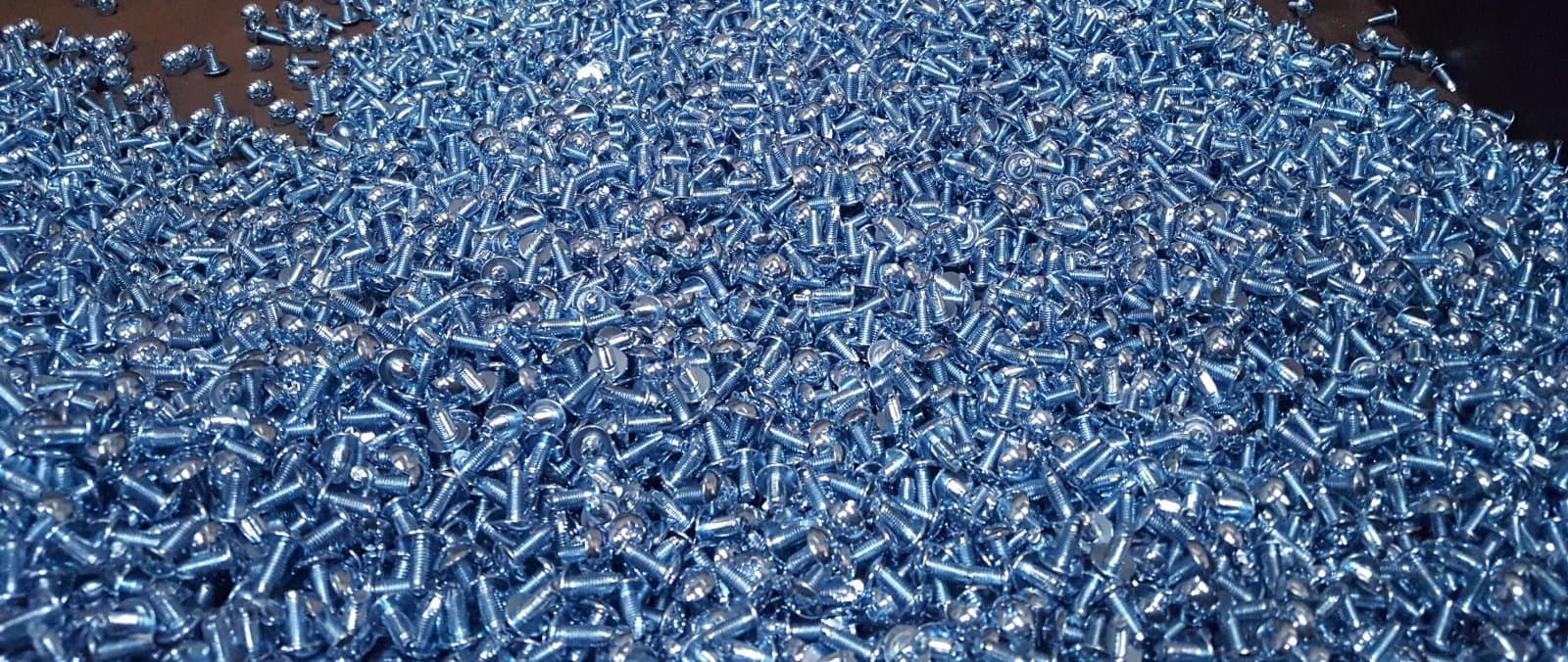
Small-part finishing for plants in Saha Group Industrial Park, Kabin Buri
A park built as a consumer-goods manufacturing base asks a finisher for something the automotive parks never ask: make the part pass, and make it look right. Only one of those two has a number behind it, and the whole job is turning the other one into something both sides can check.
We run one plant, and it is in Samut Sakhon. This page covers collection and delivery for customers in Prachin Buri — it is not a branch or a facility in Prachin Buri.
This estate at a glance
| Province | Prachin Buri |
|---|---|
| Road corridor | — |
| Nearest sea port | — |
| IEAT-designated | No |
| Eastern Economic Corridor | No |
| Industry mix | general manufacturing & SMEs, food & seafood processing, electronics |
Reviewed:
What this estate is
Saha Group Industrial Park sits in the Nonsi subdistrict of Kabin Buri district, Prachin Buri, on Highway 33 — the Suwannasorn road, which runs east toward Aranyaprathet and the Cambodian border rather than north-east on the 304 toward Nakhon Ratchasima. It is a privately developed and privately run industrial park: the holding company that publishes the park’s own site developed it and operates it, and the IEAT row on this page reads No because three independent checks agree it is not an estate designated under the Industrial Estate Authority of Thailand. That No is a fact about the landlord and about nothing else — the district also contains two IEAT-designated estates, which is why a plant that says only “we are in Kabin Buri” cannot be answered Yes or No at all. This page can answer, because it is about one named park. What matters more for a finisher is what the park was laid out for. Its own material describes it as built for operators in textiles, garments, footwear and food, and its most recent investment is in printed-circuit-board manufacturing. Read that as a fastener list and it says something specific: a great deal of the hardware here is hardware a person will see and hold — on a garment, on a shoe, on a case, on a display fixture — rather than hardware buried inside a gearbox where only a torque figure ever looks at it.
What this estate asks of a small part
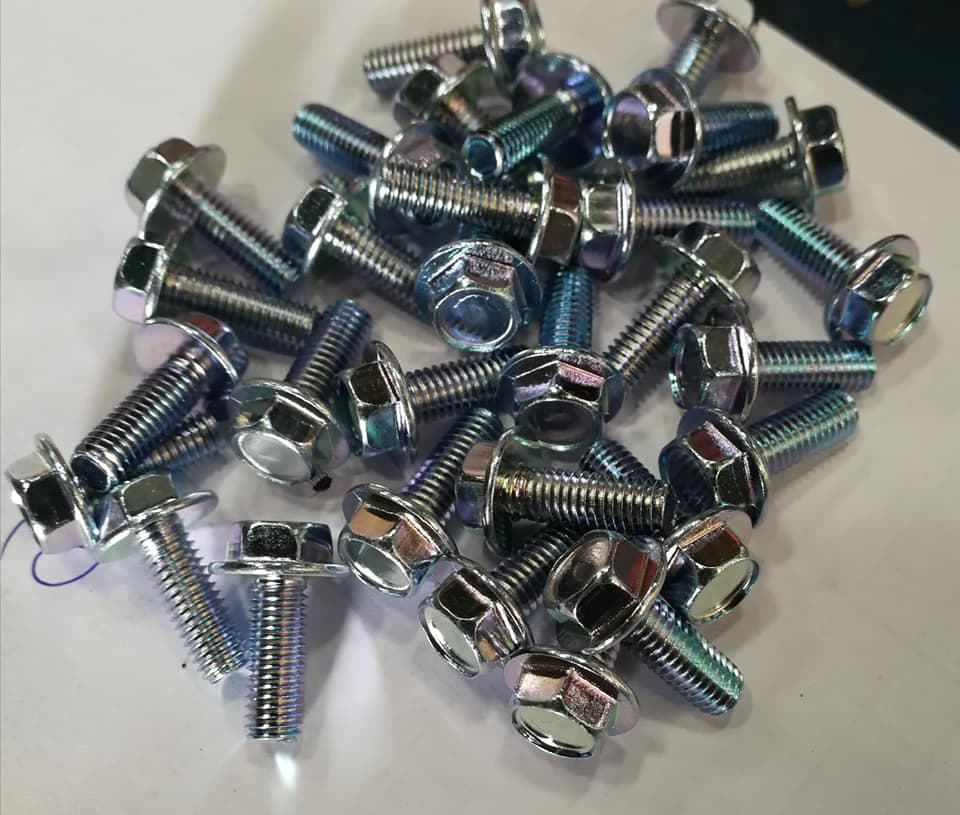
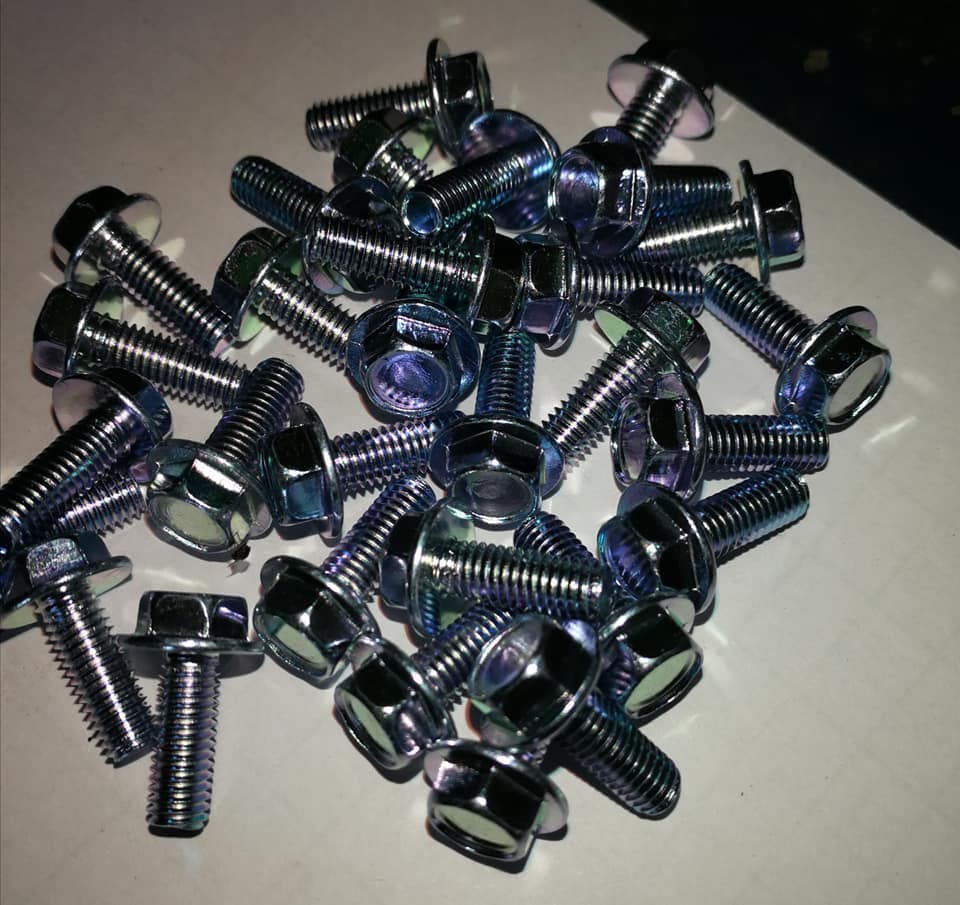
Everything difficult about finishing for a consumer-goods park follows from one fact: the governing requirement has no gauge behind it. Hardness has a band, salt spray has hours, coating thickness has micrometres, and all three are measurable in our own laboratory. Colour, lustre, an even tone across a whole bag, the absence of a scuff on the face that shows — none of those has a number, and a specification that simply says “bright zinc, good appearance” has not actually specified anything. Four things make it checkable. First, a retained physical reference sample: one agreed piece held by you and one held by us, dated, tied to the part number, and used for the whole product season rather than replaced quietly halfway through. Batch-to-batch drift across a run of repeat orders is the real risk in this kind of work, not a single lot failing outright, and only a fixed reference catches drift. Second, a written definition of what counts as a defect on the visible face — staining, water marks, contact marks, tumbling scuffs — because your inspector and ours will otherwise be applying two different standards to the same bag. Third, the plating method named in the specification rather than left to us: barrel processing tumbles parts against each other and can mark a decorative face, while rack processing leaves a contact point somewhere by definition, and where the part shows, which of those you get is a specification decision, not a housekeeping one. Tell us which face must be clean and we will tell you honestly whether the method that suits your quantity can keep it clean. Fourth, the finish family has to match the duty rather than the drawing’s habit. Trivalent-chromium passivated zinc is a sacrificial coating whose life is described by the salt-spray requirement you set; phosphate is a conversion coating that works together with the oil or wax carried on top of it; black oxide is genuinely an appearance finish, and on its own it is not a corrosion barrier — it too depends on the oil or wax above it, which is worth knowing before a part is packed against fabric. On the metallurgical side the same honesty applies. The material designation on the drawing decides what is possible: a free-cutting steel will not respond to a quench the way the drawing assumed, an austenitic stainless cannot be hardened by heat treatment at all, and where a property class or hardness crosses the ISO 4042 threshold that calls for embrittlement-relief baking after plating, that bake is a step inside the route rather than an extra discovered later. Bands quoted anywhere on this site are typical industry guidance that depends on the part and on the governing specification; the number that binds is the one written on your drawing.
Services for factories in this estate
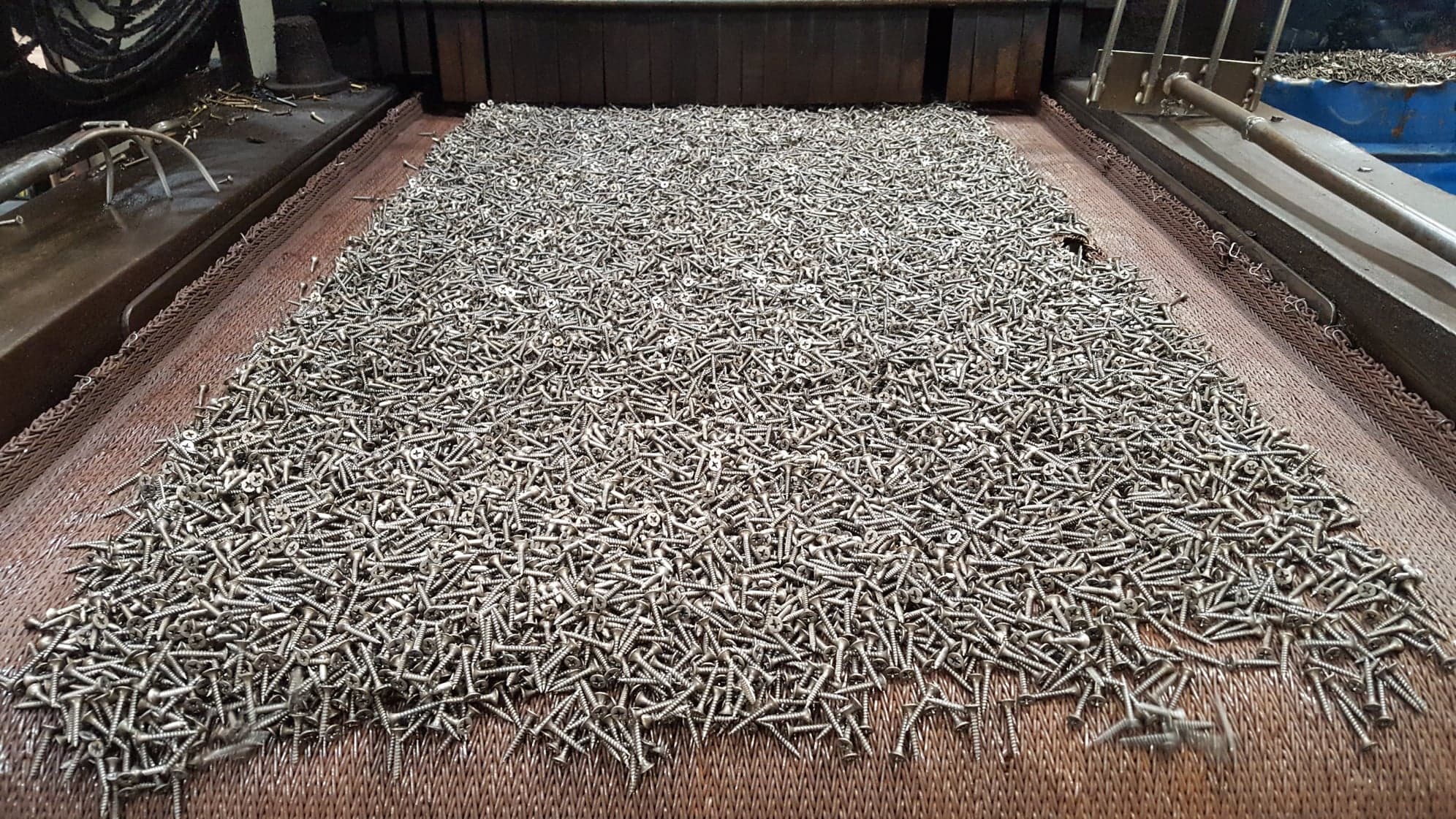
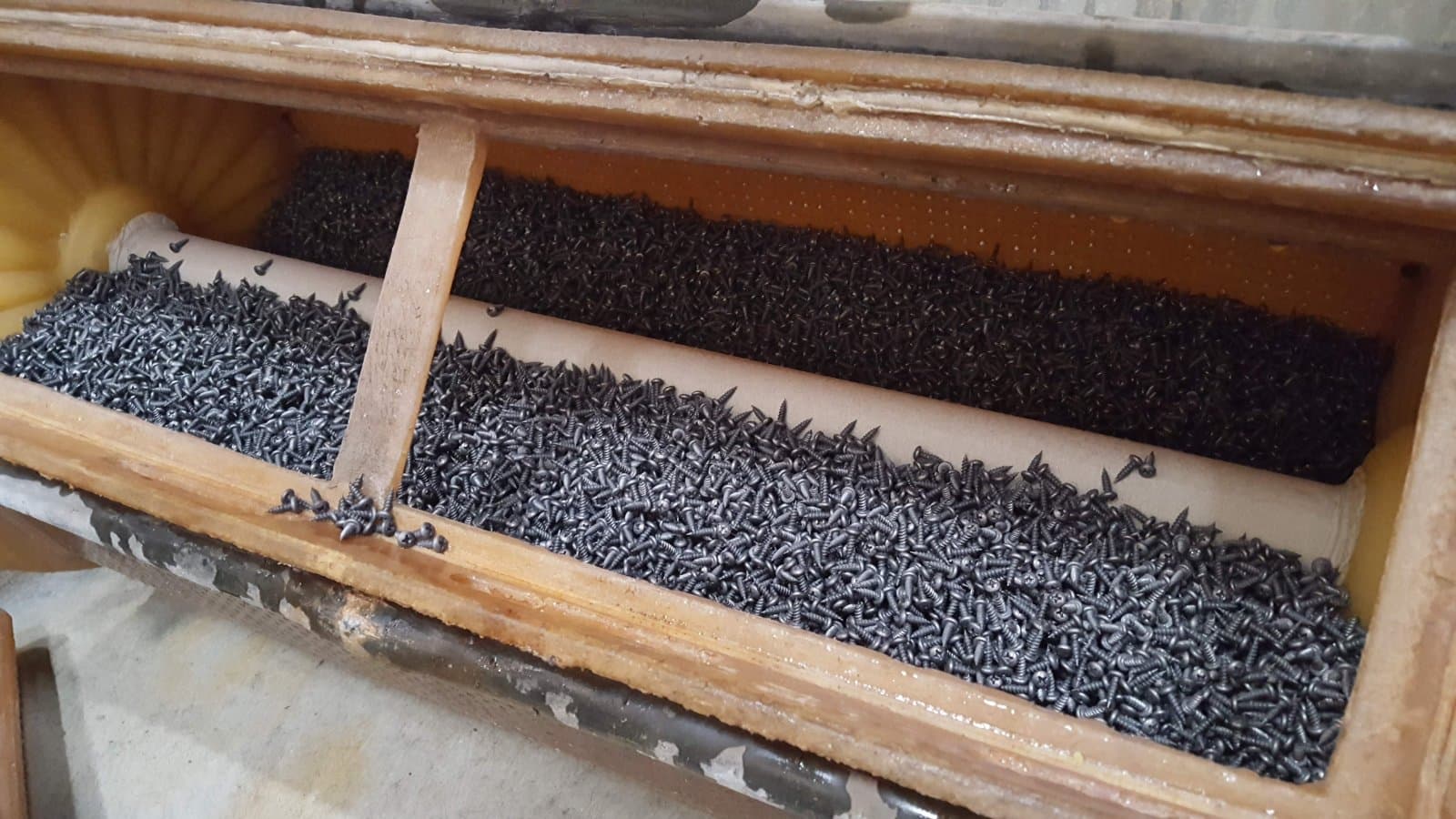
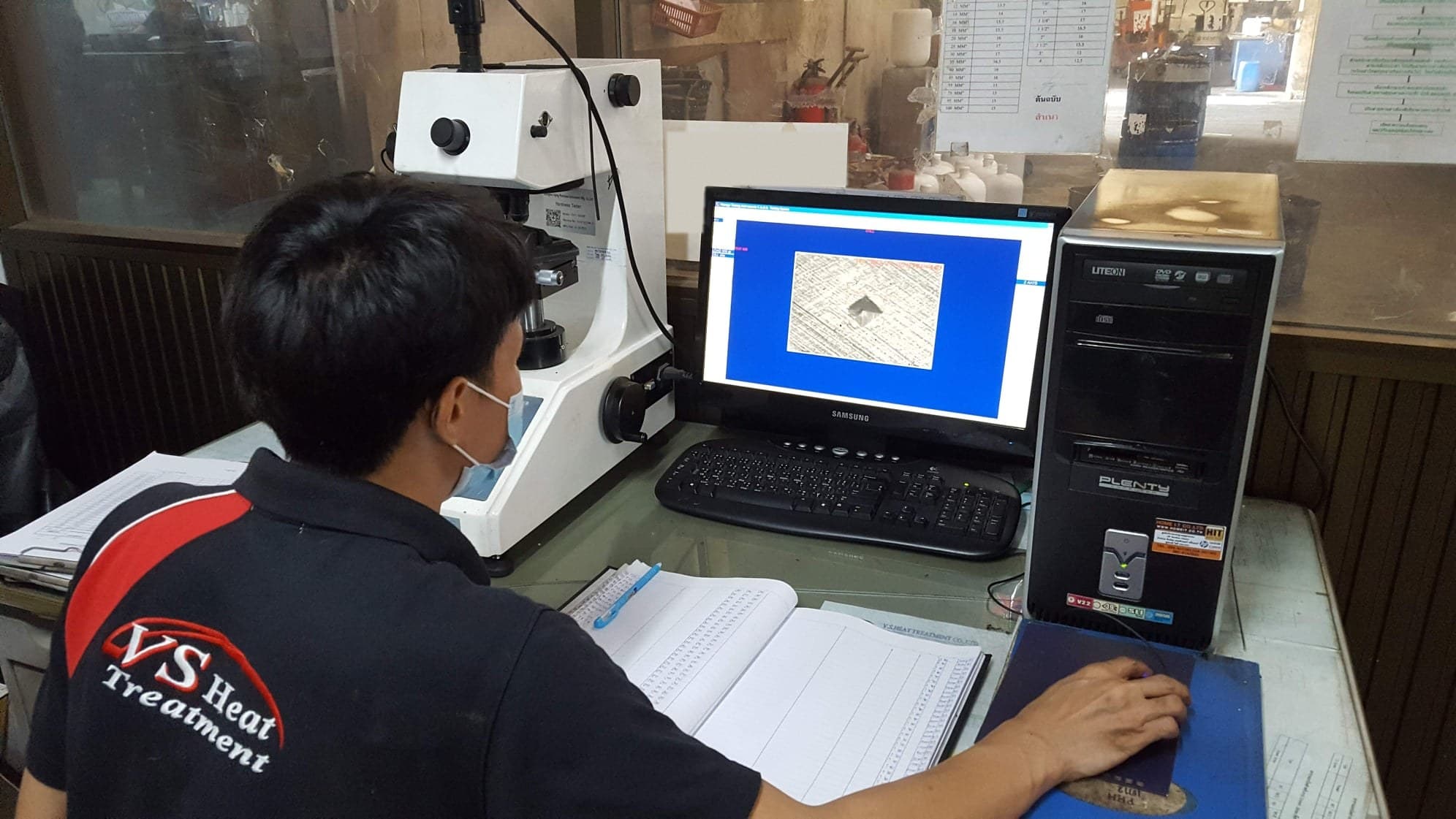
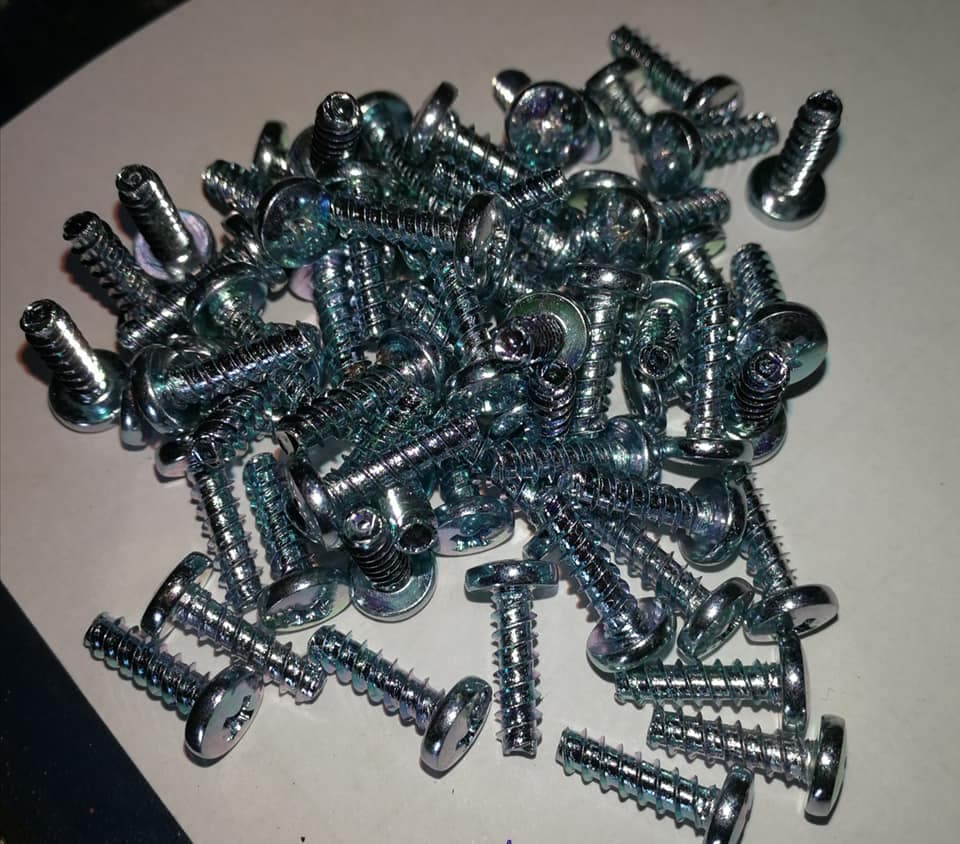
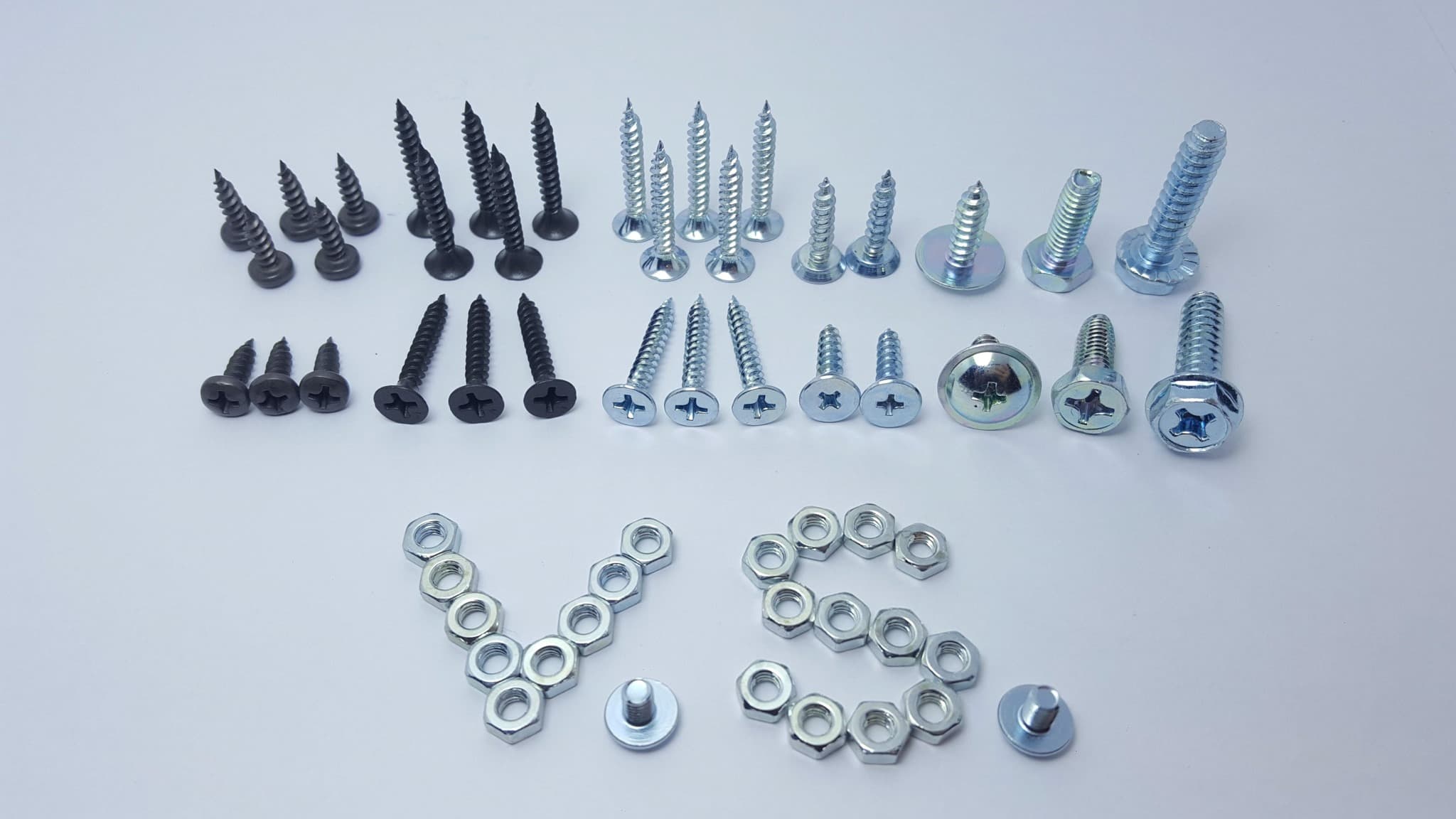
Hardening, Cr3+ zinc plating, phosphate coating and in-house lab testing, all on small parts at bulk volume.
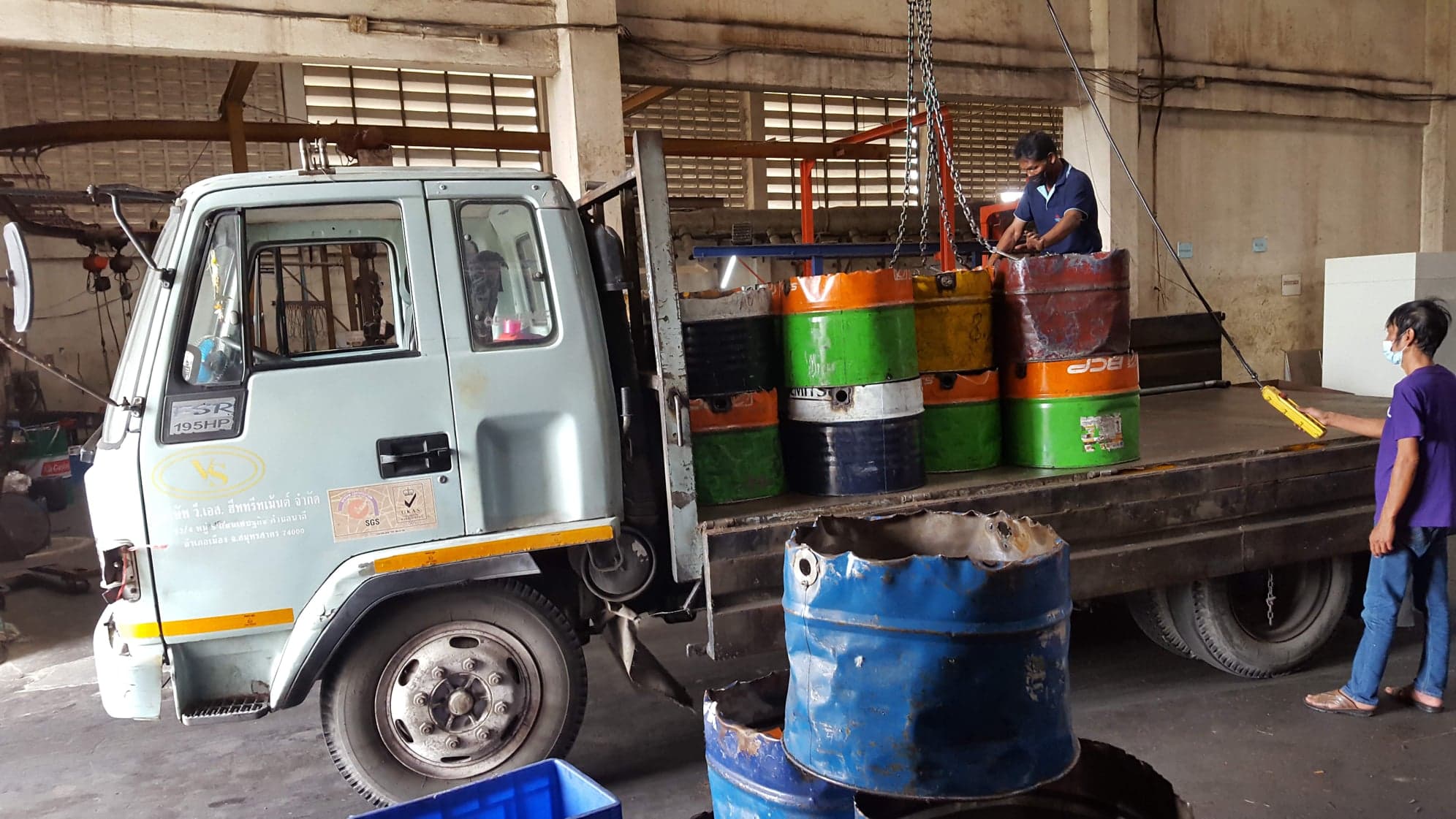
The corridor row on this page is blank, and the reason is worth reading rather than skipping. This park fronts Highway 33, the Suwannasorn road, and that road runs east from the central plains through Kabin Buri toward Aranyaprathet and the crossing into Cambodia. It is not Highway 304, the road most people attach to the words “Kabin Buri”, which runs north-east toward Nakhon Ratchasima. This table names eight roads and Highway 33 is not one of them, so rather than promote the park onto a corridor it does not sit on, the row stays empty and the road is named here in words. The port row is blank for a reason that belongs to this park in particular. Elsewhere on this axis an empty port row means “inland, and we will not guess which sea port is nearer”. Here it can mean something stronger: a consignment leaving a plant on this road may be going to a land border rather than to a container terminal at all, so a sea-port field would not merely be a guess, it would be the wrong kind of fact. Tell us how a lot leaves the country and we will pack it for that. Collection and delivery are arranged per lot and confirmed with sales when the job is booked, and quotations are answered within 24 hours.
Questions we get from this estate
Is Saha Group Industrial Park an IEAT industrial estate?+
No, and unlike some pages on this site that row is a definite No rather than a blank. The park was developed and is run by a private developer, and it does not appear in the Industrial Estate Authority of Thailand’s own register of operating estates, in the registry listing of estates by province, or in the industrial-park directory entry that classifies it — that entry says Non-IEAT in as many words. Kabin Buri district does contain two IEAT-designated estates, so a plant that describes itself only as “in Kabin Buri” genuinely cannot be answered either way; that ambiguity is what the zone-level Kabin Buri page is for. What the No changes for you is paperwork with your landlord. What it does not change is anything about how your parts are processed, recorded or released.
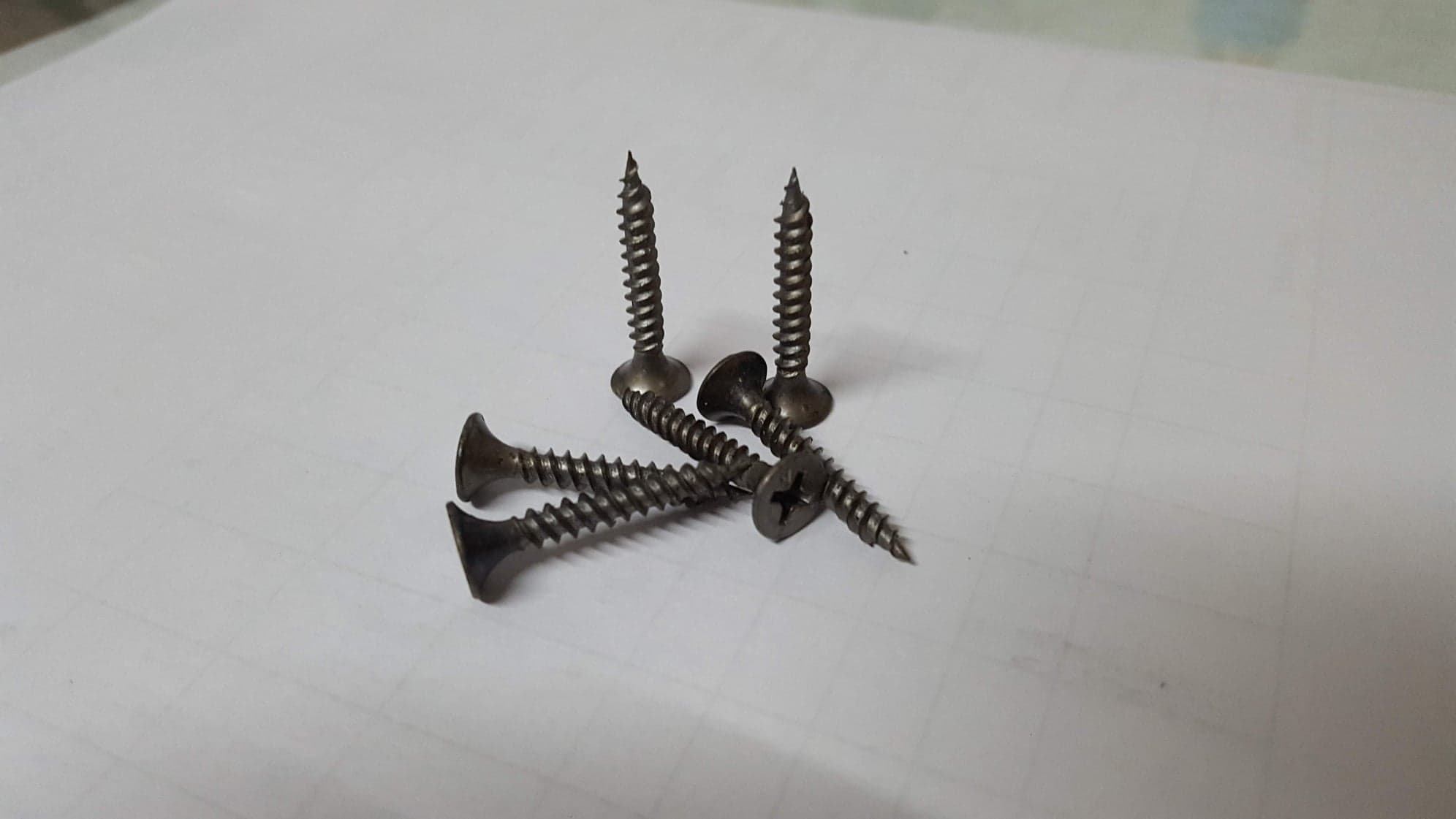
The screws are visible on the finished product. How do we specify a finish that has to look right?+
With three things, none of which is a number. A retained reference sample — one piece agreed and dated, held by both of us, used for the whole product season. A written list of what counts as a defect on the face that shows, so your inspector and ours are applying the same rule to the same bag. And the plating method named in the specification: barrel processing tumbles parts against one another, rack processing leaves a contact point somewhere by definition, and if there is a face that must stay unmarked, that decision belongs in your specification rather than in our shop. Send a small qualification quantity of the real part with the drawing, let us produce the reference against it, and the production lots afterwards are a repeat of something that already passed.
Our old drawing calls for a yellow chromate. Can you match the colour?+
Not to an old hexavalent-chromium reference, and we would rather say so now than after a lot has been run. We plate zinc with trivalent-chromium passivation only — the direction the automotive and electrical sectors have been moving in for years under their own restricted-substance rules — and a Cr3+ passivate does not reproduce the colour of the hexavalent yellow that older drawings were drawn against. Where a customer needs an iridescent rather than a clear finish, that is a conversation about which Cr3+ passivate we run, and it ends with a new reference sample that becomes the standard from then on. If the requirement behind the drawing is actually a restricted-substance rule rather than an appearance, tell us which substance and which document at quotation, because that decides whether a route is a candidate at all, and where we cannot answer for a chemistry we will tell you so rather than guess.
Some of our hardware is stainless, for wash-down and food areas. Can you harden or plate it?+
Only some of it, and the honest answer starts with what we cannot do. The austenitic stainless steels normally chosen for wash-down and food-area duty cannot be hardened by heat treatment — no cycle we or anyone else runs will change that, and if a drawing asks for it, the drawing is asking for something the material does not do. Martensitic stainless grades are a different case and can be hardened and tempered. Zinc plating is also not the answer for a part that was specified in stainless for corrosion reasons in the first place. Send the material designation with the enquiry and we will tell you which of your part numbers we can process, which we cannot, and why — and where a part falls outside what this shop does, we will say that instead of finding a way to quote it.