
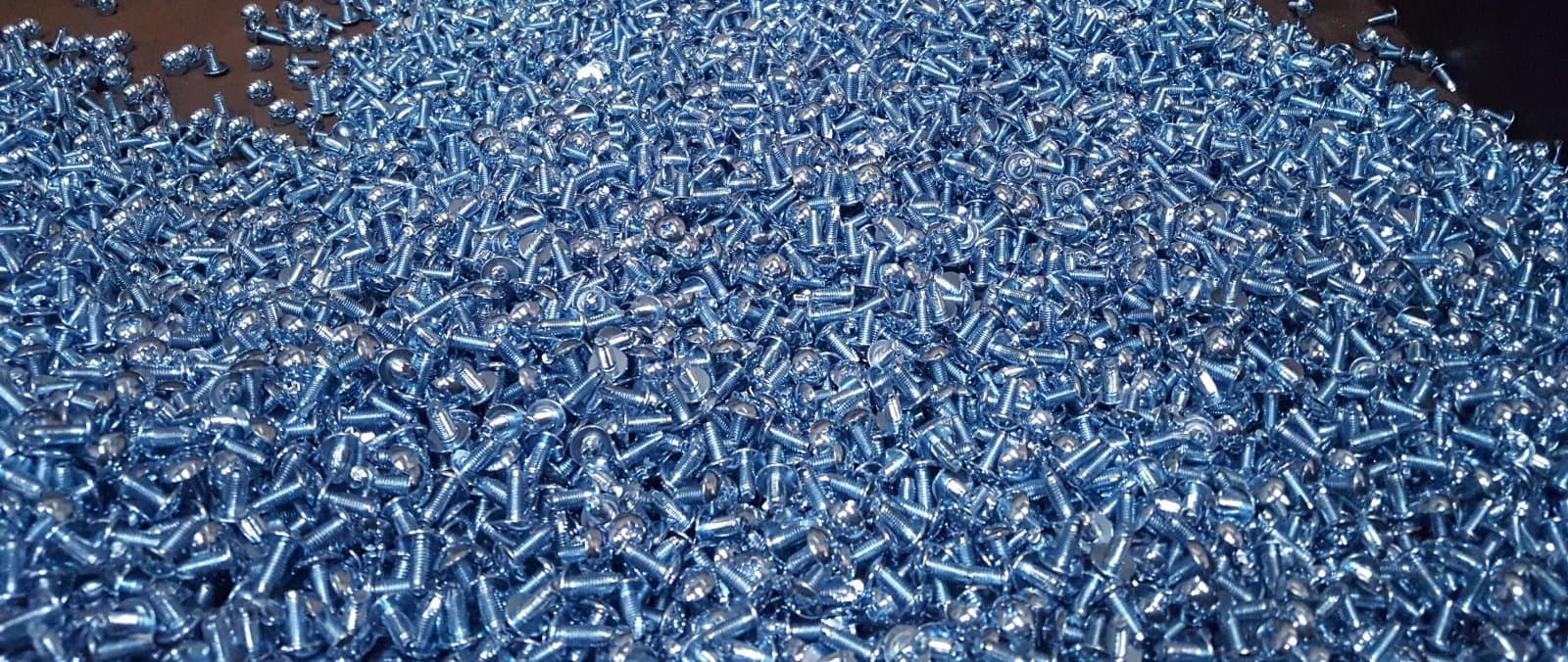
Small-part finishing for factories in the Kabin Buri industrial zone
Kabin Buri is inland, and it is not one estate. Both facts push the same way: finishing here is something a plant schedules rather than something it strolls to, so it has to be got right the first time it is sent.
We run one plant, and it is in Samut Sakhon. This page covers collection and delivery for customers in Prachin Buri — it is not a branch or a facility in Prachin Buri.
This estate at a glance
| Province | Prachin Buri |
|---|---|
| Road corridor | — |
| Nearest sea port | — |
| IEAT-designated | — |
| Eastern Economic Corridor | No |
| Industry mix | electronics, automotive & parts, steel & metalworking, general manufacturing & SMEs |
Reviewed:
What this estate is
Kabin Buri is a district of Prachin Buri, and what people mean by “the Kabin Buri industrial zone” is several separately owned parks inside that district rather than one fenced estate. Two of them — Hi-Tech Kabin and Bo Thong 33 — appear in the Industrial Estate Authority of Thailand’s own register of operating estates. A privately developed industrial park run by its own developer sits in the same district, and that park’s own material names printed-circuit-board manufacturing among the work it hosts. Around those parks is the manufacturing a district like this grows: automotive parts, metalworking, and general plants that supply both. That is why the IEAT row on this page is blank — some of this ground is designated and some of it is private, and one yes or no would be wrong for somebody reading it. What the mix means for us is consistent even where the ownership is not: the parts that arrive from here are small, threaded, made in quantity, and judged against an acceptance rule somebody further up the chain wrote.
What this estate asks of a small part
What sets this zone apart is not the metallurgy, it is the sequence. A plant inside a dense finishing belt can send a bag of samples across town, get an answer and adjust; a plant here is planning a round trip, so an incomplete brief does not cost an afternoon, it costs a cycle. Four things close that gap before anything ships. First, the material designation — a free-cutting steel will not respond to a quench the way the drawing assumed, and an austenitic stainless cannot be hardened by heat treatment at all, so this is the one line we will not proceed without. Second, the single rule that actually decides whether the lot passes: a hardness band, a salt-spray requirement, or a coating thickness the thread still has to gauge through. A lot written to satisfy all three at once will usually fail one of them, and it is cheaper to find out which one matters now than after the parts have travelled. Third, whether the property class or the hardness crosses the ISO 4042 threshold that calls for embrittlement-relief baking after plating — that is a step inside the route, not an extra to be discovered later. Fourth, what happens to the part after it leaves us: parts that go into a store rather than straight onto a line sit in their packaging, and Cr3+ passivated zinc and phosphate with oil protect a stored part in different ways. The practical answer to all four is the same one: send a small qualification quantity of the real part with the drawing first, let the route be fixed to it in writing, and let the production lot be a repeat of something that already worked.
Services for factories in this estate
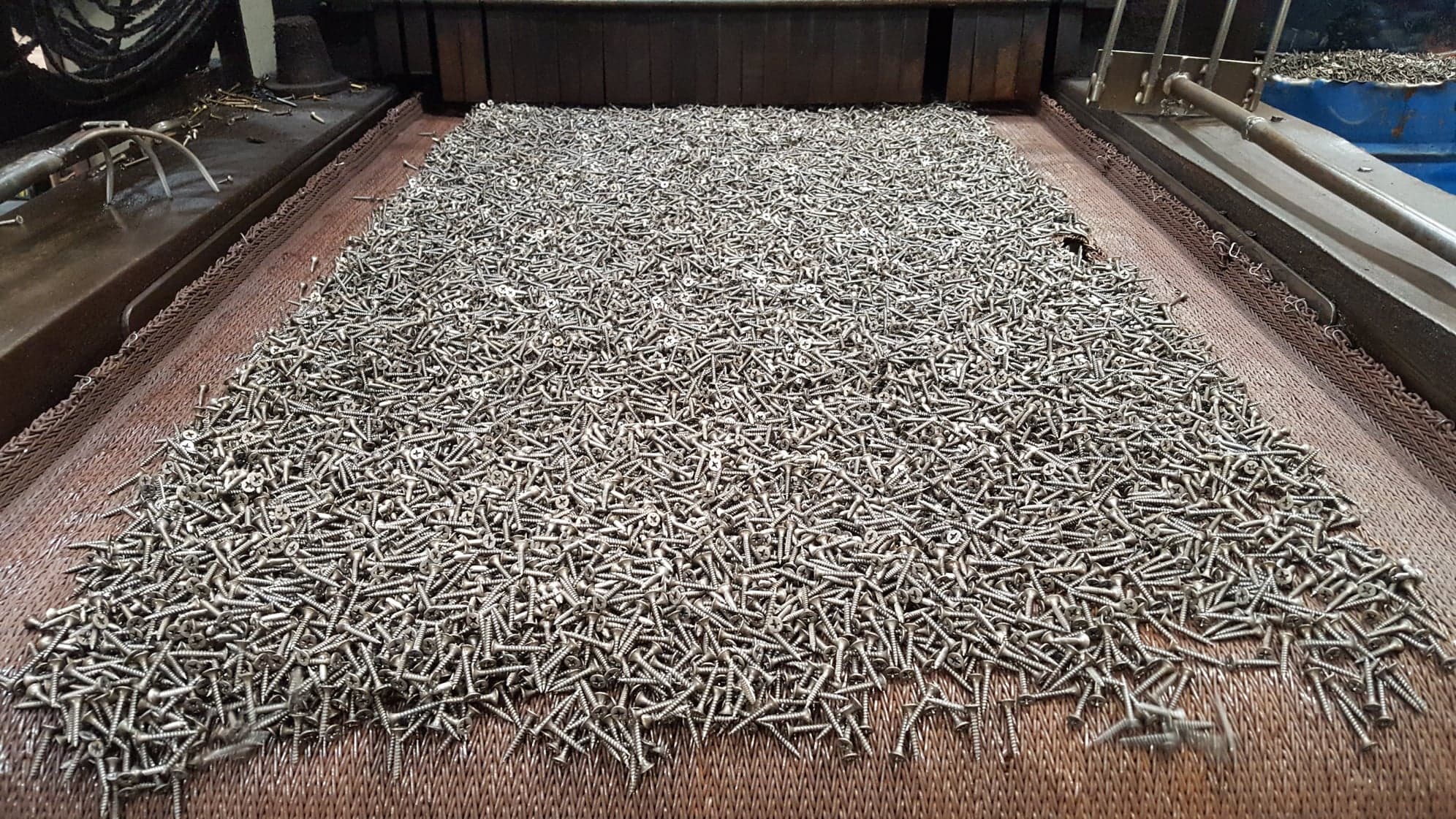
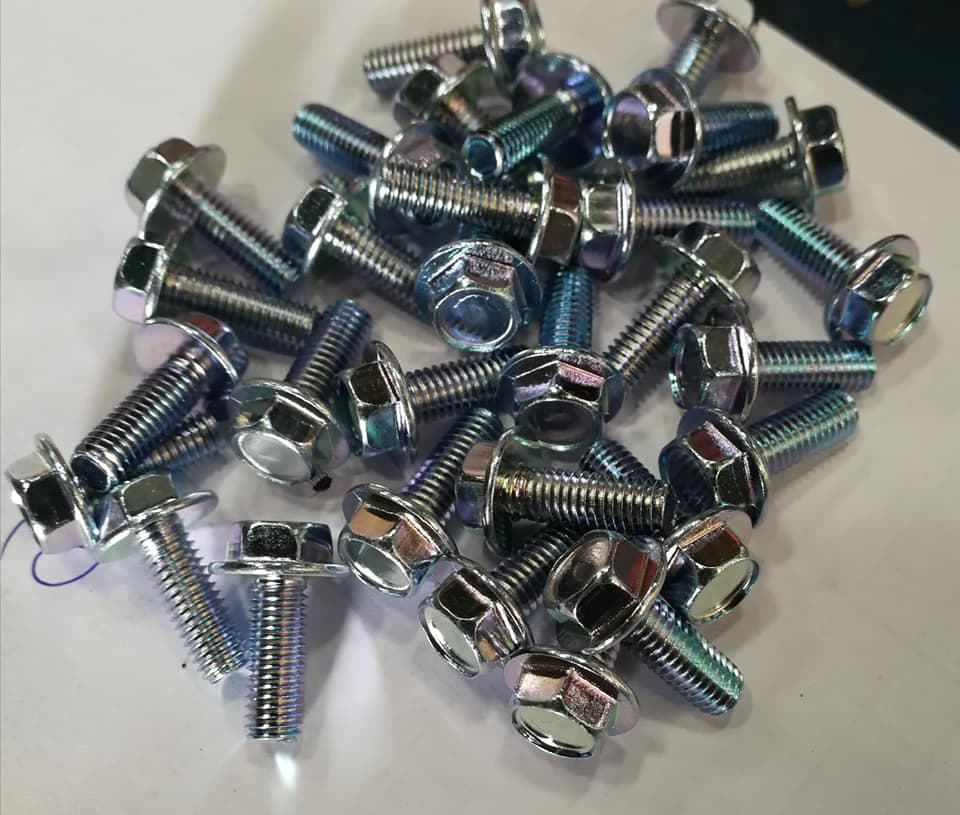
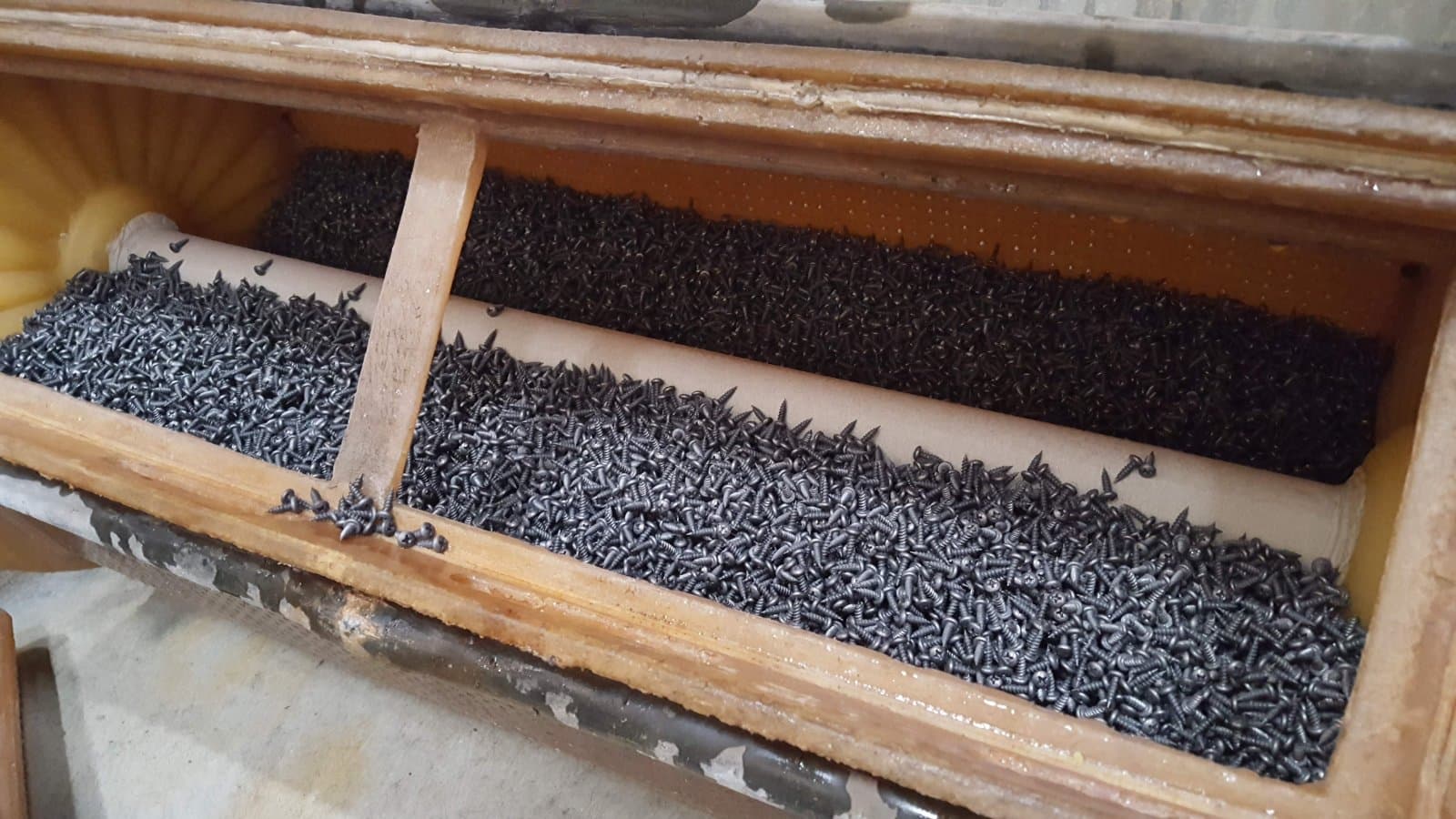
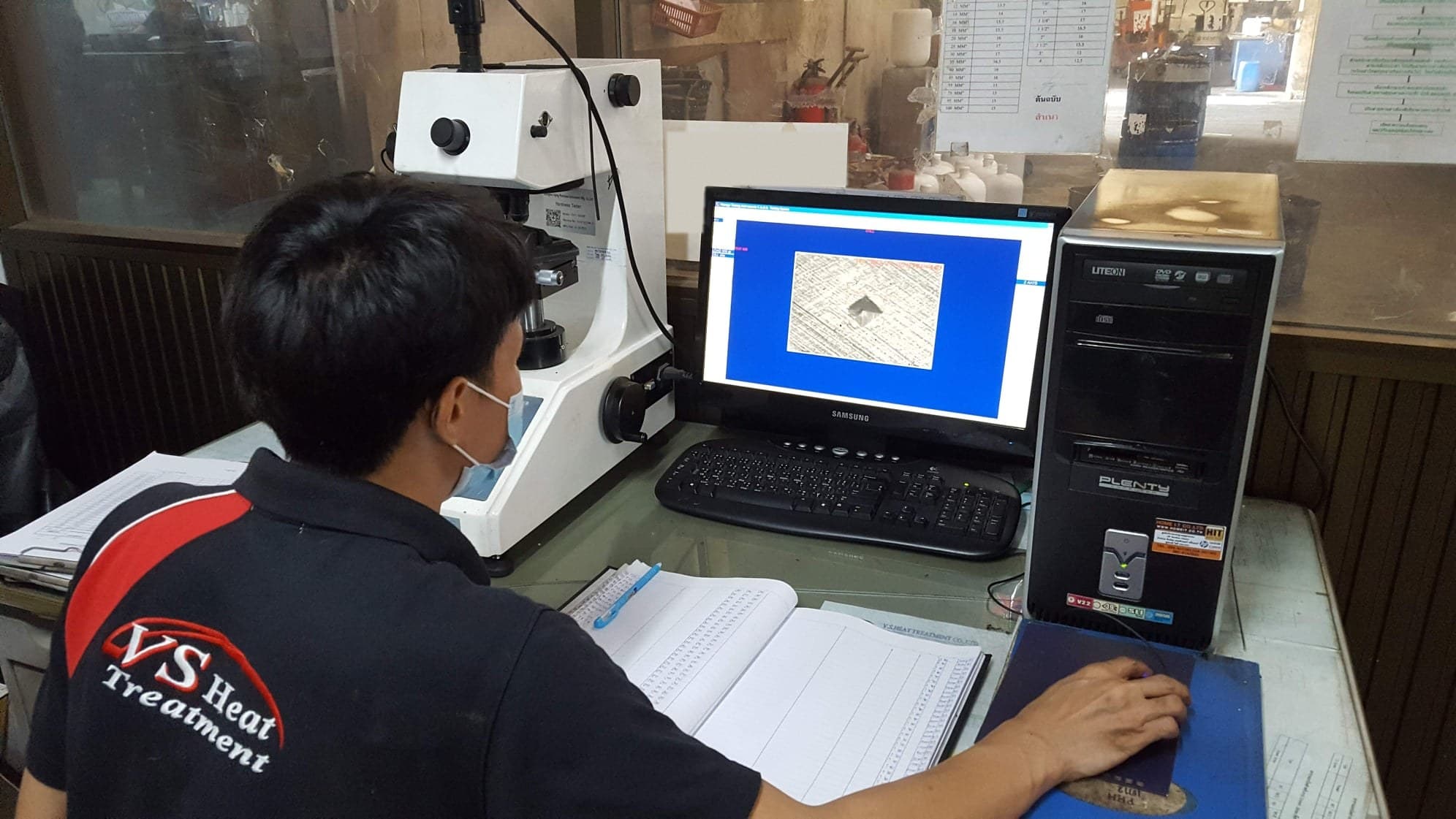
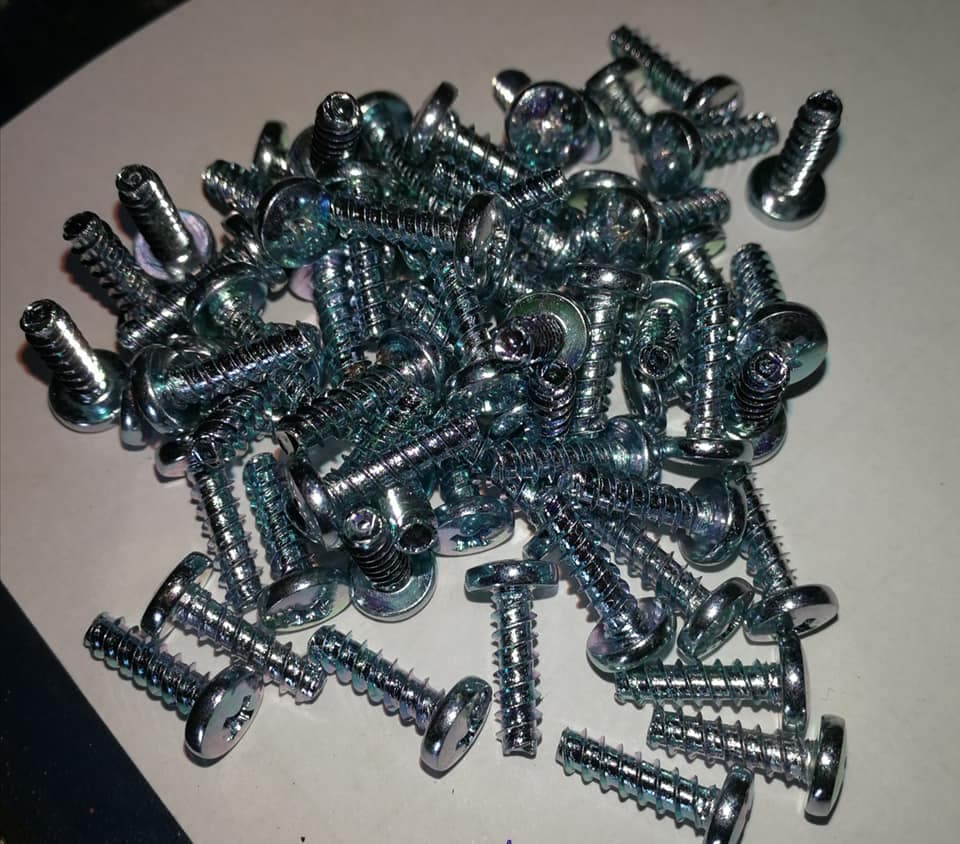
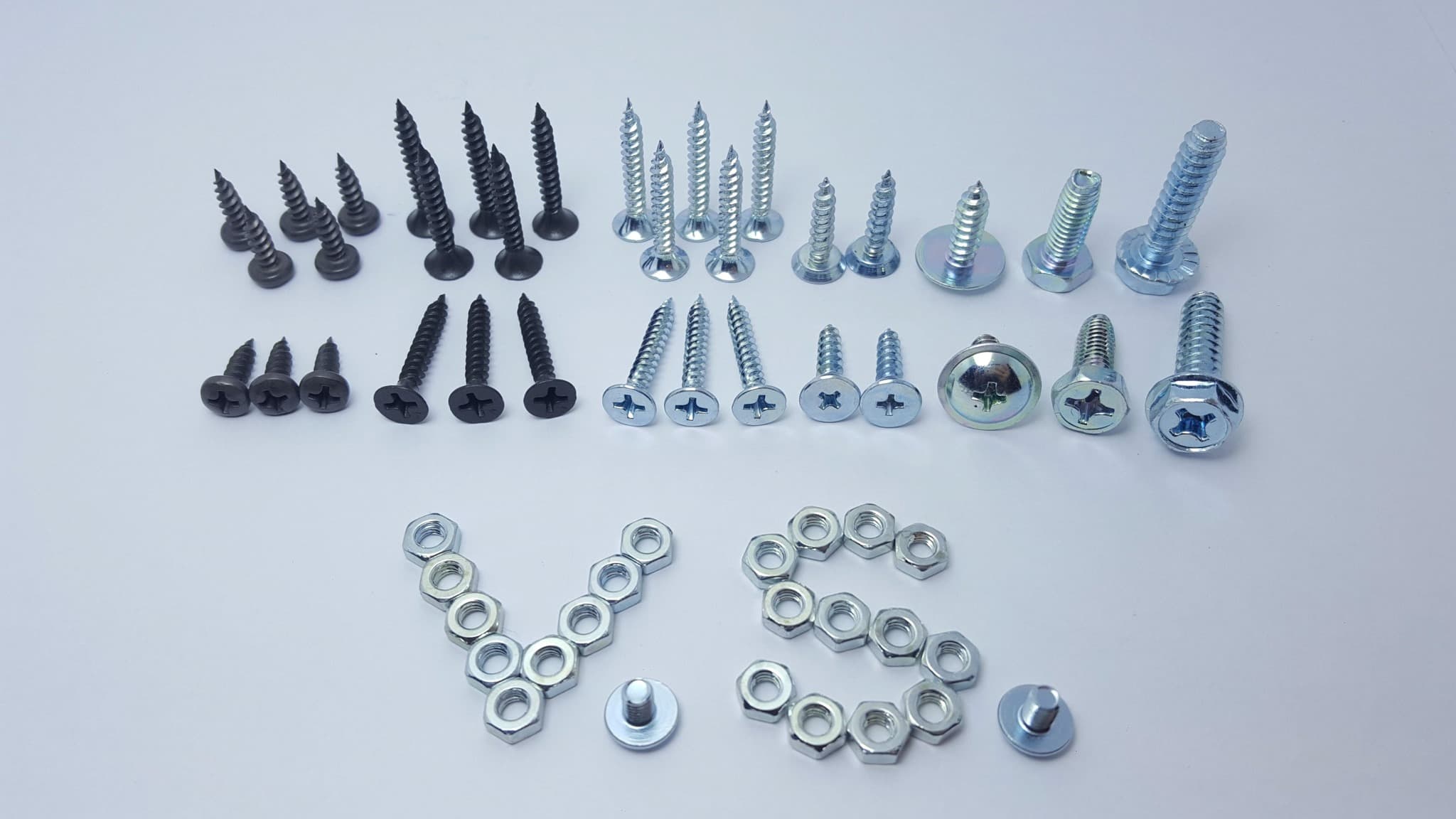
Hardening, Cr3+ zinc plating, phosphate coating and in-house lab testing, all on small parts at bulk volume.
Steel grades behind those parts
End markets on this estate
Each end market has its own spec drivers — property classes, salt-spray hours, governing standards.
The corridor row on this page is blank, and not because we are unsure which road this is. Everybody who works here calls it the 304 corridor, and Highway 304 does run through Kabin Buri — it is the road that ties the Chachoengsao side of the country to Nakhon Ratchasima. But this table names eight roads and 304 is not one of them, and the one road in that list that belongs to this part of the country, Highway 331, ends where it meets Highway 304 down in Chachoengsao rather than reaching Kabin Buri at all. We would rather show an empty row than promote a zone onto a corridor it does not sit on. The port row is blank for a related reason: this is inland, up-country ground, freight from here can head for Bangkok or run down toward the eastern seaboard, and which gateway a box uses is your forwarder’s decision rather than a fact about the zone. Collection and delivery are arranged per lot and confirmed with sales when the job is booked.
Questions we get from this estate
Is Kabin Buri an IEAT industrial estate?+
Partly — which is exactly why the row is blank. The district holds estates that appear in the Industrial Estate Authority of Thailand’s own register, Hi-Tech Kabin and Bo Thong 33 among them, and it also holds a privately developed industrial park run by its own developer. A plant inside a designated estate answers to that estate’s rules; a plant in the park next along does not. A single yes or no on this page would be wrong for one of you. Tell us which park you sit in if it changes your paperwork — it does not change how the parts are processed.
Which highway corridor serves this estate?+
Because the table on this page names eight specific highways and Highway 304 is not one of them. The nearest thing in that list is Highway 331, the inland eastern-seaboard road, and it stops where it joins Highway 304 in Chachoengsao — it does not come up to Kabin Buri. So the row stays empty and the road gets named here in words instead. An empty cell is checkable; a road number chosen to fill a gap is not.
We are up-country. What should we send with the first enquiry so we do not lose a cycle?+
The drawing with the material designation and the thread tolerance class on it, the one acceptance rule you will actually judge the lot against, the quantity you expect to run, and a small qualification quantity of the real part rather than a photograph of it. With that we can tell you what is achievable, what is not, and what the route would be, and we reply to quotations within 24 hours. Once a route is agreed for a part number it stays agreed and any change is put to you in writing first, so the next lot is a repeat rather than a fresh negotiation.
The parts will sit in our store for a while before assembly. Does that change the finish?+
It can. Cr3+ passivated zinc is a sacrificial coating and how long it holds up is described by the salt-spray requirement you set, while phosphate is a conversion coating that does its work together with the oil or wax carried on top of it — the two protect a stored part differently and are not interchangeable. Packing matters as much as the finish: a part that goes through a temperature swing inside a sealed bag can sweat. Say at quotation that the lot is going into stock rather than straight onto a line, and the finish and the packing get chosen for that instead of for a part that will be used immediately.