

Small-part finishing for plants in Bo Thong 33 Industrial Estate
This is a young estate, so most of what arrives from it arrives for the first time. A first lot has no history behind it to argue from — which is why we treat it as something to measure and write down, not just something to process and return.
We run one plant, and it is in Samut Sakhon. This page covers collection and delivery for customers in Prachin Buri — it is not a branch or a facility in Prachin Buri.
This estate at a glance
| Province | Prachin Buri |
|---|---|
| Road corridor | — |
| Nearest sea port | — |
| IEAT-designated | Yes |
| Eastern Economic Corridor | No |
| Industry mix | general manufacturing & SMEs, steel & metalworking, automotive & parts, electronics |
Reviewed:

What this estate is
Bo Thong 33 sits in Prachin Buri and is inside the Industrial Estate Authority of Thailand system: the Authority carries its own register entry for the estate, and that entry names a private developer, which is what makes it a joint-operation estate rather than one the Authority runs itself. Two details in that entry shape this page. The first is the date — the Authority’s record puts the estate’s founding in 2562 by the Thai calendar, 2019, which makes it the newest name anywhere on this axis; Thailand’s public list of industrial estates still prints it in the style reserved for estates that are developing rather than long established. The second is the land: the largest single block in the estate’s own project breakdown is a general industrial zone, not a free zone. Beyond that the estate publishes no sector breakdown, and we are not going to invent one for it — the industry codes on this page are the ones the province record carries, ordered to put the general designation first and to leave this province’s electronics weight where it actually belongs, which is at other parks. What we can say without borrowing anybody’s tenant list is the thing that matters to a finisher: on ground this new, the plants are recent builds, and a recent build is running parts that nobody has run before.
What this estate asks of a small part
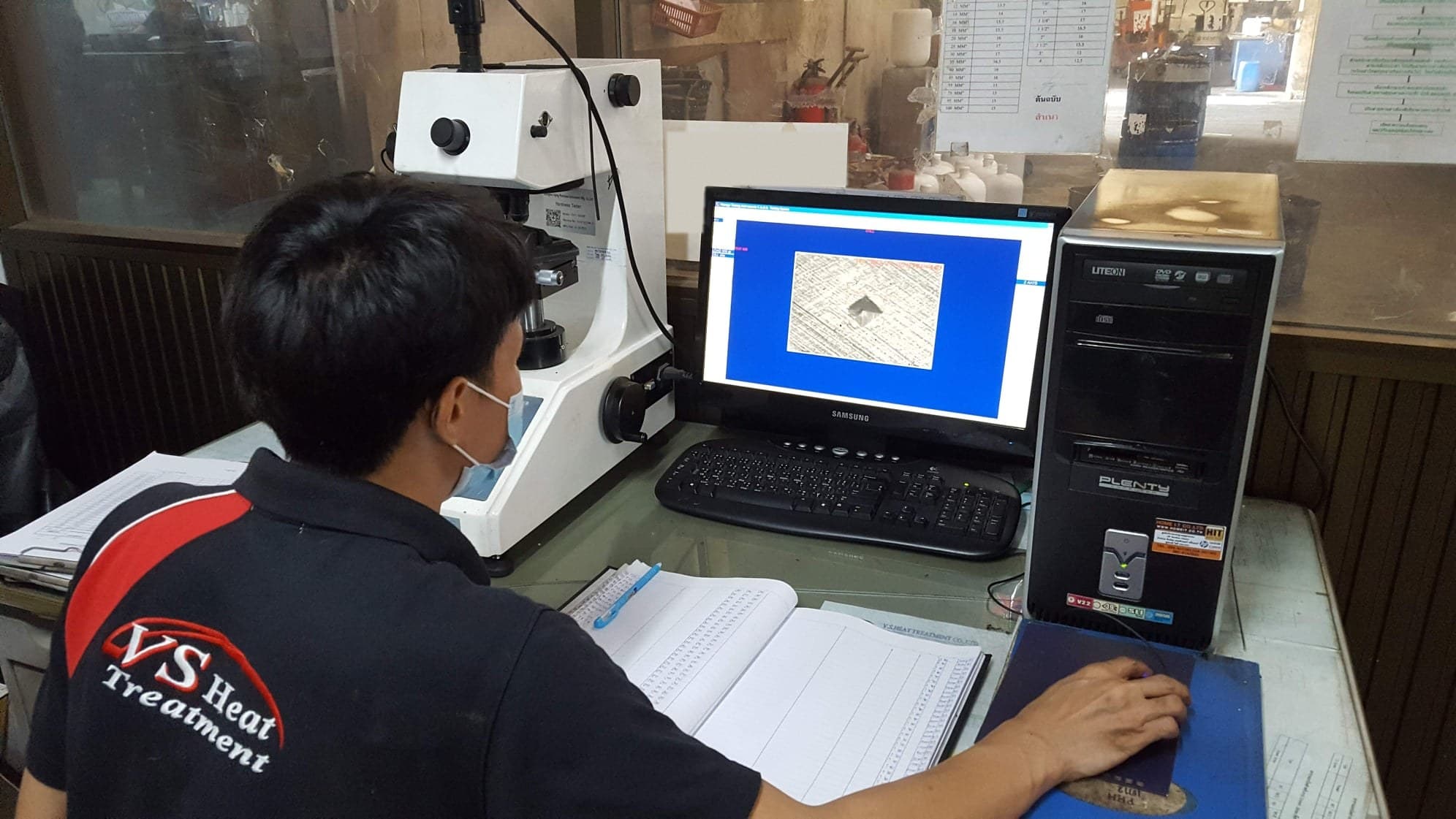
A line that has been making the same screw for fifteen years has a baseline whether or not anyone wrote it down. Somebody knows what that part normally measures, how much it usually moves, and what a bad week looks like. A new line has none of that, and neither do we on its first part number — so the useful thing we can do for a plant here is not to promise that the first lot will be right, it is to make the first lot into the reference everything after it gets compared against. In practice that means four things, and none of them are exotic. Run the qualification quantity as its own lot, not as the front end of the order you already owe somebody. Put a hold point after it: parts processed, parts measured, numbers agreed in writing, and only then the balance released to the same fixed route. Decide before that lot runs where the acceptance reading is taken and by which method, because on a small threaded part that choice is most of the answer — a case-hardened screw read on the outside and the same screw read on a sectioned core are two different numbers, both correct, and a surface scale that suits a bulk part can be the wrong instrument for a thin section entirely. And record what the parts were made from, by heat or supplier lot, on lot one. That last one costs nothing on the day and is the only thing that will let anybody tell a moved process from moved material when lot four behaves differently from lot one. We have a metallurgical laboratory in the building, so the measuring and the sectioning happen where the parts are rather than at a third address, and what comes back to you is a set of numbers with a method attached rather than a word like “hard”.
Services for factories in this estate
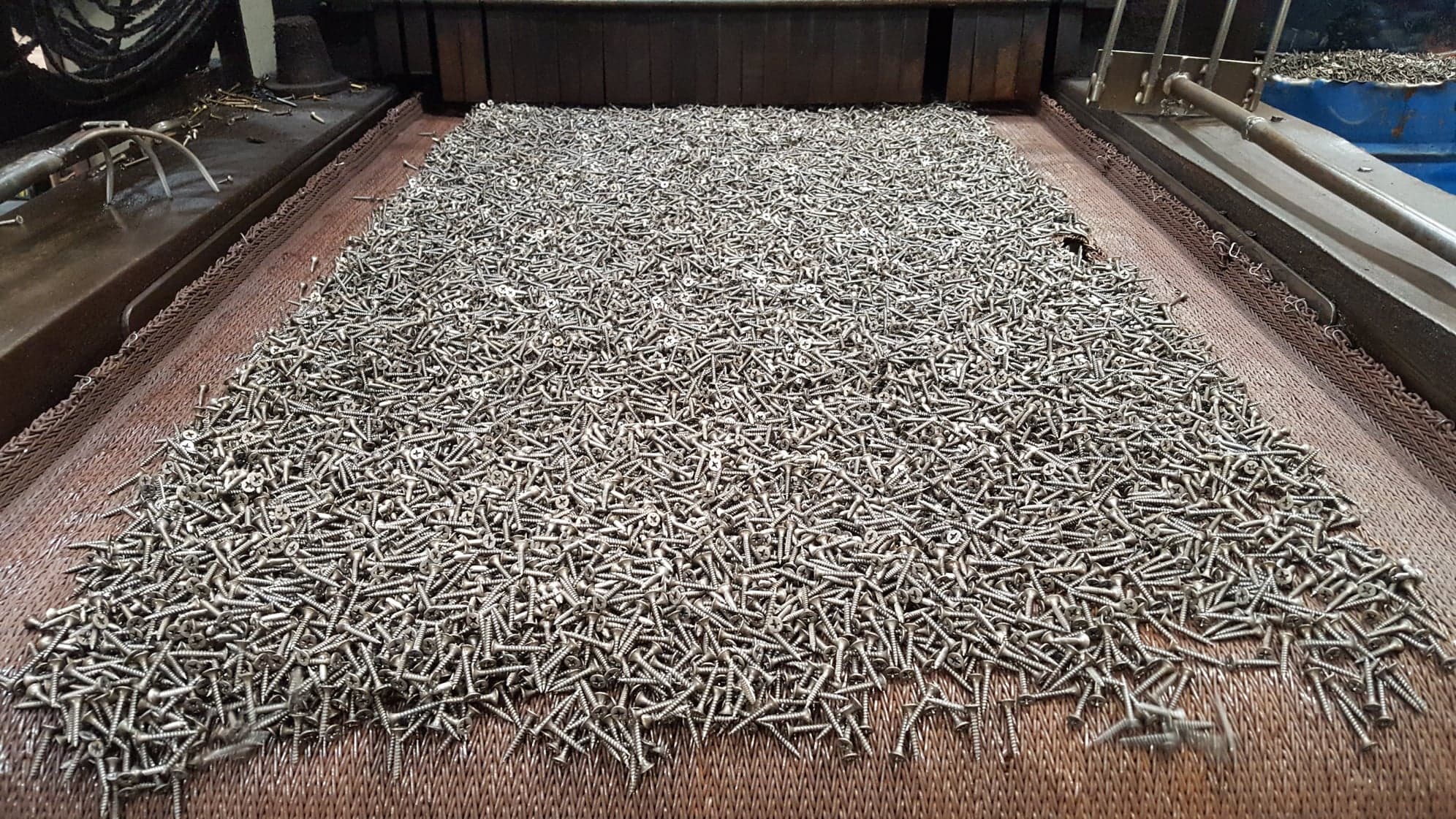
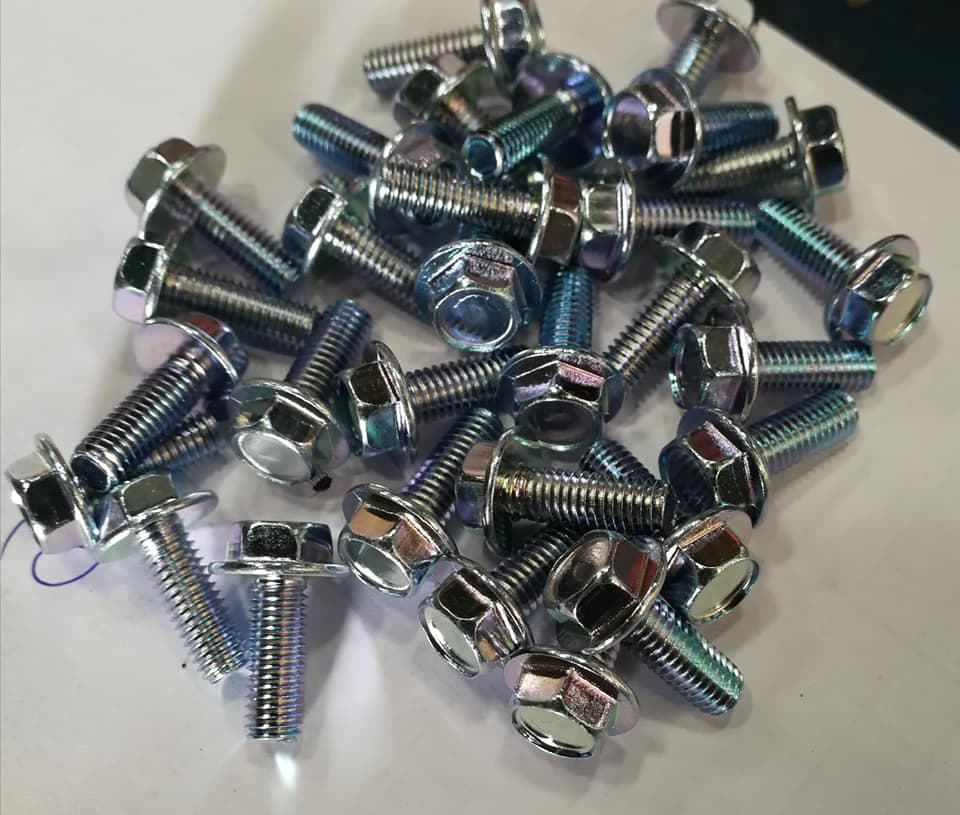
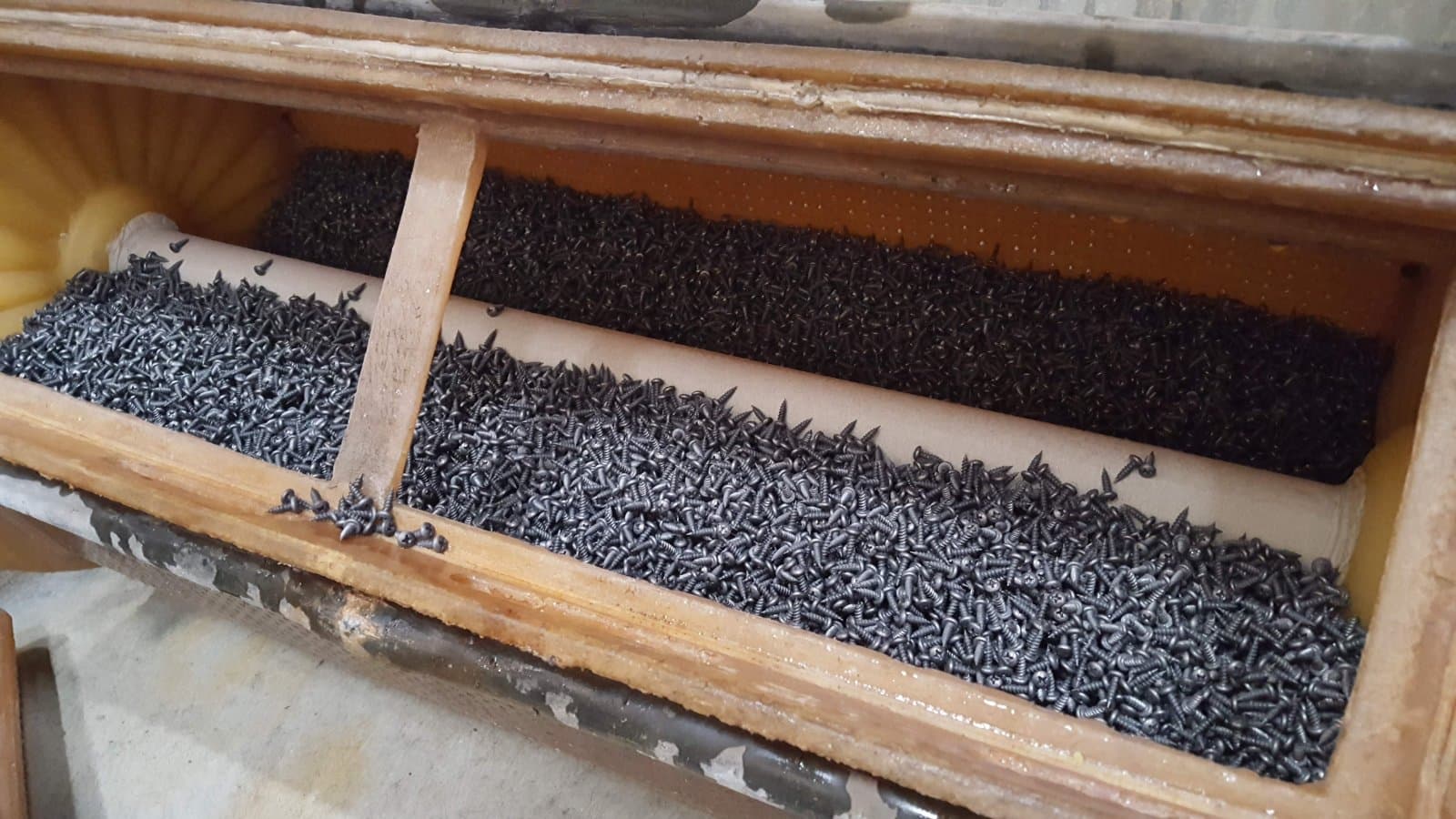
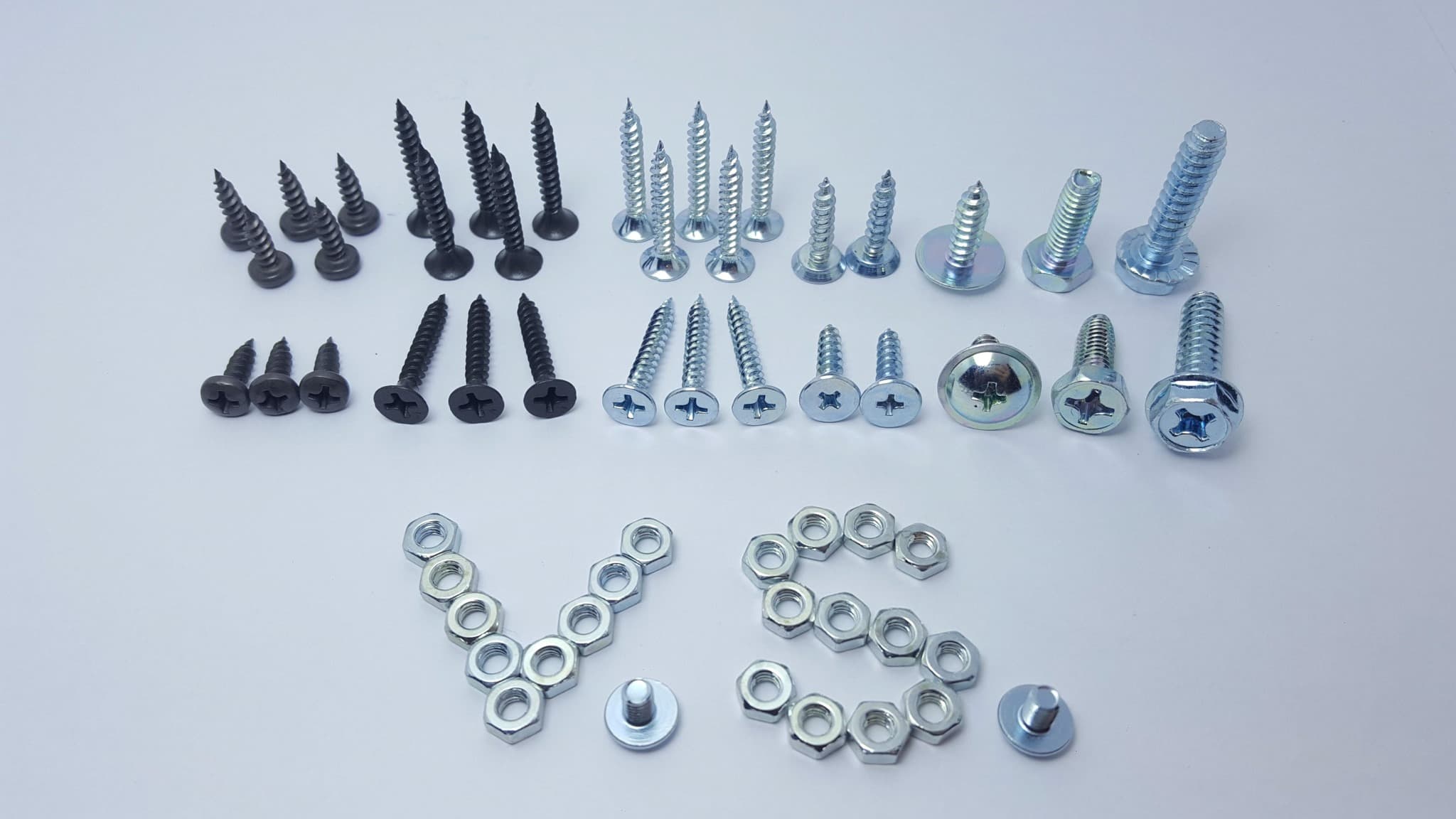
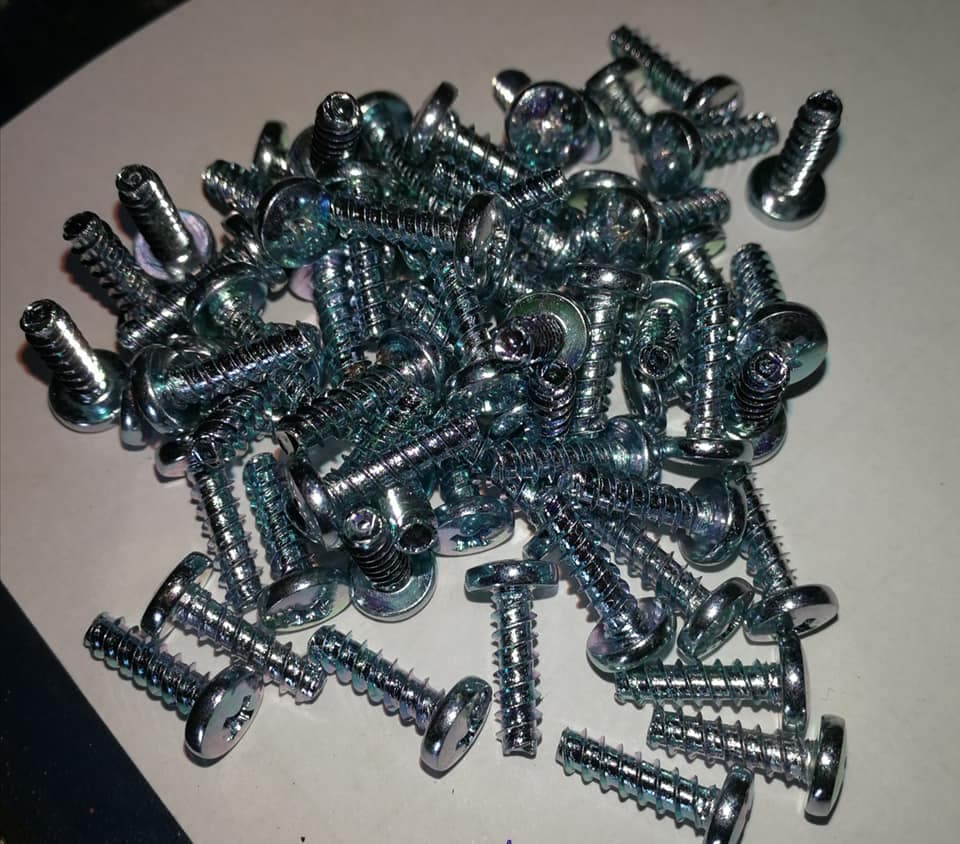
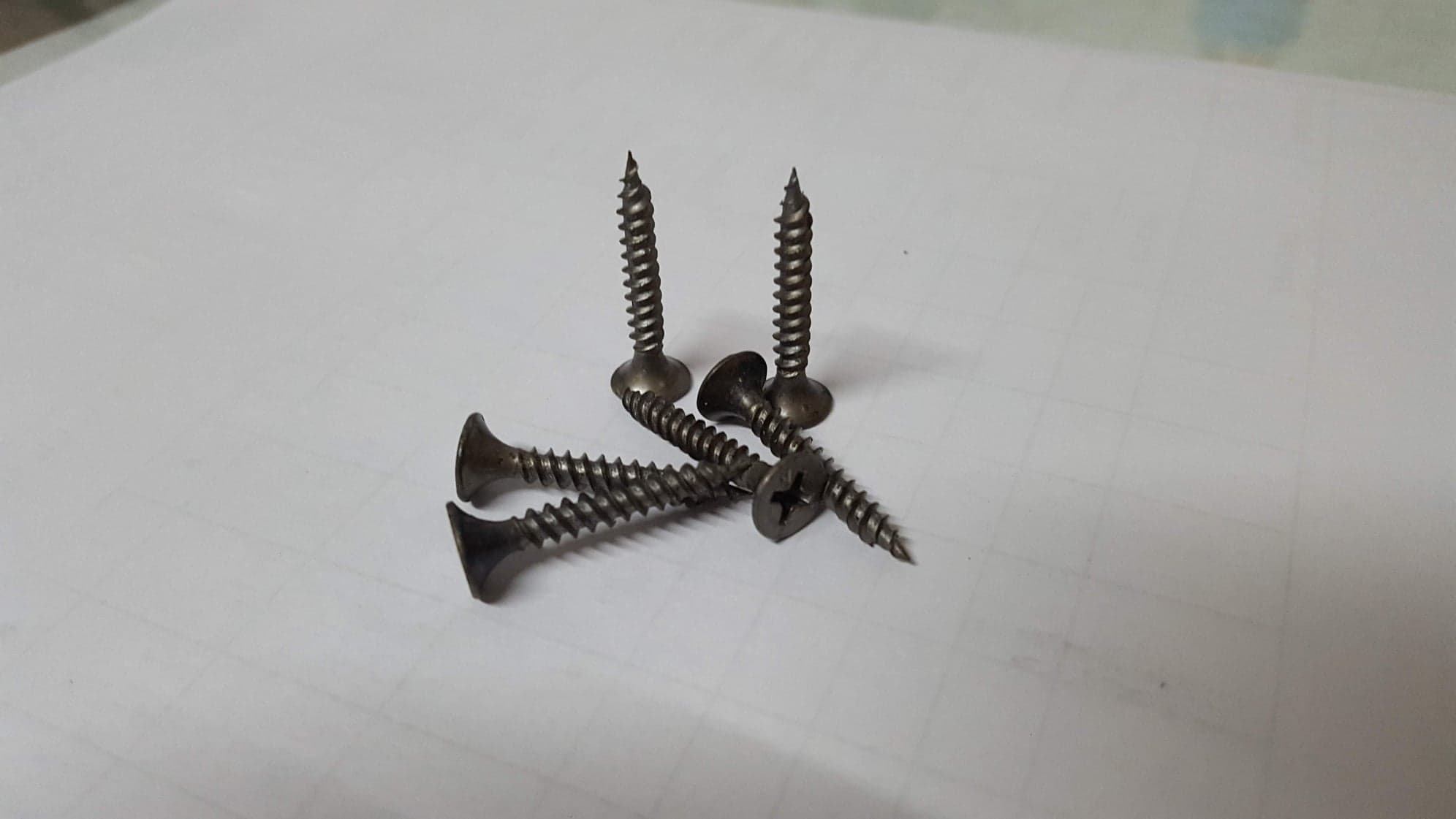
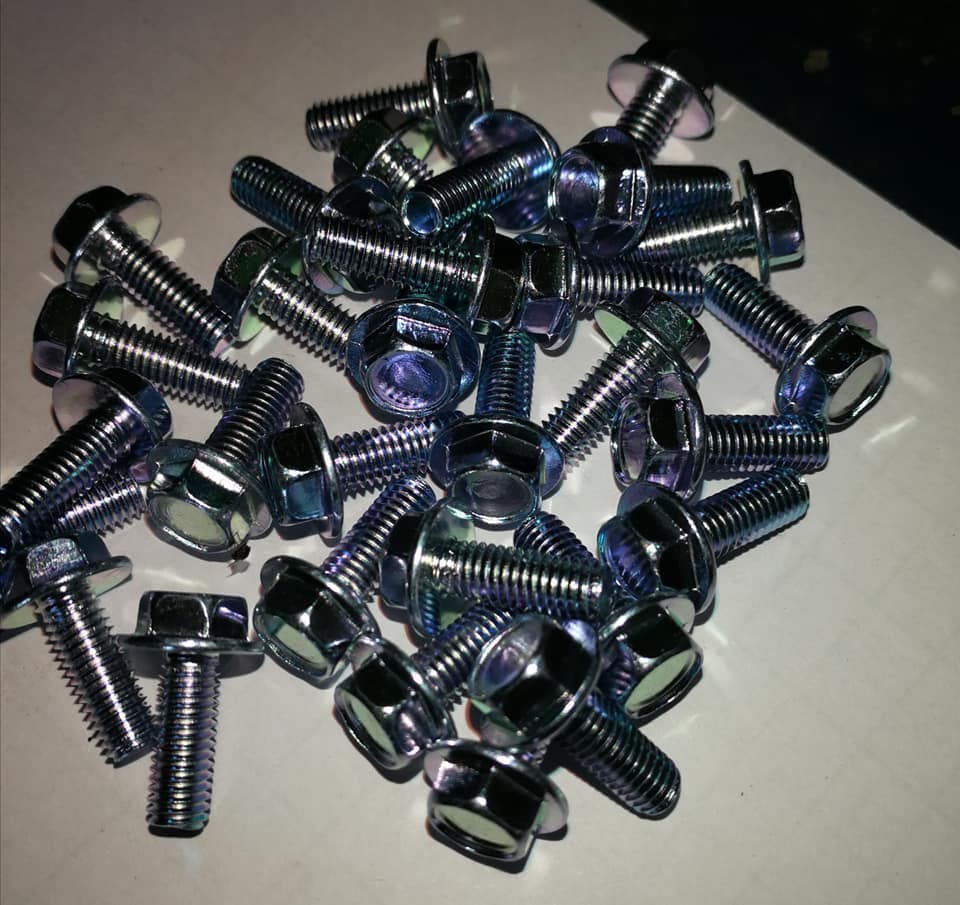
Hardening, Cr3+ zinc plating, phosphate coating and in-house lab testing, all on small parts at bulk volume.
Steel grades behind those parts
End markets on this estate
Each end market has its own spec drivers — property classes, salt-spray hours, governing standards.
Two rows in the table on this page are blank, and both are blank on purpose. The corridor row first: the roads that serve this district are Highway 33, the Suwannasorn road running east, and Highway 304. This table names eight specific highways and neither of those is among them, while the one road in that list belonging to this side of the country, Highway 331, ends where it joins Highway 304 well to the south — it never reaches here. We would rather show an empty cell than move an estate onto a road it does not sit on. The port row is blank for a more interesting reason. The estate’s own register entry does not measure itself against a single gateway; it names an international airport, a container port and a land border crossing into Cambodia. A place that publishes three exits does not have a nearest port as a property — which one applies is a decision your forwarder makes for a particular shipment, and it can be a different answer for two boxes leaving the same week. So the row stays empty and the reason is written here instead. Collection and delivery are arranged per lot and confirmed with sales when the job is booked; quotations are answered within 24 hours.
Questions we get from this estate
Is Bo Thong 33 an IEAT industrial estate?+
Yes. It is a designated estate inside the Industrial Estate Authority of Thailand system, and the Authority publishes its own register entry for it; that entry names a private developer, so it is a joint operation rather than an estate the Authority runs directly. What “Yes” does not mean matters more here than it would on an older estate. It does not mean the estate is full — the Authority’s own record dates the founding to 2019 and the national list still files it under estates that are developing — and it does not mean we hold anything the estate or its neighbours hold. Our certification is ISO 9001:2015 and nothing else; where a sector standard is named on this site it is described as something the sector or the specification asks for, never as a certificate of ours. If your plant is one of the earlier ones on the site and your paperwork still routes through the developer rather than through a long-settled estate office, tell us at quotation — it changes where documents go, not how the parts are processed.
Our line is new and this part has never been made before. What should a first lot with you look like?+
Book the qualification quantity as a lot in its own right, with real parts rather than photographs, and let it carry a hold point: we process it, we measure it, we send you the numbers and the route we used, and the balance runs only once you have agreed both. Send the drawing with the material designation and the thread tolerance class, tell us the one rule you will actually judge the lot against, and say what the part does after it leaves us — straight onto a line, or into a store for a while. From that we can tell you what is achievable and what is not before anything is committed, and we answer quotations within 24 hours. Once the route is fixed to a part number it stays fixed, and any change is put to you in writing first, so the second lot is a repeat of something that worked rather than a fresh experiment.
How is hardness actually checked on a small screw, and why does it matter where you read it?+
Because on a small part the reading location and the test method are part of the specification, not details underneath it. A part that has been case-hardened is meant to be hard at the surface and tougher in the core, so a reading taken on the outside and a reading taken on a sectioned, mounted core are describing two different things — both can be correct and they will not match. Section thickness matters too: a scale that suits a solid part can deform a thin one and give you a number about the fixture rather than about the steel. So on a first lot we agree where the reading is taken, by what method, and on how many pieces, and that agreement travels with the part number afterwards. One caution on numbers: published hardness bands, coating thicknesses and salt-spray hours are typical industry guidance and what is achievable depends on the part, its geometry and the specification that governs it — they are not guarantees, and if the band you have been given puts the part where the plating standard calls for hydrogen-embrittlement relief after plating, that belongs in the baseline you fix on lot one rather than being discovered later.
Our second lot came out different from the first. How do we tell whether that was your process or our material?+
Only by having recorded both. This is the single reason we ask for the heat number or the supplier lot on early deliveries from a new line: steel that meets the same designation can still sit at different points inside its own composition range, and two bags that look identical on the shelf can be two different heats — a distinction that is invisible until something moves. On our side the route for a part number is fixed and written, so if the route did not change and the incoming identity did, the answer is in front of you within a lot or two instead of turning into a discussion. If the identity was never captured, nobody can separate the two afterwards, and the honest answer is that we would be guessing. It is a line in a record, and it is worth insisting on from the first lot rather than from the first argument.