
Small-part finishing for plants in Hi-Tech Kabinburi Industrial Estate
A finished fastener is judged three ways: by a number you can measure, by a gauge the thread has to pass, and by eye. The third one has no units, and it is the one that stops lots at an incoming bay. This page is about that one.
We run one plant, and it is in Samut Sakhon. This page covers collection and delivery for customers in Prachin Buri — it is not a branch or a facility in Prachin Buri.
This estate at a glance
| Province | Prachin Buri |
|---|---|
| Road corridor | — |
| Nearest sea port | — |
| IEAT-designated | Yes |
| Eastern Economic Corridor | No |
| Industry mix | electronics, automotive & parts, steel & metalworking, general manufacturing & SMEs |
Reviewed:
What this estate is
Hi-Tech Kabinburi is a designated industrial estate in Kabin Buri district, Prachin Buri. The Industrial Estate Authority of Thailand carries it in its own register of operating estates, and carries it as a joint operation — an estate developed and run with a private developer, Hi-Tech Kabin Logistics Co., Ltd., rather than one the Authority operates itself. That is why the IEAT row on this page says Yes while the same row on our page for the Kabin Buri zone as a whole is deliberately blank: that page describes a district holding designated estates and a privately developed park at once, and one yes-or-no cannot be true of all of it. Here it can. Two things are worth saying plainly before anything else. First, this is not the Hi-Tech estate in Ayutthaya. That one is at Ban Wa, in a different province, on a different road, and it has its own page on this site; the two share a word in their names and nothing else, and a delivery note that says only “Hi-Tech” is a delivery note waiting to go to the wrong province. Second, we do not publish a tenant list for this estate and will not pretend to one: no per-sector breakdown of the estate is published that anyone could check, so the industry mix shown on this page is the mix confirmed for Prachin Buri, not a list of who is inside the fence. What the establishment of the estate did state, when the joint-operation agreement was announced, is who it was being prepared for: investors from Japan, China and Korea. That single fact is the reason this page is written the way it is.
What this estate asks of a small part
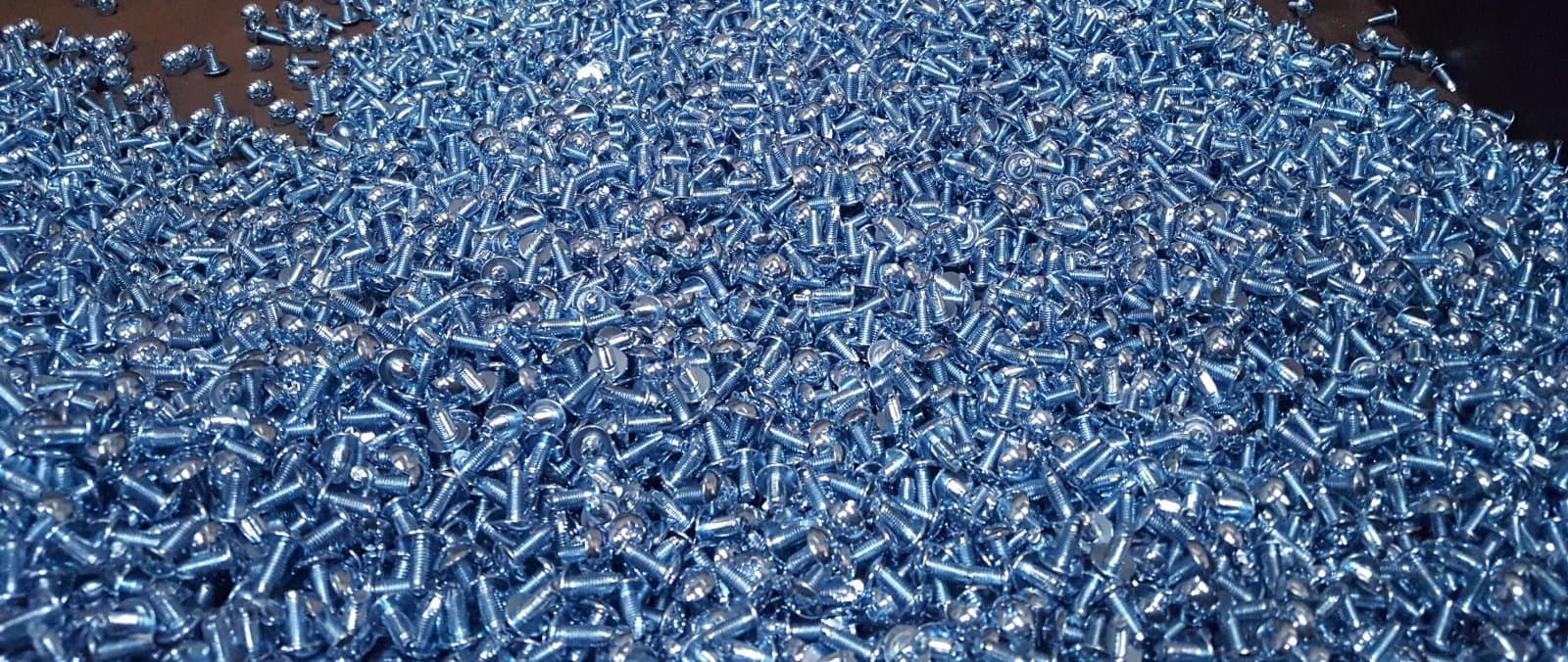
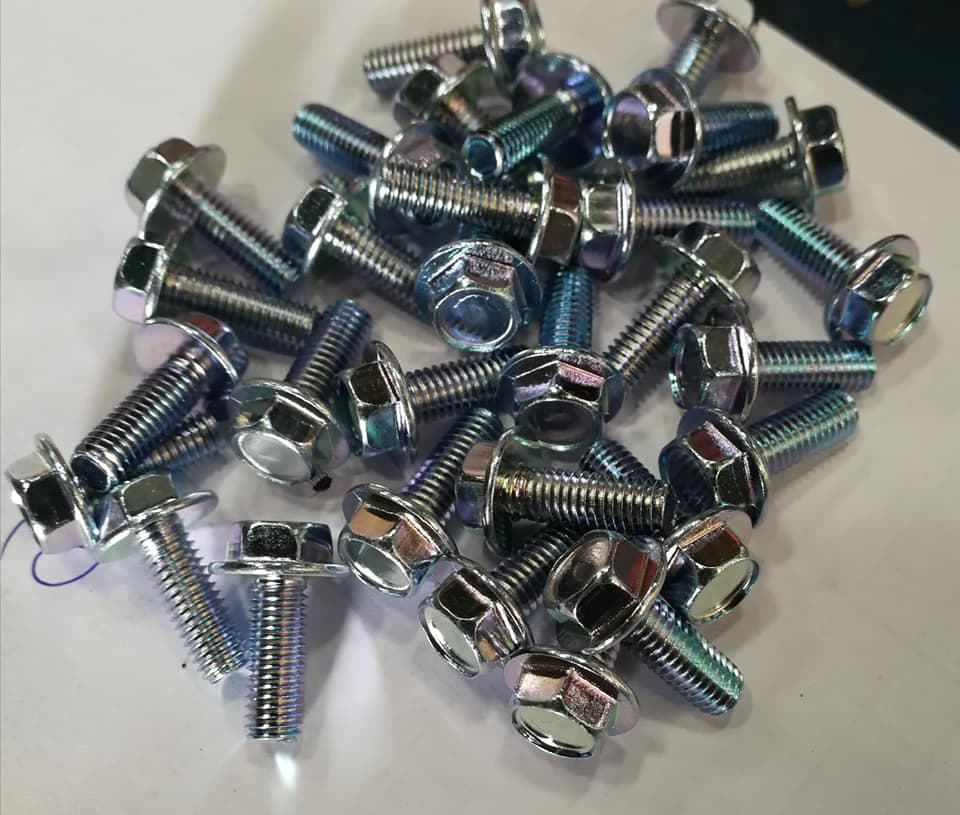
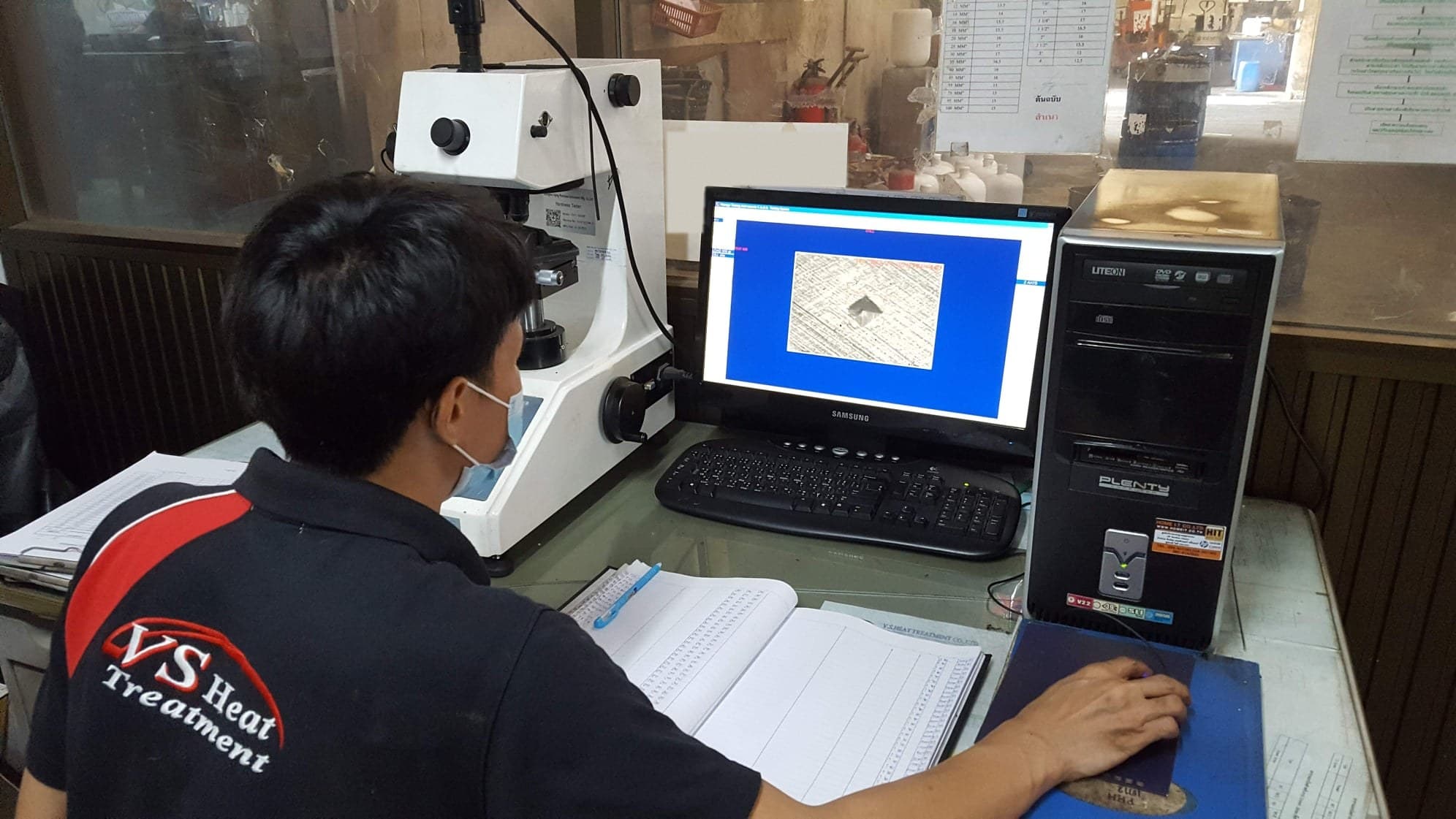
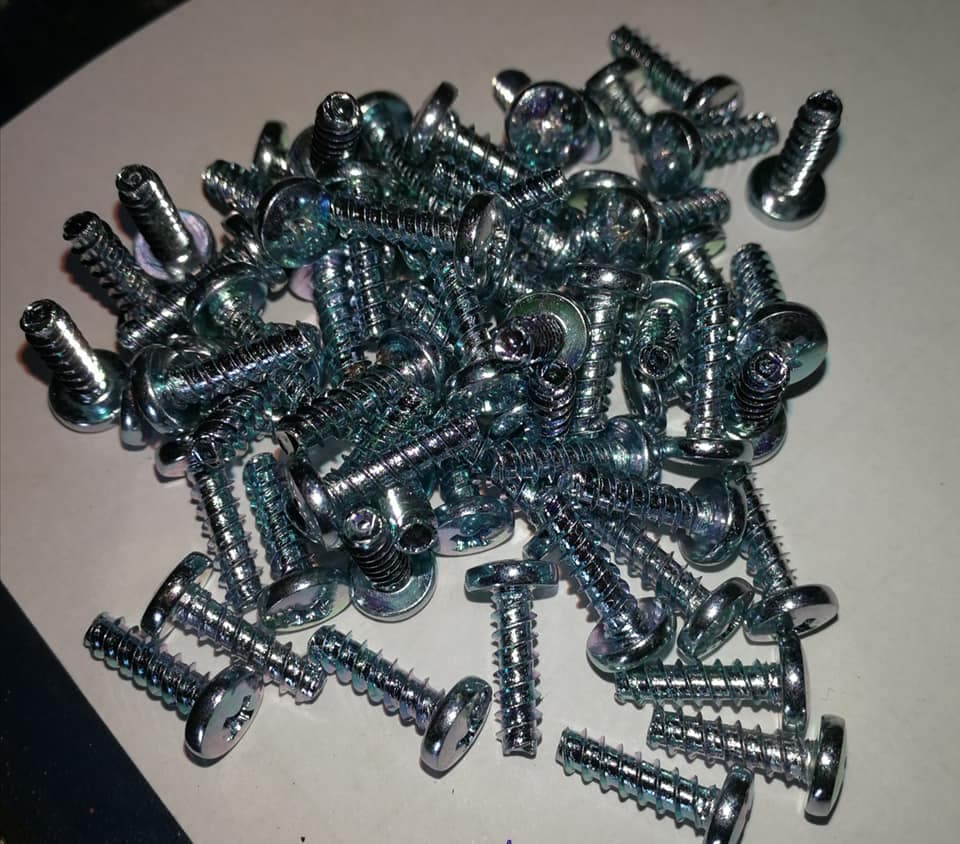
A plant whose parent company sits in Tokyo, Shenzhen or Ulsan usually runs incoming inspection against two things at once — the numbers on the drawing, and a retained sample that says what the part is supposed to look like. The numbers we can argue about productively: hardness has a range, coating thickness has a measurement, salt spray has a stated requirement, and all three are in the glance table and in the records that go back with the lot. Appearance is the one with no units, and it is where a lot actually gets stopped. So here is our honest position on it, in advance rather than after a rejection. Trivalent-chromium passivated zinc is a process, not a colour chip. Its shade moves with the age and chemistry of the bath even while both stay inside their control limits, with the coating thickness, and with what is underneath: a cold-headed screw and a machined part cut from the same steel do not take zinc identically, and a part that has been hardened and cleaned before plating starts from a different surface than one that has not. Small parts are processed in bulk, which means they move against each other while they are being processed — that is what gives a bulk-finished fastener the look it has, and it is also why two loads of the same part number come back alike rather than identical. There is one specific trap worth naming, because it arrives on drawings constantly: a callout that says “yellow chromate” is describing a hexavalent-chromium passivate. We plate zinc and passivate it with trivalent chromium. A trivalent passivate can be run clear, blue or iridescent, but it is a different chemistry and it should never be specified as a colour match to the old hexavalent finish — if your customer is revisiting that callout because of a restriction on hexavalent chromium, that is exactly the moment to separate the two questions rather than merge them. So: tell us what the finish has to DO, as a corrosion requirement, and tell us separately what it has to LOOK like. What we can be held to is the process and the things with numbers on them. What we can agree, and would rather agree before the first production lot than after it, is a reference sample held at both ends, replaced on a stated cycle, looked at under a stated light, with a written rule about which criterion wins when the colour and the corrosion requirement disagree. And what we will not do is take work we do not run: no decorative chromium plating, no nickel or electroless nickel, no paint or powder coating, and no colour matching to a paint reference. If that is what the drawing wants, we say so at quotation and you have lost a conversation instead of a lot.
Services for factories in this estate
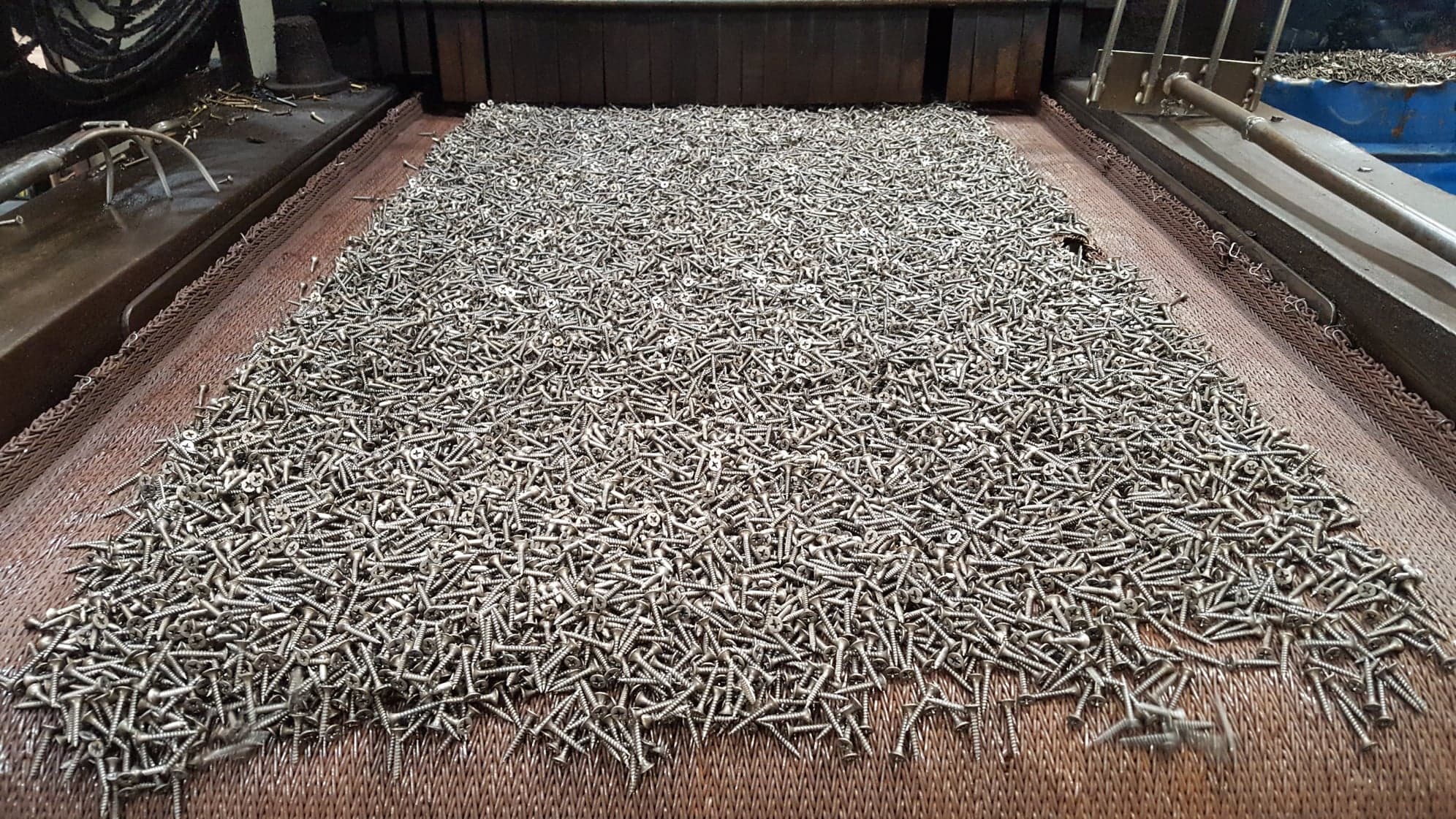
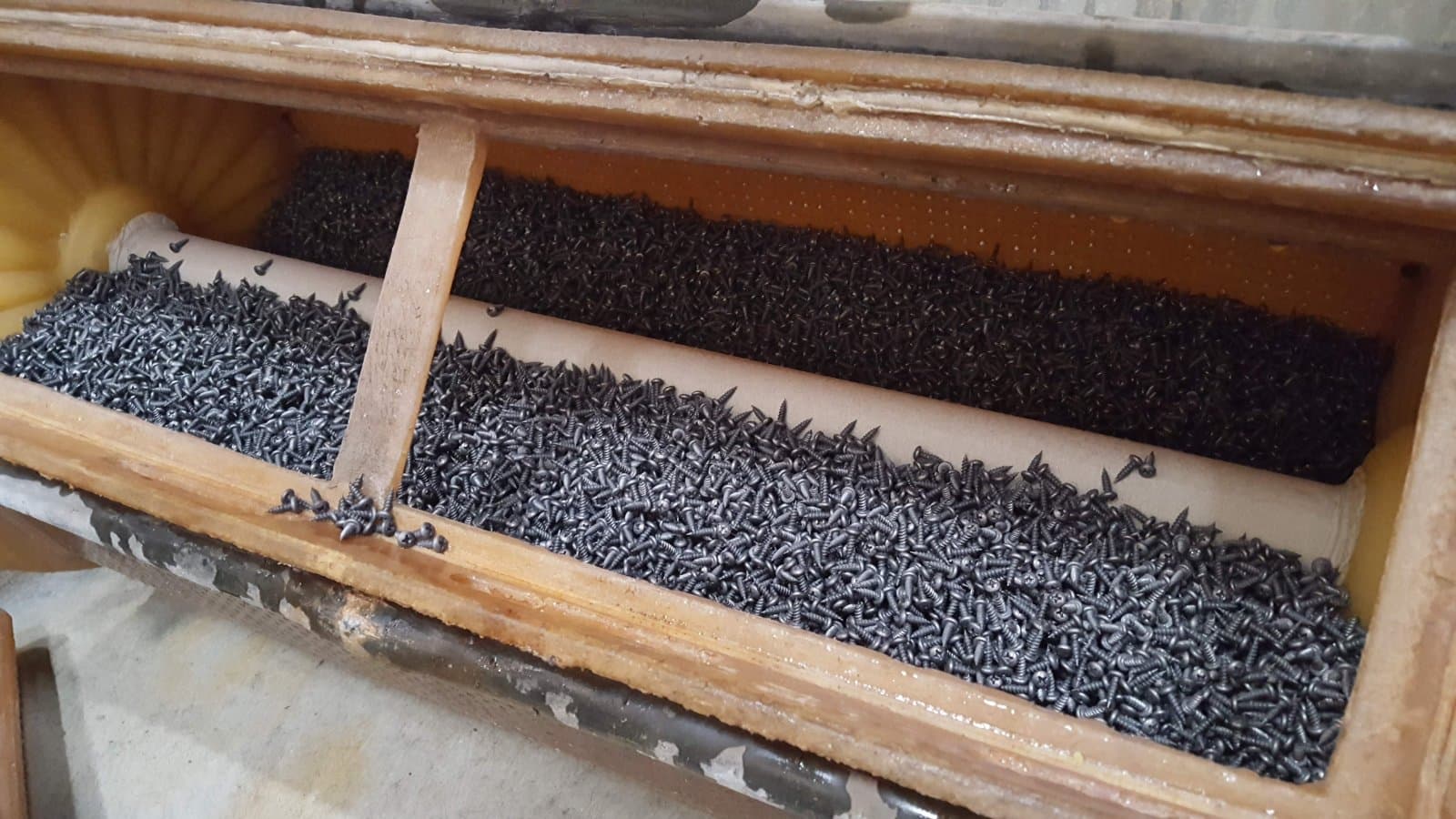
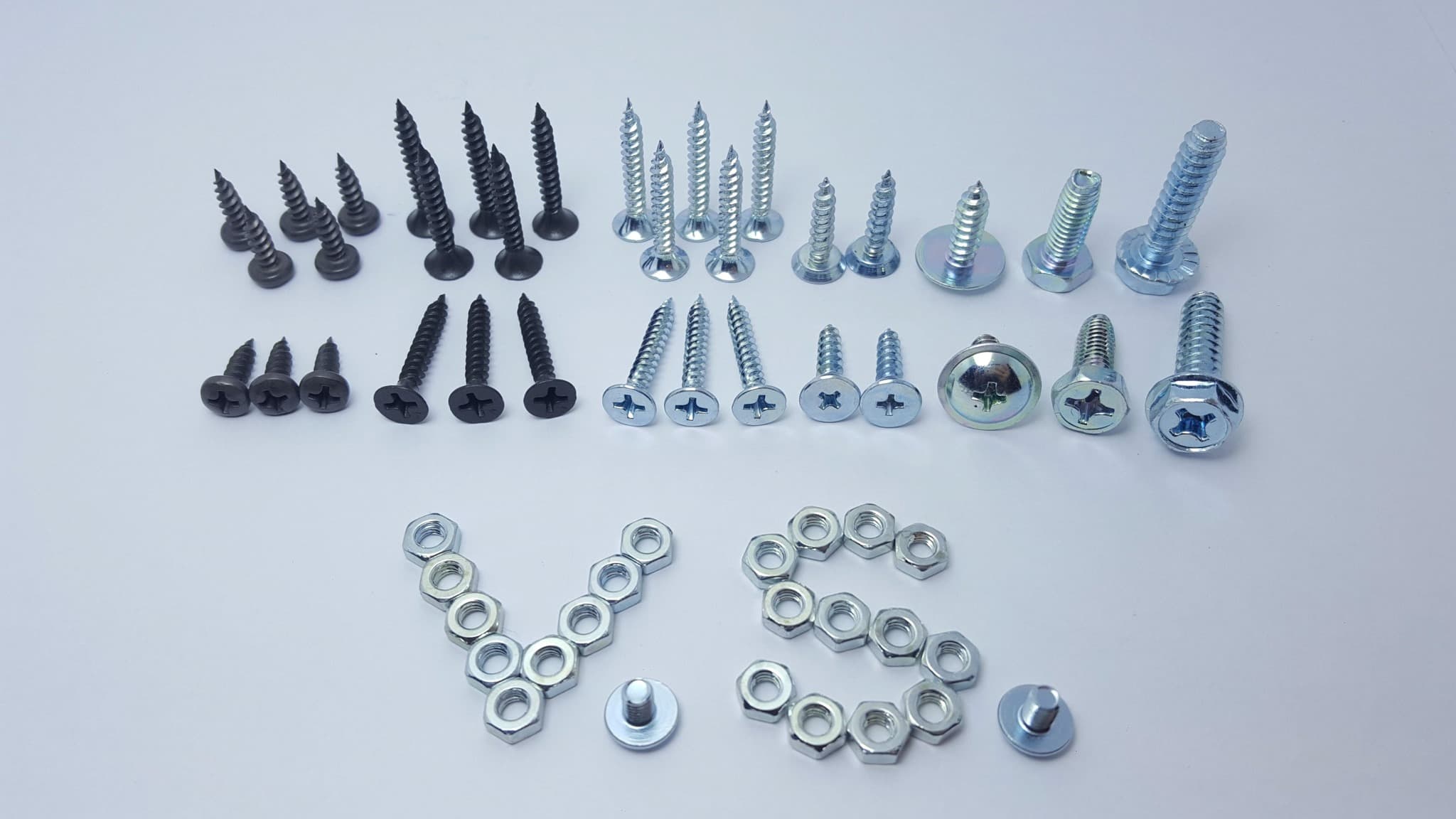
Hardening, Cr3+ zinc plating, phosphate coating and in-house lab testing, all on small parts at bulk volume.
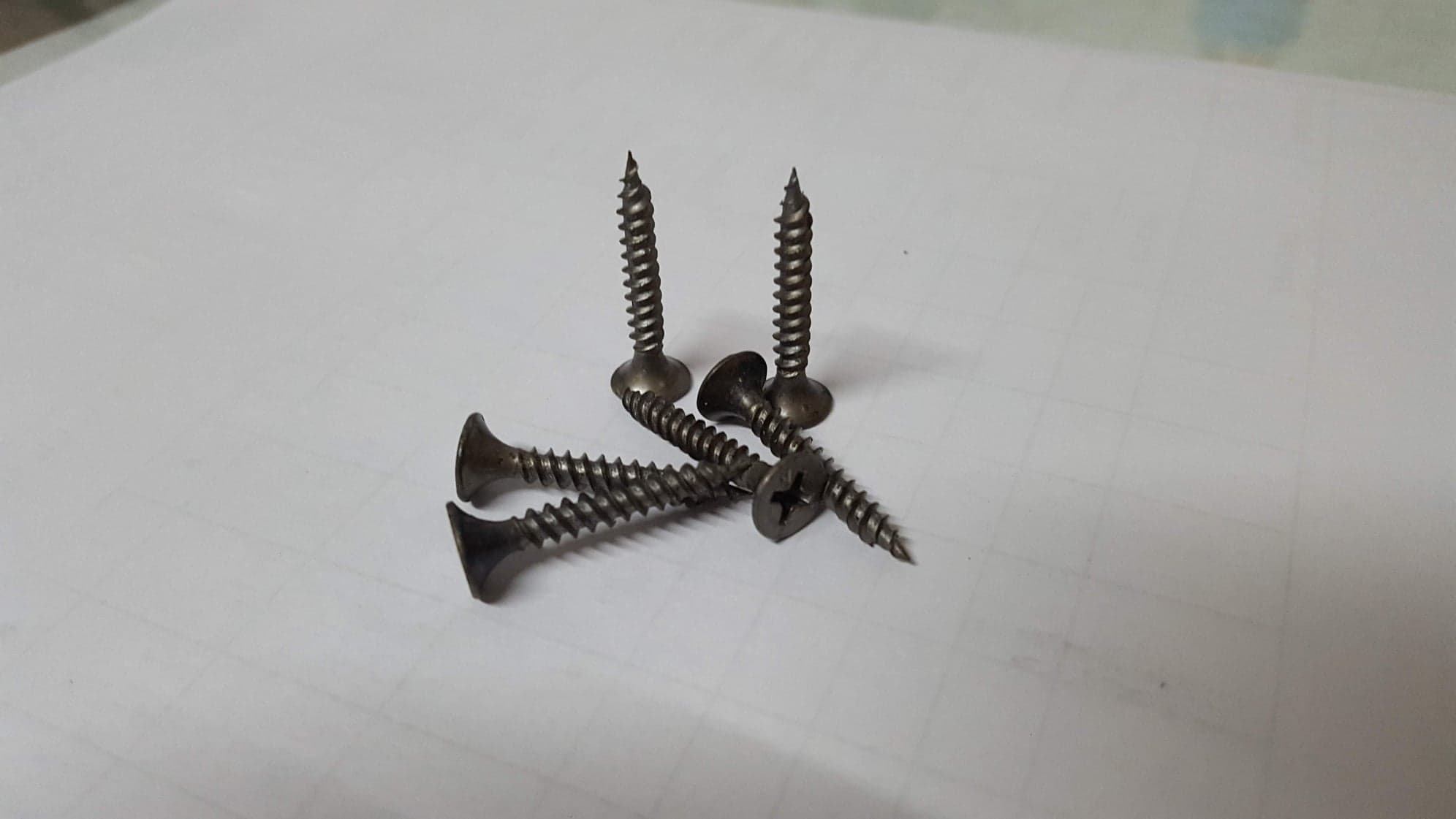
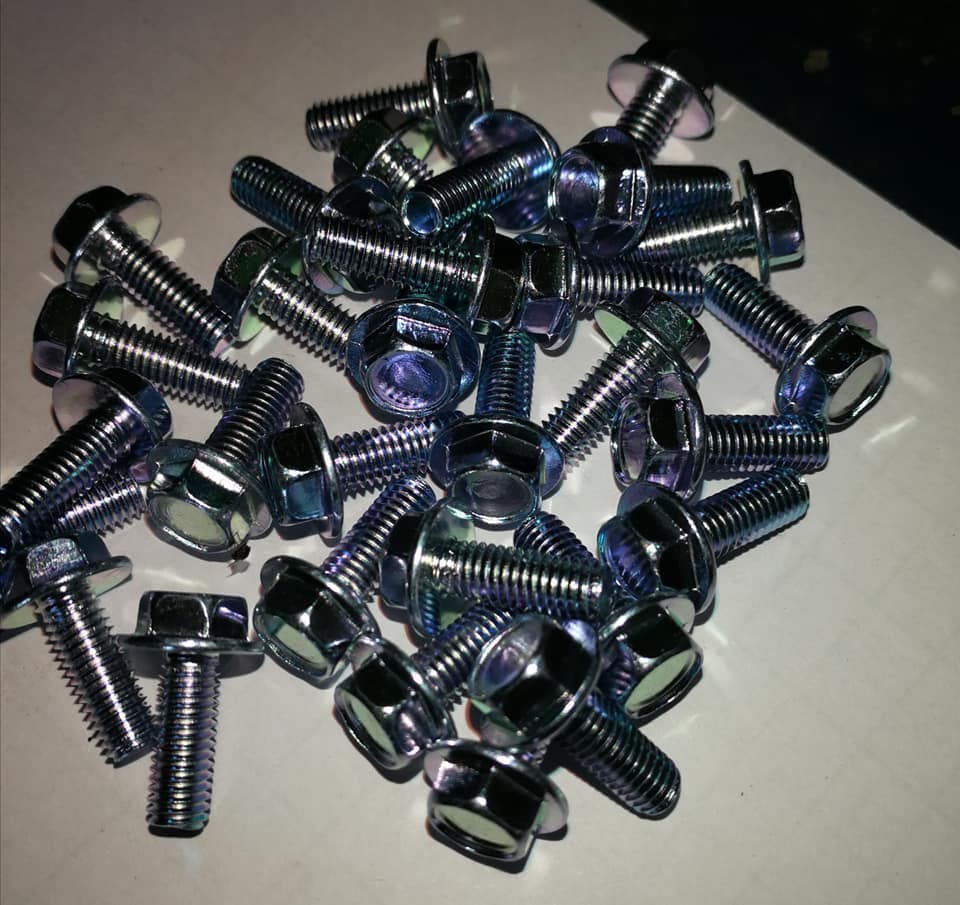
Steel grades behind those parts
End markets on this estate
Each end market has its own spec drivers — property classes, salt-spray hours, governing standards.
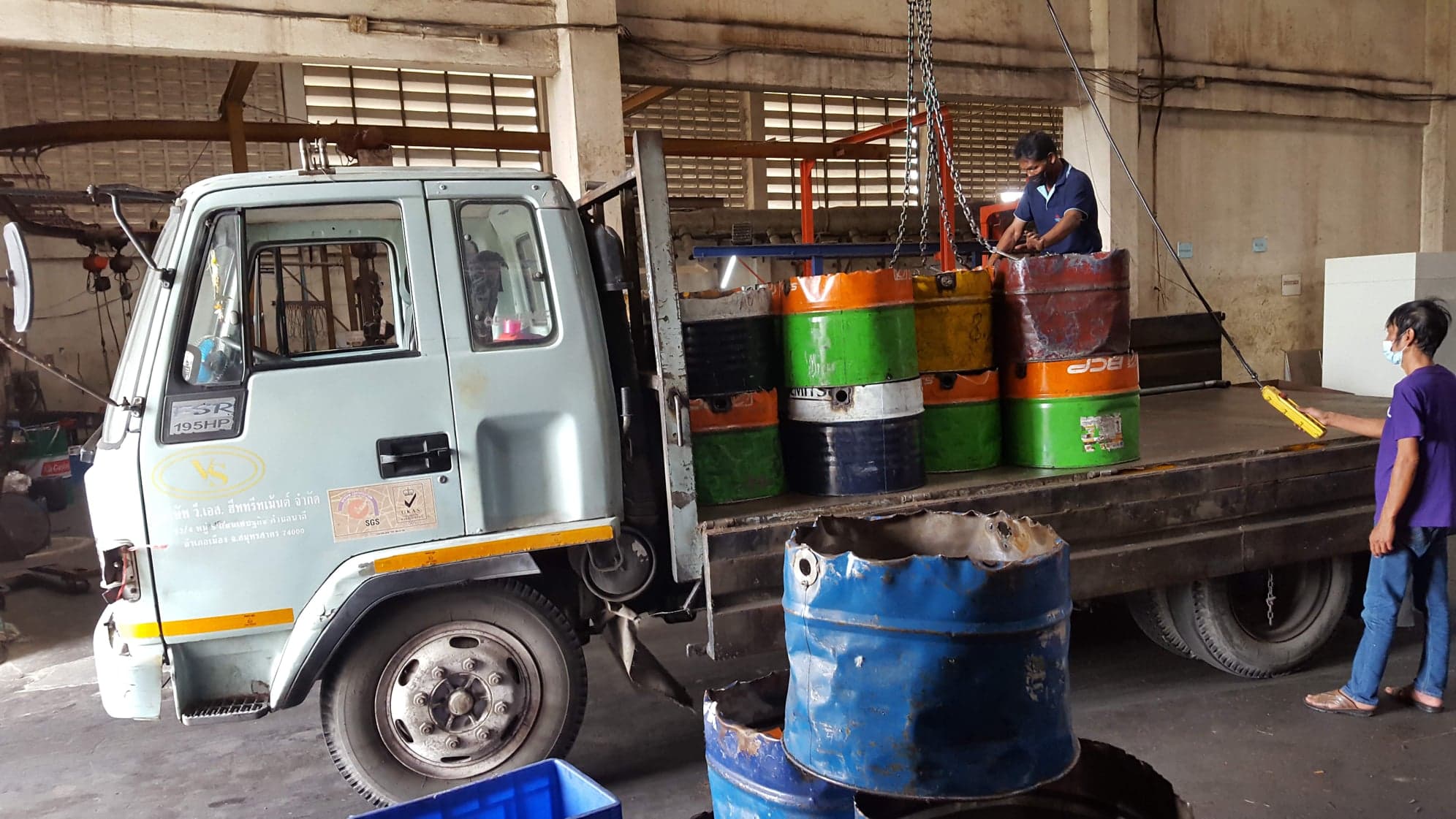
Two rows on the glance table are blank and both have short answers. The road here is Highway 304, which is not one of the eight highways this table names — our page for the Kabin Buri zone sets out why at length and there is no reason to repeat it here. The port row is blank because this is inland ground: a box from here can head for Bangkok or run down toward the eastern seaboard, and which gateway it uses is your forwarder’s booking rather than a property of the estate. What is worth the space instead is the thing that follows from everything above: a lot rejected on appearance has usually been marked AFTER it was finished, not while it was being finished. Finished small parts that ride loose against each other in a half-full container arrive rubbed, and nobody can tell afterwards whether the mark came from our barrel or from the road. One drawing number and one lot per container, packed so the parts cannot travel inside it, is most of the problem solved. Two more: leave the oil on phosphated and black-oxided parts — the oil is part of the finish, and wiping a sample clean to look at the colour changes both the colour and the protection — and remember that we look at parts under our own light before they are packed while your incoming bay has different lamps. Two honest people inspecting the same lot under different lighting will disagree, which is precisely why the viewing condition belongs in the agreement rather than in an argument. Collection and delivery are arranged per lot and confirmed with sales when the job is booked, and we reply to quotations within 24 hours.
Questions we get from this estate
Is Hi-Tech Kabinburi an IEAT industrial estate?+
Yes. It appears in the Industrial Estate Authority of Thailand’s own register of operating estates, and it is there as a joint operation — developed and run with a private developer rather than by the Authority itself. That is what the Yes in the row above means, and it is a designation rather than a description of quality. It also marks the difference between this page and our page for the Kabin Buri zone as a whole, where the same row is deliberately blank because that district mixes designated estates with a privately developed park. What the designation changes for a finishing job is almost nothing about the metal and something about your paperwork and your gate: if goods moving in and out of your plot carry a procedure, tell sales when the job is booked so the lot is identified the way your gate expects.
Our parent company inspects incoming lots against a retained sample. Can you guarantee this lot will match the last one?+
Not as a colour, and we would rather say that now than discover it with you at your incoming bay. Trivalent-chromium passivated zinc shifts in shade with bath age and chemistry inside the control limits, with thickness, and with the surface underneath it, and small parts finished in bulk move against each other while they are processed. What we can be held to is the process and the measurements: coating thickness, hardness, and salt spray where your customer imposes it, recorded against the lot they came from. What makes the appearance criterion workable is agreeing it like a specification — a reference sample kept at both ends, a stated replacement cycle so it does not age into a different standard, a stated viewing condition, and one written line saying whether the colour or the corrosion requirement governs when the two disagree. Agree that before the first production lot and a difference becomes a measurement instead of an argument.
The drawing says yellow chromate. Can you do it?+
We plate zinc and passivate it with trivalent chromium, Cr3+. The classic yellow is a hexavalent-chromium passivate — a different chemistry, and not something a trivalent process reproduces as a colour match. A trivalent passivate can be run clear, blue or iridescent, and iridescent is usually what people mean when they ask, but it should be specified as a passivate type plus a corrosion requirement, not as “the same yellow as before”. Tell us two things separately: the corrosion requirement the finish has to meet, and whether your customer has a restriction on hexavalent chromium that is the real reason the callout is being revisited. We will tell you what a Cr3+ system will and will not give you before the lot runs rather than after it.
We want the part black. Black oxide or black zinc?+
It depends on what the black is for. Black oxide is a conversion coating: it grows out of the steel rather than building on top of it, so it adds effectively nothing for the thread to gauge through and it suits close-fitting parts. On its own it offers little corrosion protection — it works together with the oil or wax carried over it, which is why that film must not be wiped off. A black-passivated zinc is a plated, sacrificial coating whose protection is described by the salt-spray requirement you set, but it adds thickness the thread has to be checked for, and its depth of black varies more than people expect from a coating. If corrosion is the point, zinc. If dimensions and a matt finish are the point, black oxide. Say which at quotation and the route is set to it; discovering it afterwards costs a lot, in both senses.