
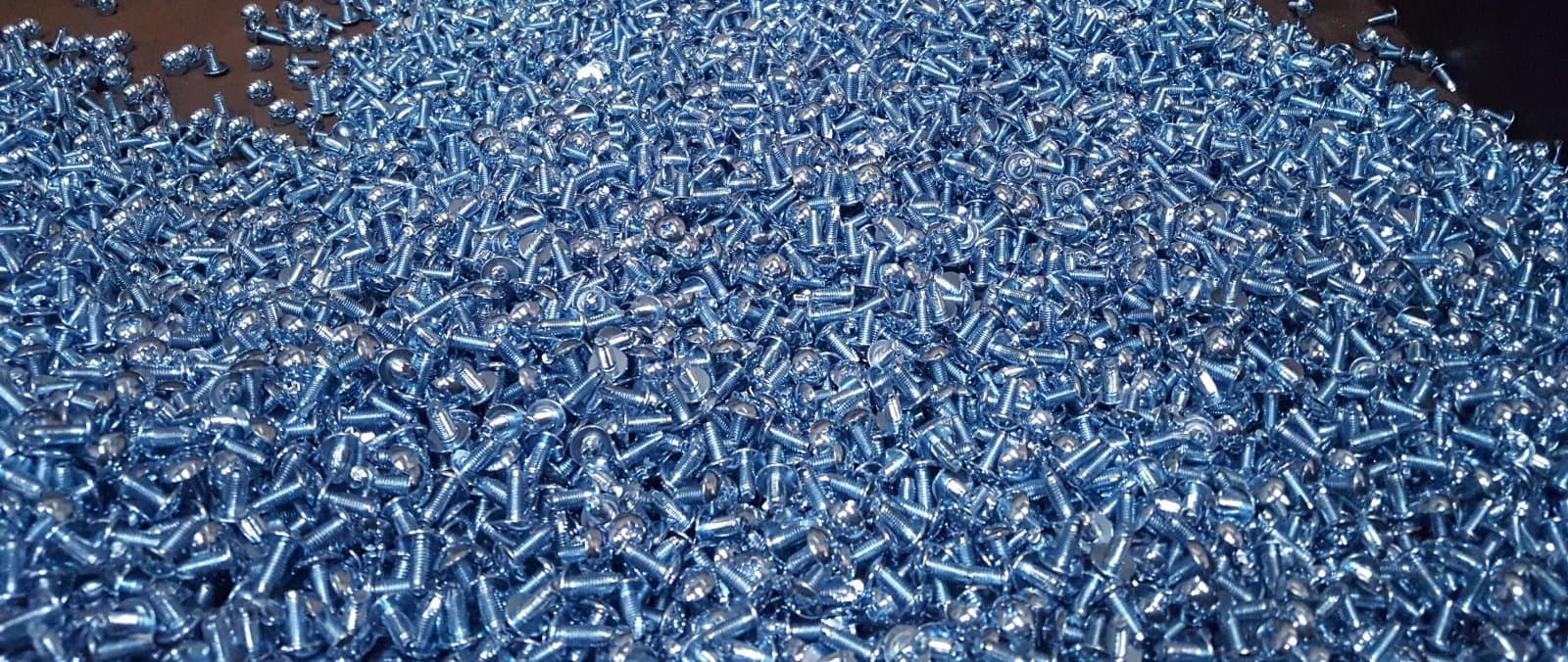
Small-part finishing for factories in Map Ta Phut Industrial Estate
Map Ta Phut is not an automotive estate. The small parts that leave it are stud bolts, nuts and the hardware that holds pipework and steelwork together — and that is what this page is about.
We run one plant, and it is in Samut Sakhon. This page covers collection and delivery for customers in Rayong — it is not a branch or a facility in Rayong.
This estate at a glance
| Province | Rayong |
|---|---|
| Road corridor | Motorway 7 and Sukhumvit Road (Highway 3) |
| Nearest sea port | Map Ta Phut Port |
| IEAT-designated | Yes |
| Eastern Economic Corridor | Yes |
| Industry mix | steel & metalworking, machinery, general manufacturing & SMEs |
Reviewed:
What this estate is
Map Ta Phut sits in Mueang Rayong and is operated directly by the Industrial Estate Authority of Thailand rather than by a private developer, inside the Eastern Economic Corridor. Its plants are petrochemical, refining, power generation and iron and steel, and the estate contains its own industrial port. The glance table above therefore records the mix as metalworking, machinery and general manufacturing — not because we think a refinery is a machine shop, but because this site’s end-market axis has no petrochemical entry and we would rather say so than file a refinery under a market it is not. What reaches a finisher from an estate like this is plant hardware, never process chemistry.
What this estate asks of a small part
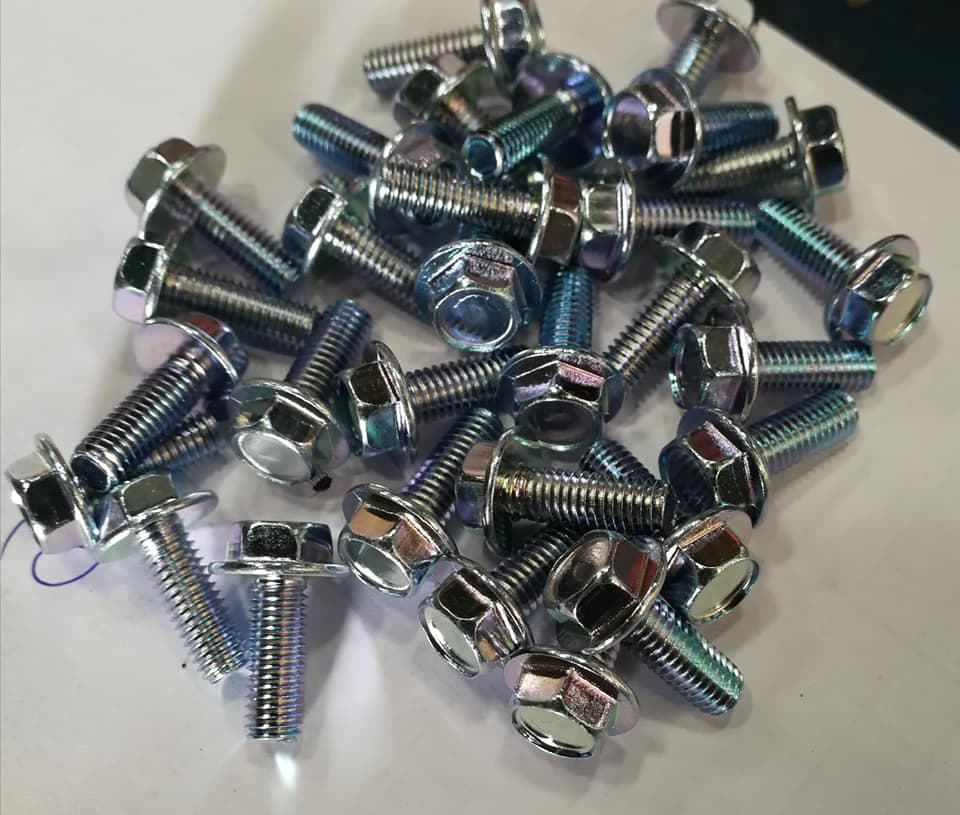
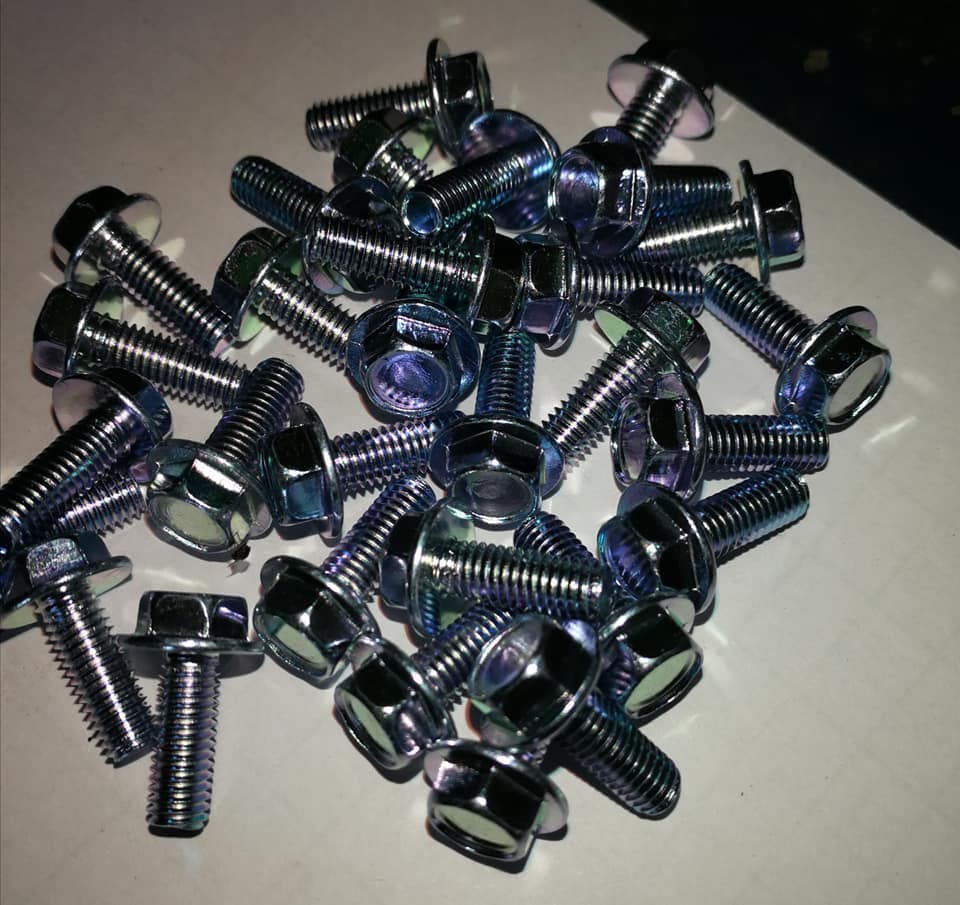
Process-plant work has a shape of its own. Most of it is stud bolts and nuts for flanged joints, plus the pins and fixings that carry pipe supports and structural steel. Those parts are torqued to a figure, and they come off and go back on during a shutdown, so three things govern: hardness held inside the band the property class sets, a thread that still runs down after coating, and a surface that does not gall as the joint is pulled up. That is why manganese phosphate with oil is asked for so often on parts that are broken out and re-made, and why Cr3+ zinc appears where the drawing wants corrosion resistance it can measure. Where the class or the hardness crosses the ISO 4042 trigger we bake for embrittlement relief as the standard requires. We do not know what runs inside your system and will not guess on the drawing’s behalf — send the specification with it.
Services for factories in this estate
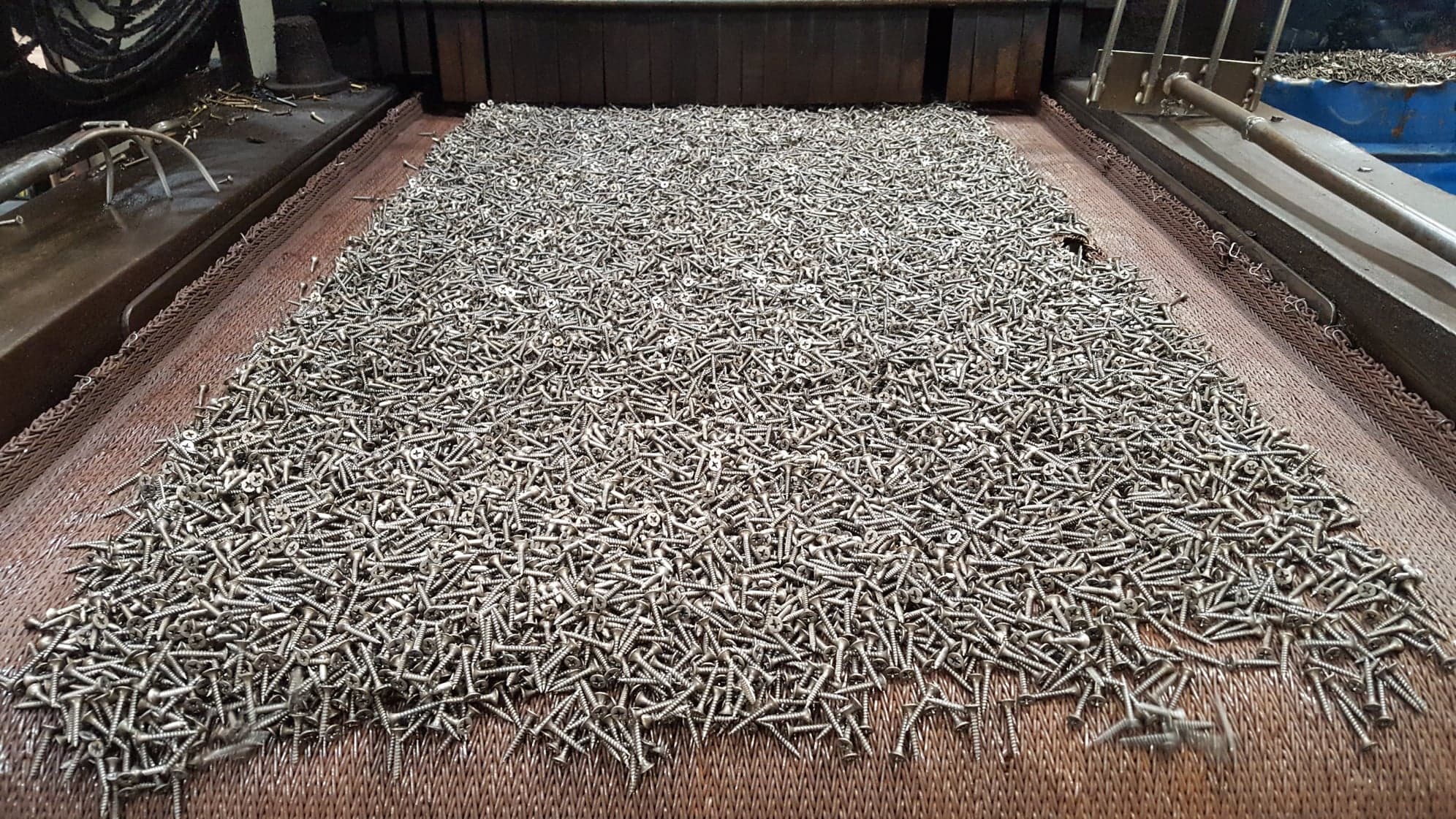
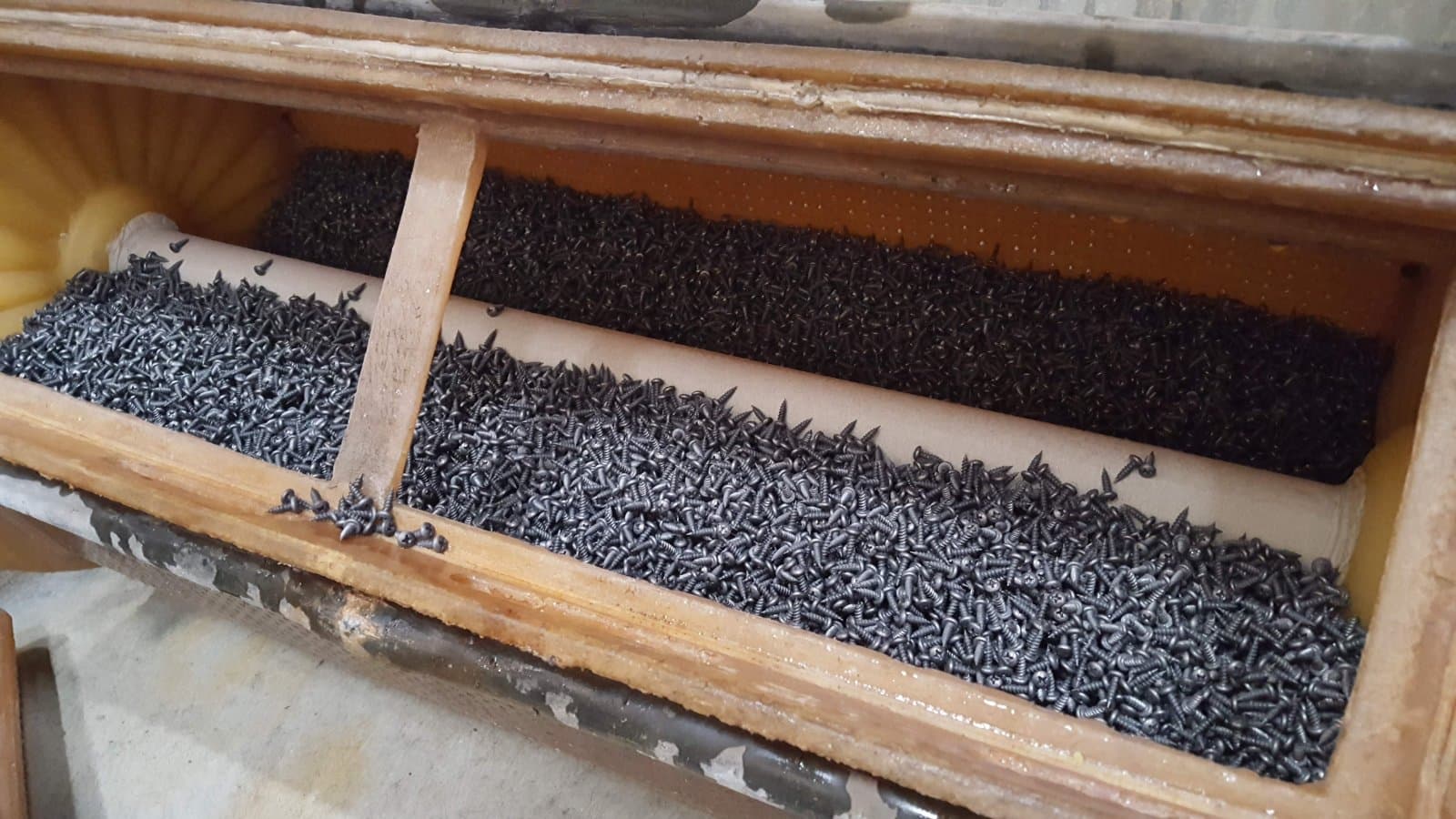
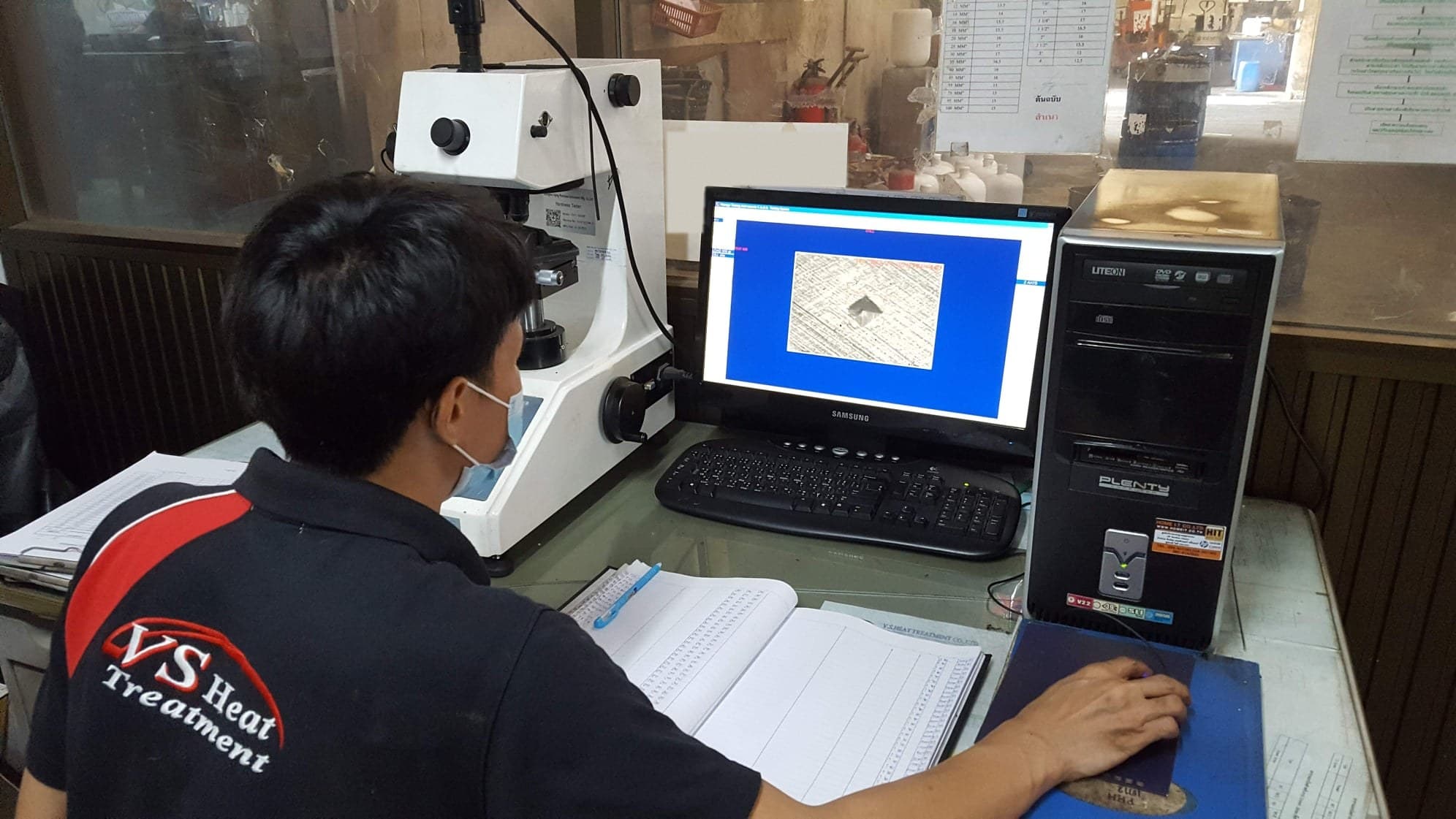
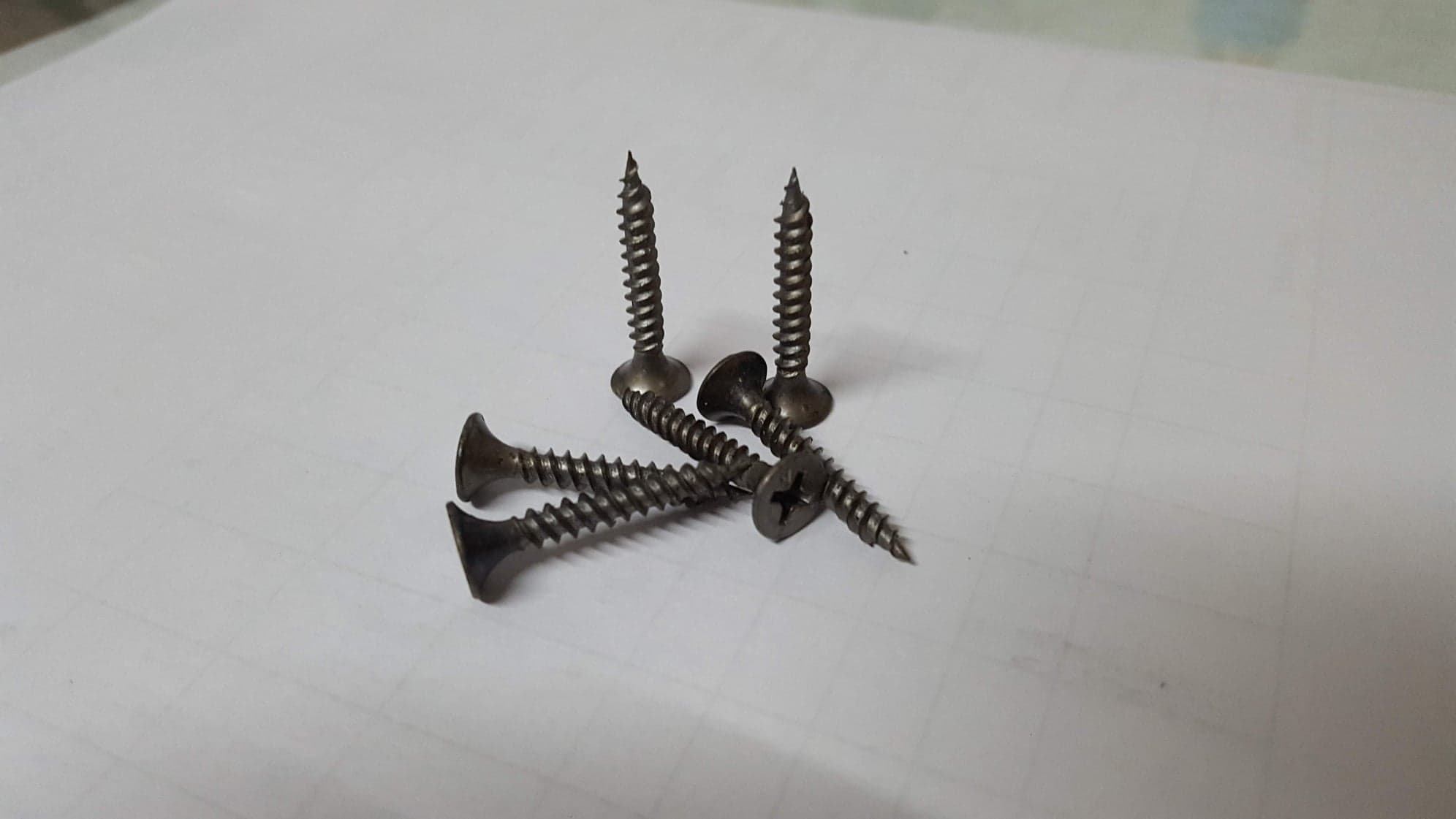
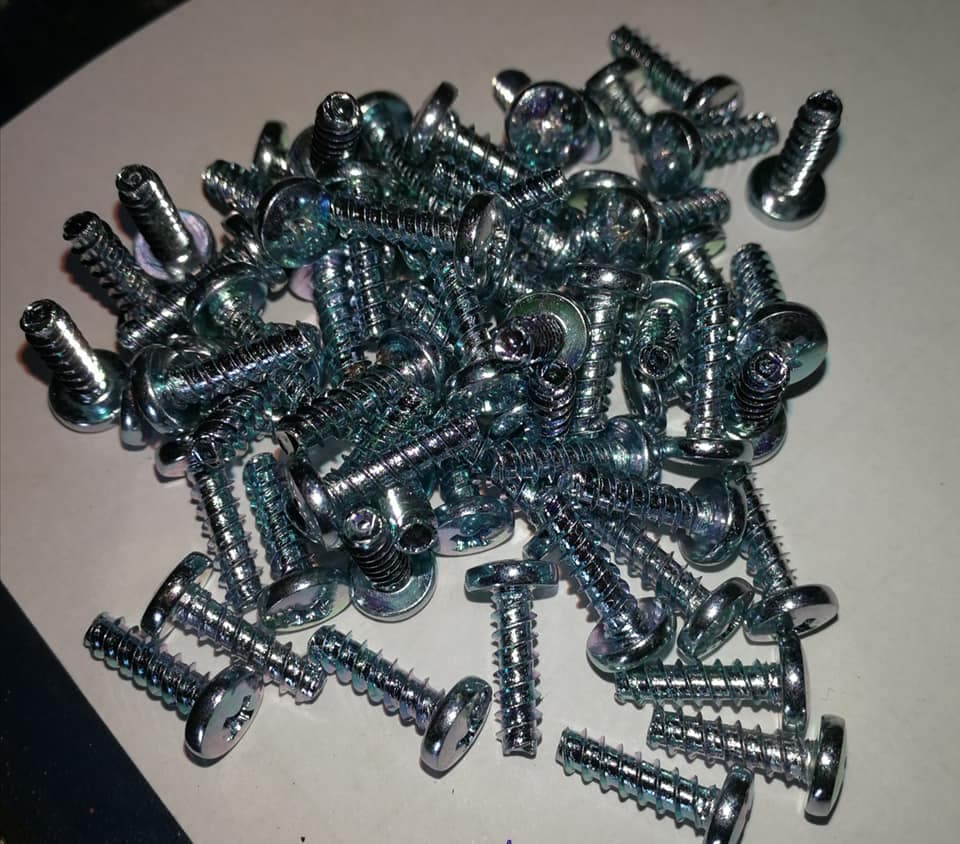
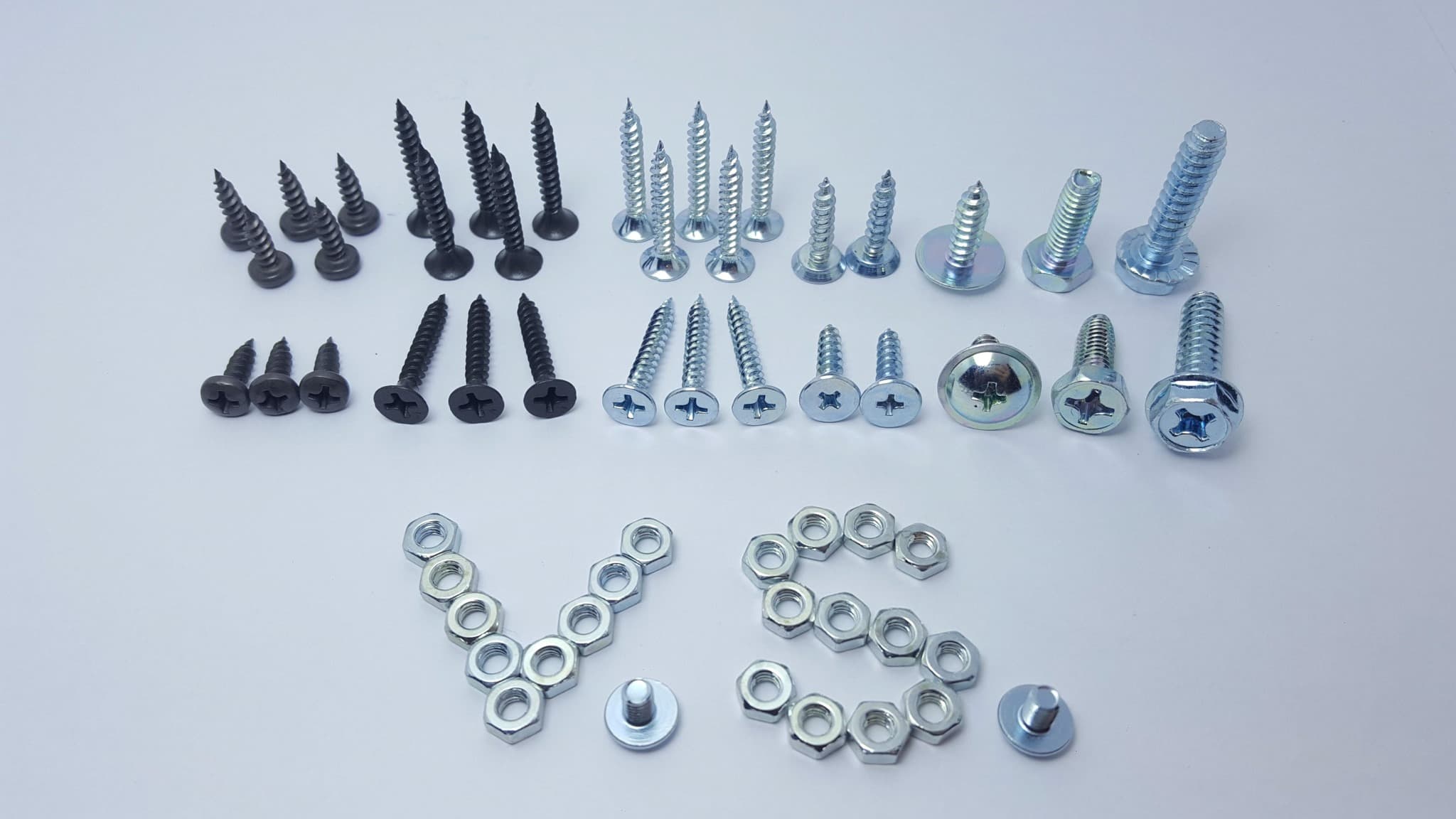
Hardening, Cr3+ zinc plating, phosphate coating and in-house lab testing, all on small parts at bulk volume.
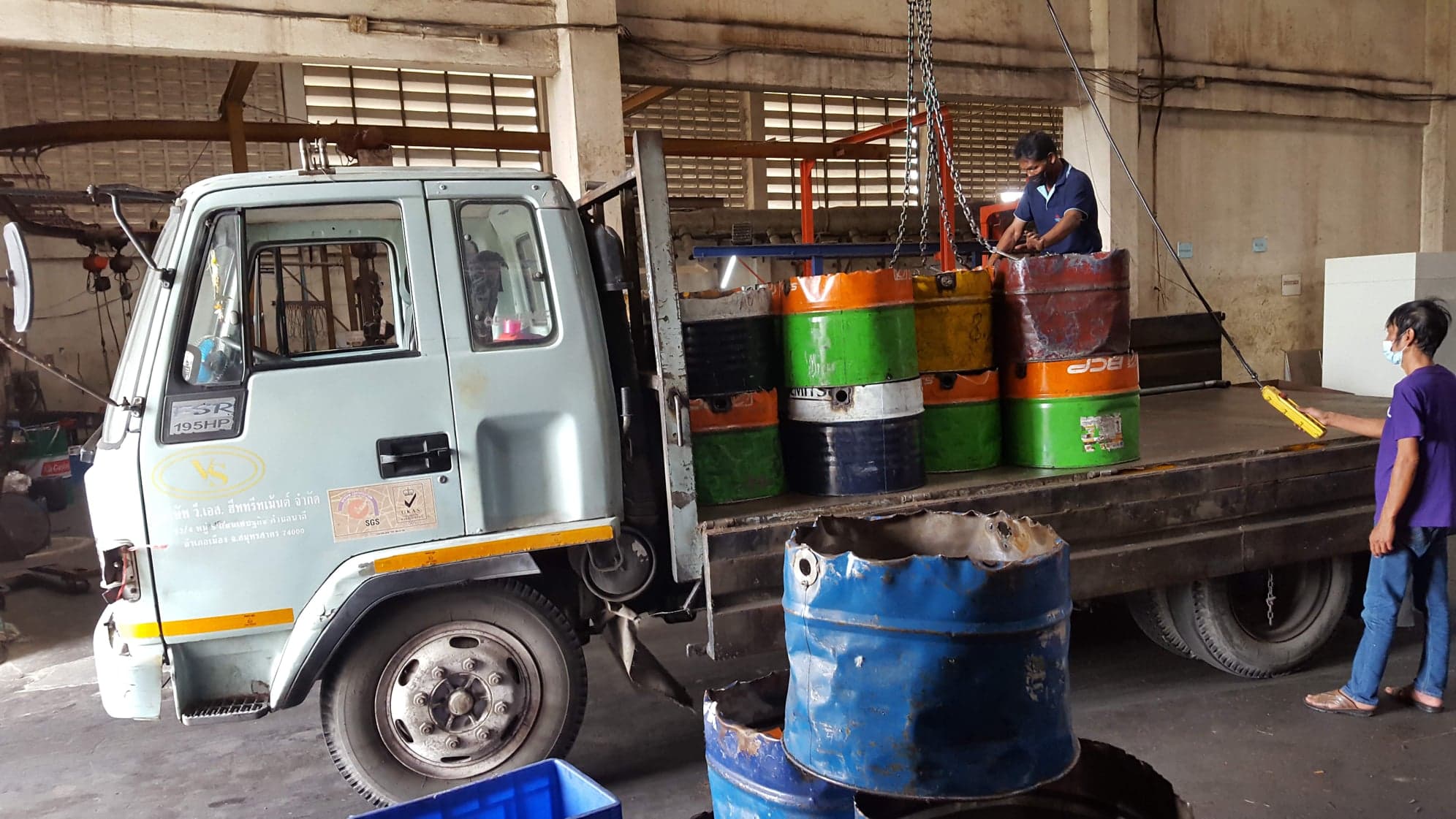
The estate takes Motorway 7 and Sukhumvit Road, and its nearest sea port is the Map Ta Phut industrial port inside the estate itself. Read that row carefully: it is a bulk and petrochemical port, not a container gateway, so a lot of yours that leaves in a container does not leave from here. Parts move between Map Ta Phut and our Samut Sakhon plant on the motorway and the outer ring. Collection and delivery are arranged per lot with sales, and no transit or completion time is published on this page.
Questions we get from this estate
Can you work inside our plant during a turnaround?+
No. We are a plant-based subcontractor: the furnaces, the plating lines and the laboratory are all in Samut Sakhon, so the parts have to come out to us as lots. If you have a shutdown window, tell sales at quotation and they will tell you how the queue can be booked — but we do not publish a completion time for any job on this website. The only time promise here is that we reply to your quote within 24 hours.
Our stud bolts are class 10.9. Which finish should we ask for?+
If it is electroplated, ISO 4042 calls for embrittlement-relief baking at class 10.9 and above, or at roughly 390 HV, starting as soon as possible after plating. On joints that are broken out and re-made many times, manganese phosphate with oil often answers the anti-galling question better and removes the electrolytic hydrogen source altogether. Either way your drawing and specification decide, not a house default of ours.