
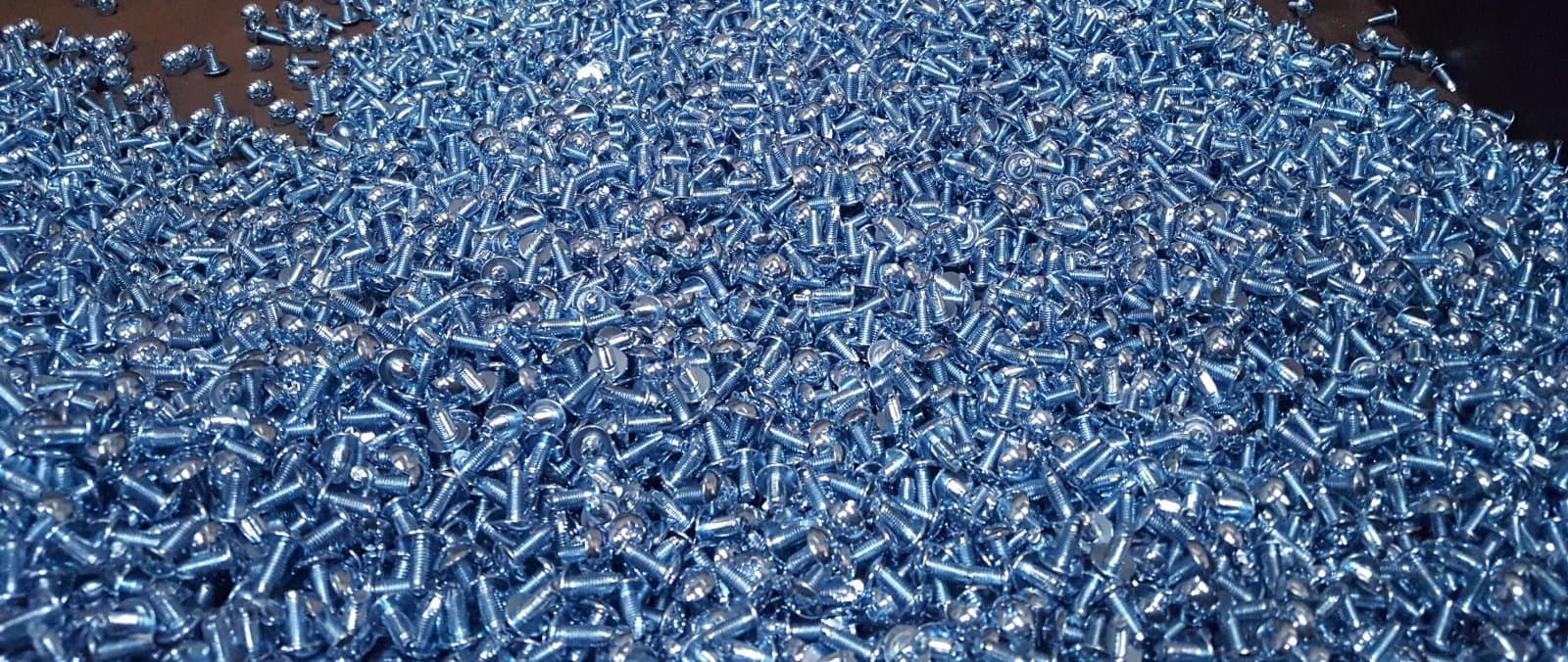
Small-part finishing for factories in Amata City Rayong
Amata City Rayong runs automotive and machinery together, which in practice means bolts specified by class and pins specified by wear — two different problems on one delivery note.
We run one plant, and it is in Samut Sakhon. This page covers collection and delivery for customers in Rayong — it is not a branch or a facility in Rayong.
This estate at a glance
| Province | Rayong |
|---|---|
| Road corridor | Highway 331 — Eastern Seaboard |
| Nearest sea port | — |
| IEAT-designated | Yes |
| Eastern Economic Corridor | Yes |
| Industry mix | automotive & parts, machinery |
IEAT-designated covers both estates operated by the Industrial Estate Authority of Thailand and joint-operation estates run with a private developer. A dash means we could not confirm a single status for the whole area — some of these names describe a factory district rather than one designated estate.
A dash in the port row means the estate sits inland between two ports and we will not guess which is nearer. Nothing on this page is a distance, a drive time or a delivery-time promise.
Reviewed:
What this estate is
Amata City Rayong is an IEAT joint-operation estate inland in the Pluak Daeng area of Rayong, on the Highway 331 corridor and inside the Eastern Economic Corridor. Its mix is the tightest on this list — automotive and machinery, with no electronics or food alongside them — and that concentration shows in what arrives: fasteners specified as a delivered property class, and machinery hardware specified for hardness and wear resistance. The port row is blank here for the same honest reason as its neighbours.
What this estate asks of a small part
Machinery parts are where grade choice stops being cosmetic. A dowel pin in bearing steel behaves nothing like the same pin in a plain carbon steel, and a spring is a heat-treatment problem long before it is a coating problem. Distortion is the recurring complaint: a long, slender part that is dimensionally perfect before hardening is not automatically perfect after it, and the fix lives in the route and the fixturing rather than in a re-test. Tell us the critical dimension and how it is gauged and we will tell you what the route does to it.
Services for factories in this estate
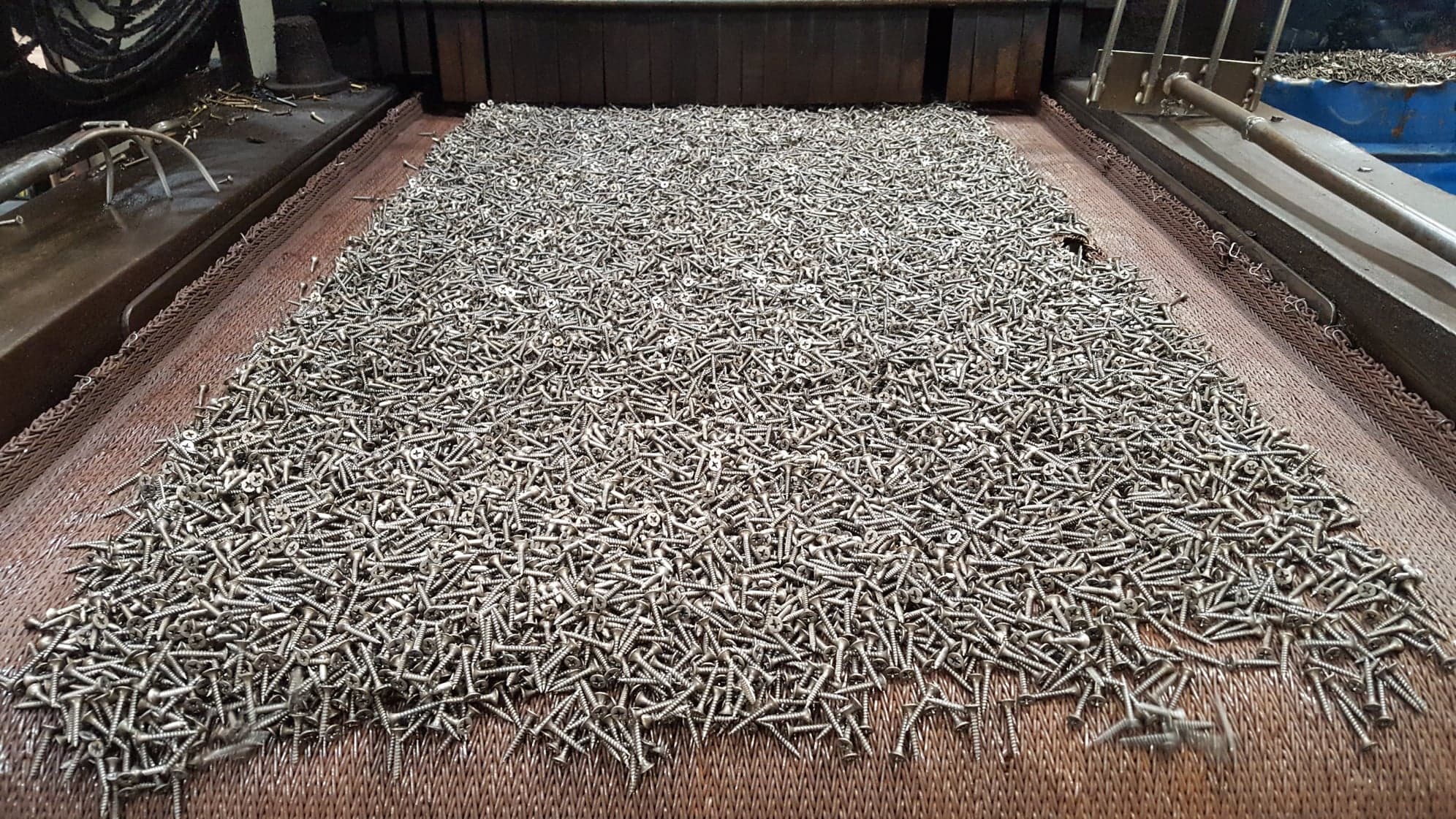
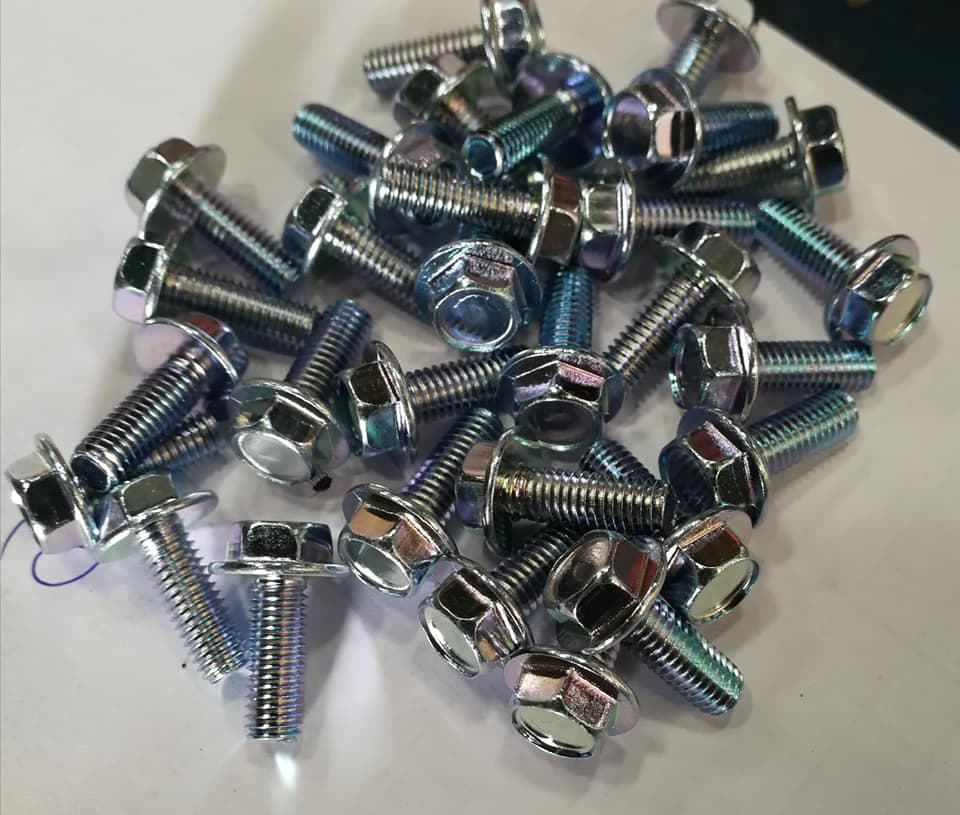
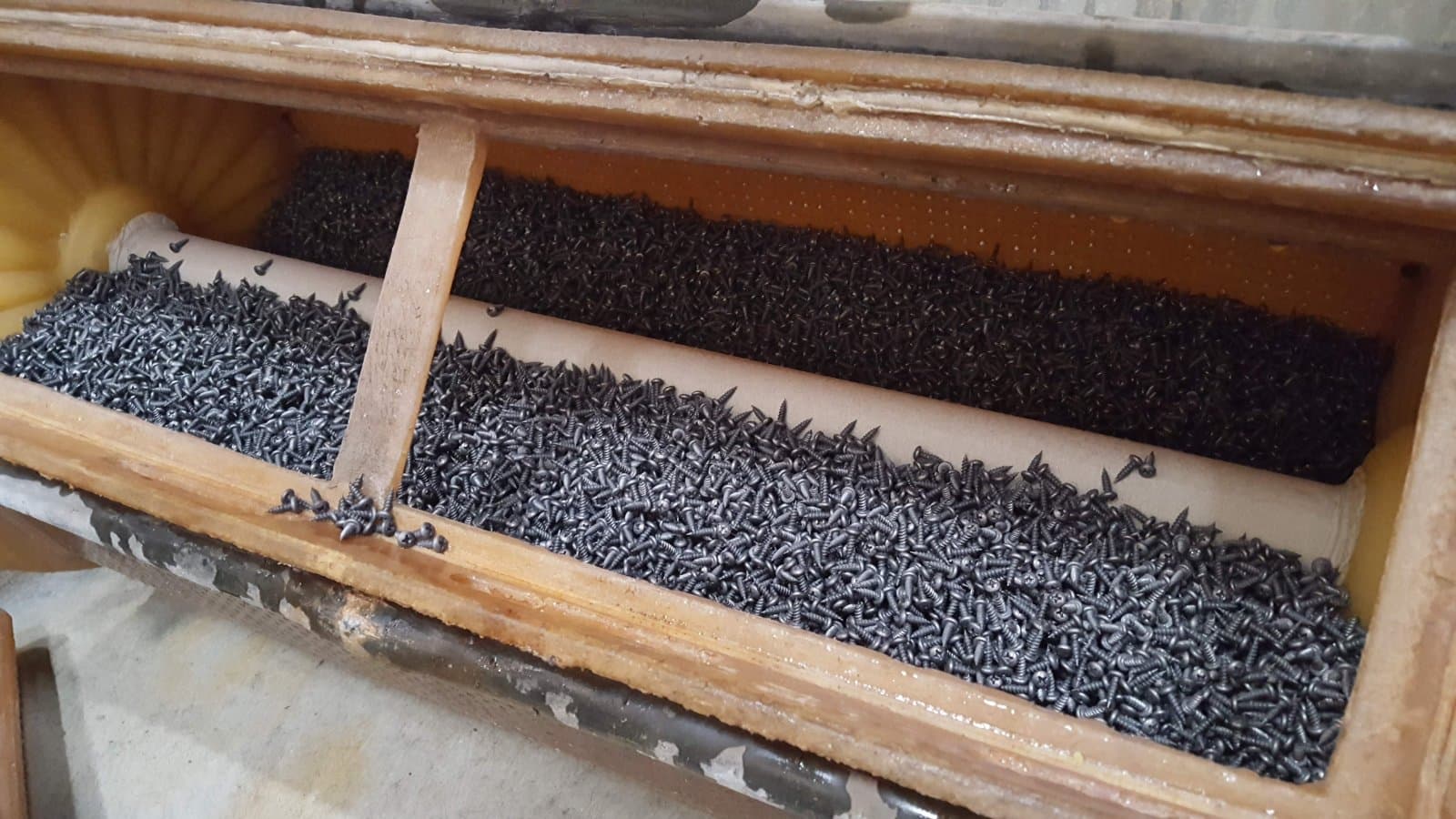
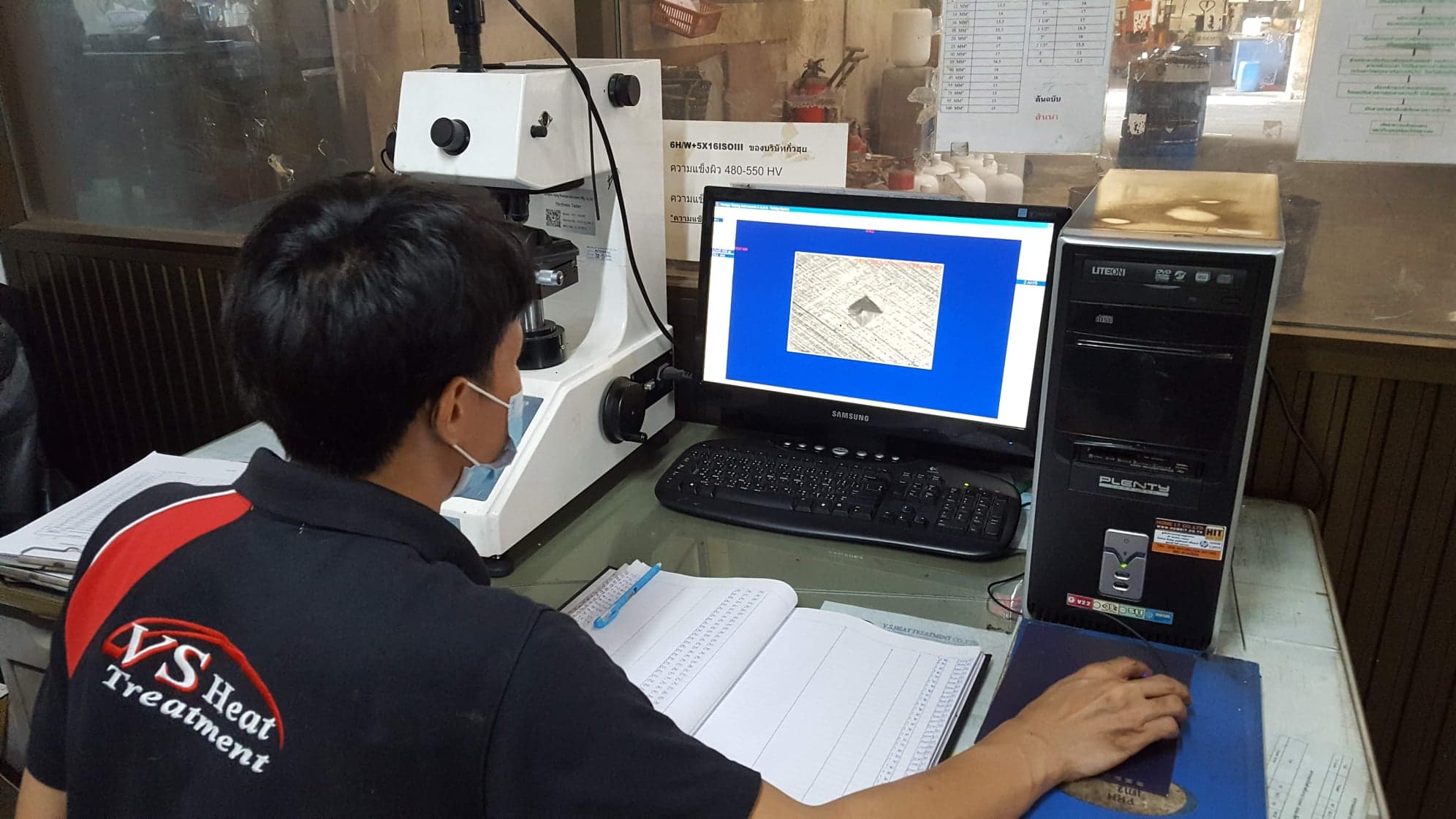
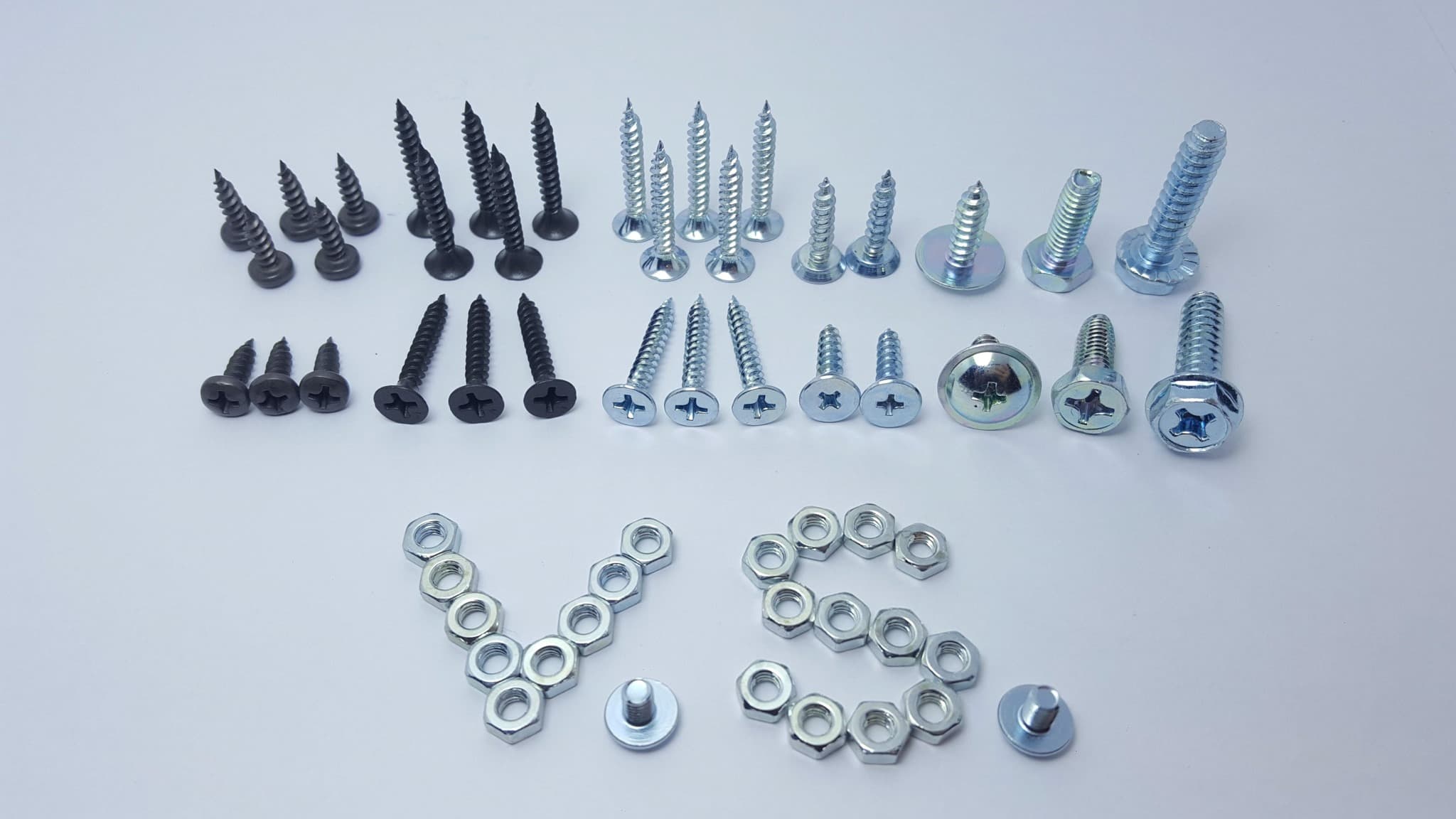
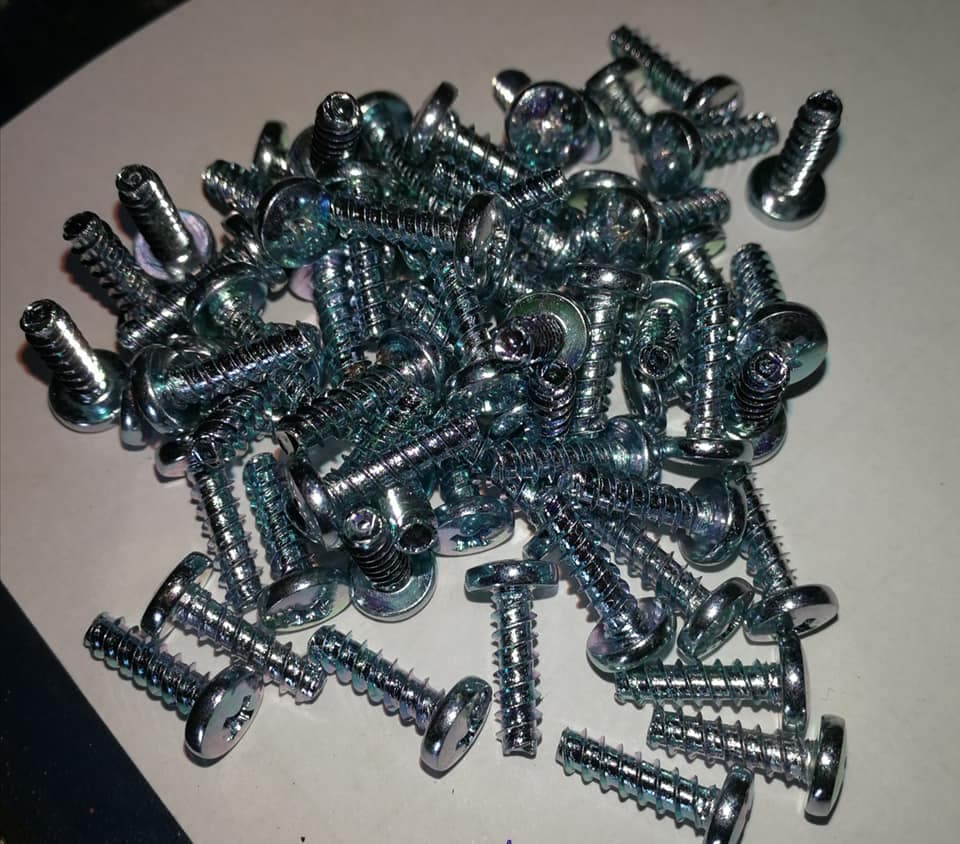
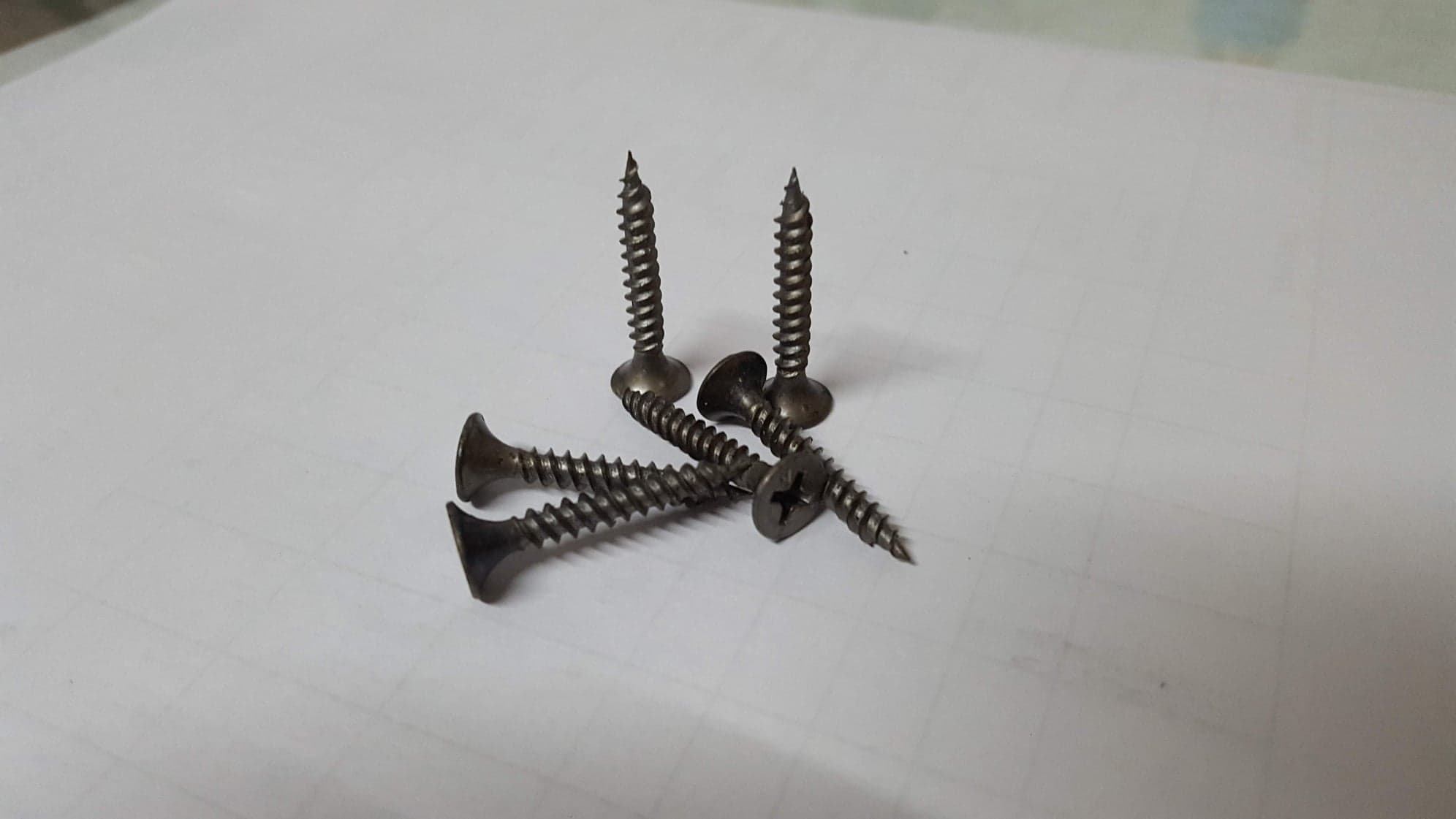
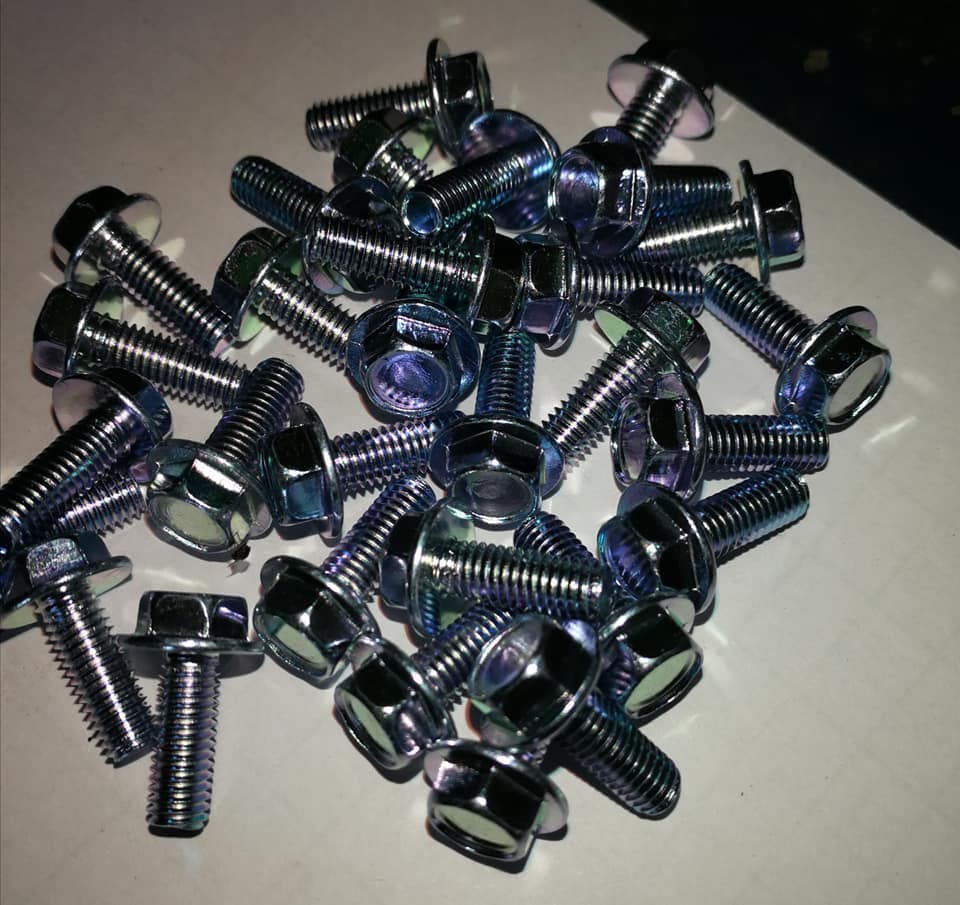
Hardening, Cr3+ zinc plating, phosphate coating and in-house lab testing, all on small parts at bulk volume.
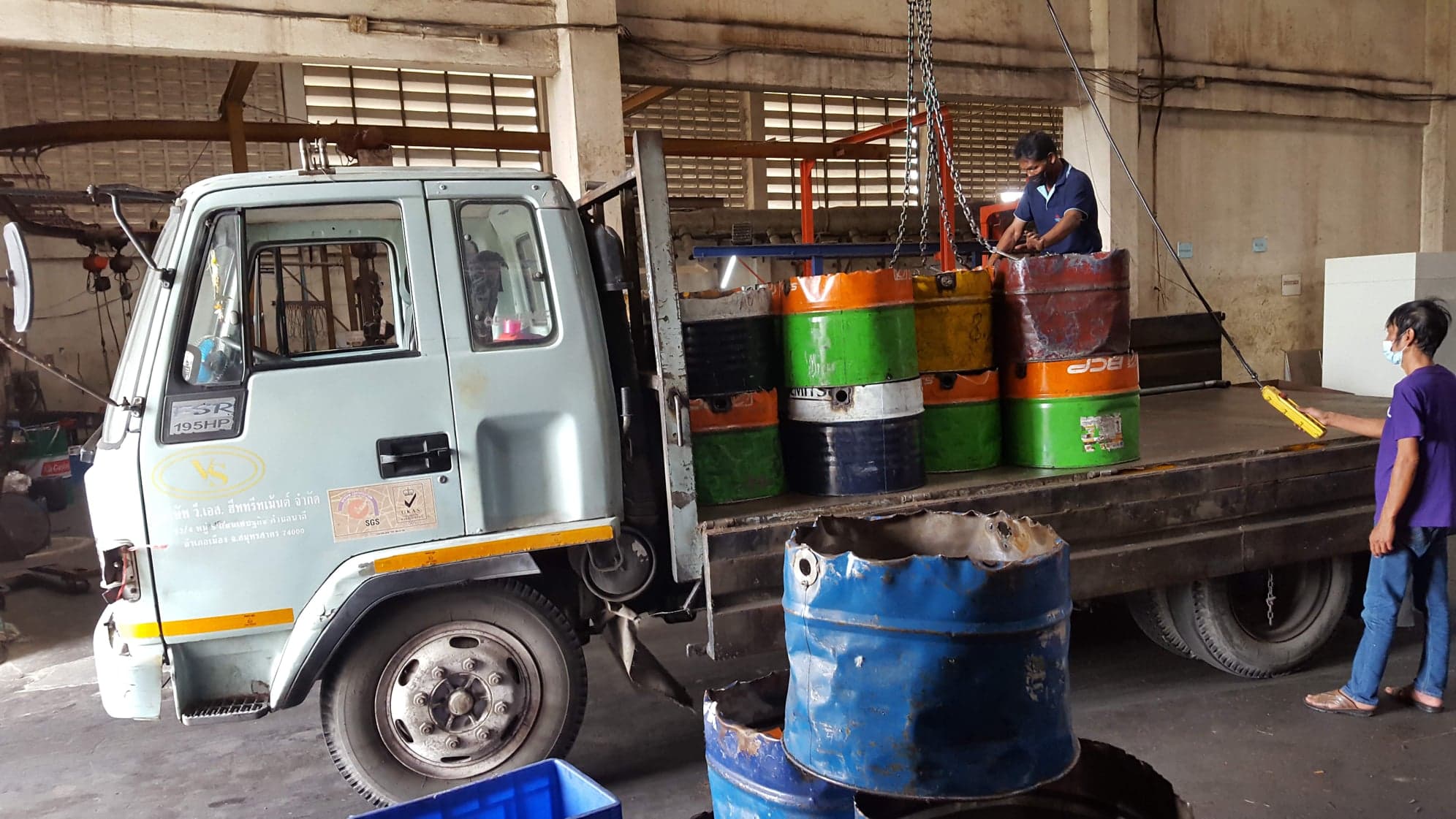
The estate takes Highway 331, the inland Eastern Seaboard corridor. We leave the nearest-port row empty because the estate sits inland between the Laem Chabang container terminals and the Map Ta Phut industrial port and we cannot ground which is nearer. Parts move to our Samut Sakhon plant by motorway and outer ring; collection is arranged per lot with sales, and we publish no transit or completion times.
Questions we get from this estate
Our pins come back out of round. What do we change?+
Usually the route or the fixturing, not the temperature. Slender parts distort in the quench, and the amount depends on the steel, the section, the quench medium and how the part is held. If the drawing has a straightness or roundness tolerance, mark it and say how it is gauged — we would rather redesign the route with you than argue about a re-measurement afterwards.
Do you run springs?+
Yes — springs are one of the small-part families we process, and the heat-treatment route is what sets whether they take a permanent set in service. What we do not do is large parts: no gears, no shafts, no mould work. This plant is built around screws, nuts, bolts, washers, pins, springs and anchor bolts at bulk volume.