What blackening is
Blackening turns a metal surface — especially steel — black through a controlled surface reaction, giving an even black color, basic rust protection and low light reflection.
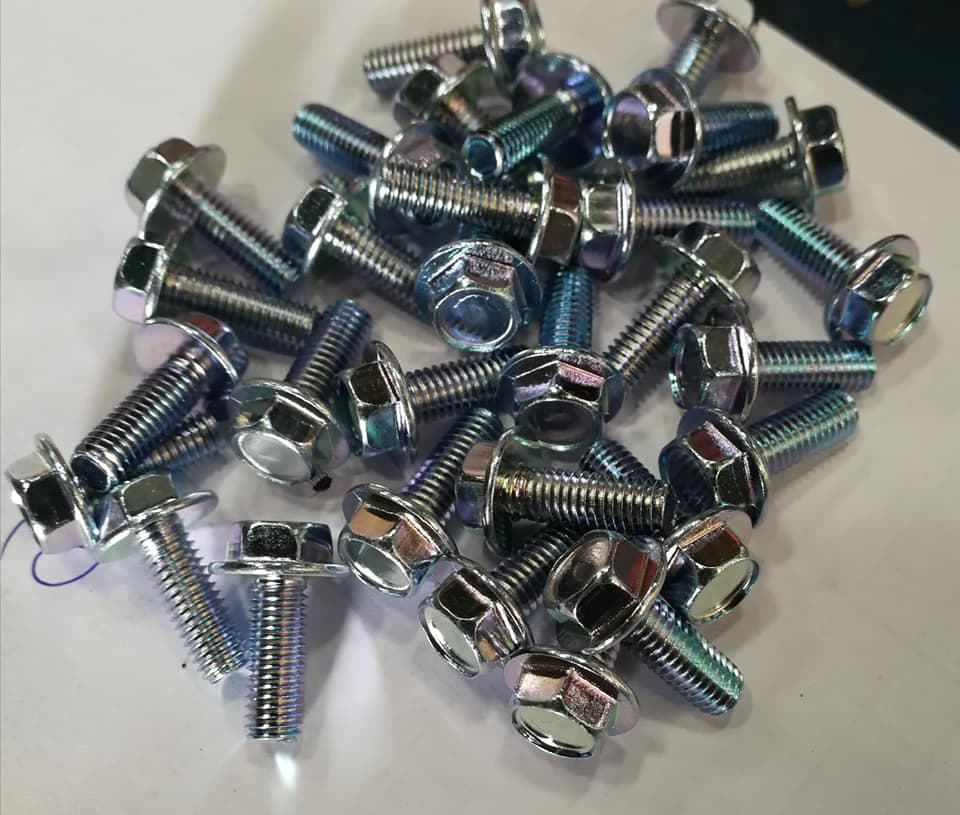
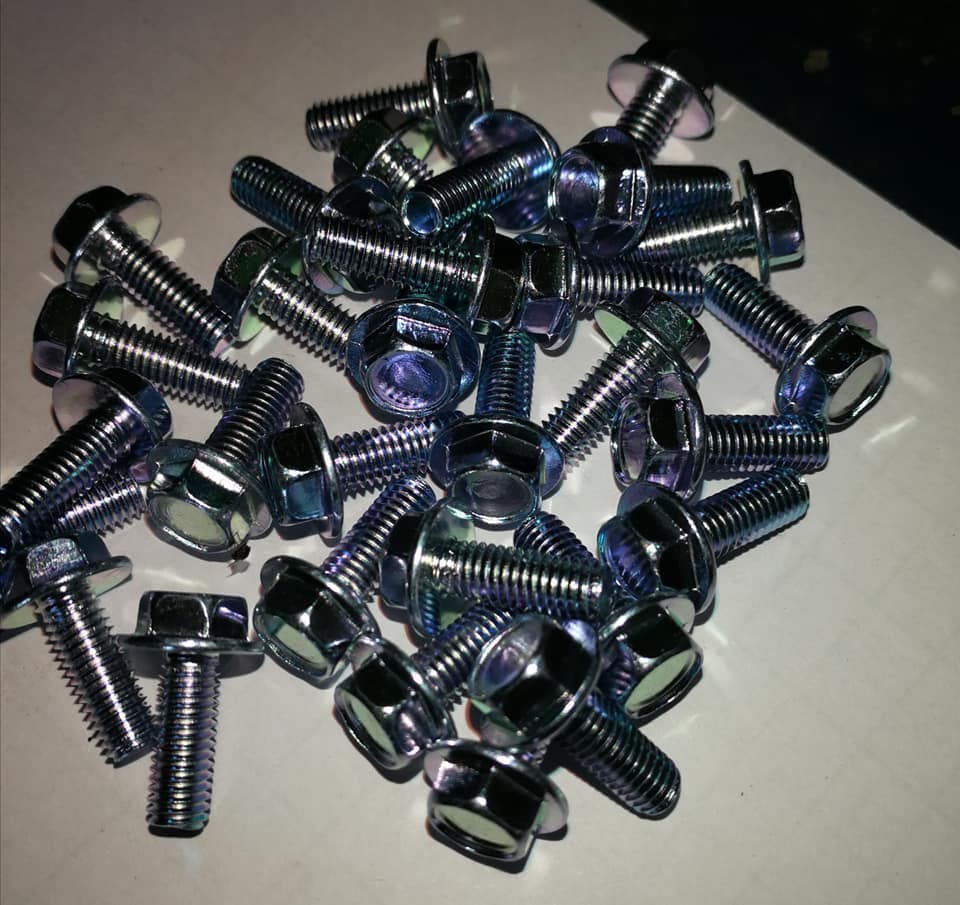
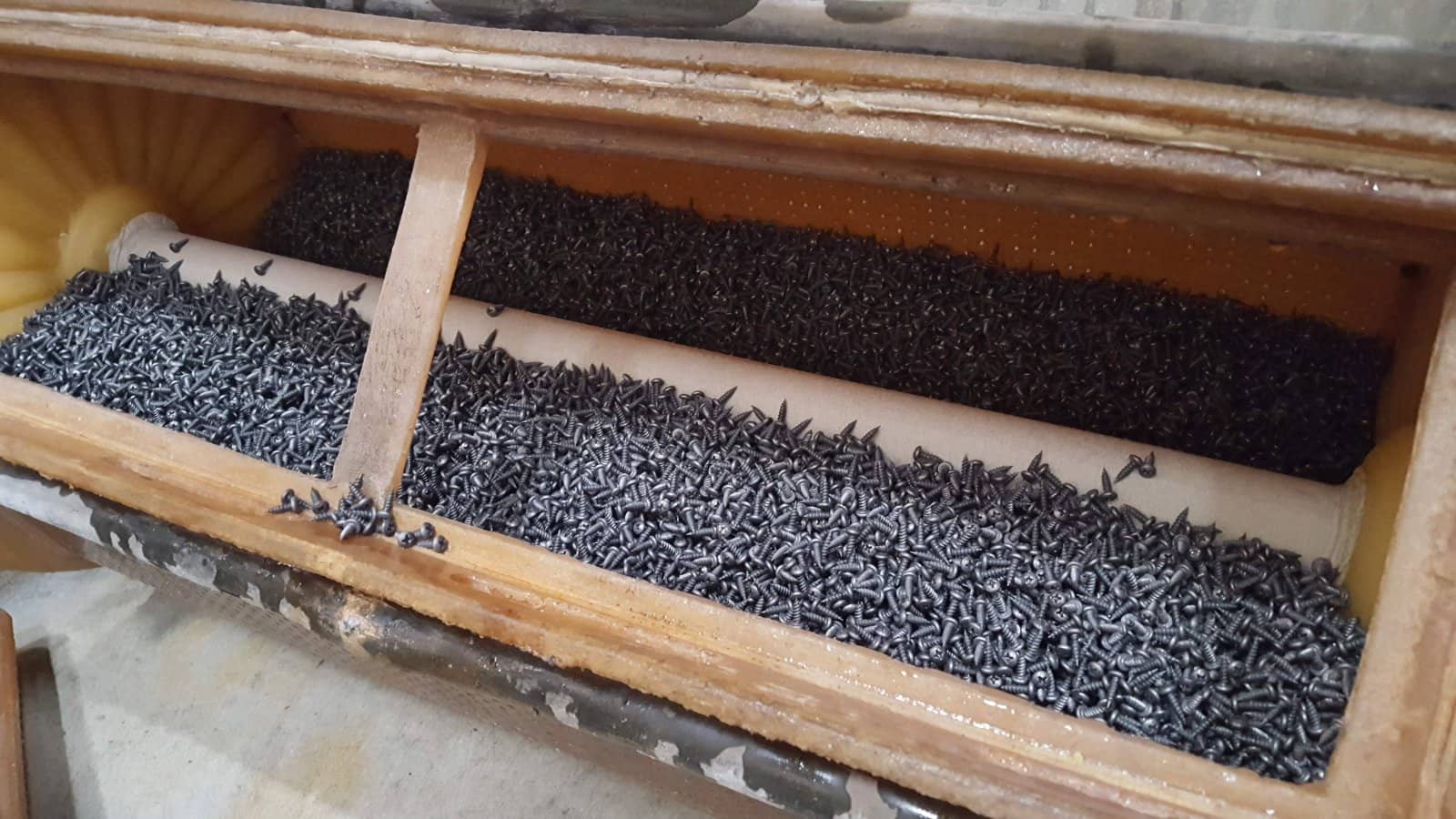
For small parts such as screws, nuts, bolts and fasteners, blackening is popular when you want a clean black look, or a base before painting or oiling.
Types of black finishing
Two main types are used in industry:
- Black phosphate (manganese / zinc phosphate) — a dark-grey to black phosphate surface that holds oil and paint well; ideal as a pre-paint base and for rust protection.
- Black oxide — a thin black oxide layer that keeps the part dimensions (almost no size change); ideal when you want black but must hold tight tolerances.
Both are usually sealed with oil or wax to improve corrosion resistance.
When to choose blackening
- You want a clean black look with low reflection (machine parts, equipment).
- As a base before painting or oiling.
- You want basic rust protection without adding much size (black oxide).
If you need long outdoor corrosion protection, zinc plating may suit better.
Cost and how to order
For small parts, blackening is usually priced per kilogram or per lot, depending on the finish (phosphate / black oxide), the quantity and any oil seal.
Send a photo or sample with the material and quantity, and we reply with a quote within 24 business hours.
FAQ
Are black oxide and black phosphate the same?+
People often use the terms loosely. In industry "black oxide" is a thin oxide layer, while "black phosphate" is a phosphate coating — we pick the one that suits your use.
Does blackening prevent rust well?+
It gives basic rust protection, especially when sealed with oil. For heavy corrosion protection we recommend zinc plating.
Does blackening change the part size?+
Black oxide barely changes size, so it suits tight-tolerance parts; phosphate adds slightly more thickness.
How do I get a price for blackening?+
Send a photo or sample with the material and quantity, and we reply with a quote within 24 business hours.
Free Engineering Tools
- Hardness Converter HRC ↔ HV ↔ HB
- Which Steel Grades Harden — and How Far
- Fastener Weight: pcs ↔ kg
- Finishing Specification Builder for Purchasing and QC
- Salt Spray Test Plan Builder
- Coating thickness → thread fit (GO/NO-GO)
- Hydrogen Embrittlement — is baking required?
- Bolt Tightening Torque & Proof Load
- Thread Engagement Length
- Bolt Size Estimator (from load)
- Bolt Property Class — Mechanical Properties (ISO 898-1)
What this article covers at our plant
Related comparison guides
- Black oxide vs PhosphateBlack oxide vs phosphate: which finish for screws, nuts and bolts?
- Zinc plating vs Dacromet / zinc flakeZinc plating vs Dacromet: which coating for screws and bolts?
- Zinc phosphate vs Manganese phosphateZinc phosphate vs manganese phosphate: match the coating to the job it does
Technical content review
Reviewed by the V.S. Heat Treatment QA and production team—heat-treatment and finishing operations since 1994 under an ISO 9001:2015 quality system.
View evidence and report format