
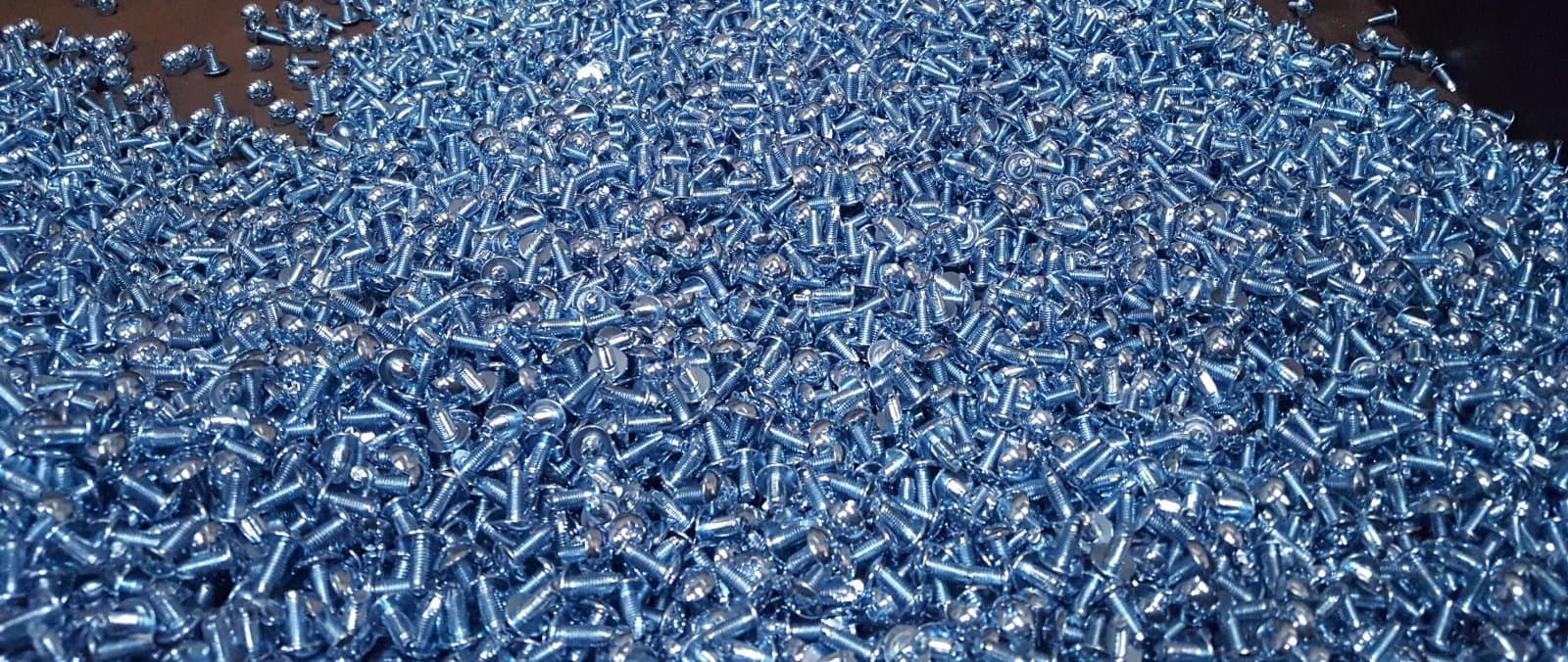
Small-fastener finishing for plants in Chachoengsao Blue Tech City
Blue Tech City is designated for next-generation vehicles, smart electronics and energy storage. That changes one thing about a screw: its finish may now have an electrical job as well as a corrosion job, and the two jobs do not always want the same coating.
We run one plant, and it is in Samut Sakhon. This page covers collection and delivery for customers in Chachoengsao — it is not a branch or a facility in Chachoengsao.
This estate at a glance
| Province | Chachoengsao |
|---|---|
| Road corridor | Motorway 7 and Sukhumvit Road (Highway 3) |
| Nearest sea port | — |
| IEAT-designated | Yes |
| Eastern Economic Corridor | Yes |
| Industry mix | automotive & parts, electronics, steel & metalworking, general manufacturing & SMEs |
Reviewed:
What this estate is
Chachoengsao Blue Tech City is a joint-operation industrial estate — the Industrial Estate Authority of Thailand signed the co-operation contract with the private developer Double P Land, and the site lies in Khao Din sub-district, Bang Pakong district, Chachoengsao, inside the Eastern Special Development Zone. In 2025 the EEC policy committee additionally designated it a Special Economic Promotion Zone, published in the Royal Gazette, for a target list that reads next-generation automotive, smart electronics, aviation and logistics, and digital; IEAT’s own description of the project adds high-capacity electrical energy-storage equipment. Those are designations, not an occupancy list, and this page names no tenant. But a designation still tells you what the drawings coming out of a place will tend to look like, and the estate is young — contract in 2021, promotion-zone designation in 2025, an expansion of the project agreed in 2026 — so it is still filling rather than settled. A page written for the automotive estates on Highway 331 can assume an engine and a chassis. A page written for this one has to assume that some of the hardware in front of it belongs to a pack, a busbar, an enclosure or a mixed-metal structure, and that at least one requirement on the drawing has nothing to do with rust.
What this estate asks of a small part
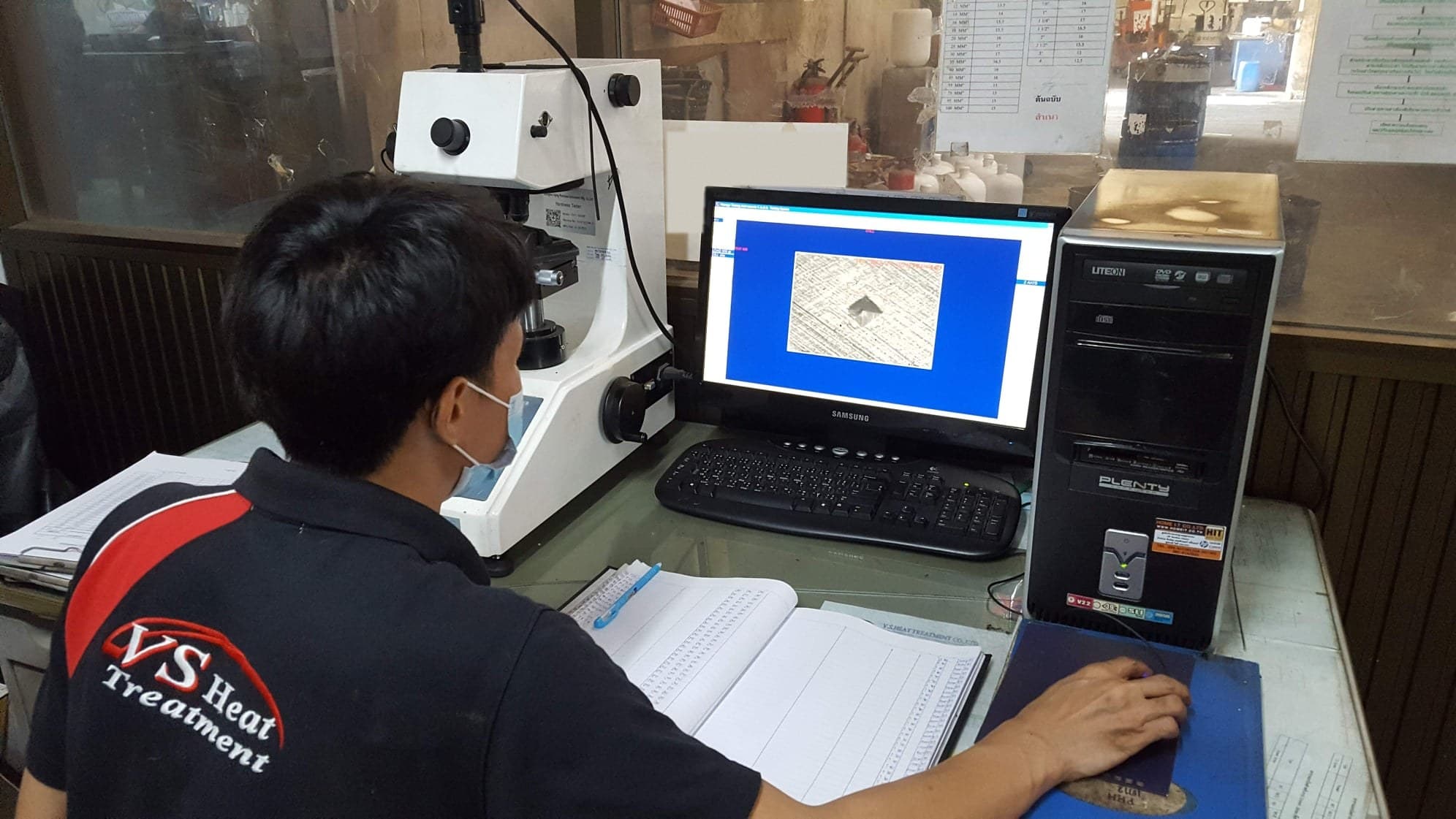
Everything we ask about a part from anywhere starts with the material designation, because a free-cutting steel will not respond to a quench the way the drawing assumed and an austenitic stainless cannot be hardened by heat treatment at all. From this estate there are three more questions, and they are the ones that make this page different from the other estate pages on this site. First: does this joint have to carry anything electrical? In a conventional assembly the coating’s job is corrosion protection, plus whatever it does to the torque–tension relationship through the lubricant on top of it. In an electrified assembly some joints are also part of a current path or an earth and bonding path, and some must specifically not be. Phosphate is a conversion coating that is normally used with oil or wax on top and is not selected for conductivity; zinc with a trivalent-chromium passivate carries a thin surface film whose character changes again if a sealer is specified; black oxide is a different animal again. None of these is right or wrong in the abstract — they are right or wrong against your requirement, and we would rather be told the requirement than guess it. Second, and this is the limit of our own bench: our laboratory measures hardness, coating thickness, adhesion and salt-spray performance. It does not measure joint contact resistance or verify a bonding path. If your specification carries a milliohm limit, that measurement belongs to your test bench and we will not pretend otherwise — but tell us at quotation, because it rules some finishes out before anyone spends money. Third: what is the fastener going into? Steel hardware into an aluminium or mixed-metal structure is common in lightweight and enclosure work, and in that joint the galvanic pairing decides what corrodes first. A salt-spray figure on the drawing describes the coating on the fastener under a laboratory test; it is not a statement about the joint in service, and typical guidance here depends on the part and the governing spec rather than on any number we could offer. Alongside all of that, the ordinary discipline still applies: where the property class or hardness crosses the threshold ISO 4042 sets for post-plating embrittlement-relief baking, the bake is a step inside the agreed route and not an extra discovered later. And because a young estate sends qualification work before it sends repeat work, the practical route is always the same — a small quantity of the real part with the drawing, a process fixed in writing against that part number, and a production lot that repeats something which already passed.
Services for factories in this estate
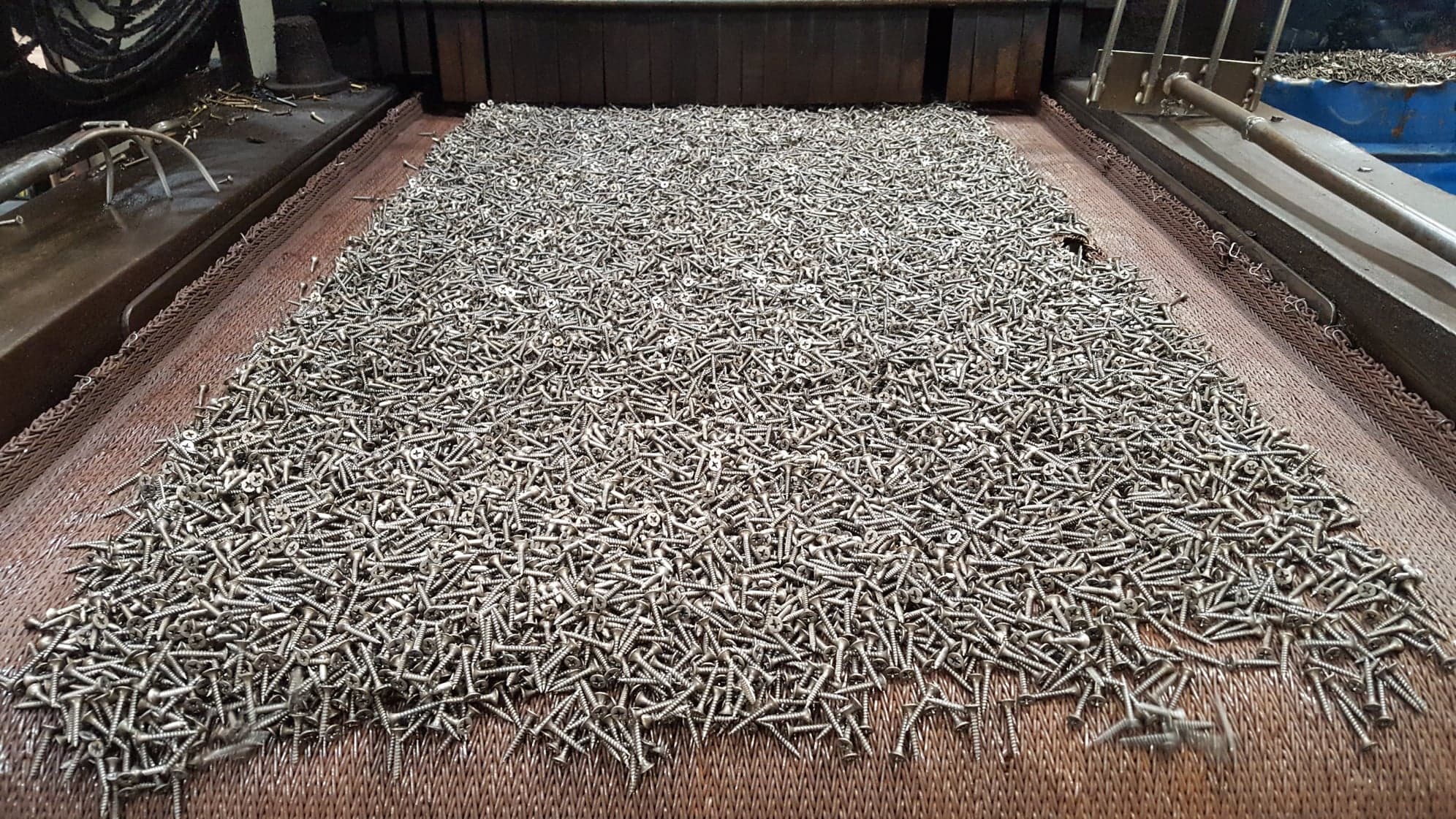
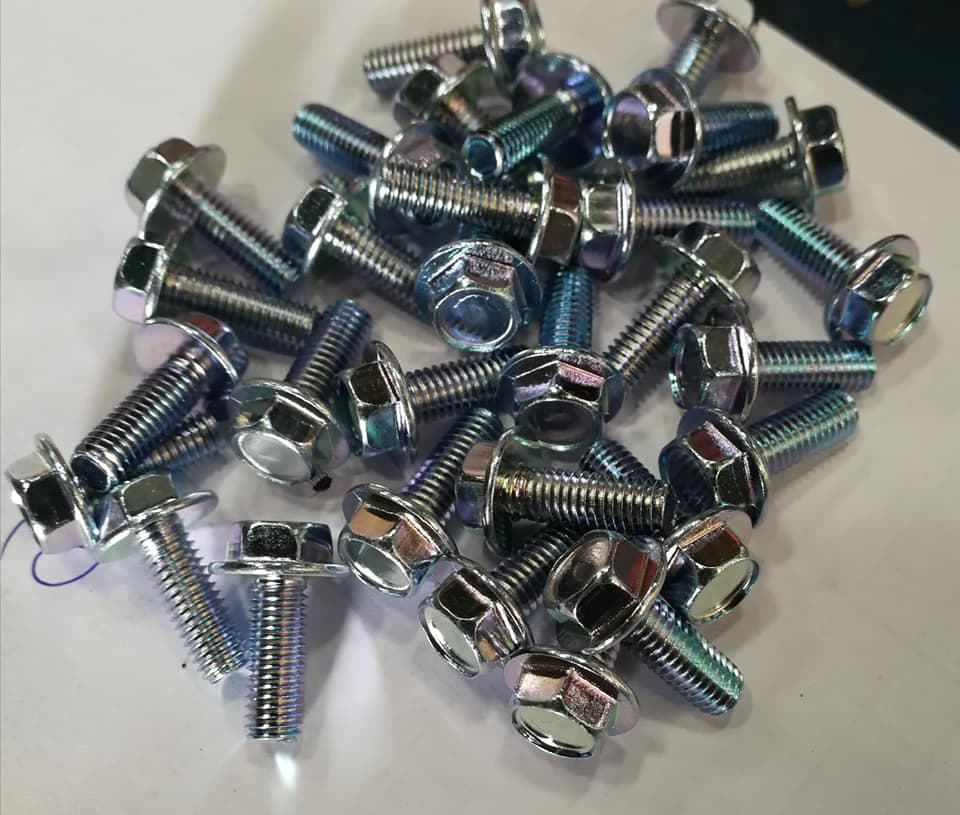
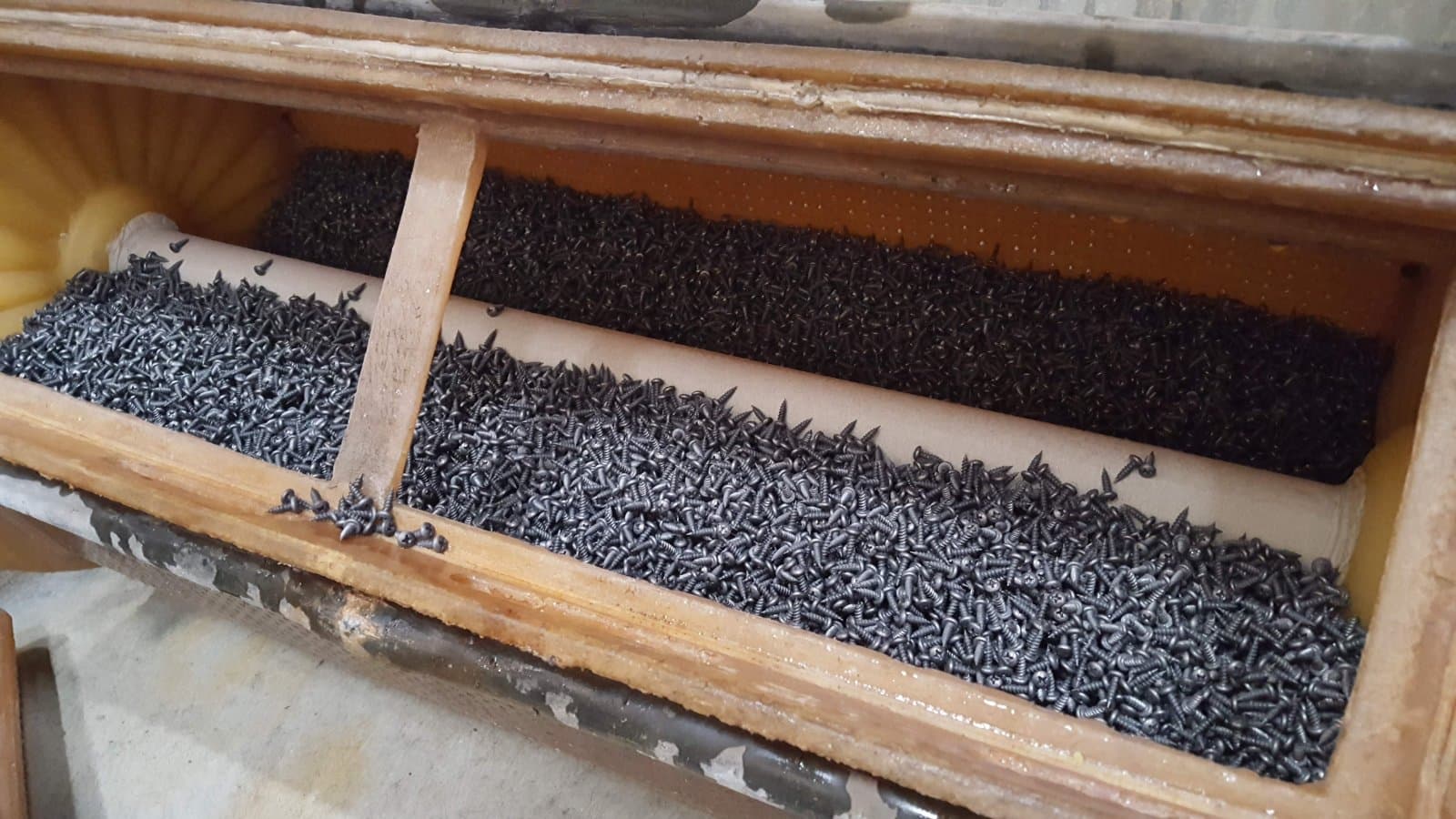
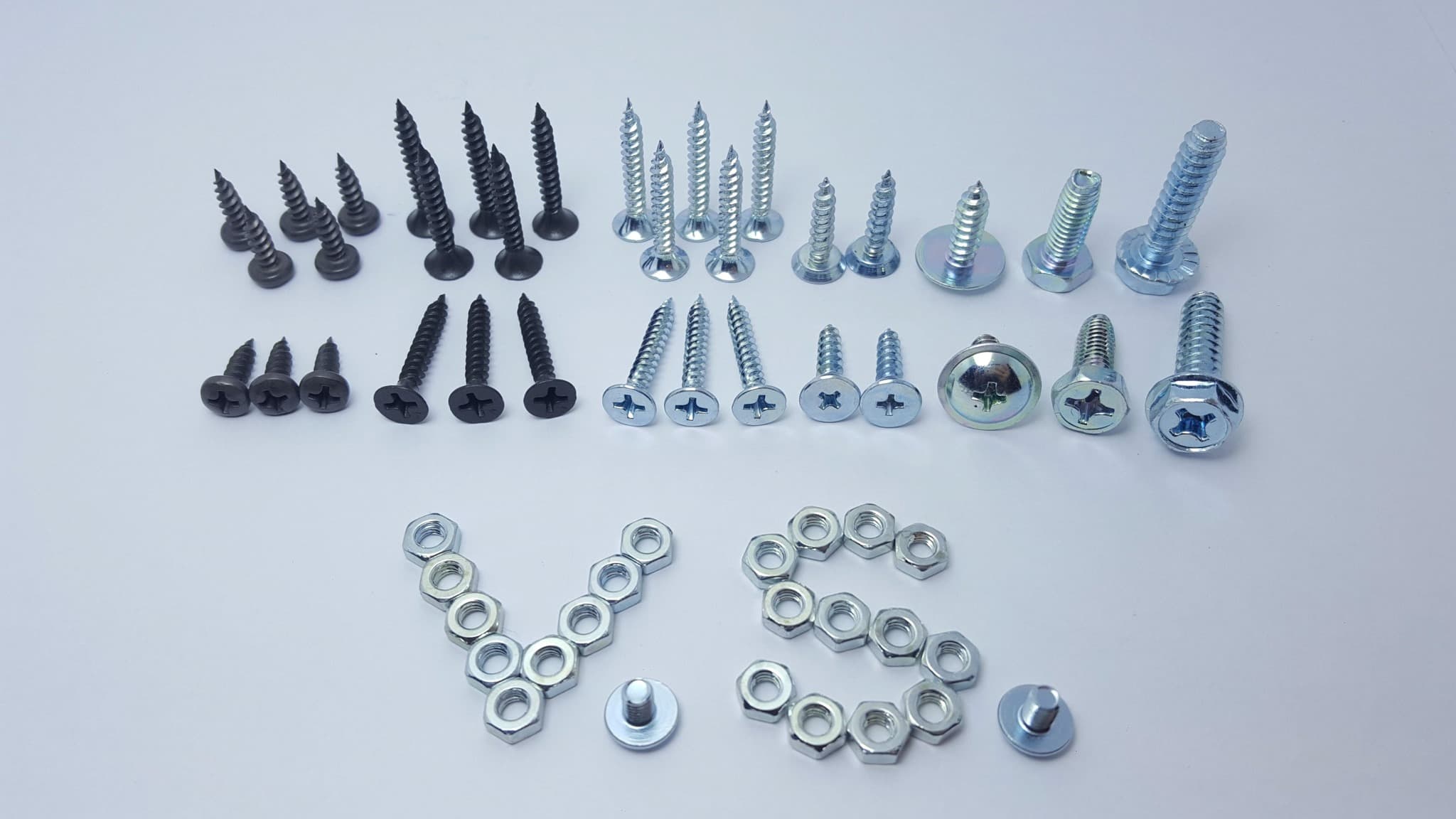
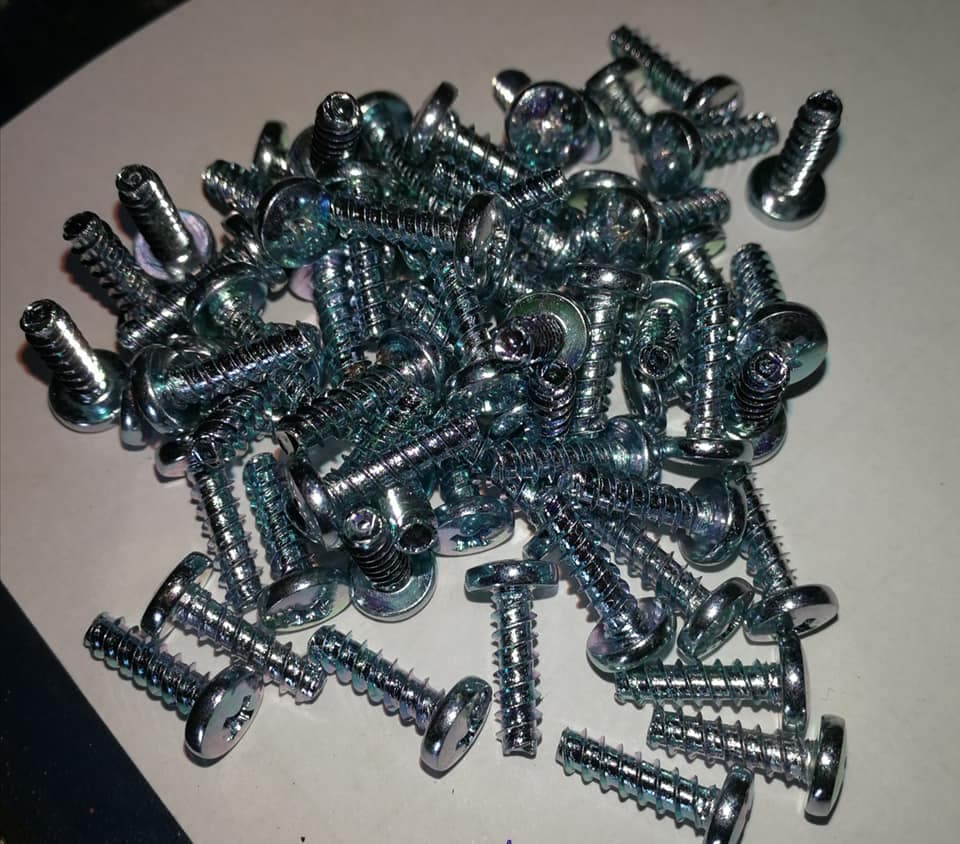
Hardening, Cr3+ zinc plating, phosphate coating and in-house lab testing, all on small parts at bulk volume.
Steel grades behind those parts
End markets on this estate
Each end market has its own spec drivers — property classes, salt-spray hours, governing standards.
The corridor row on this page reads Motorway 7, and the reason is worth stating because the number you will see on the estate’s own paperwork is different. IEAT’s description of the project gives the access route as Highway 3702, and Highway 3702 is one of the service roads built as a parallel carriageway alongside Motorway 7 through Bang Pakong — a frontage road of that motorway rather than a corridor of its own. This table names eight roads and 3702 is not one of them, so the table carries the motorway the frontage road belongs to and this paragraph carries the number. The port row is blank, and not for lack of a candidate: IEAT’s own project description references Laem Chabang as the estate’s sea port. But "the port IEAT names" is a different claim from "the nearest port", Bang Pakong sits between two container gateways, and the three other Chachoengsao estates on this site leave the row blank for exactly that reason. We would rather be consistent and explain than fill a cell to make a table look complete. The only time promise we make anywhere is that we reply to a quotation within 24 hours. Collection and delivery are arranged per lot and confirmed with sales when the job is booked.
Questions we get from this estate
One of our joints carries an earth or bonding path. Which finish should we ask for?+
Ask us with the requirement in front of you rather than the finish. Phosphate is a conversion coating meant to work together with the oil or wax carried on top of it, and it is not chosen for conductivity; zinc with a trivalent-chromium passivate carries a thin surface film, and specifying a sealer changes that surface again. What we cannot do is settle it by measurement: our lab covers hardness, coating thickness, adhesion and salt spray, and it does not measure joint contact resistance or verify a bonding path — that is your test bench. So tell us at quotation that the joint is electrical and what the acceptance limit is. We will tell you which of our finishes we can offer against it, and which we would not put forward for that duty.
These are steel bolts going into an aluminium structure. Will your salt-spray hours hold in that joint?+
The salt-spray figure describes the coating on the fastener under a laboratory test to the standard your drawing cites. It is not a statement about a mixed-metal joint in service, where the galvanic pairing between the fastener and what it is clamped into decides what corrodes first, and where geometry, sealing and drainage all matter. Anything anyone quotes you as a number for that is typical industry guidance rather than a guarantee, and it depends on the part and the governing spec. What is useful to send us is the mating material and the single acceptance rule you will actually judge the lot against; we will tell you what the coating on the fastener can be held to, and we will not extend that into a claim about the joint.
Is Blue Tech City an IEAT estate or an EEC promotion zone? The estate is described as both.+
Both, and they are two different designations that happen to cover the same ground. It is an IEAT-designated industrial estate operated as a joint operation: the Industrial Estate Authority of Thailand signed the co-operation contract and the private developer, Double P Land, builds and runs the estate. Separately, in 2025 the EEC policy committee designated the estate a Special Economic Promotion Zone by notice in the Royal Gazette, listing next-generation automotive, smart electronics, aviation and logistics, and digital as its target industries. The first designation governs how the estate itself is run; the second is about investment promotion inside it. Neither changes how a lot of screws is processed, but if either affects your paperwork, say which applies to your plant when you send the job.
The programme is new and the drawing is still moving. How do we start without wasting a revision?+
Two of the five things we need are particular to this kind of work: which joints on the part are electrical, and what the fastener is clamped into. The other three are the ordinary ones — a drawing carrying the material designation and the thread tolerance class, the single rule that decides whether the lot passes, and a small quantity of the real part for qualification rather than a photograph of it. With that we can tell you what is achievable and what is not, and we reply to quotations within 24 hours. We do not quote a completion date for a job, and you should be suspicious of anyone who does before seeing the part. What we do commit to is that once a route is agreed for a part number it stays agreed, any change is put to you in writing first, and the production lot repeats a route that already passed on your own parts. We hold ISO 9001:2015 and nothing beyond it — the automotive sector’s own scheme and the approvals that vehicle and battery programmes layer on top are requirements of that sector, not certificates we carry, and we would rather you heard that from us at the first enquiry than at an audit.