
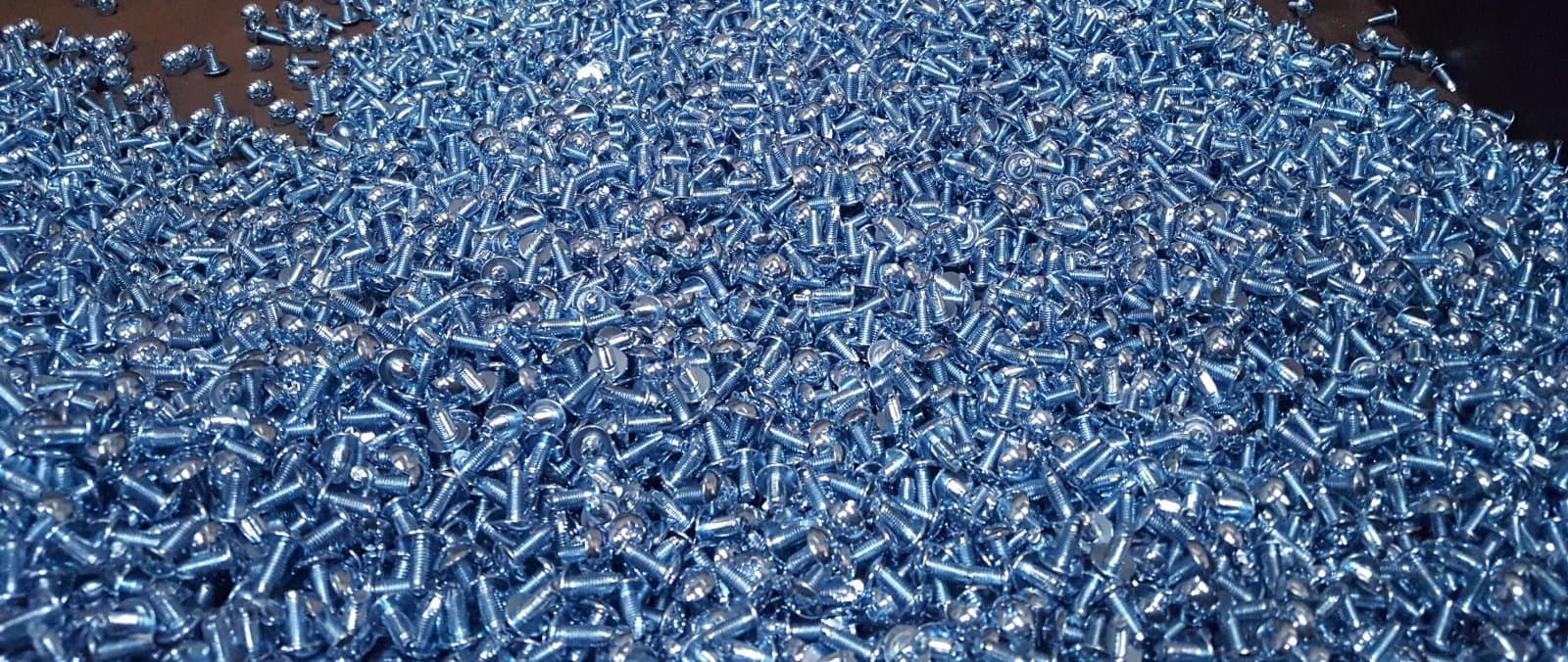
Small-part finishing for factories in Amata City Chonburi
Amata City Chonburi is an automotive estate first, with electronics and machinery alongside it. Automotive drawings are the strictest thing we receive, and they are what this page is about.
We run one plant, and it is in Samut Sakhon. This page covers collection and delivery for customers in Chon Buri — it is not a branch or a facility in Chon Buri.
This estate at a glance
| Province | Chon Buri |
|---|---|
| Road corridor | Bangna–Trat Road (Highway 34) |
| Nearest sea port | Laem Chabang Port |
| IEAT-designated | Yes |
| Eastern Economic Corridor | Yes |
| Industry mix | automotive & parts, electronics, machinery |
IEAT-designated covers both estates operated by the Industrial Estate Authority of Thailand and joint-operation estates run with a private developer. A dash means we could not confirm a single status for the whole area — some of these names describe a factory district rather than one designated estate.
A dash in the port row means the estate sits inland between two ports and we will not guess which is nearer. Nothing on this page is a distance, a drive time or a delivery-time promise.
Reviewed:
What this estate is
Amata City Chonburi is an IEAT joint-operation estate on the Bangna–Trat corridor inside the Eastern Economic Corridor, and its industry mix — automotive, then electronics, then machinery — is the densest concentration of specification-driven fastener work on this list. Drawings arriving from this estate normally quote a JIS material designation and an ISO 898-1 property class in the same line, and expect the supplier to know which of the two governs when they disagree.
What this estate asks of a small part
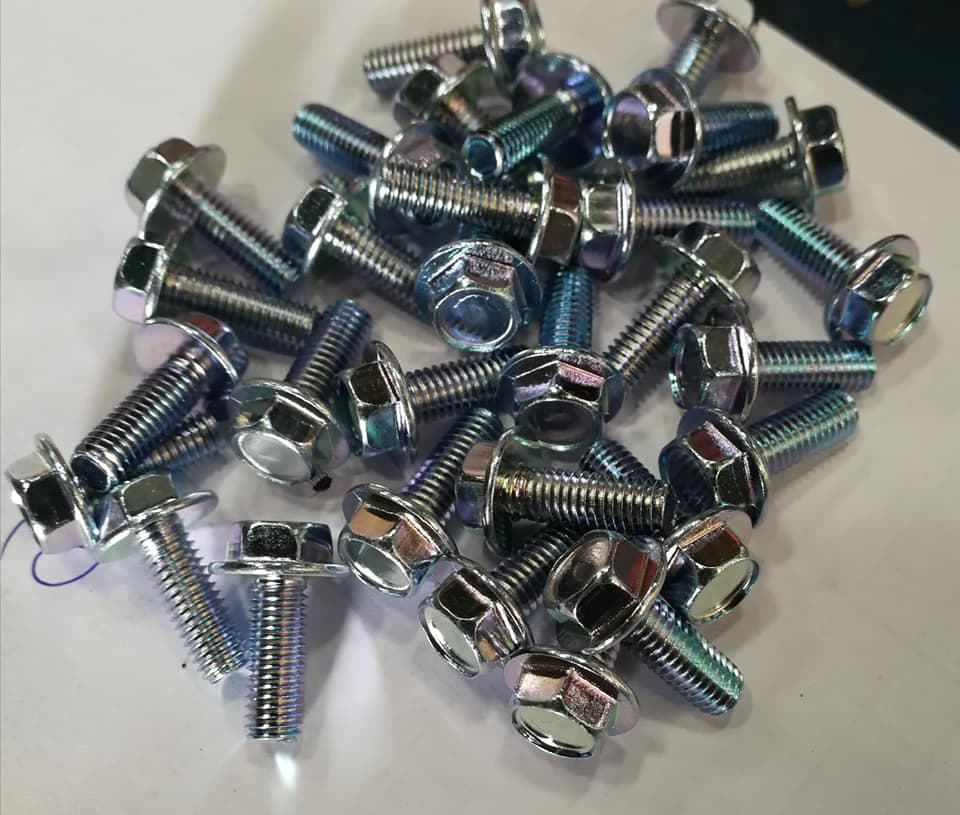
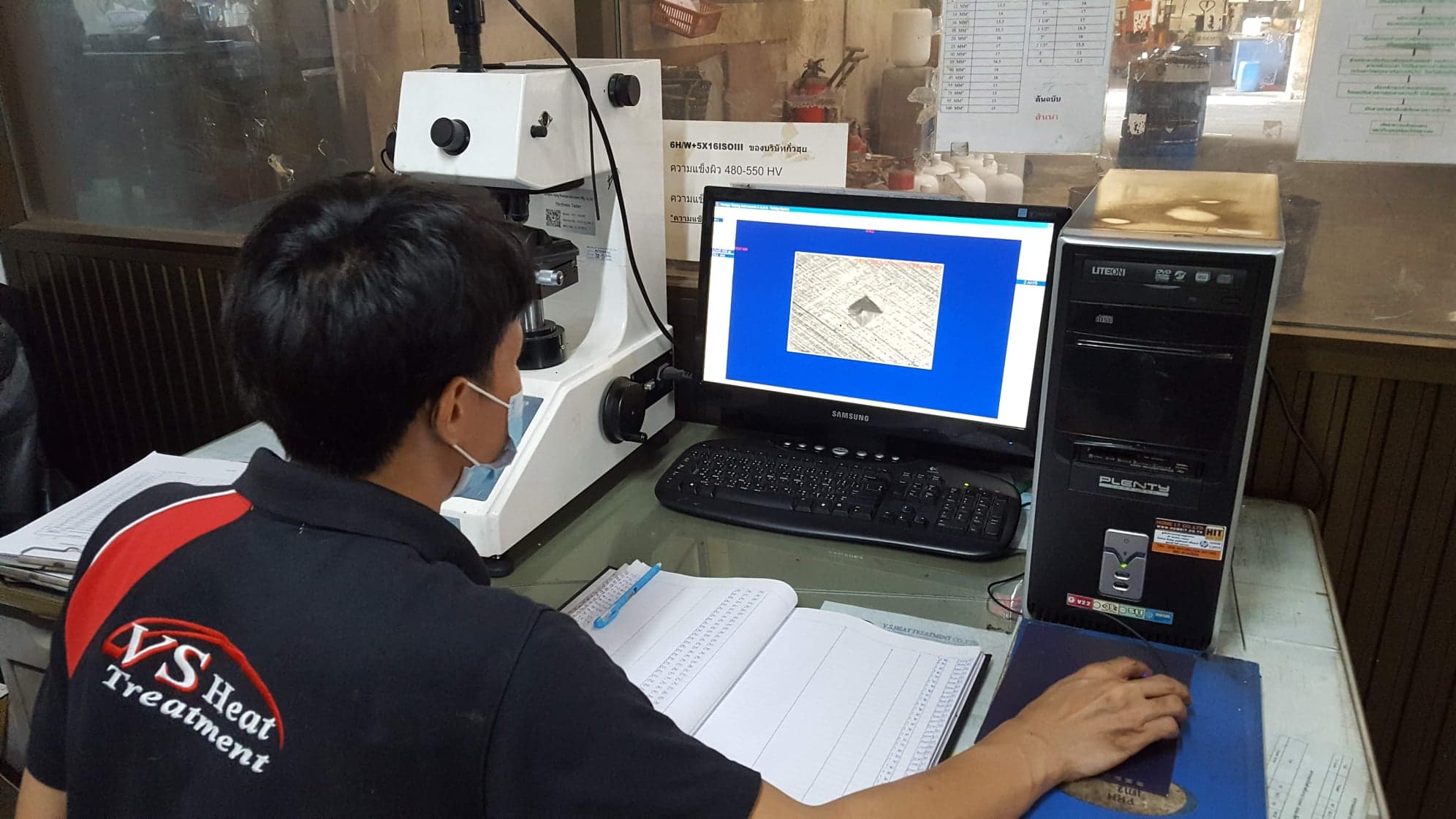
The automotive stack is the demanding one: property classes at 8.8, 10.9 and 12.9, hardness held inside a band rather than above a floor, salt-spray requirements measured in hundreds of hours, and de-embrittlement baking mandatory once the class or the hardness crosses the ISO 4042 trigger. Every one of those is a testable claim, which is the point — an automotive lot is only as good as the record that follows it. Our lab runs hardness and salt spray in-house so the certificate and the parts leave together.
Services for factories in this estate
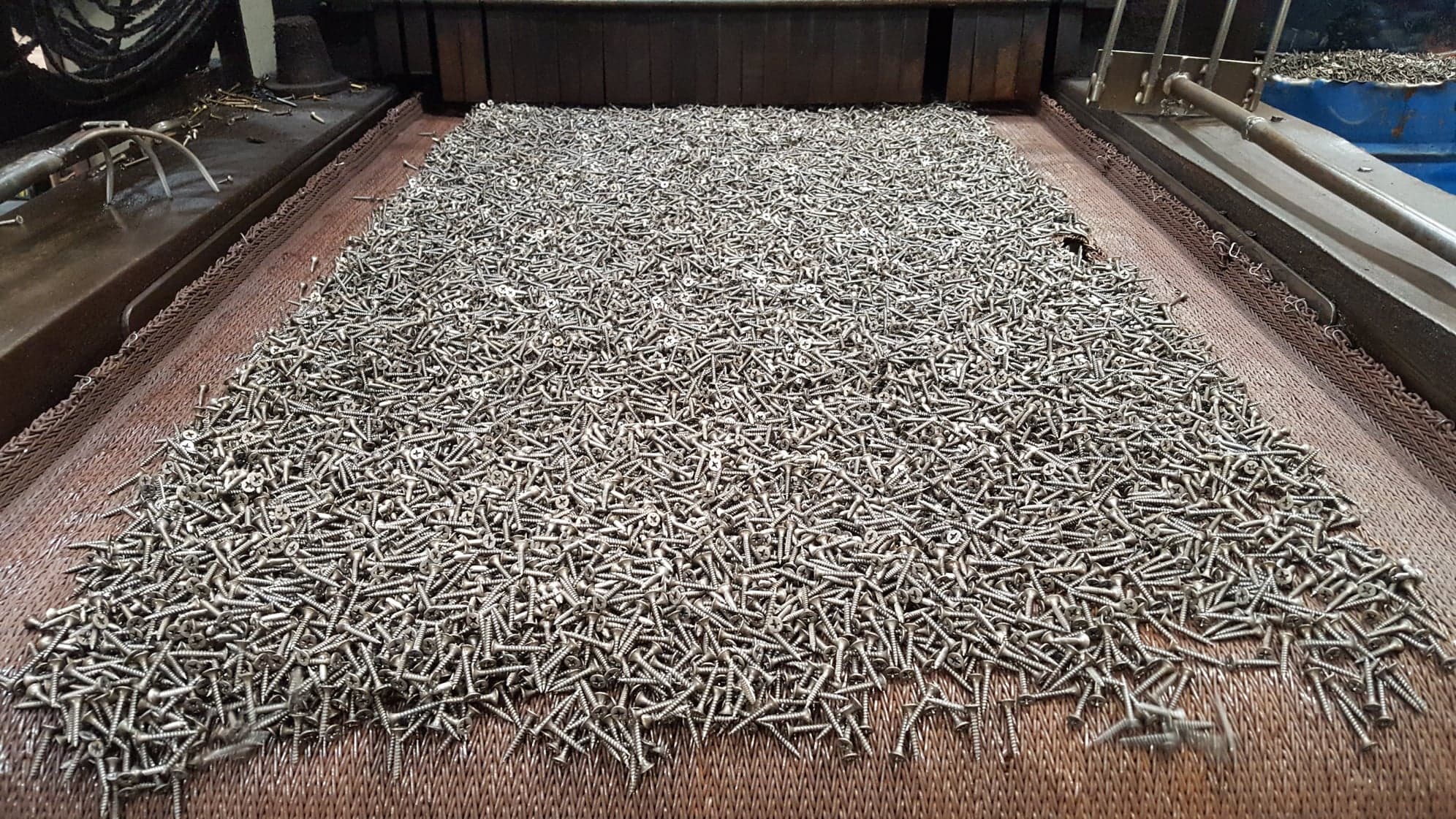
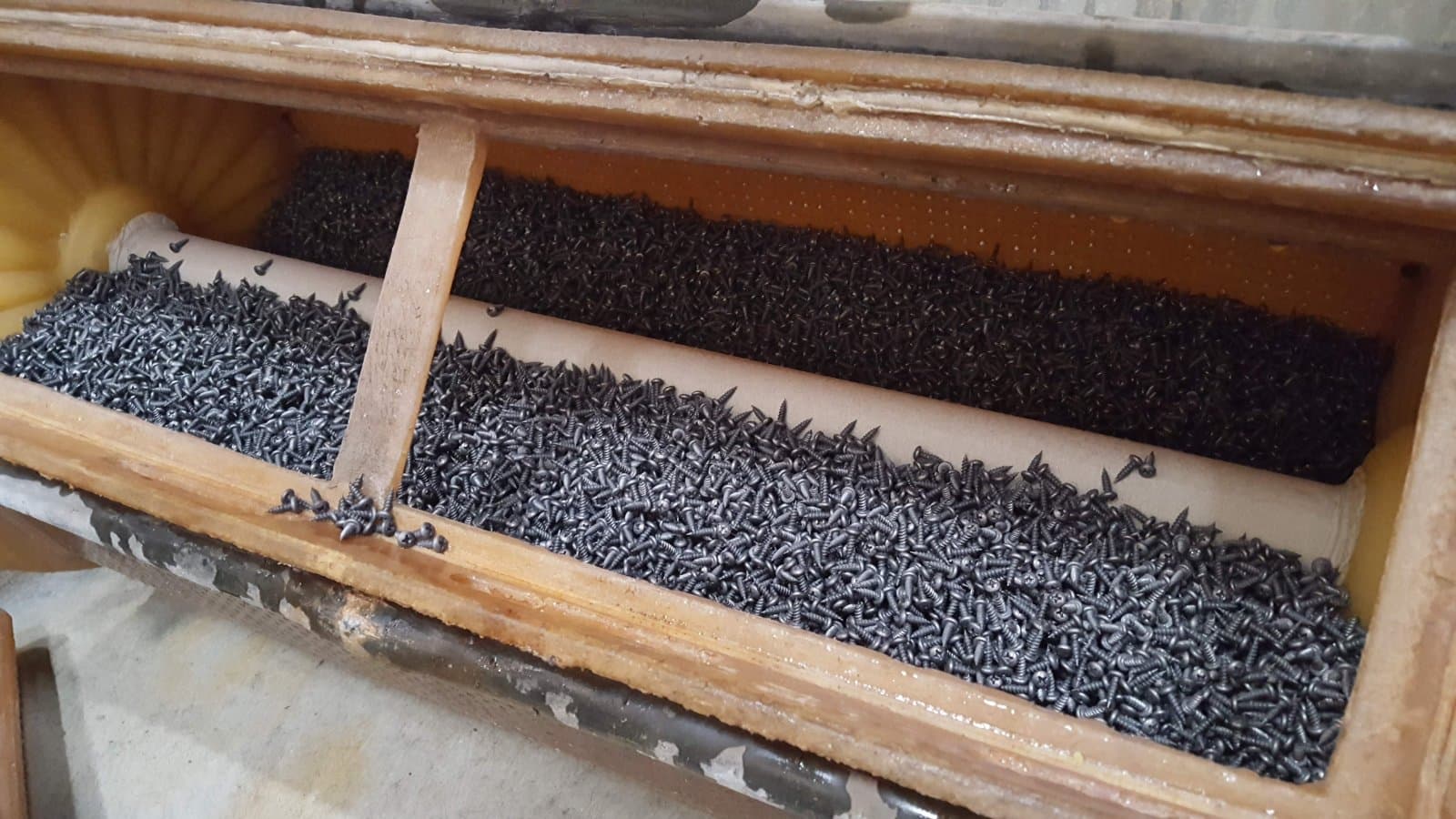
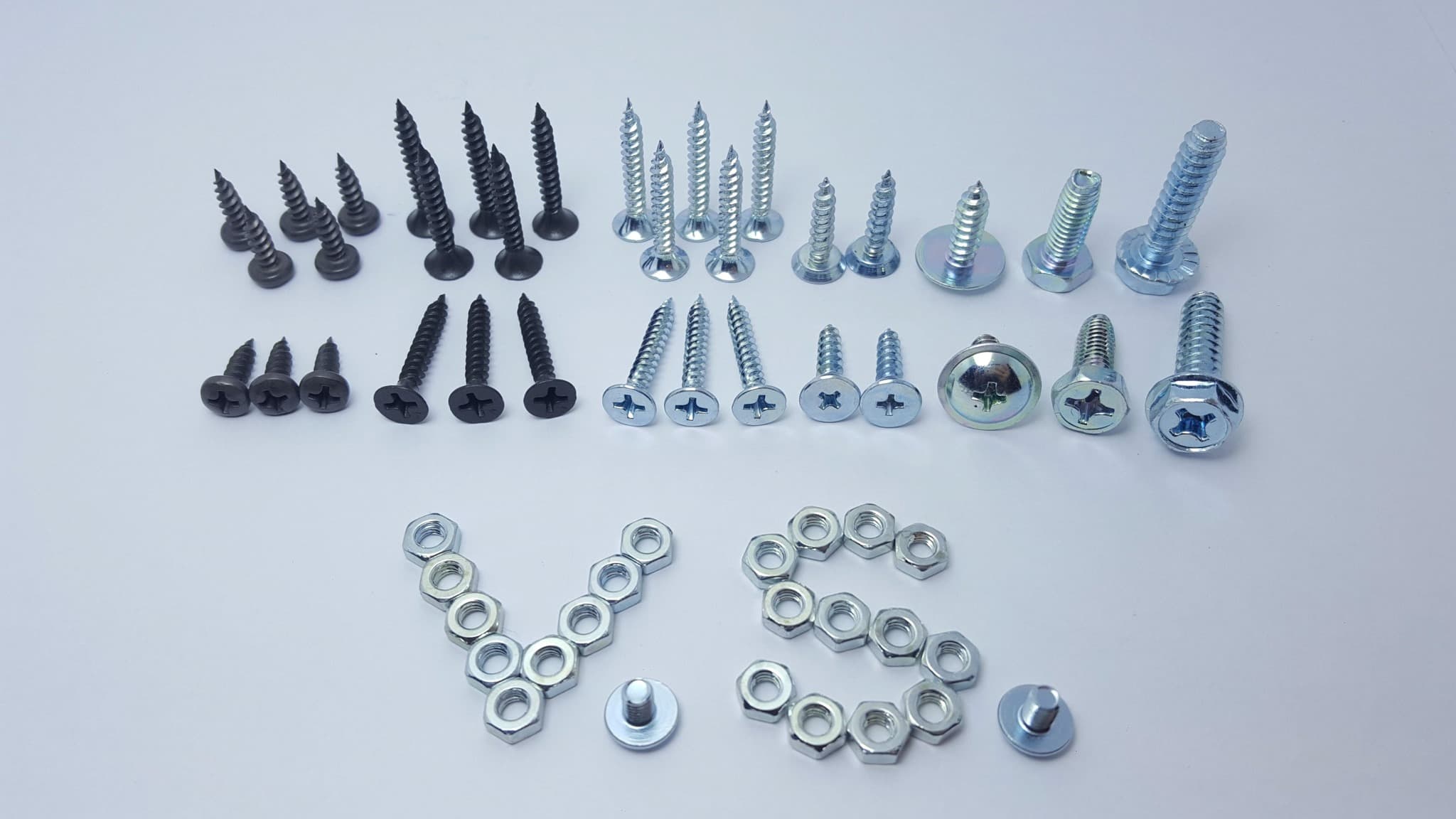
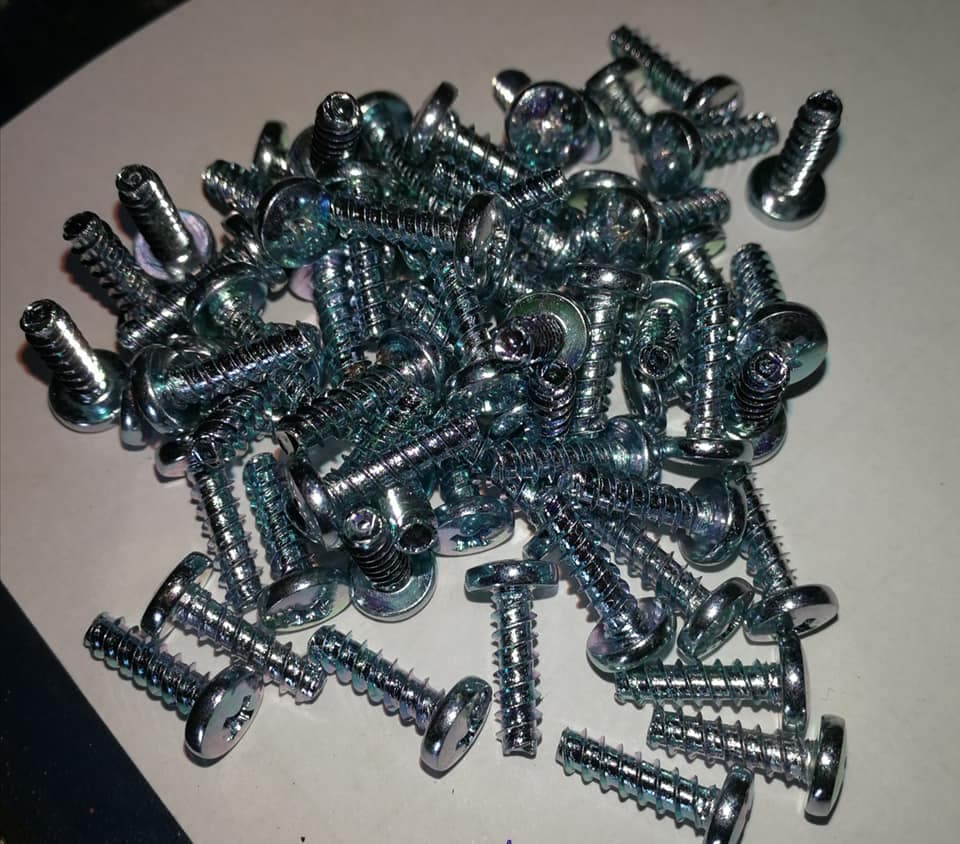
Hardening, Cr3+ zinc plating, phosphate coating and in-house lab testing, all on small parts at bulk volume.
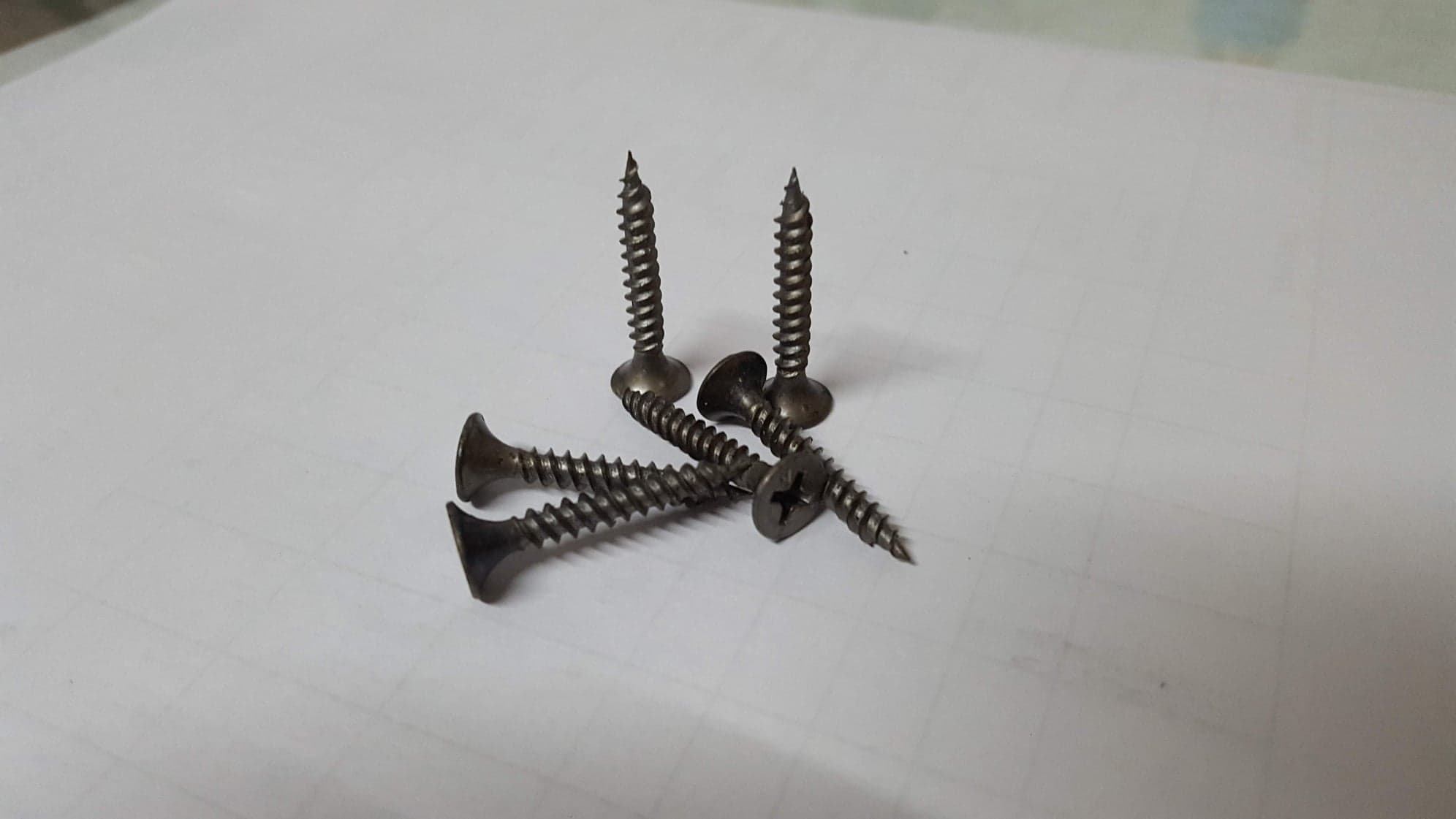
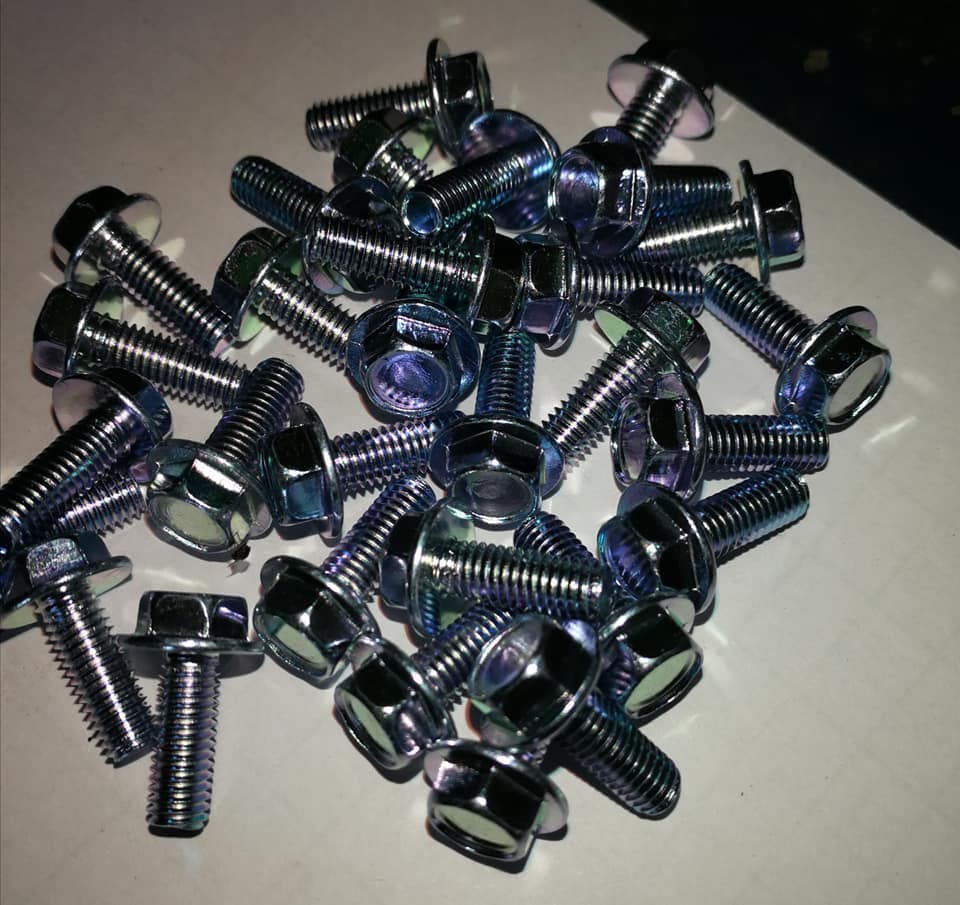
Steel grades behind those parts
End markets on this estate
Each end market has its own spec drivers — property classes, salt-spray hours, governing standards.
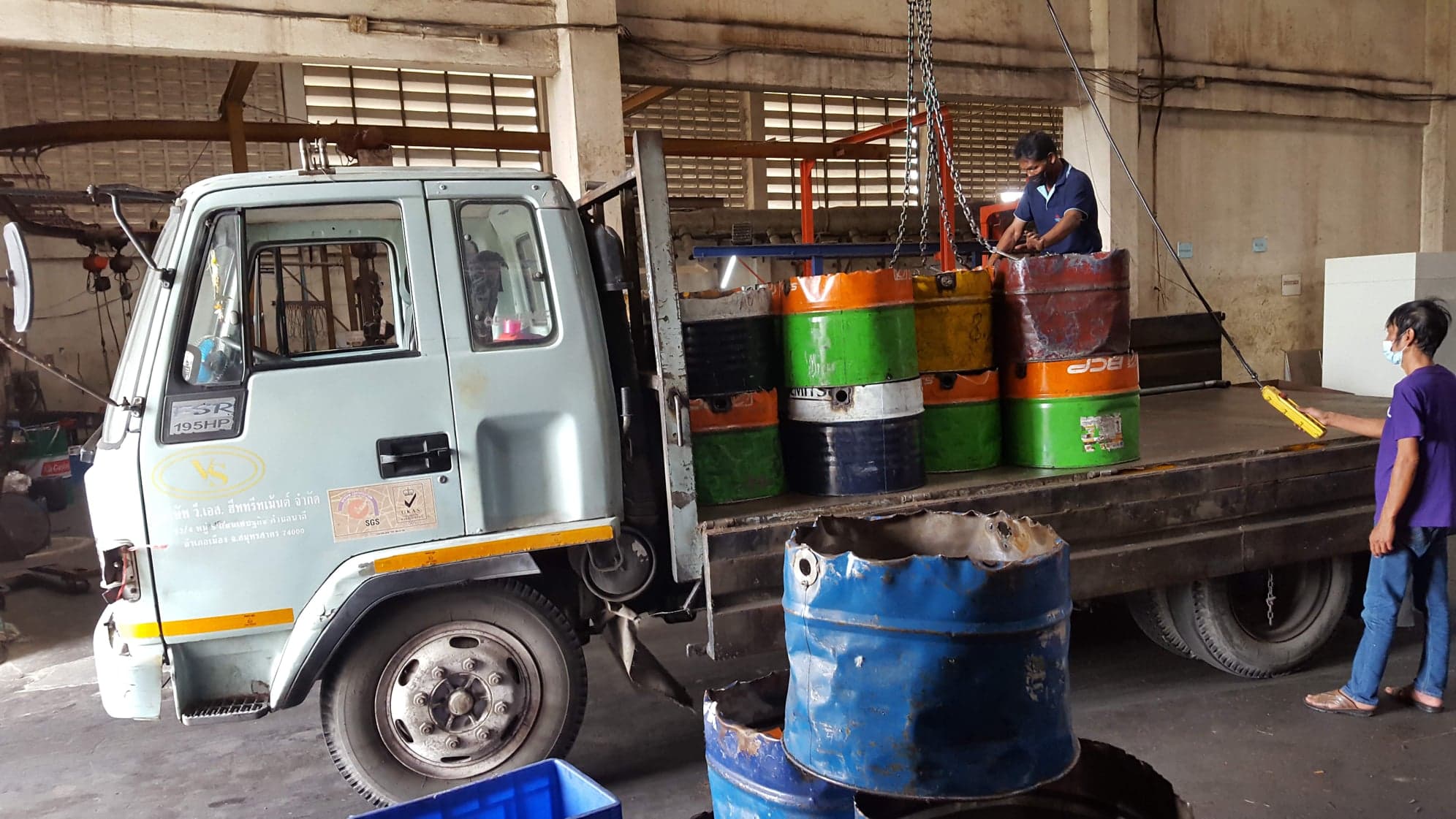
The estate sits on the Bangna–Trat corridor with Motorway 7 access, and the nearest sea port by geography is Laem Chabang — Thailand’s main container gateway, which is why so much of what is finished here is destined for export. Parts move to our Samut Sakhon plant along the motorway and the outer ring. Collection and delivery are arranged per lot with sales; we publish no transit or completion times.
Questions we get from this estate
The drawing gives a JIS grade and an ISO property class that do not quite match. Which wins?+
The property class is the delivered requirement — it is what the fastener has to achieve as tested. The material designation tells us what we have to achieve it with, and some combinations are not reachable in a given diameter. If we see a conflict we raise it before processing rather than quietly picking one, because a lot that meets the wrong half of the drawing is scrap either way.
Do you test in-house or send it out?+
Hardness and salt spray are run in our own laboratory, which is why the report can travel with the lot instead of arriving a week later. We will not quote a salt-spray hour figure for your part before testing it, because the achievable result depends on the coating system, the geometry and the acceptance criterion in your specification.