
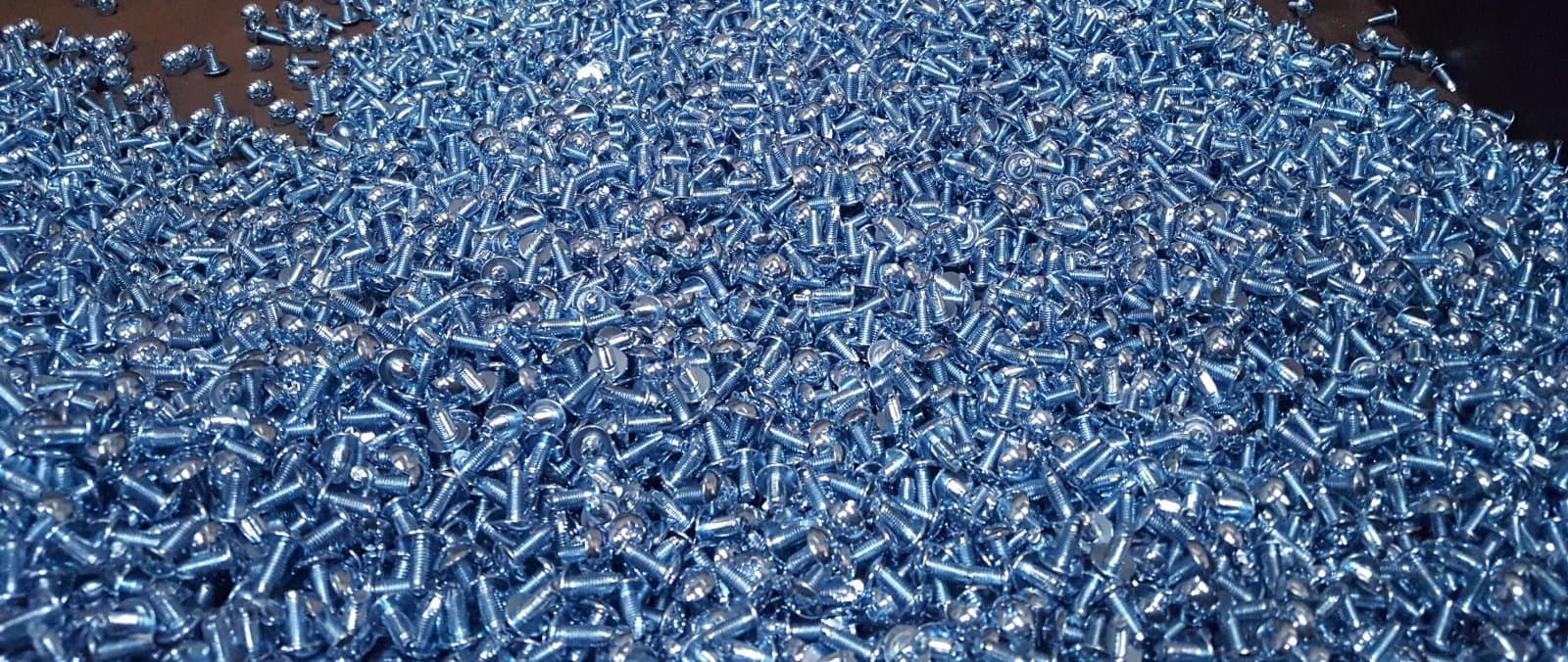
Small-part finishing for factories in Sinsakhon Industrial Estate
Sinsakhon is in Mueang Samut Sakhon — the same district as our plant. Of every estate on this site, this is the one where the parts travel the least.
We run one plant, and it is in Samut Sakhon. This page covers collection and delivery for customers in Samut Sakhon — it is not a branch or a facility in Samut Sakhon.
This estate at a glance
| Province | Samut Sakhon |
|---|---|
| Road corridor | Rama II Road (Highway 35) |
| Nearest sea port | Bangkok Port (Khlong Toei) |
| IEAT-designated | Yes |
| Eastern Economic Corridor | No |
| Industry mix | steel & metalworking, food & seafood processing, machinery, general manufacturing & SMEs |
IEAT-designated covers both estates operated by the Industrial Estate Authority of Thailand and joint-operation estates run with a private developer. A dash means we could not confirm a single status for the whole area — some of these names describe a factory district rather than one designated estate.
A dash in the port row means the estate sits inland between two ports and we will not guess which is nearer. Nothing on this page is a distance, a drive time or a delivery-time promise.
Reviewed:
What this estate is
Sinsakhon is an IEAT joint-operation estate on the Rama II corridor, in the district our factory has worked in since 1994. Its mix is steel and metalworking, food and seafood processing, machinery and general manufacturing — a genuinely different profile from the automotive estates on the eastern seaboard. A large share of the small parts that come out of it are not car parts at all: they are the fasteners, pins and shafting hardware that hold processing machinery together in a wet, washed-down, chemically aggressive room.
What this estate asks of a small part
Food-processing hardware asks two questions that automotive hardware never asks. The first is what happens to the part when it is washed down every shift, which pushes the specification towards corrosion resistance rather than raw strength. The second is whether the part is stainless — and if it is austenitic stainless, heat treatment cannot harden it at all. Strength in a 304 fastener comes from cold work and is described by ISO 3506 classes, not by a quench. We would rather say that plainly at quotation than take in a lot we cannot help, so send the material designation with the drawing.
Services for factories in this estate
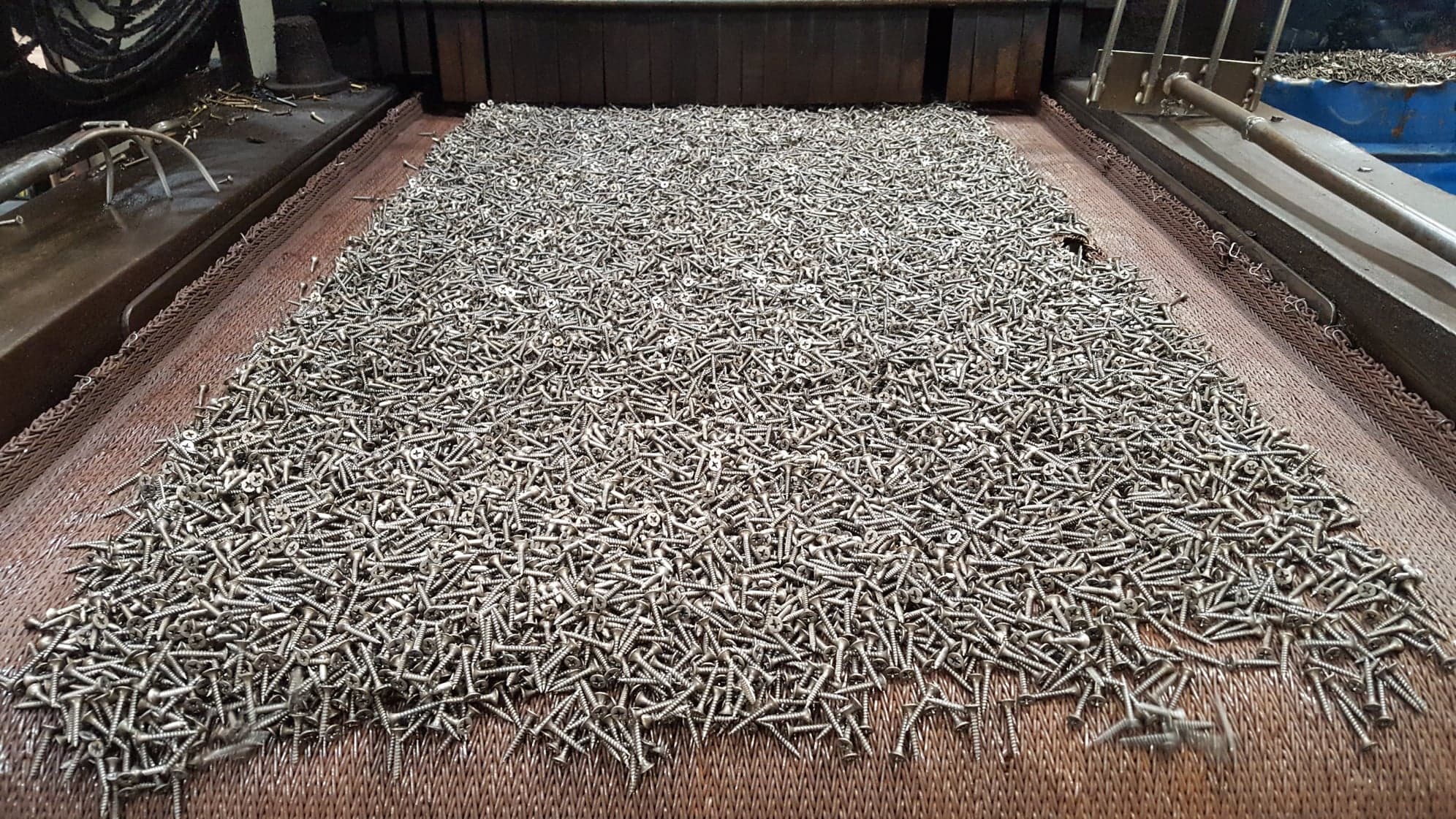
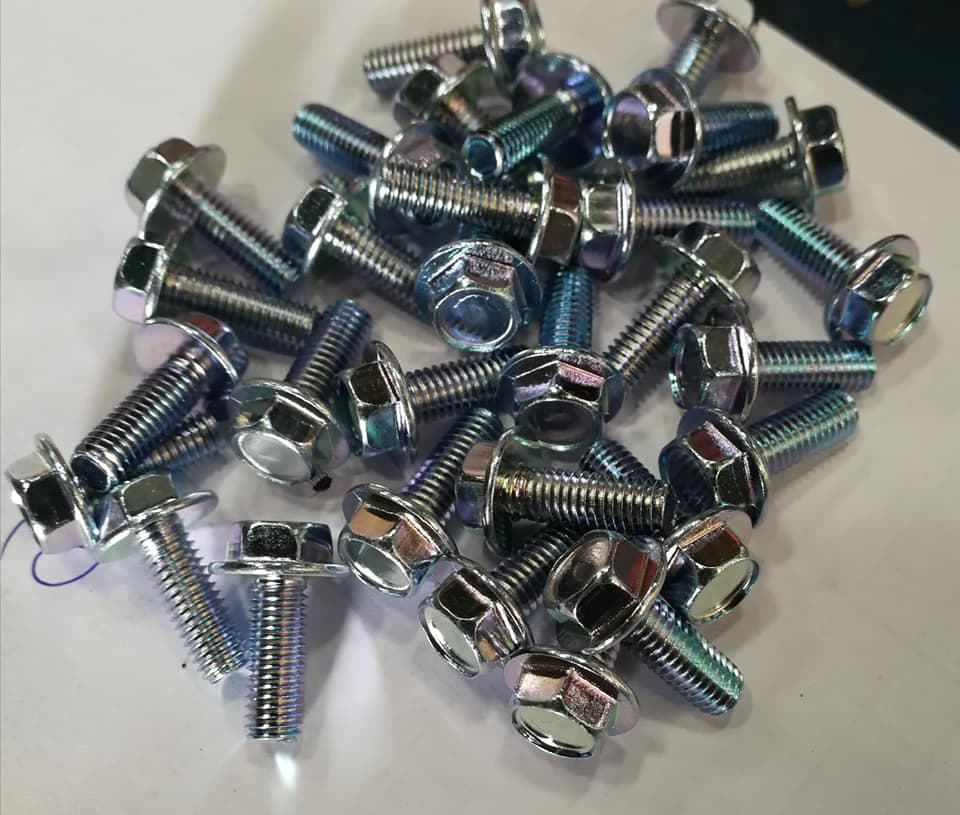
Hardening, Cr3+ zinc plating, phosphate coating and in-house lab testing, all on small parts at bulk volume.
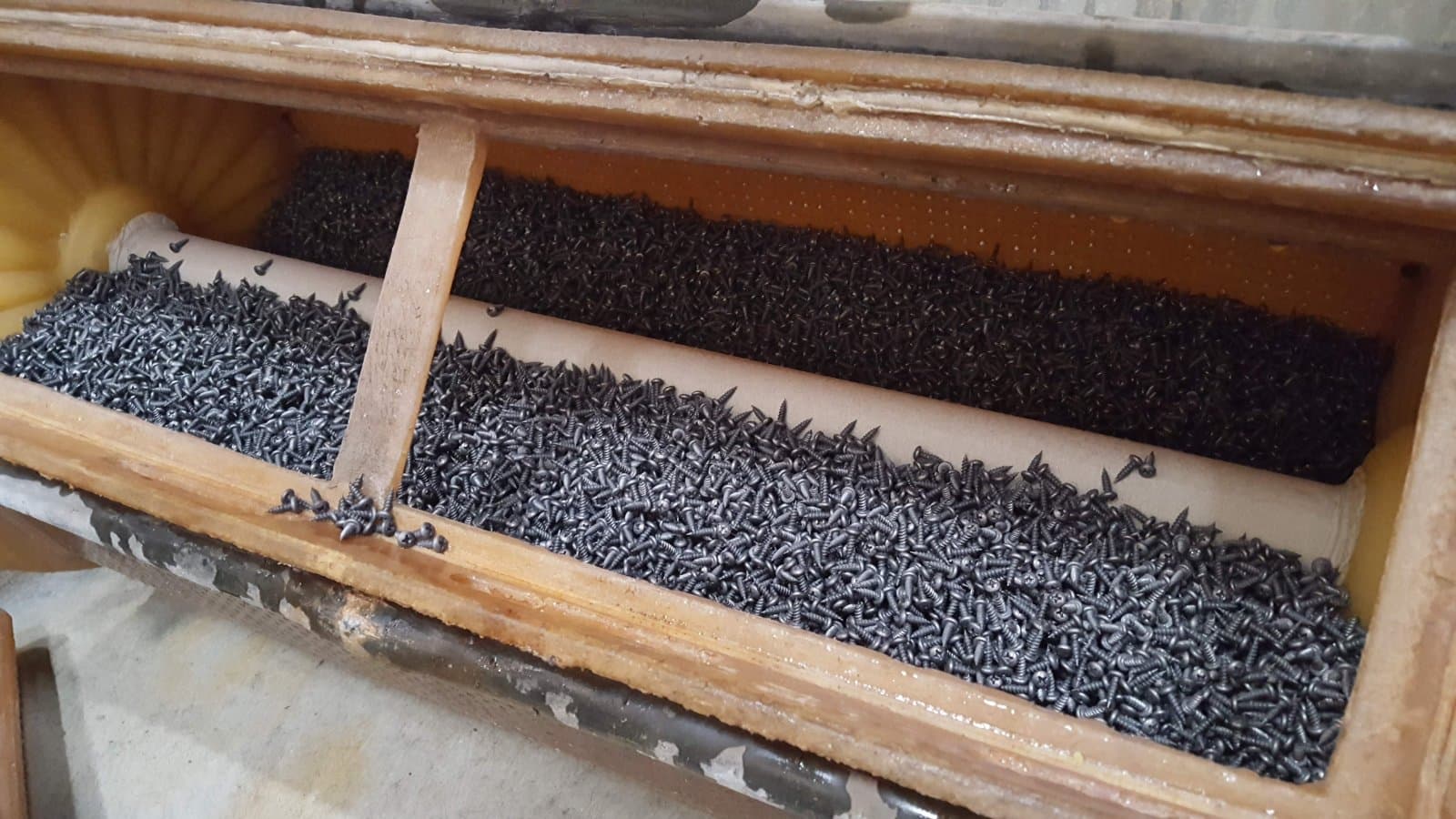
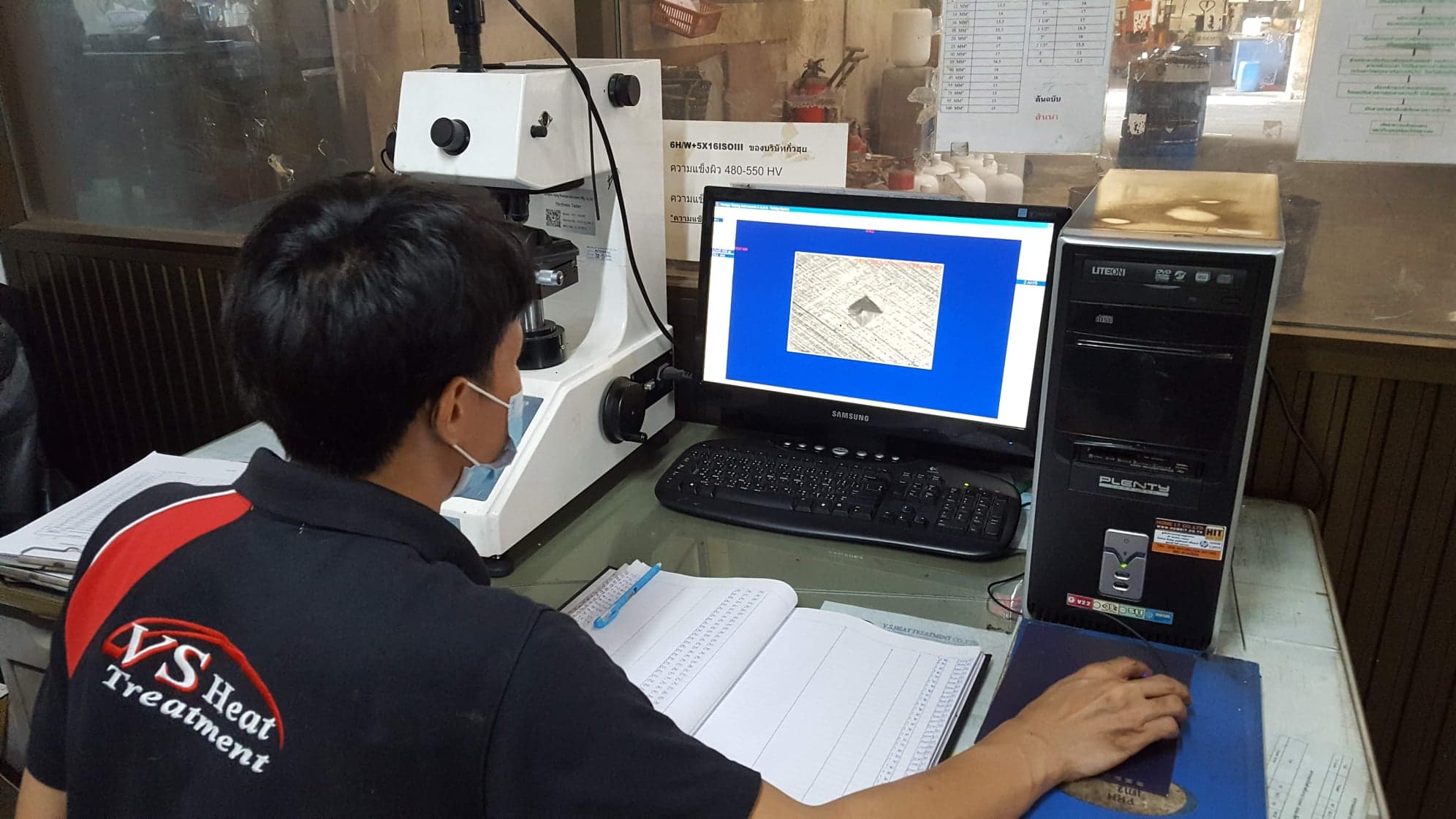
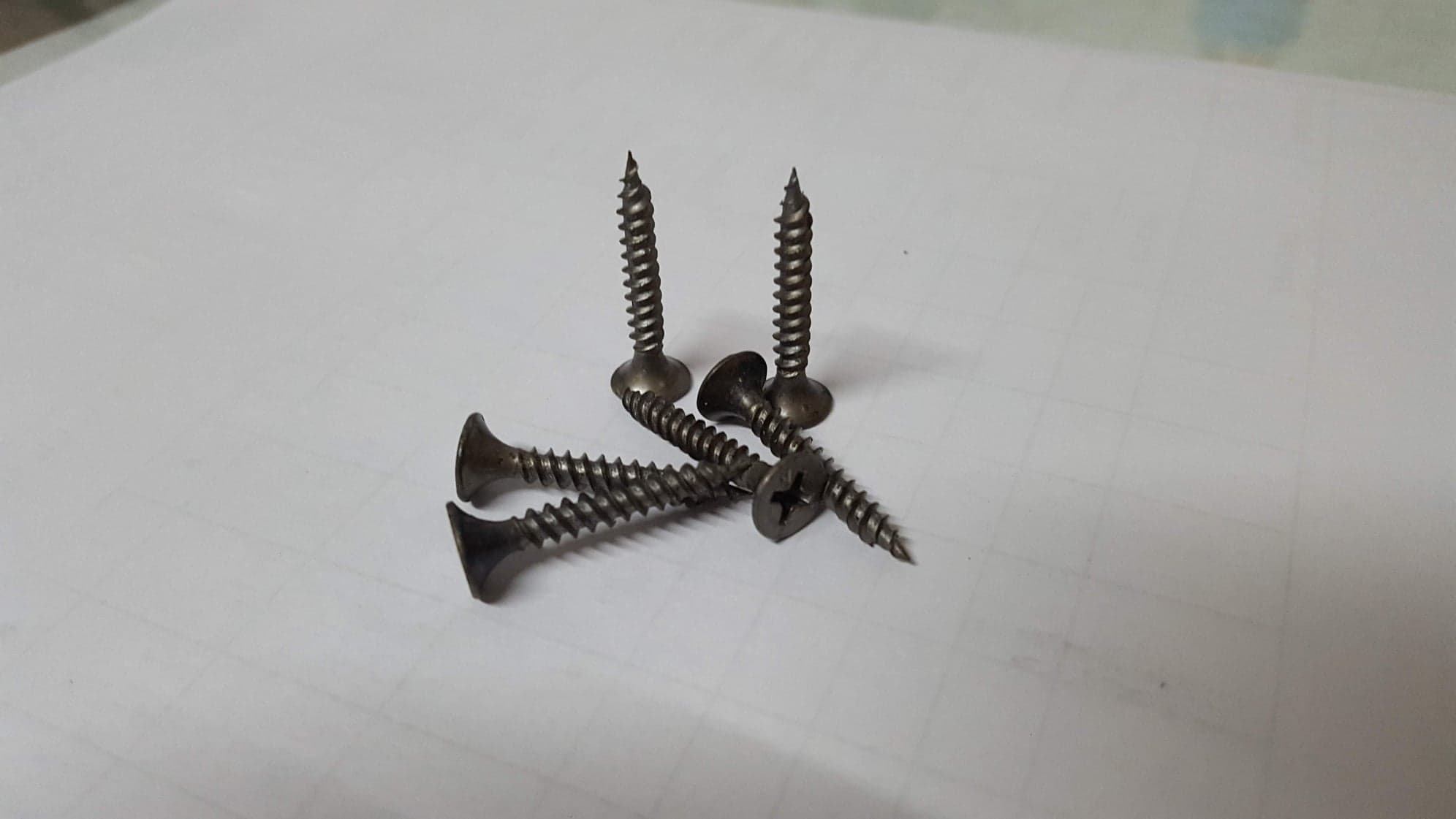
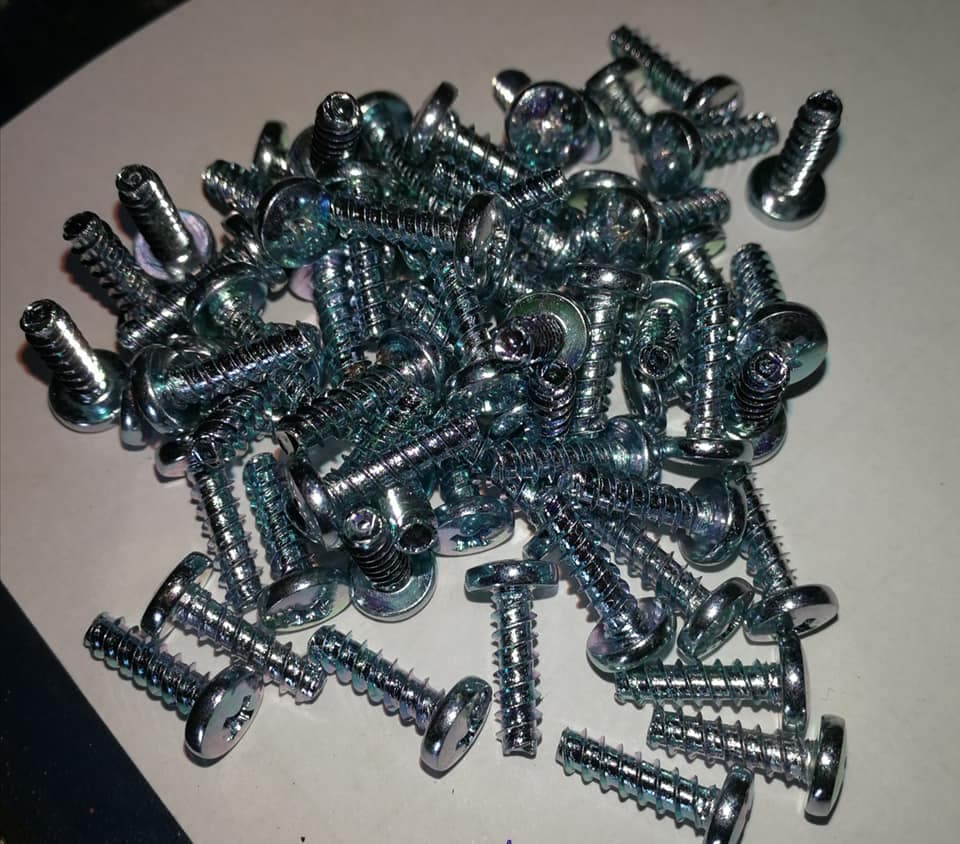
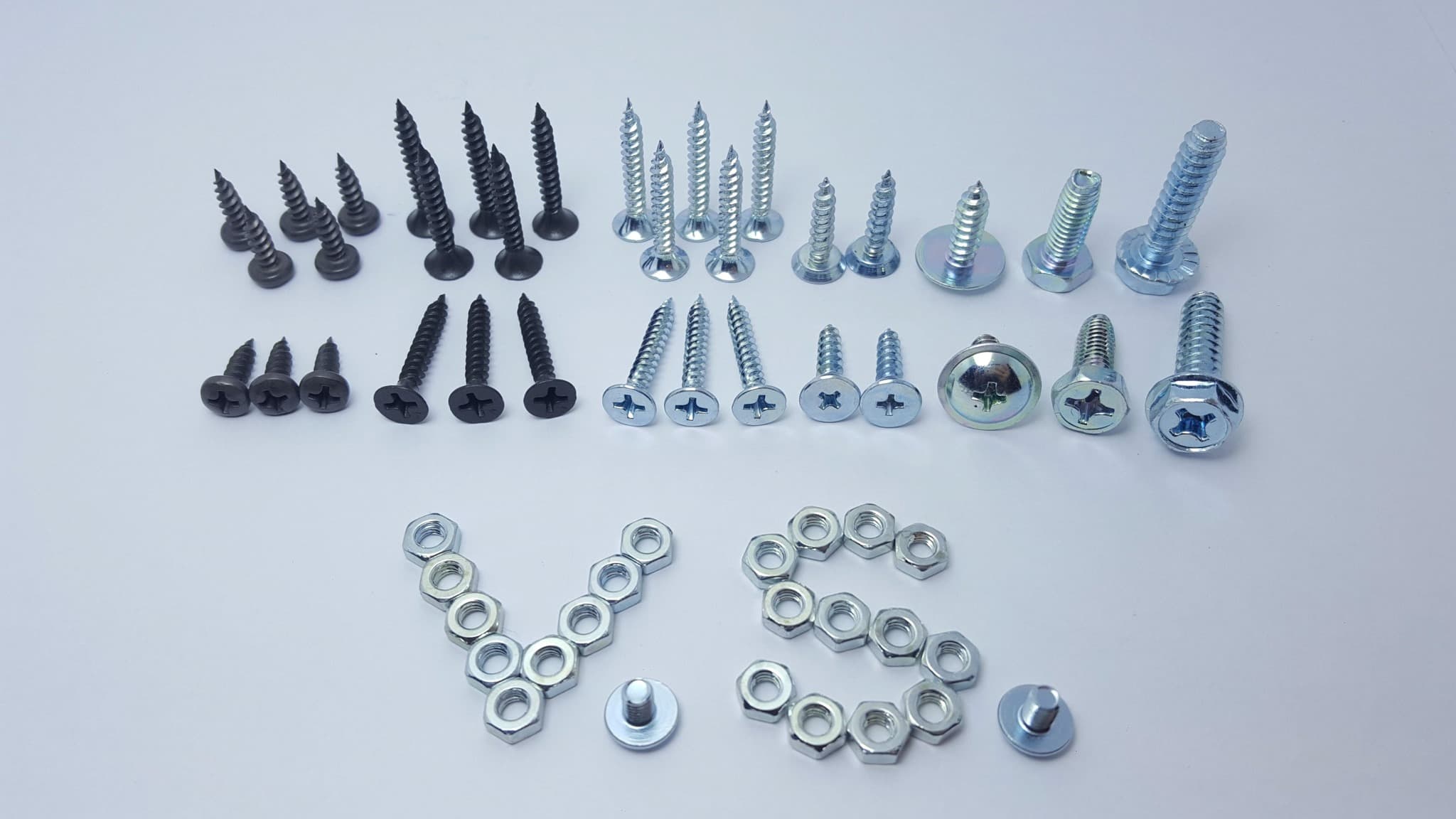
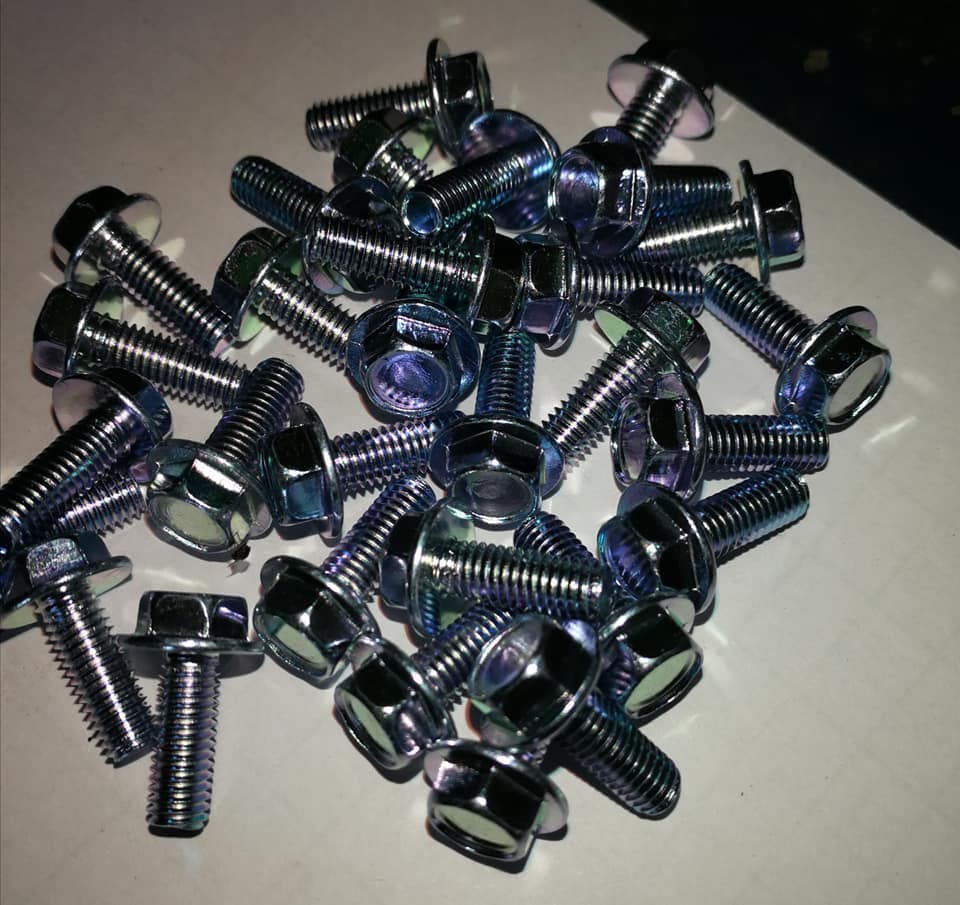
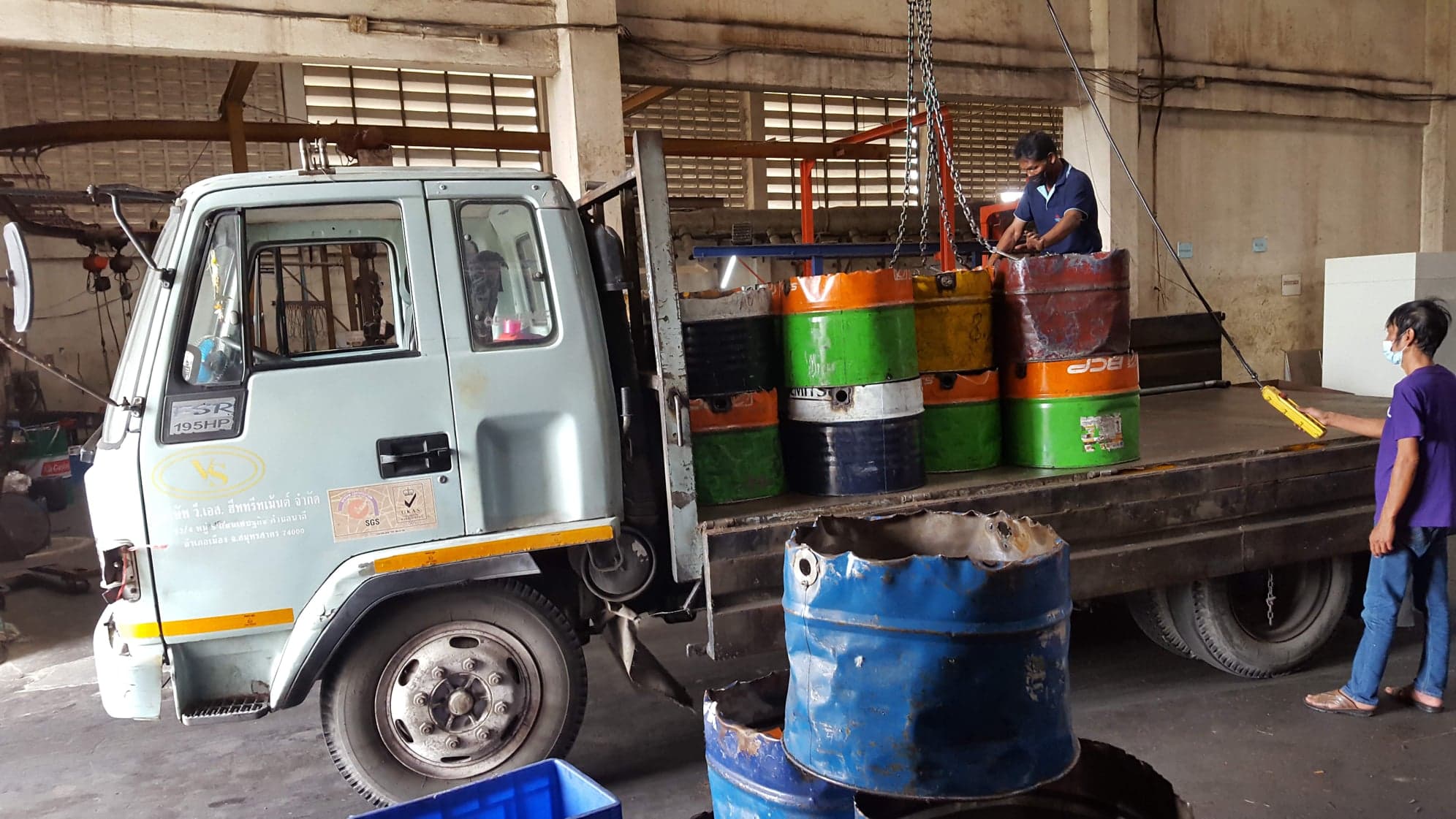
Sinsakhon takes its traffic from the Rama II corridor, and the nearest sea port by geography is Bangkok Port at Khlong Toei. Because the estate and our plant are in the same district, this is the shortest collection on the list — but we still will not publish a transit time, because the run is confirmed with sales for each lot. If you want to see the process before you commit a lot to it, this is the easiest estate to visit from.
Questions we get from this estate
Can you harden our SUS304 parts?+
No, and neither can anyone else. SUS304 is austenitic and stays austenitic through normal heat cycles, so there is no martensite transformation to use. Its strength comes from cold working during forming, which is what the ISO 3506 A2-70 and A2-80 classes describe. If the drawing needs hardness and corrosion resistance together, a hardenable stainless such as SUS420J2 or a coated alloy steel is the honest answer.
The parts are washed down every shift. Which finish should we ask for?+
Start from what the washdown contains and how the part is inspected, not from a number of salt-spray hours. Cr3+ zinc with a sealer performs differently from a phosphate, and a phosphate is a poor choice on a surface that is constantly rinsed. Send the drawing and the washdown chemistry and our lab can plan a salt-spray test against your own acceptance rule instead of a generic one.