
Small-part finishing for factories in the Northern Region Industrial Estate, Lamphun
This is the only estate on this site that is neither in the central plain nor on the eastern seaboard. The process does not change because of that. What changes is that the decisions have to close on paper before the parts move.
We run one plant, and it is in Samut Sakhon. This page covers collection and delivery for customers in Lamphun — it is not a branch or a facility in Lamphun.
This estate at a glance
| Province | Lamphun |
|---|---|
| Road corridor | — |
| Nearest sea port | Bangkok Port (Khlong Toei) |
| IEAT-designated | Yes |
| Eastern Economic Corridor | No |
| Industry mix | electronics, general manufacturing & SMEs, machinery |
Reviewed:

What this estate is
The Northern Region Industrial Estate is one of the estates the Industrial Estate Authority of Thailand operates itself rather than with a private developer. It is at Ban Klang in Mueang Lamphun district, fronting Highway 11, and IEAT’s own record dates it to 1985. That record also splits the land into a general industrial zone and an I-EA-T free zone — and the free zone is the larger of the two, which is the single most telling thing about the place: it was laid out for manufacturing whose output leaves the country. The estate’s own material names electronics manufacturing among the work done inside it. Beyond that we will not name a dominant sector, because no per-sector breakdown of this estate is published that anyone could check. What can be said plainly is that this is the anchor of industrial manufacturing in the north, and that the parts it needs finished are small ones.
What this estate asks of a small part
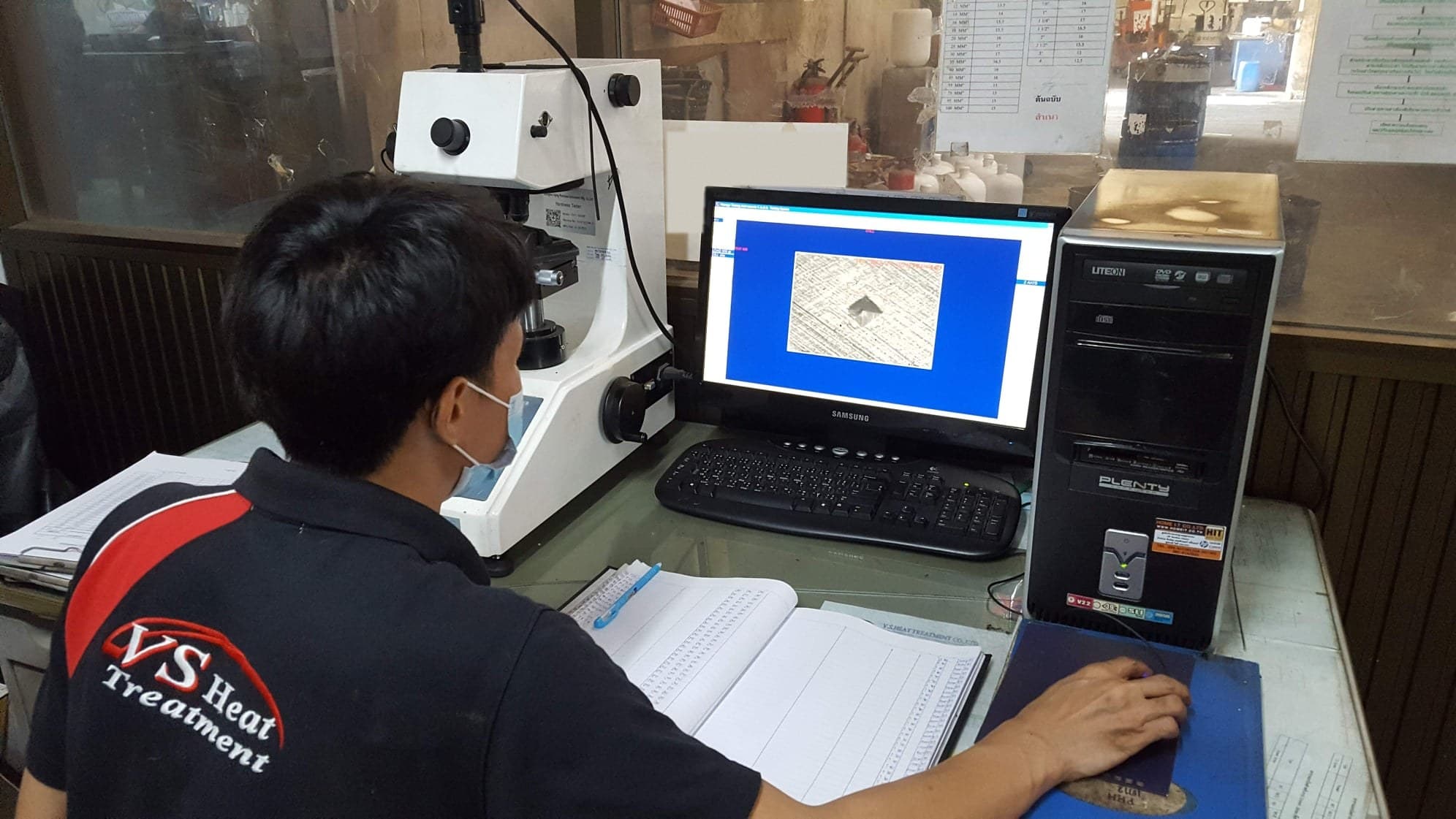
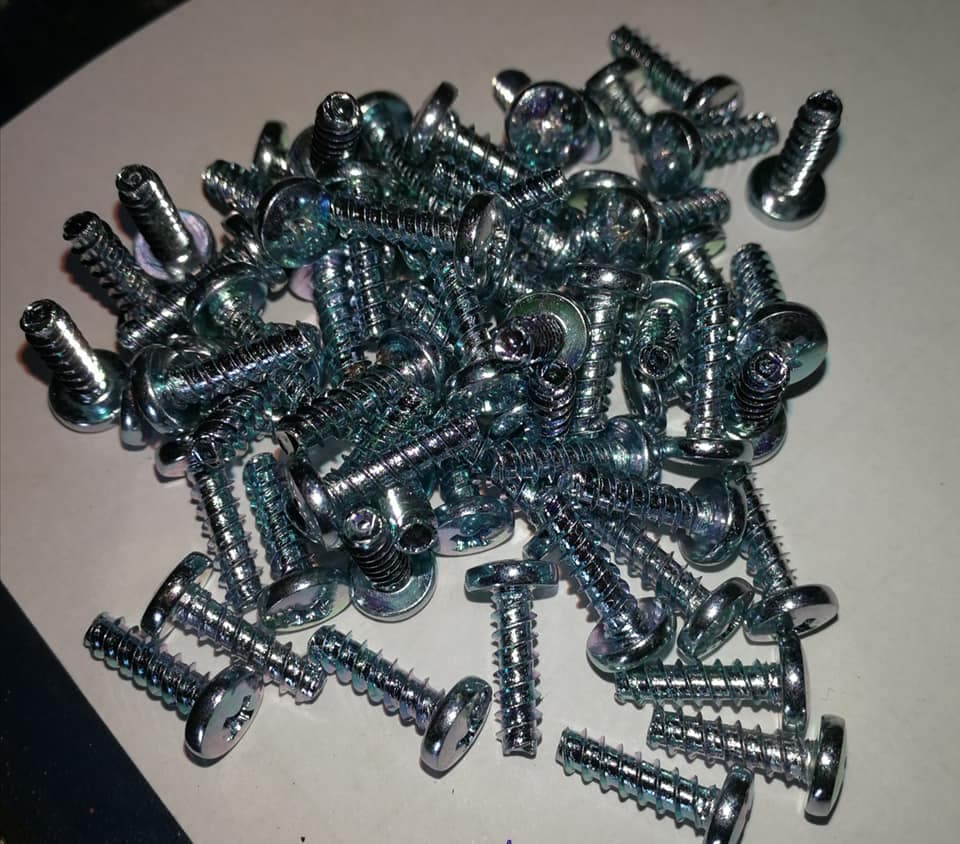
What changes when a part is made in the north and finished in the central plain is not the process. It is that a round trip is expensive enough that guessing stops being affordable, and three things follow from that. First, send the drawing and the material designation before you send parts. Elsewhere on this site we tell people to send a sample and let us measure it; from here that advice costs a journey, so the cheapest first move is paperwork, not freight. Second, a material designation is not a property class. SCM435 says what the steel is; it does not say what the finished part has to reach, and those two are decided separately. If the drawing carries a JIS designation, or your customer’s internal code instead of an ISO 898-1 class, say so — JIS B 1051 uses the same property-class system as ISO 898-1 and maps cleanly, an in-house code often does not, and where the mapping is not exact we will tell you it is not exact instead of choosing the nearest class quietly. Third, this is a small-part mix, so appearance and cleanliness get judged as hard as hardness does, and because the parts arrive here with no context attached — no line, no operator, nobody to ask — the record that goes back with them is part of the deliverable rather than an attachment to it: hardness readings, coating thickness, and salt-spray results where your customer imposes them, all recorded against the lot they came from.
Services for factories in this estate
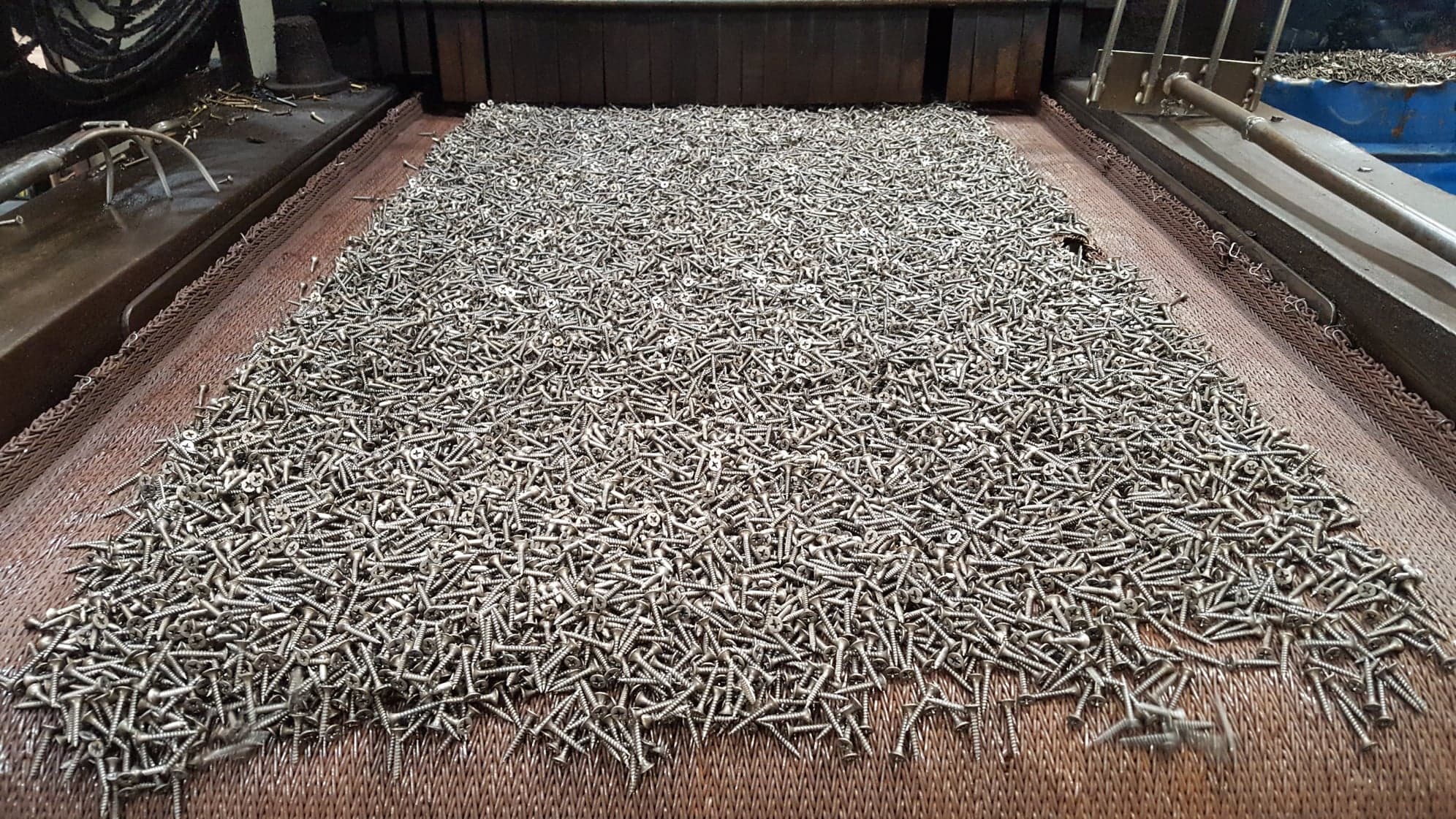
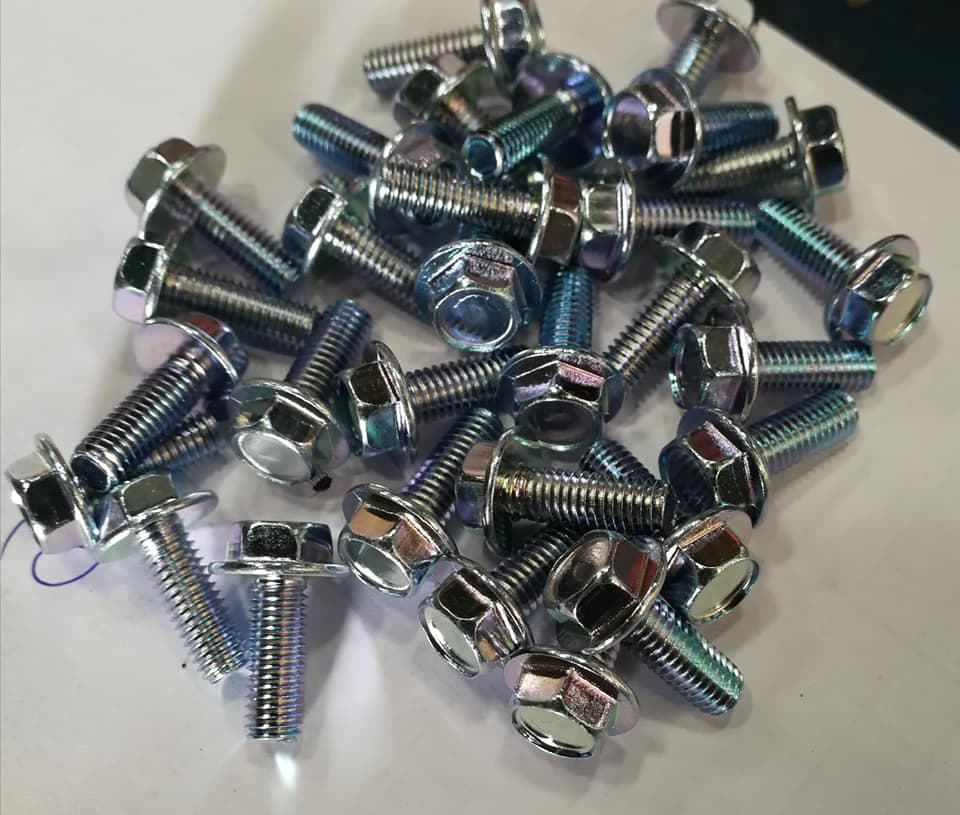
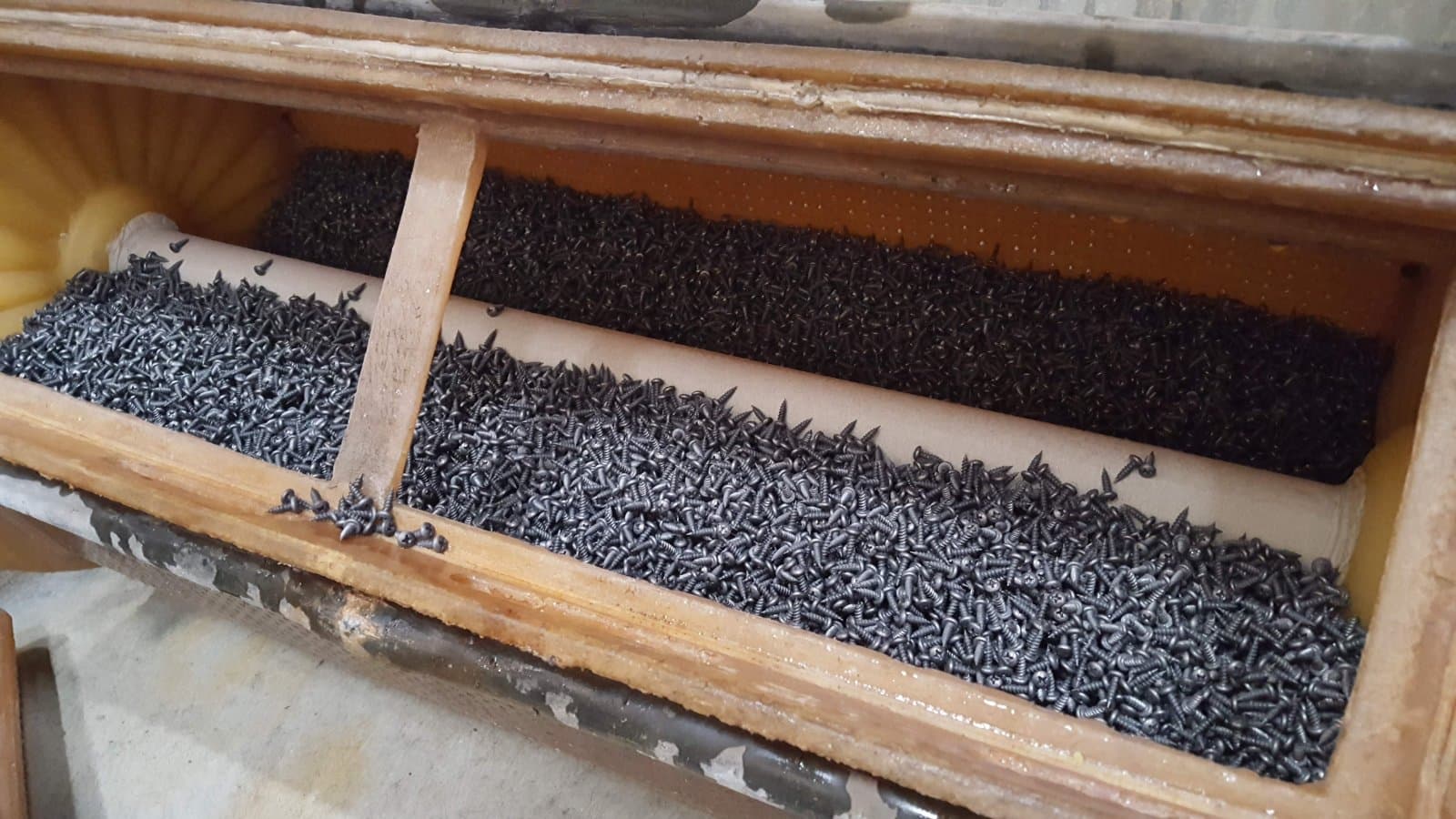
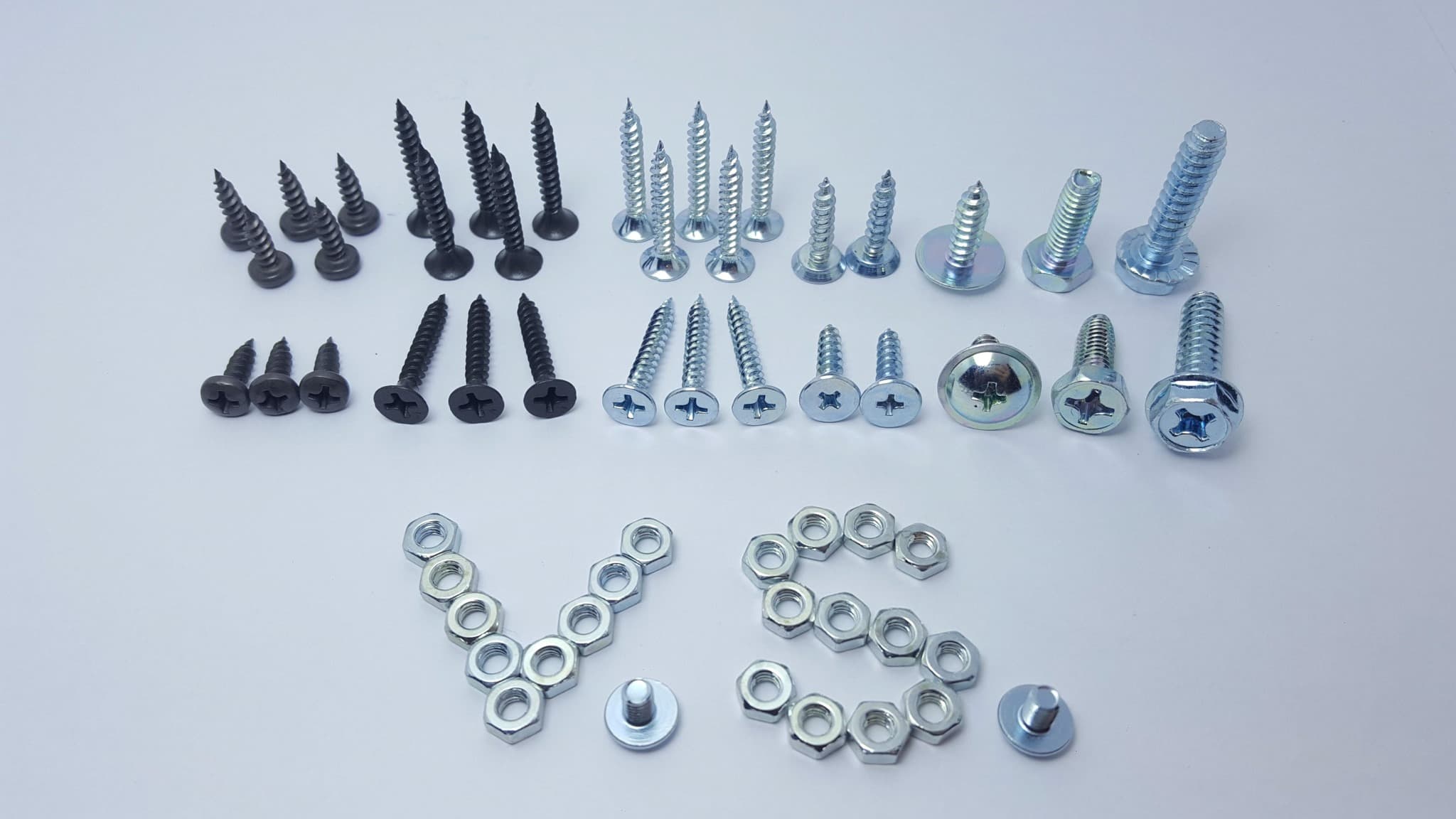
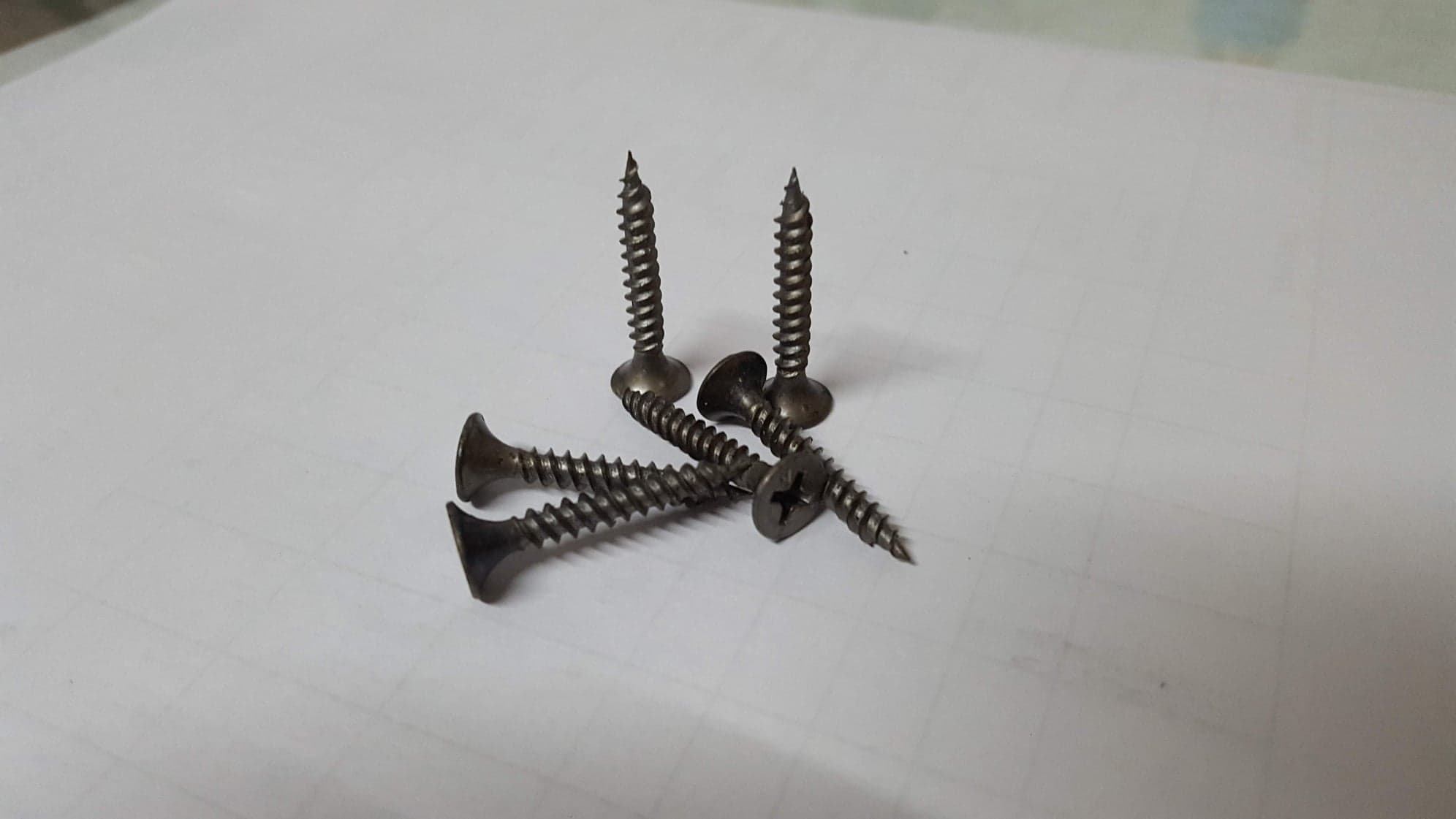
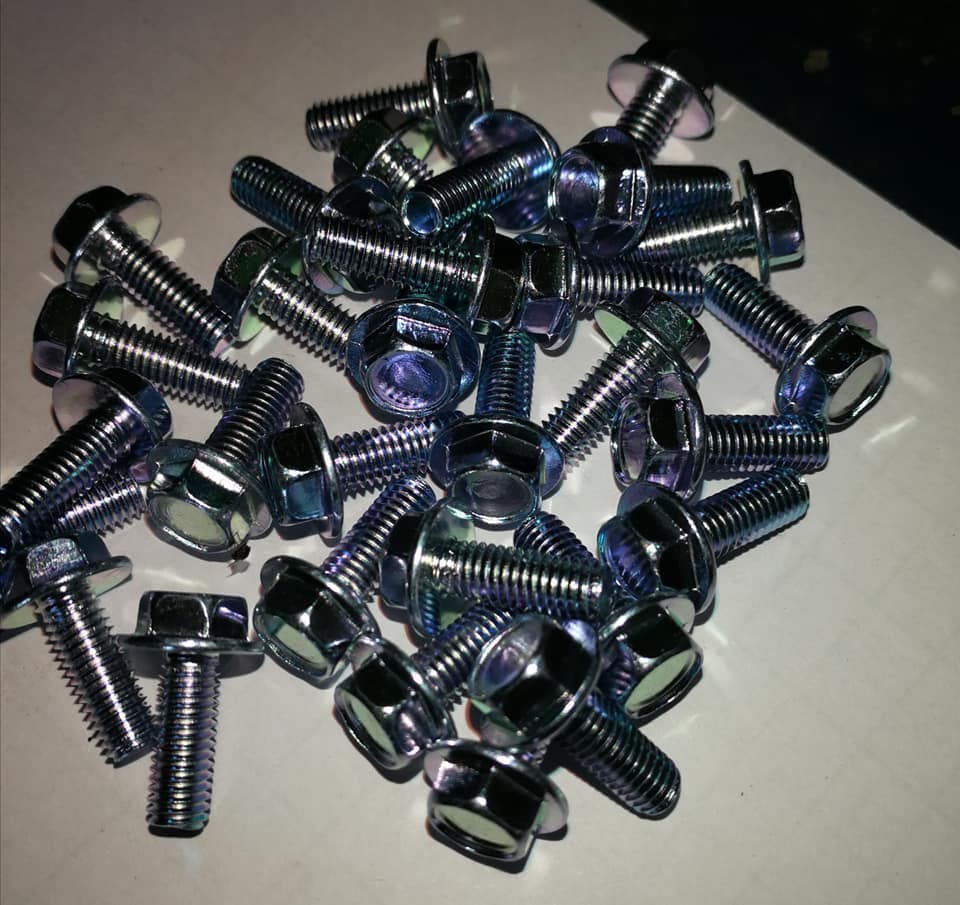
Hardening, Cr3+ zinc plating, phosphate coating and in-house lab testing, all on small parts at bulk volume.
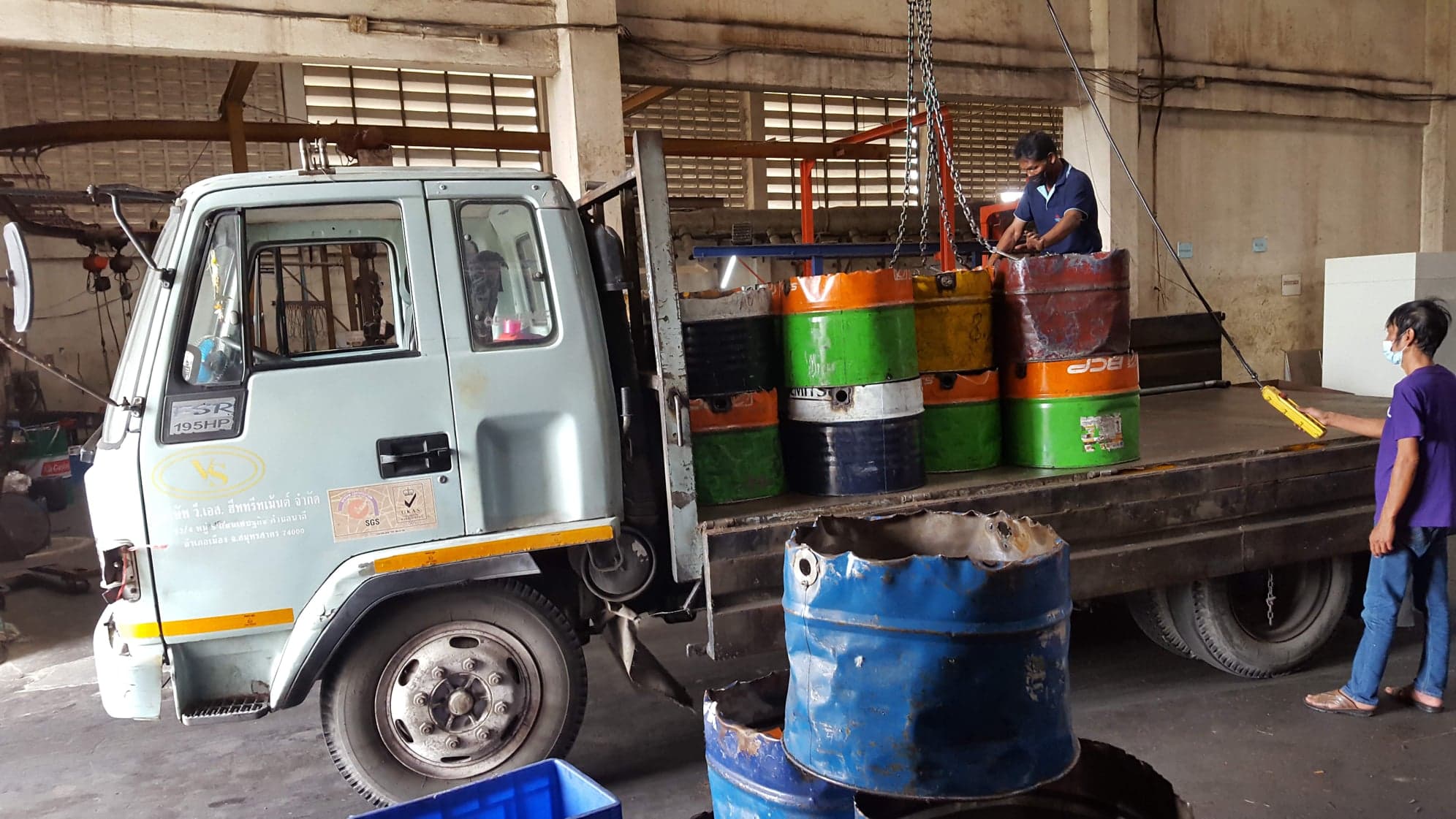
The estate fronts Highway 11, and that is exactly why the corridor row on this page is blank: Highway 11 is not one of the eight roads this table names, and we would rather leave the row empty than promote a road the table does not cover. The port row says Bangkok Port, which is the nearest sea port by geography — there is no second candidate to weigh here, because every road route south reaches Bangkok first. It is also, on this page more than any other on the site, the row that explains the least. An export box packed in Lamphun leaves through whichever gateway your forwarder books, and that is decided on freight rates and sailing schedules rather than on which port is closest. If your plant sits inside the estate’s free zone, tell sales at quotation: the customs procedure belongs to your broker and we do not advise on it, but it changes how a lot has to be identified and counted at both ends. Collection and delivery are arranged per lot with sales, and from this far out it pays to consolidate into fewer, larger lots instead of moving small ones often. We publish no transit times; the only time promise on this site is that we reply to a quote within 24 hours.
Questions we get from this estate
We are in Lamphun. Is it worth sending small fasteners this far for hardening and plating?+
Sometimes it is not, and we would rather say so at quotation than take the work. If a supplier closer to you can hold the property class you need and give you records you can hand to your own customer, that is the better answer for one small lot. What travels well is the opposite case: bulk quantities of small parts, one clearly defined spec, and a requirement for measured results — hardness, coating thickness, salt spray where it is imposed — from a lab in the same building as the line. Send the drawing and the quantity and we will tell you honestly which of the two you are.
Our drawing gives a JIS designation, not an ISO 898-1 property class. Can you work to it?+
Yes, provided it is something we can measure against. JIS B 1051 uses the same property-class system as ISO 898-1, so a class quoted from it maps across without argument. A material designation such as SCM435 is a different kind of statement — it names the steel, not the strength of the finished part — so we still need the class, or the hardness range, you want it taken to. If the number on the drawing is your customer’s internal code, send the document behind it; where it does not map exactly onto something we can measure, we will say that rather than pick the nearest class and stay quiet about it.
How do we prove the process before committing a full production quantity?+
Run a qualification lot. Send a small, clearly identified quantity, tell us which characteristics you will judge it on, and we treat it as production rather than as a trial: same route, same parameters, same records. What comes back is parts plus measured results against your spec. If it passes, the parameters are recorded against that part number and the full quantity is run to them. If it does not, you have lost one small lot instead of one large one, and you still know why.
How should a lot be packed and identified for a trip this long?+
One drawing number, one material and one lot per container, labelled on the outside, with the delivery note stating the same quantities. Mixed pallets are the recurring problem with parts that travel: at our end there is nobody to ask which pieces belong to which drawing, and we will not sort them by eye. Parts that arrive separable go back separable, each with its own record — which is also what makes the return count reconcile against yours.