
Small-part finishing for factories in Bang Chan Industrial Estate
Bang Chan is the oldest industrial estate in the country, and age shows up in the work: a fair share of what leaves it is not new production but hardware that has to match something built decades ago.
We run one plant, and it is in Samut Sakhon. This page covers collection and delivery for customers in Bangkok — it is not a branch or a facility in Bangkok.
This estate at a glance
| Province | Bangkok |
|---|---|
| Road corridor | — |
| Nearest sea port | Bangkok Port (Khlong Toei) |
| IEAT-designated | Yes |
| Eastern Economic Corridor | No |
| Industry mix | general manufacturing & SMEs, steel & metalworking, machinery |
Reviewed:
What this estate is
Bang Chan opened in 1972 and was transferred to the Industrial Estate Authority of Thailand the following year, which makes it Thailand’s first industrial estate and one of the few IEAT still operates itself. It straddles Khan Na Yao and Min Buri, split by Khlong Bang Chan, and is entered from Soi Seri Thai 87. IEAT designates it a general industrial zone rather than a sector estate, and we have not found a published breakdown of what is actually inside the fence — so this page does not name a dominant industry for it. What we can say is what a general zone of that age behaves like: small by modern standards, mixed use inside its own boundary, and full of plants that have been in the same building longer than most of their drawings.
What this estate asks of a small part
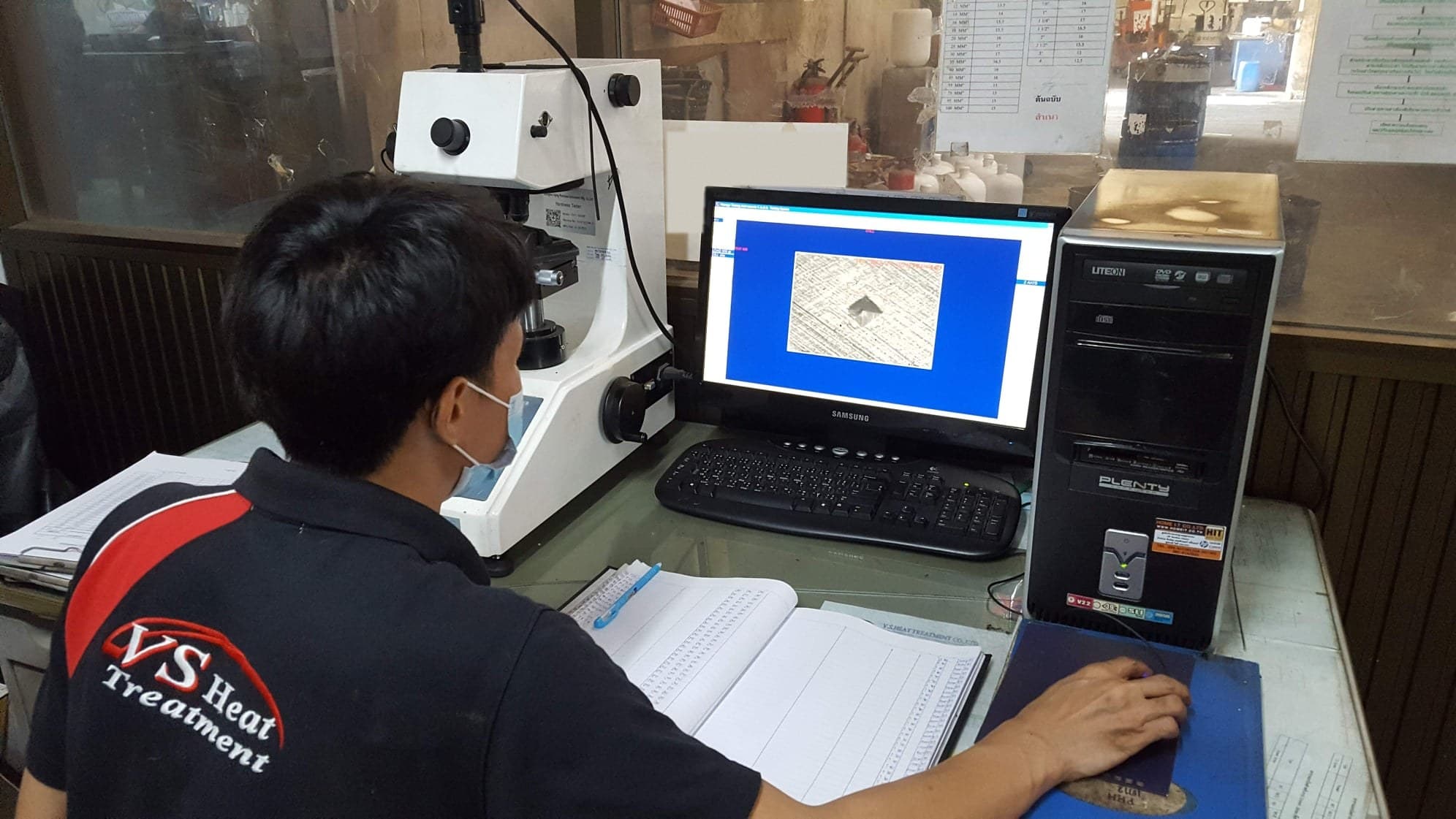
The recurring problem from an estate this old is not a hard specification, it is a missing one. A drawing that says only “bolt, hardened” with no property class; a pin whose original supplier no longer exists; a machine part that has to match a mate nobody has a drawing for at all. We do not fill that gap by guessing. If you send a sample we can measure it — hardness first, and where the drawing allows a part to be sacrificed, a section to see whether the hardness is through the part or only on its surface — and tell you what that corresponds to in ISO 898-1 terms. Then you choose the class, in writing, and we work to your choice rather than to our reading of an old print. The other trap in a general zone is material: free-cutting steel will not respond to a quench the way the drawing assumed, and austenitic stainless cannot be hardened by heat treatment at all, so the material designation matters more here than anywhere else on this site.
Services for factories in this estate
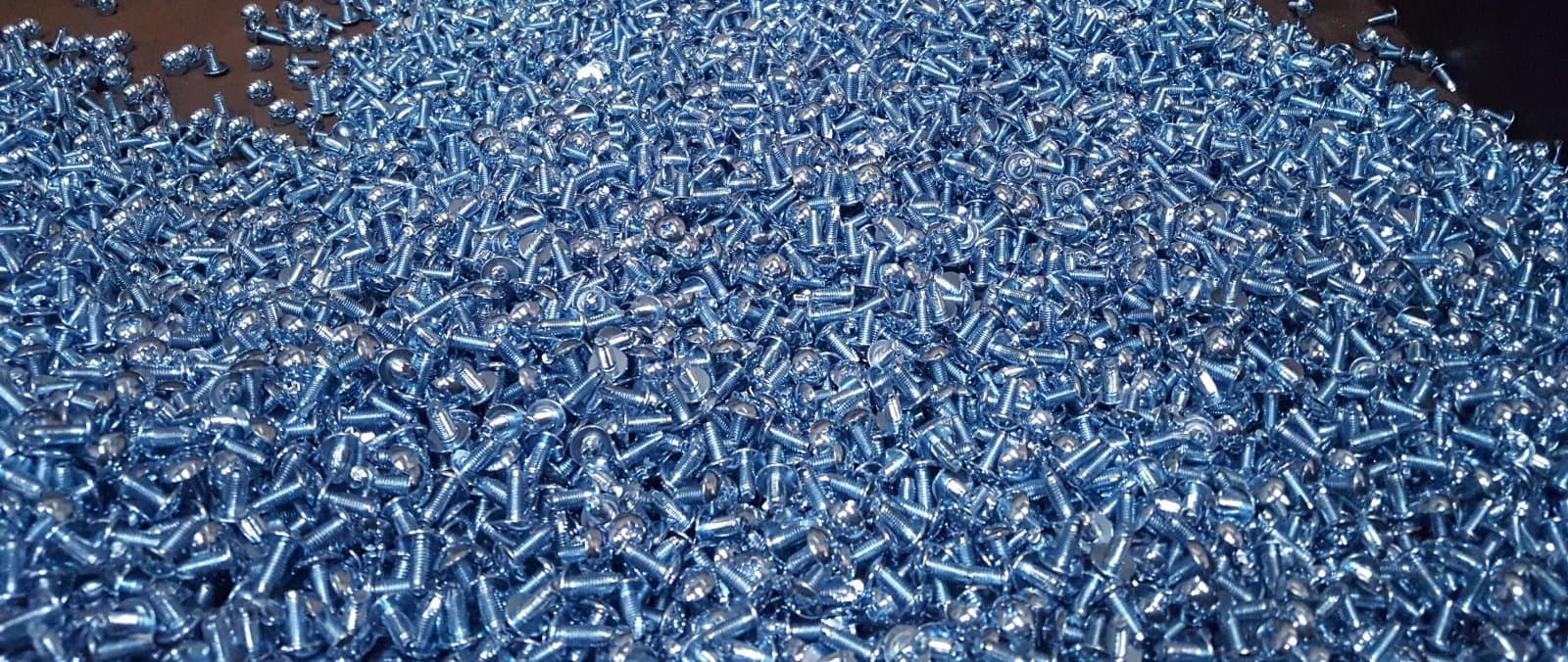
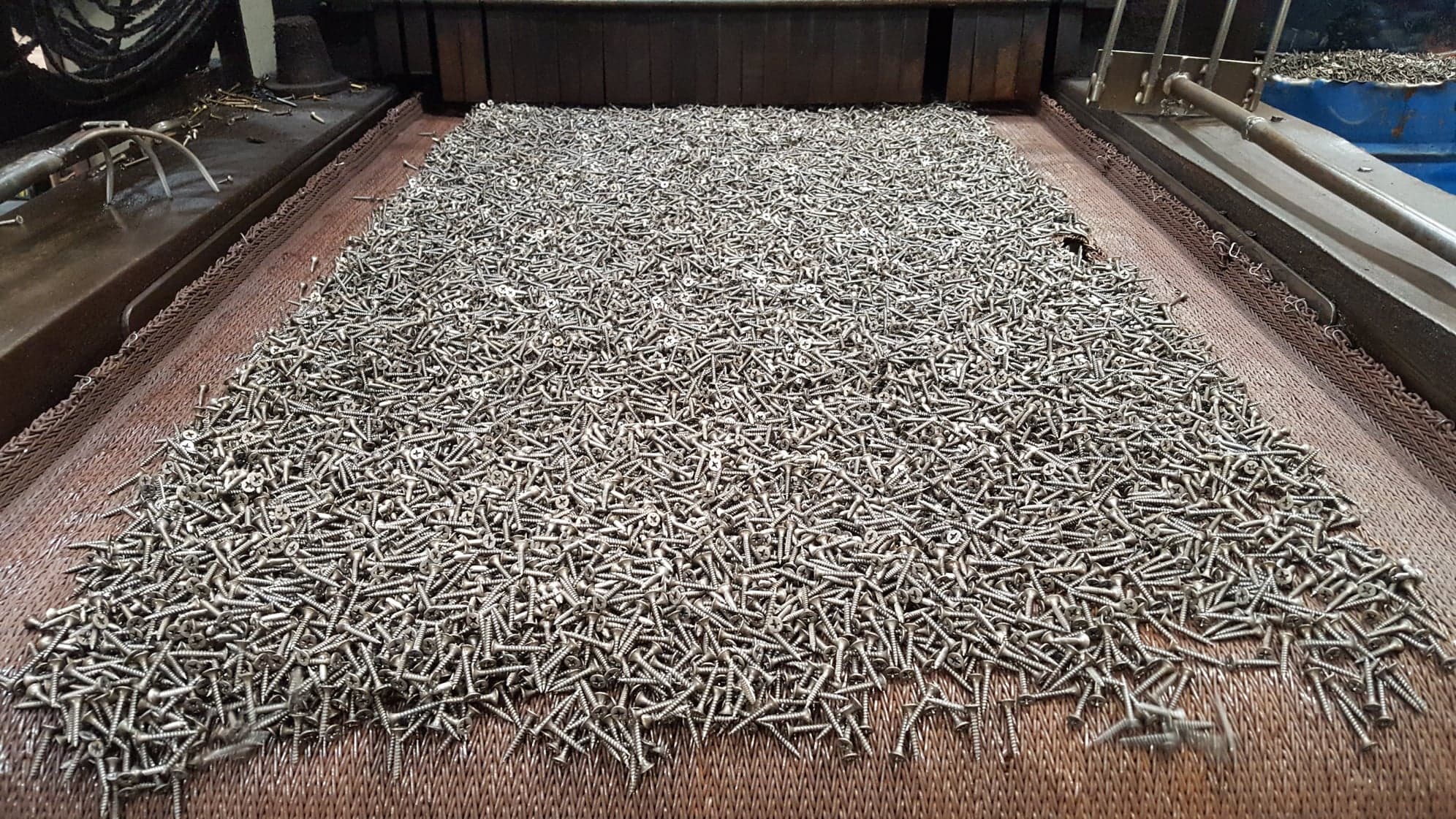
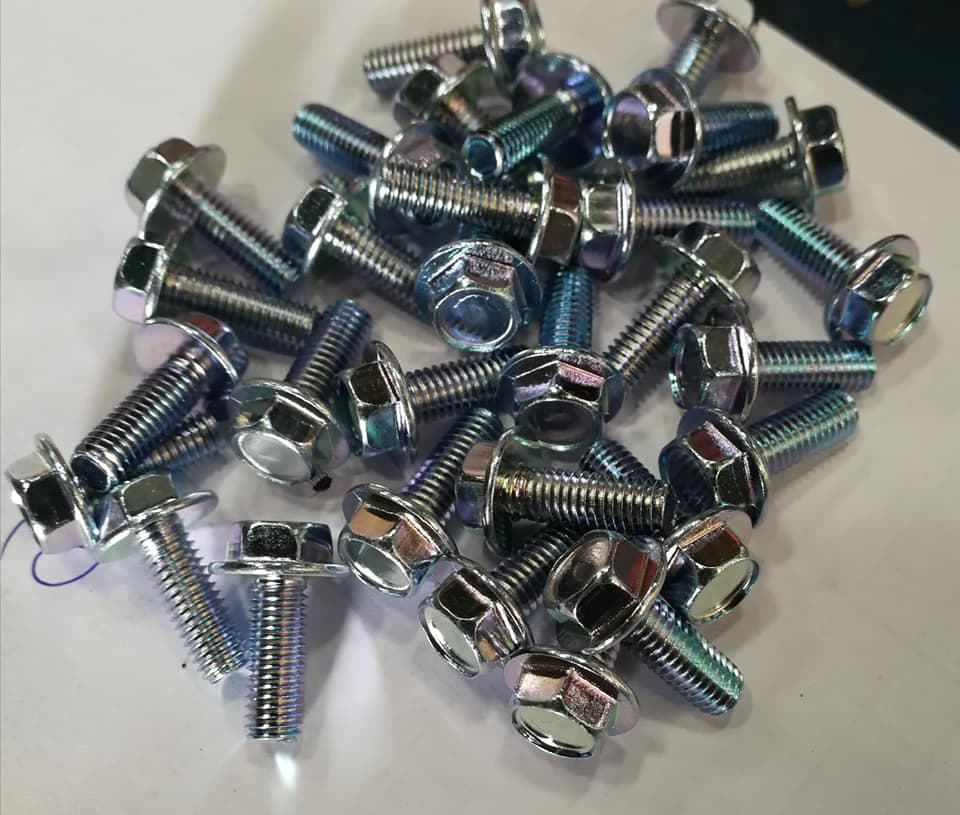
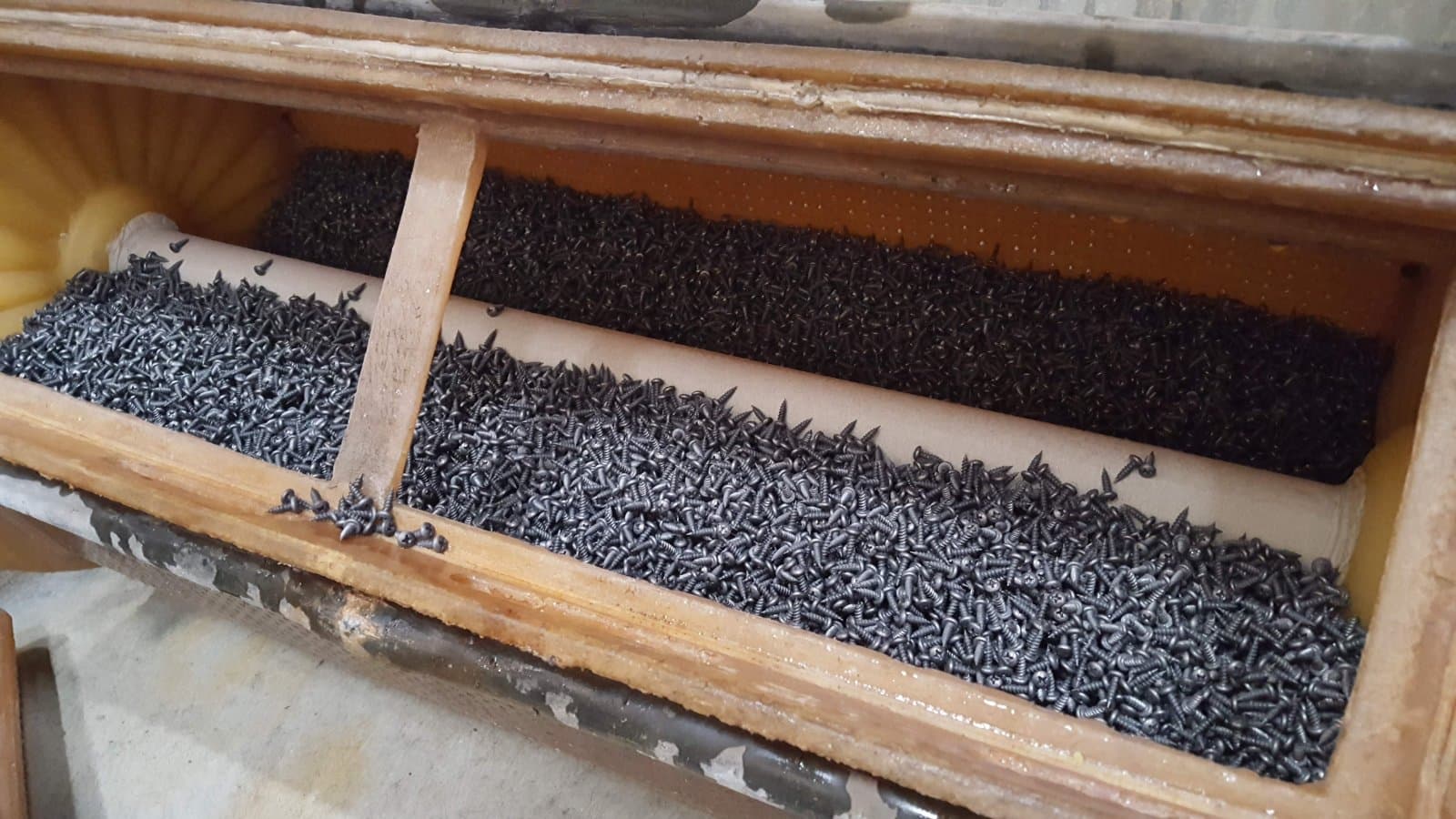
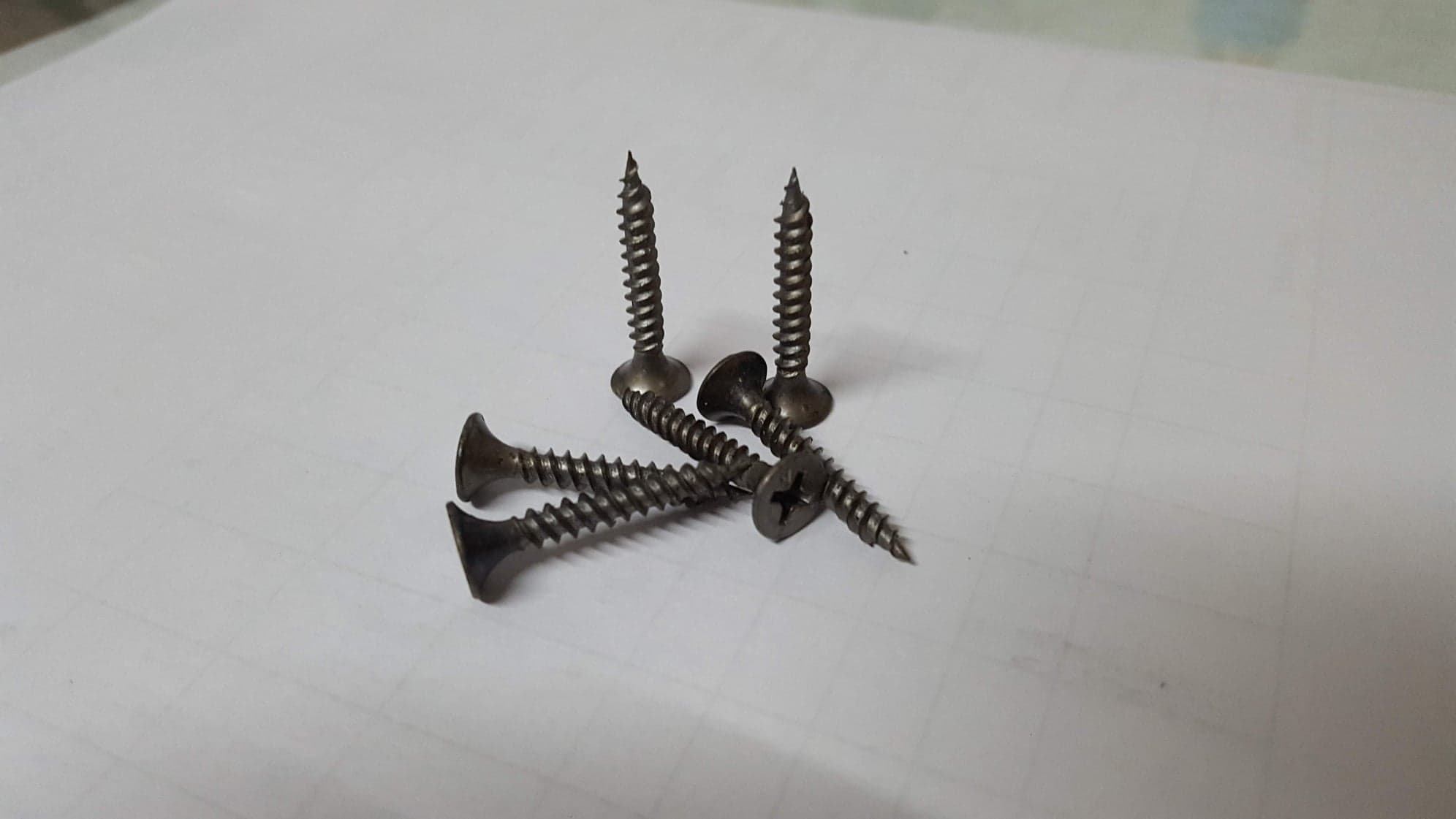
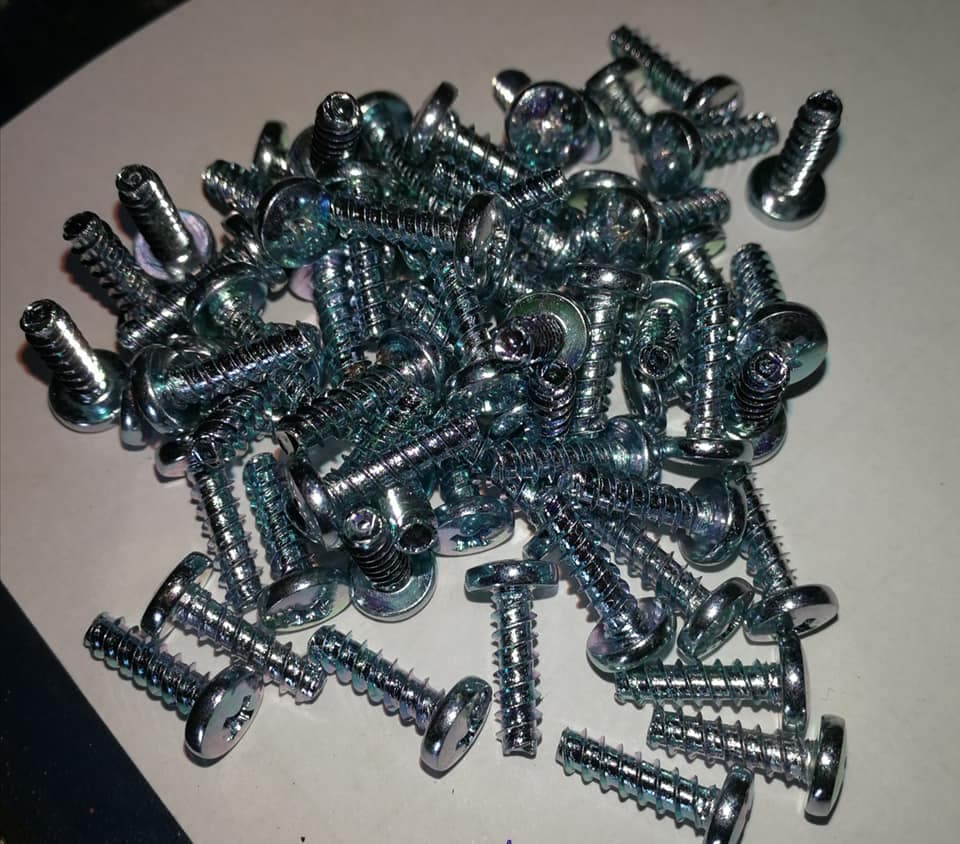
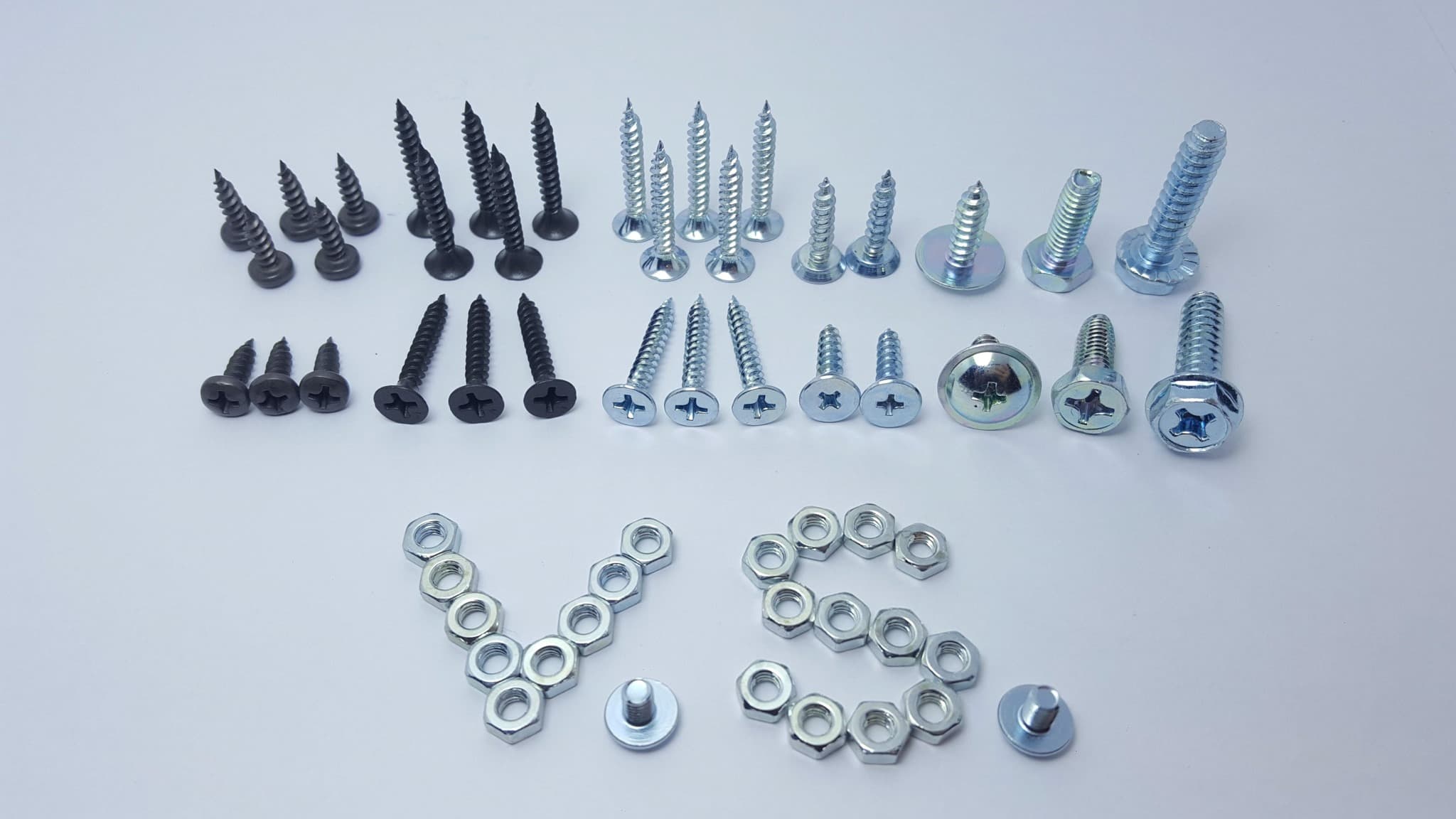
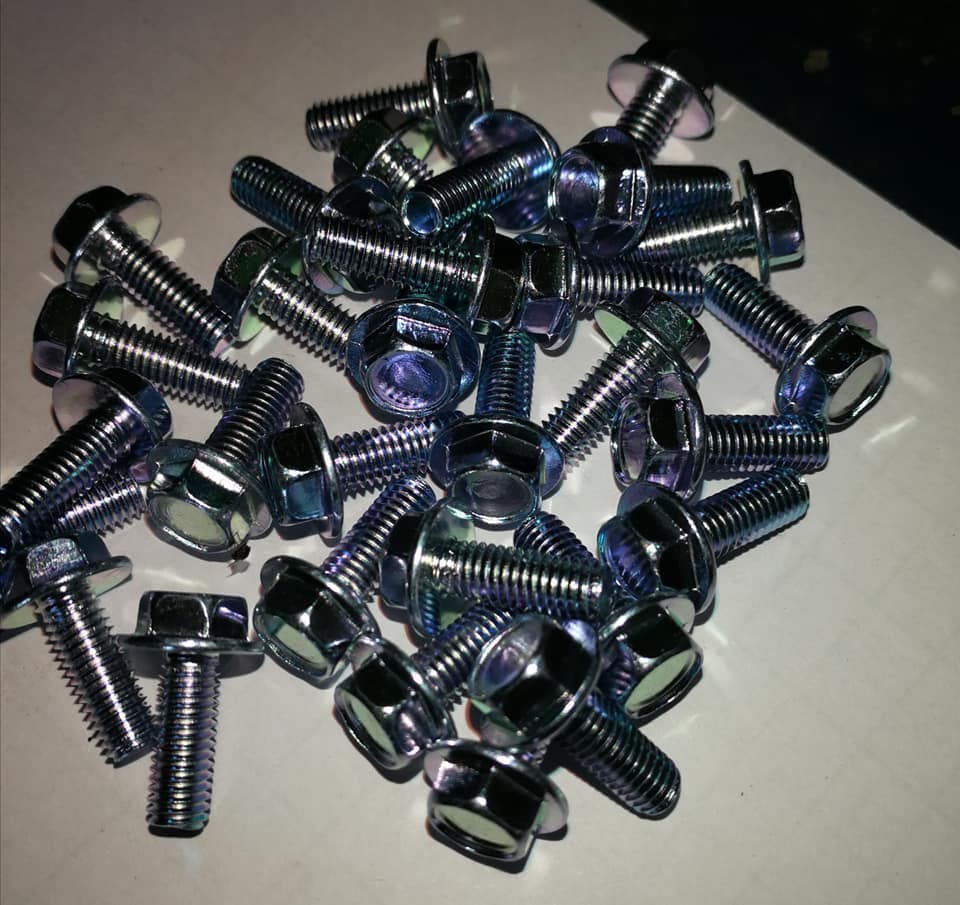
Hardening, Cr3+ zinc plating, phosphate coating and in-house lab testing, all on small parts at bulk volume.
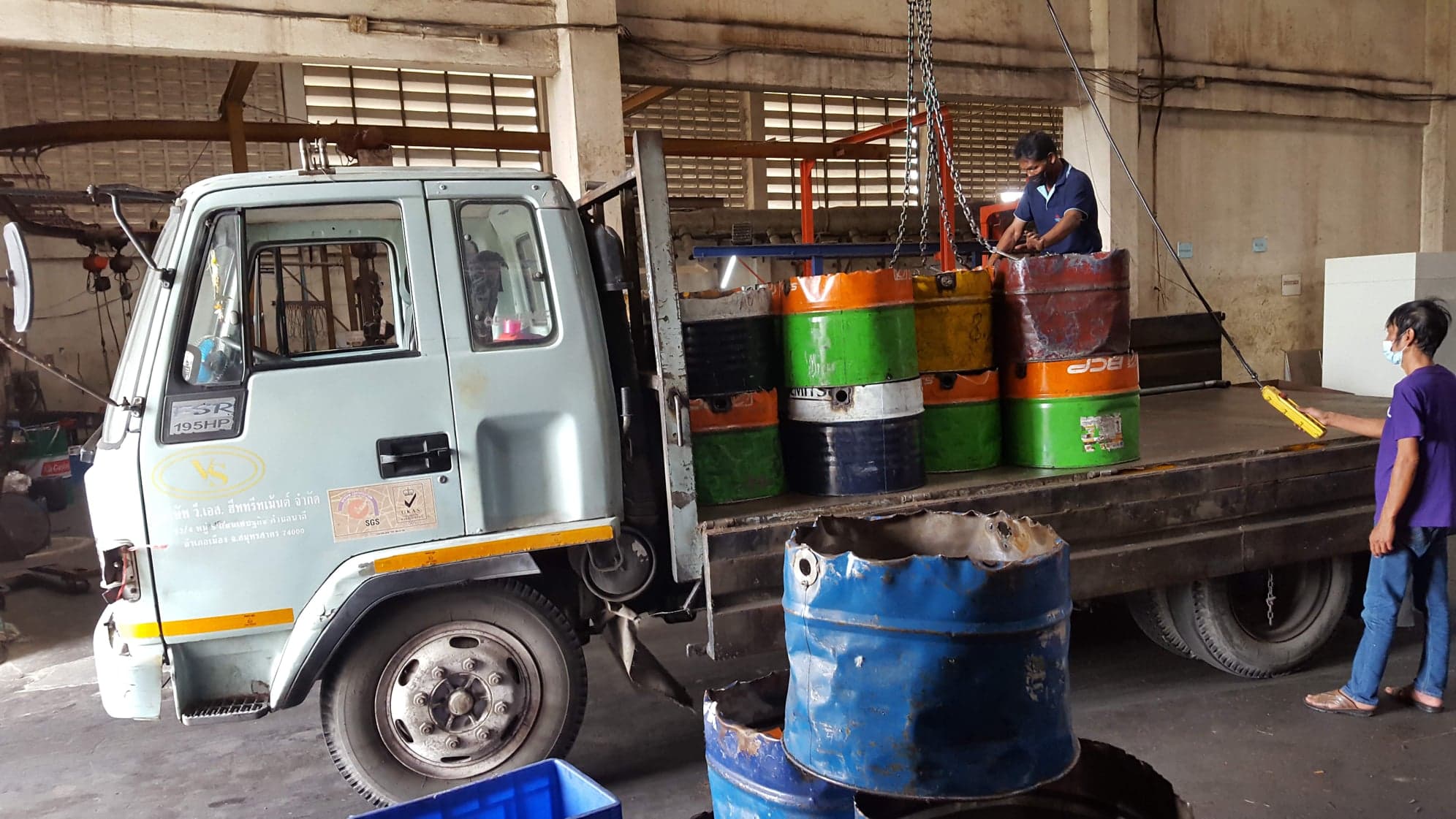
The corridor row is blank because the estate is entered from Seri Thai Road, which is not one of the highways this table names, and we are not going to promote it to a corridor it is not on. The nearest sea port by geography is Bangkok Port at Khlong Toei. The real constraint on moving parts to and from Bang Chan is not distance but the city around it — an estate inside built-up Bangkok is reached through city traffic and city load restrictions. We arrange collection and delivery per lot, confirm the run with sales when the job is booked, and publish no transit times.
Questions we get from this estate
Our drawing is thirty years old and gives no property class. What will you set?+
Nothing, until you tell us. We will measure a sample and tell you what the existing part corresponds to, and we will say plainly if the measurement is ambiguous — a surface-hardened part and a through-hardened part can read the same on a surface test. You then confirm the class in writing and that confirmation goes on the job. A supplier who picks the class for you is a supplier who owns the failure, and neither of us wants that arrangement.
We need twenty replacement pins, not twenty thousand. Will you take it?+
Tell us and we will answer honestly at quotation. This plant is built around small parts in bulk, and a very small lot carries the same setup as a large one, so the price per piece looks nothing like a production price. Sometimes that is still the right call for a machine that is down. Sometimes it is not, and we will say so.
The part is stainless. Can you harden it?+
It depends which stainless. Austenitic grades in the 300 series cannot be hardened by heat treatment — their strength comes from cold work and is described by ISO 3506 classes, not by ISO 898-1. Martensitic grades such as 410 and 420 can be hardened and tempered. Send the material designation with the drawing and we will tell you which of those two conversations we are having.