
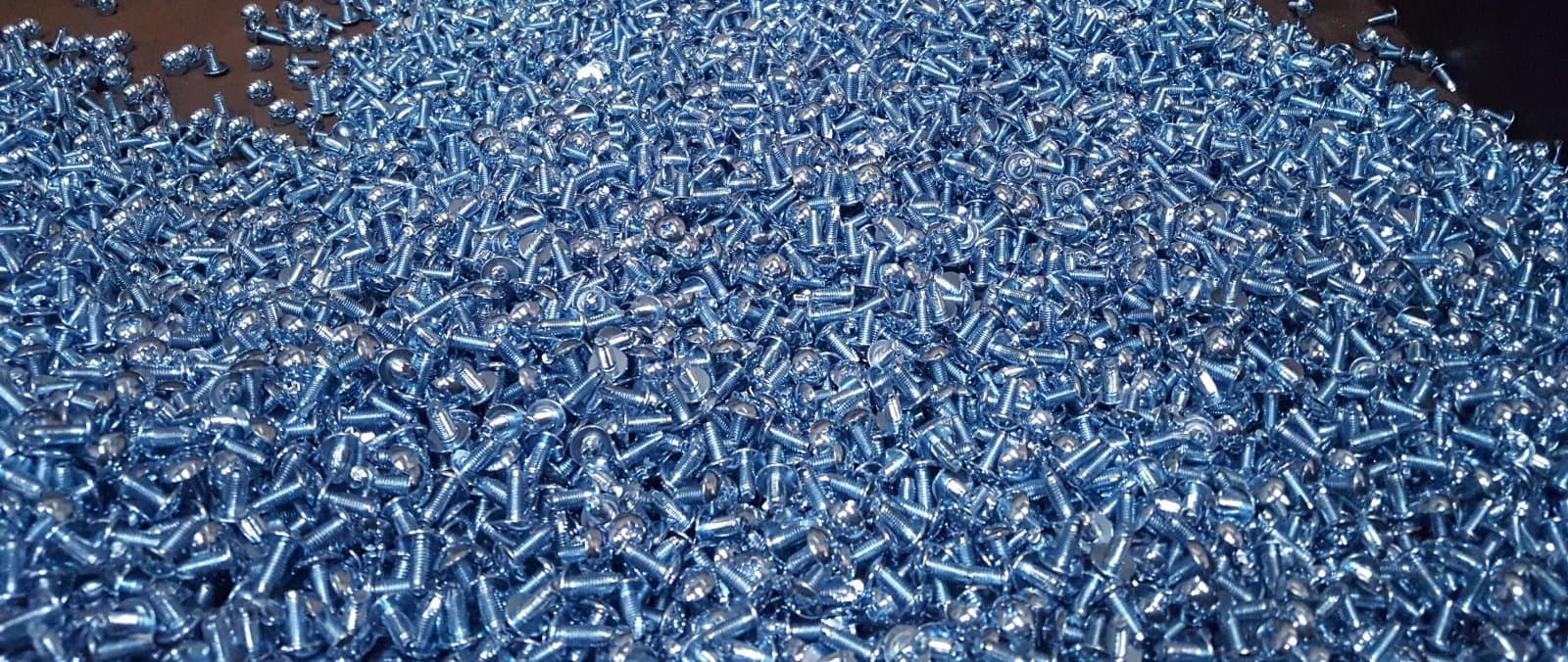
Small-part finishing for factories in Hi-Tech (Ban Wa) Industrial Estate
Hi-Tech is electronics-led, and electronics fasteners are the smallest, fussiest parts that come through this plant. Thickness, appearance and thread fit decide the lot, not tensile strength.
We run one plant, and it is in Samut Sakhon. This page covers collection and delivery for customers in Phra Nakhon Si Ayutthaya — it is not a branch or a facility in Phra Nakhon Si Ayutthaya.
This estate at a glance
| Province | Phra Nakhon Si Ayutthaya |
|---|---|
| Road corridor | Asian Highway (Highway 32) |
| Nearest sea port | Bangkok Port (Khlong Toei) |
| IEAT-designated | Yes |
| Eastern Economic Corridor | No |
| Industry mix | electronics, automotive & parts |
IEAT-designated covers both estates operated by the Industrial Estate Authority of Thailand and joint-operation estates run with a private developer. A dash means we could not confirm a single status for the whole area — some of these names describe a factory district rather than one designated estate.
A dash in the port row means the estate sits inland between two ports and we will not guess which is nearer. Nothing on this page is a distance, a drive time or a delivery-time promise.
Reviewed:
What this estate is
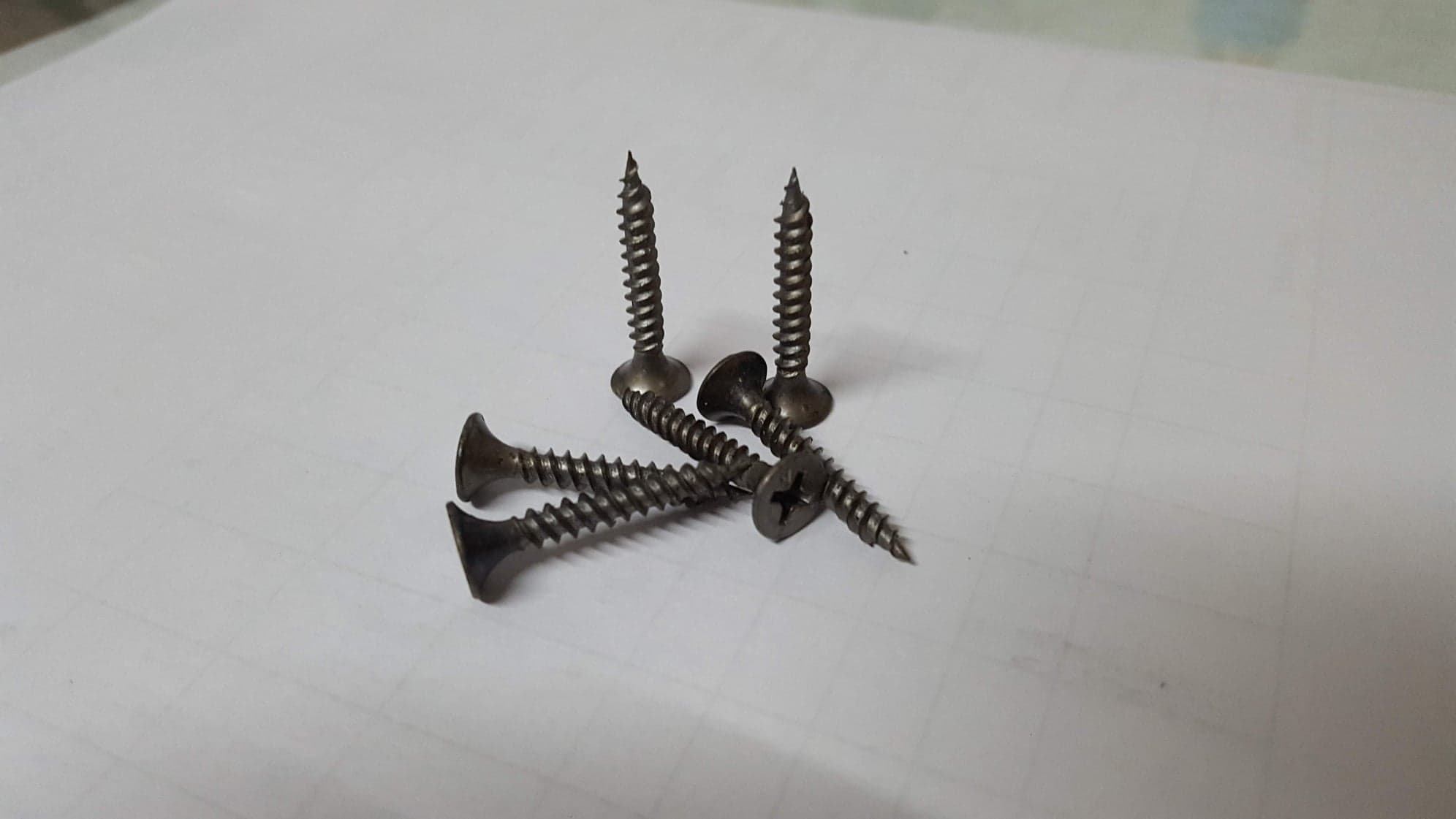
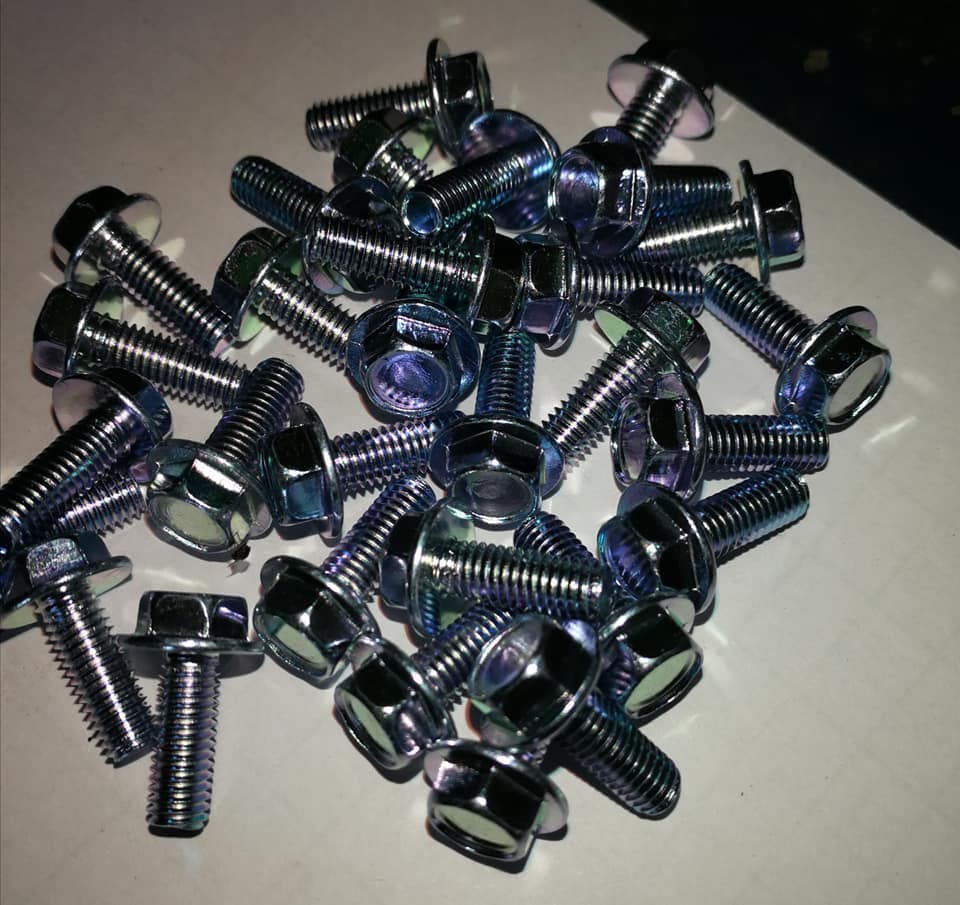
Hi-Tech, also known as Ban Wa, is an IEAT joint-operation estate in the Bang Pa-in area of Ayutthaya, on the Asian Highway. Electronics leads its industry mix with automotive behind it, and that ordering matters: the dominant small part from this estate is a machine screw or a small washer, not a structural bolt. The specifications that come with them are about surface, dimension and compliance far more than about strength.
What this estate asks of a small part
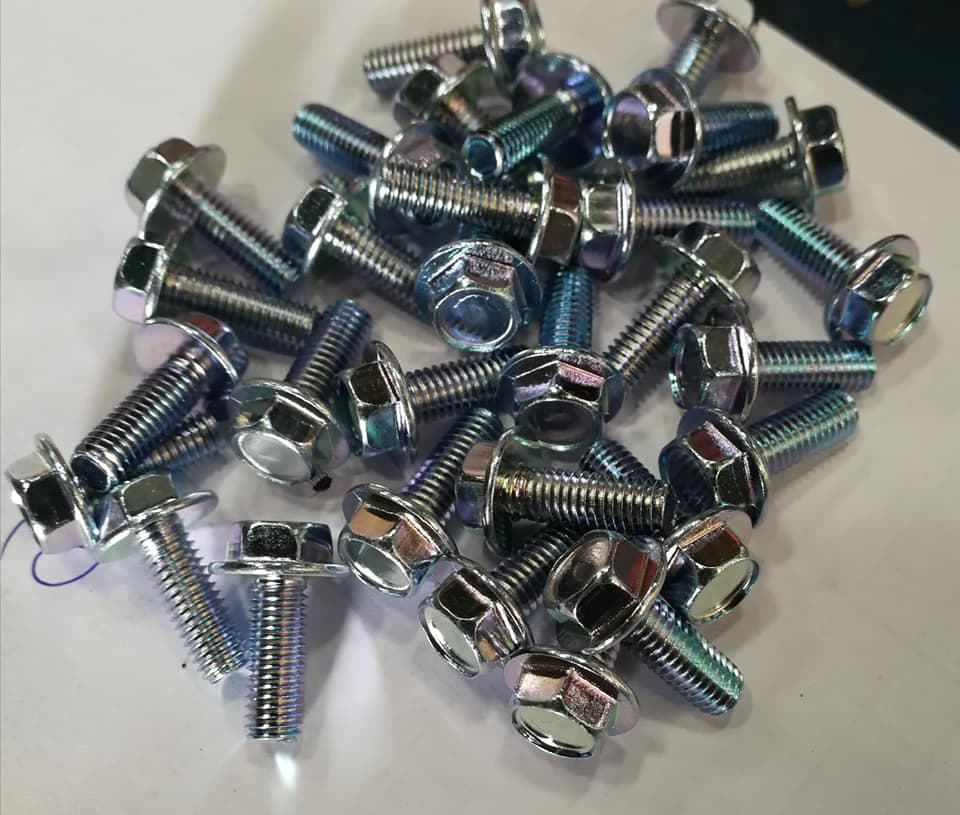
Electronics work inverts the usual priorities. The deposit has to be thin and even because the thread has to assemble afterwards, the appearance is inspected rather than merely accepted, restricted-substance compliance sits in the specification, and the salt-spray requirement is typically a fraction of an automotive one. Trivalent chromium (Cr3+) passivation is the norm here rather than an upgrade. Where a part is also hardened, the ISO 4042 baking rule still follows the hardness — a small screw is not exempt because it is small.
Services for factories in this estate
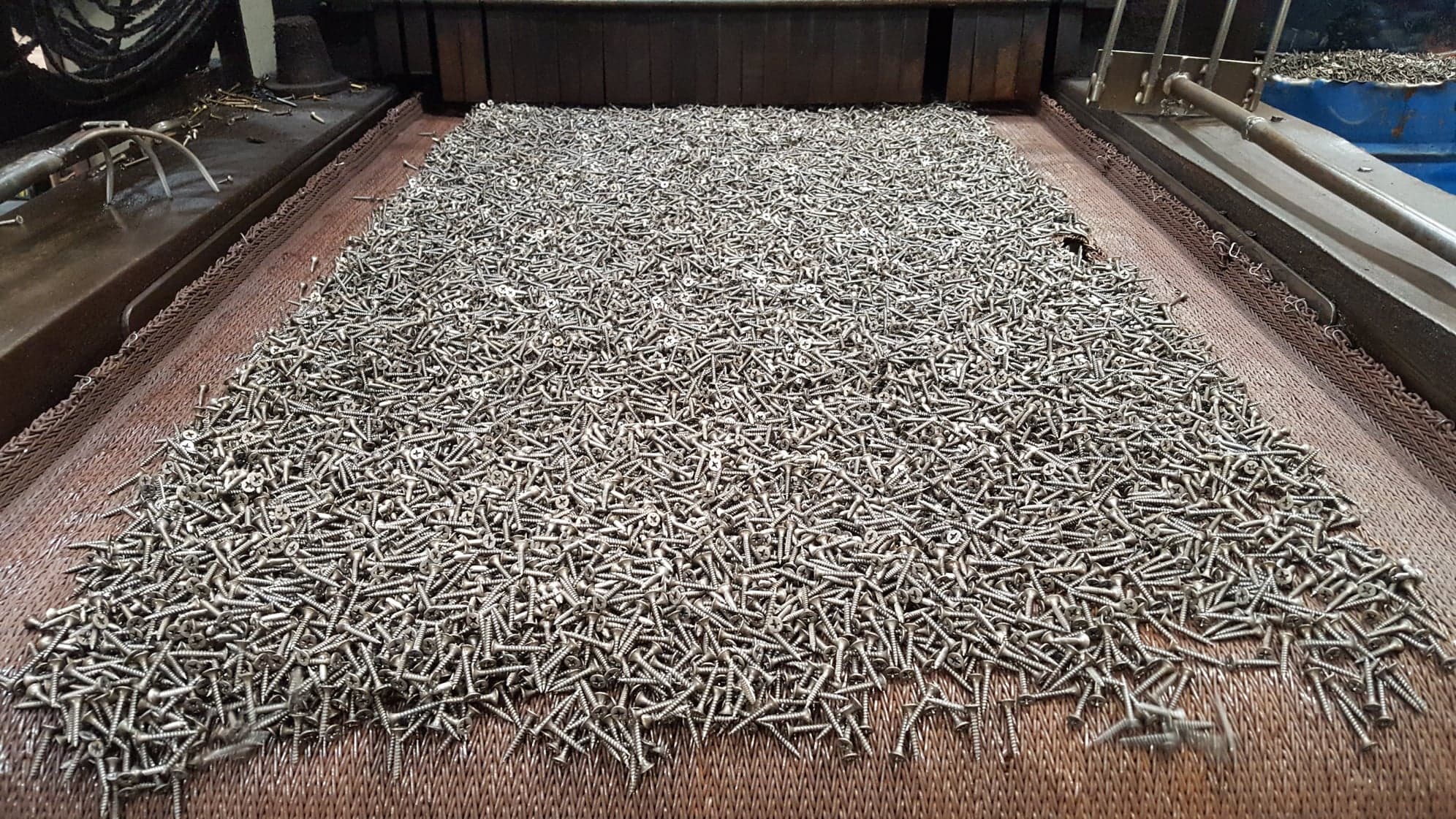
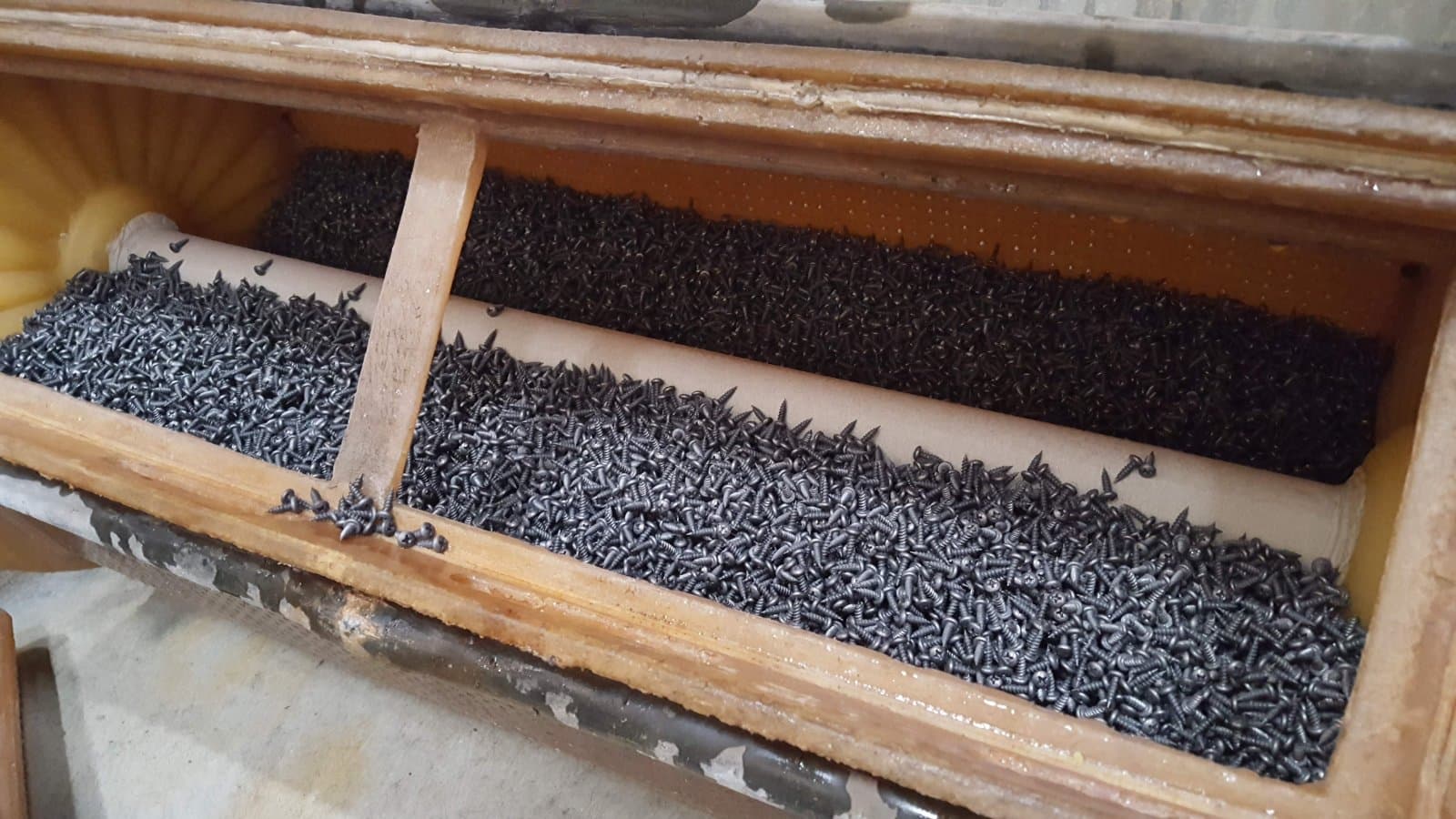
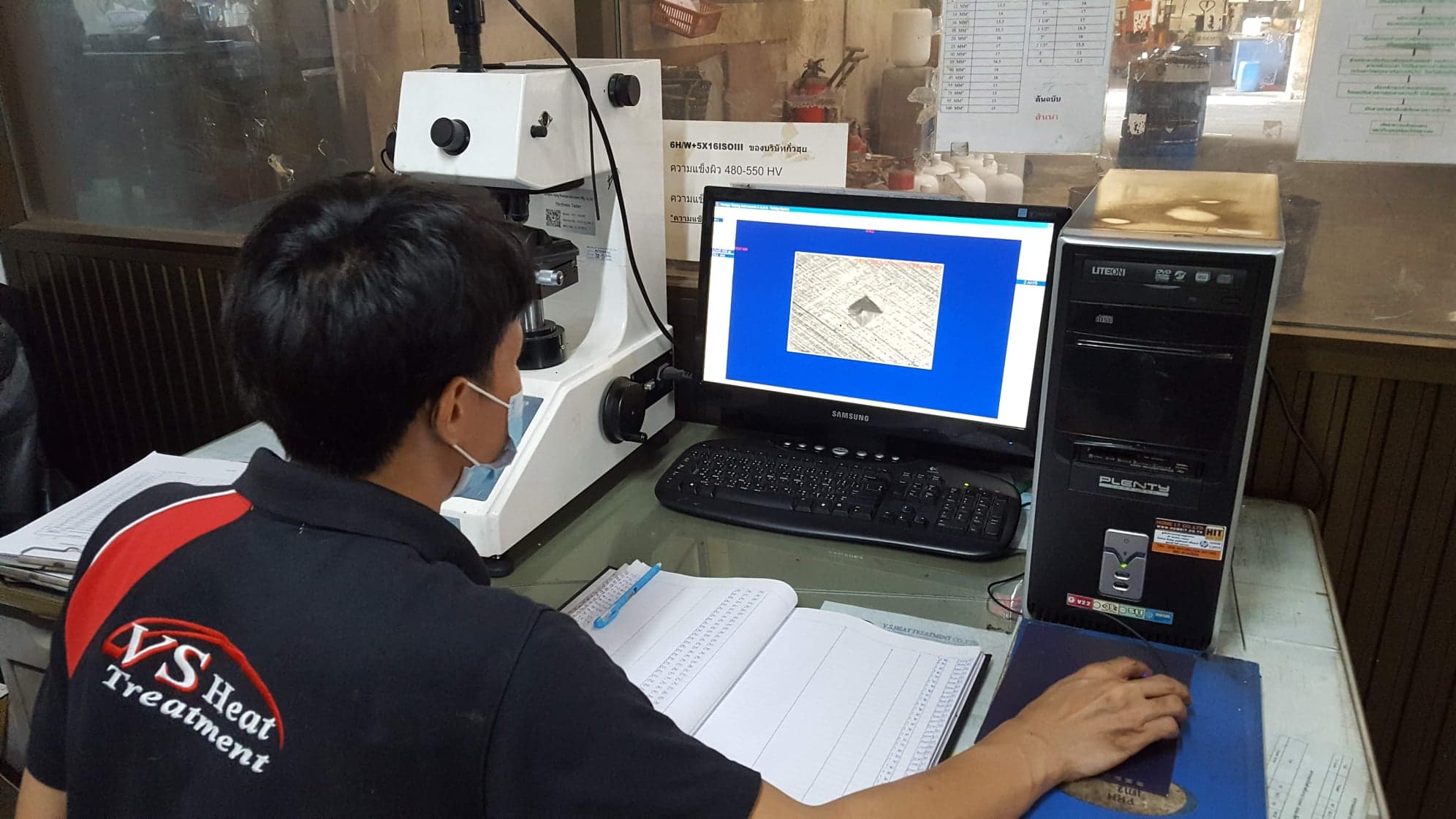
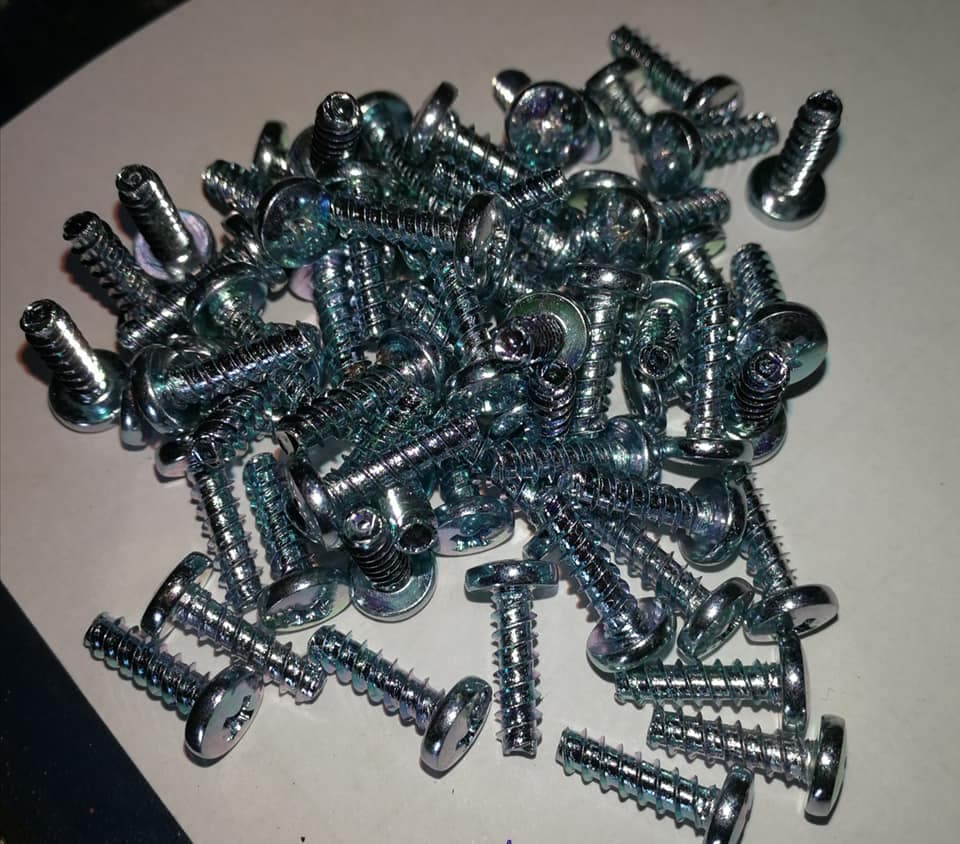
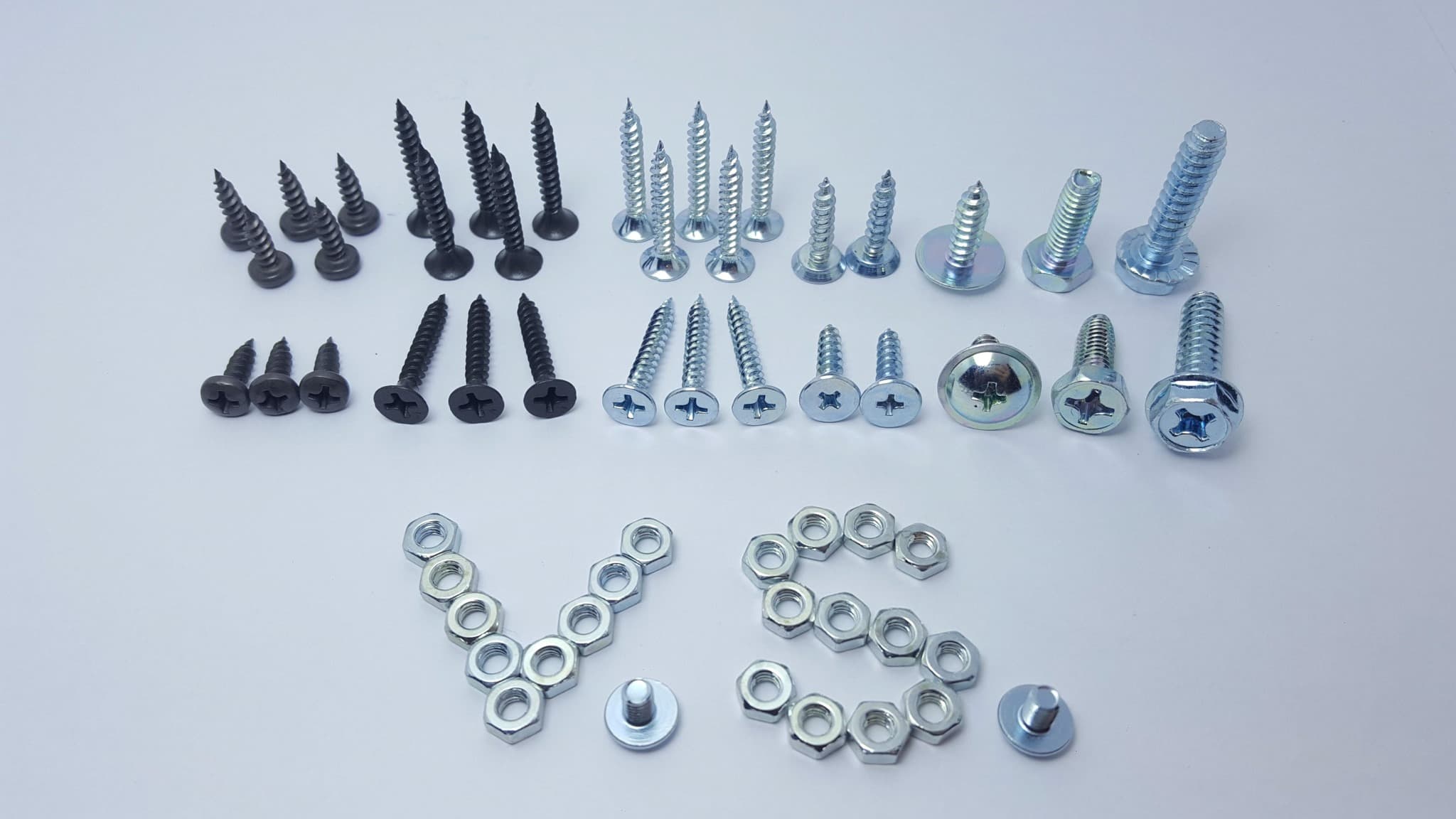
Hardening, Cr3+ zinc plating, phosphate coating and in-house lab testing, all on small parts at bulk volume.
Steel grades behind those parts
End markets on this estate
Each end market has its own spec drivers — property classes, salt-spray hours, governing standards.
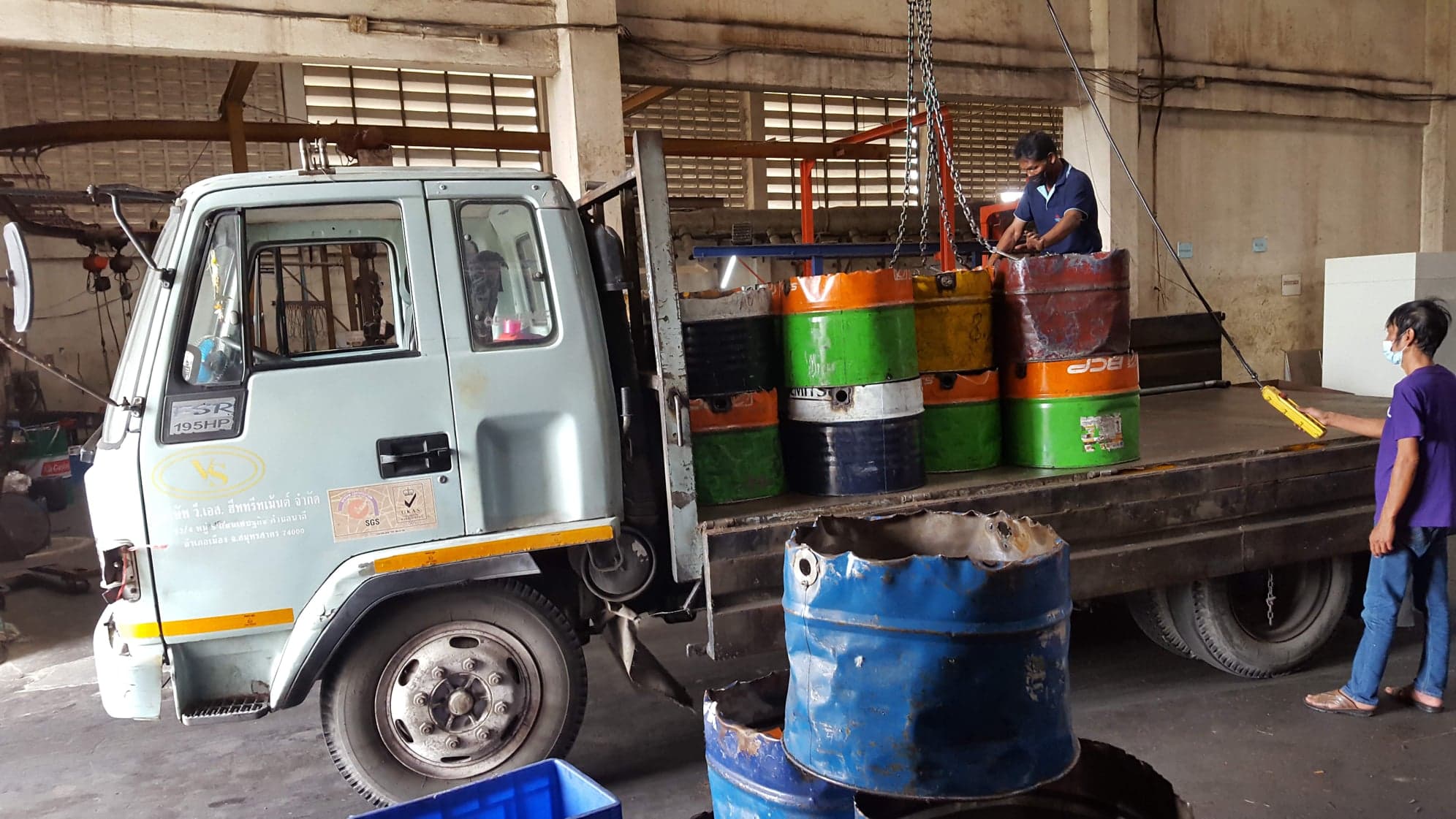
The estate sits on the Asian Highway in Bang Pa-in, and the nearest sea port by geography is Bangkok Port at Khlong Toei. Parts move to our Samut Sakhon plant via the western ring and the Rama II corridor. Small, appearance-critical lots are packed to avoid parts rubbing in transit — tell us at quotation if the surface is inspected on arrival, because that changes how we pack, and packing is agreed per lot.
Questions we get from this estate
Our screws are rejected for appearance, not for function. Can you work to that?+
Yes, if the appearance standard is written down. "Looks clean" is not testable; a defined inspection surface, a defined lighting and viewing condition and a boundary sample are. Send a boundary sample with the drawing and the lot is judged against your standard instead of ours.
Do small electronics screws need de-embrittlement baking?+
It depends on hardness, not on size. ISO 4042 ties embrittlement-relief baking to property class 10.9 and above or roughly 390 HV, so a soft machine screw normally falls outside it while a hardened one does not. Many customer specifications set a lower trigger than the standard does — if yours does, put it on the drawing and we will follow it.