What the salt spray test is
The salt spray test (ASTM B117) places parts in a cabinet fogged with 5% salt solution at a controlled ~35°C to accelerate corrosion, recording the time until rust appears.
It is the international standard for comparing the corrosion performance of different coatings.
What “hours” means
Two values are usually reported: time to white rust (the zinc layer) and time to red rust (the base steel). Red rust is the real indicator of protective life.
E.g. “Cr3+ yellow, 200h to red rust” means red rust appeared after 200 hours — higher is better.
Typical salt-spray hours by Cr3+ passivation
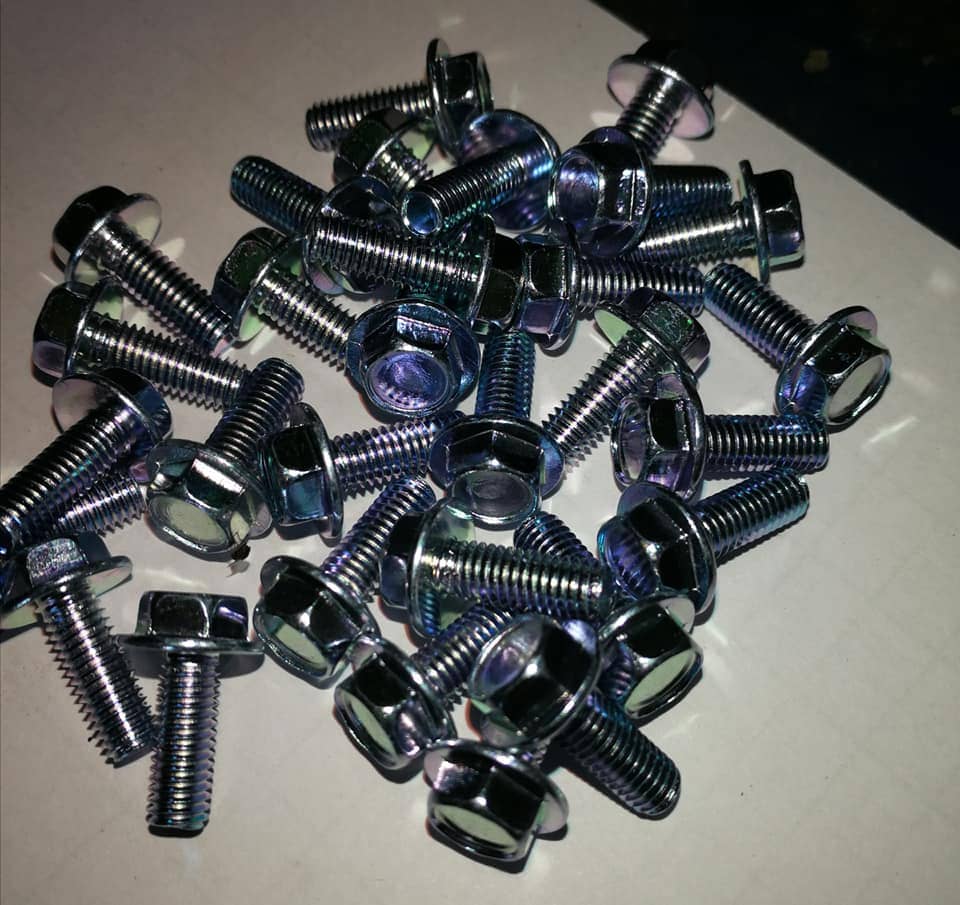
As a rough guide for our trivalent (Cr3+) zinc plating on small parts, typical hours to white rust in an ASTM B117 chamber are:
- Clear / blue passivation — about 72–120 h to white rust
- Yellow / iridescent passivation — about 120–200 h to white rust
- Black passivation — about 72–96 h to white rust
- Olive or sealed systems — can reach 240 h and beyond to white rust
Thickness drives the result. ASTM B633 sets zinc service-condition classes: SC1 = 5 µm (mild), SC2 = 8 µm (moderate), SC3 = 13 µm (severe), SC4 = 25 µm (very severe) — thicker zinc buys more hours.
A common automotive benchmark for clear trivalent zinc is 72 h to white rust / 168 h to red rust.
These are typical accelerated test results, not outdoor service life — confirm the exact number against your applicable specification and a trial lot.
Limitations to know
Salt spray is a comparative lab test; it does not convert directly into years of real service, which is more complex. It remains an excellent way to set specs and accept work.
How to use it: decide the salt-spray rating your application needs, specify it up front, and ask for the test report with your order. The plater then selects the zinc thickness, chromate colour and sealer to meet that target — and proves it.
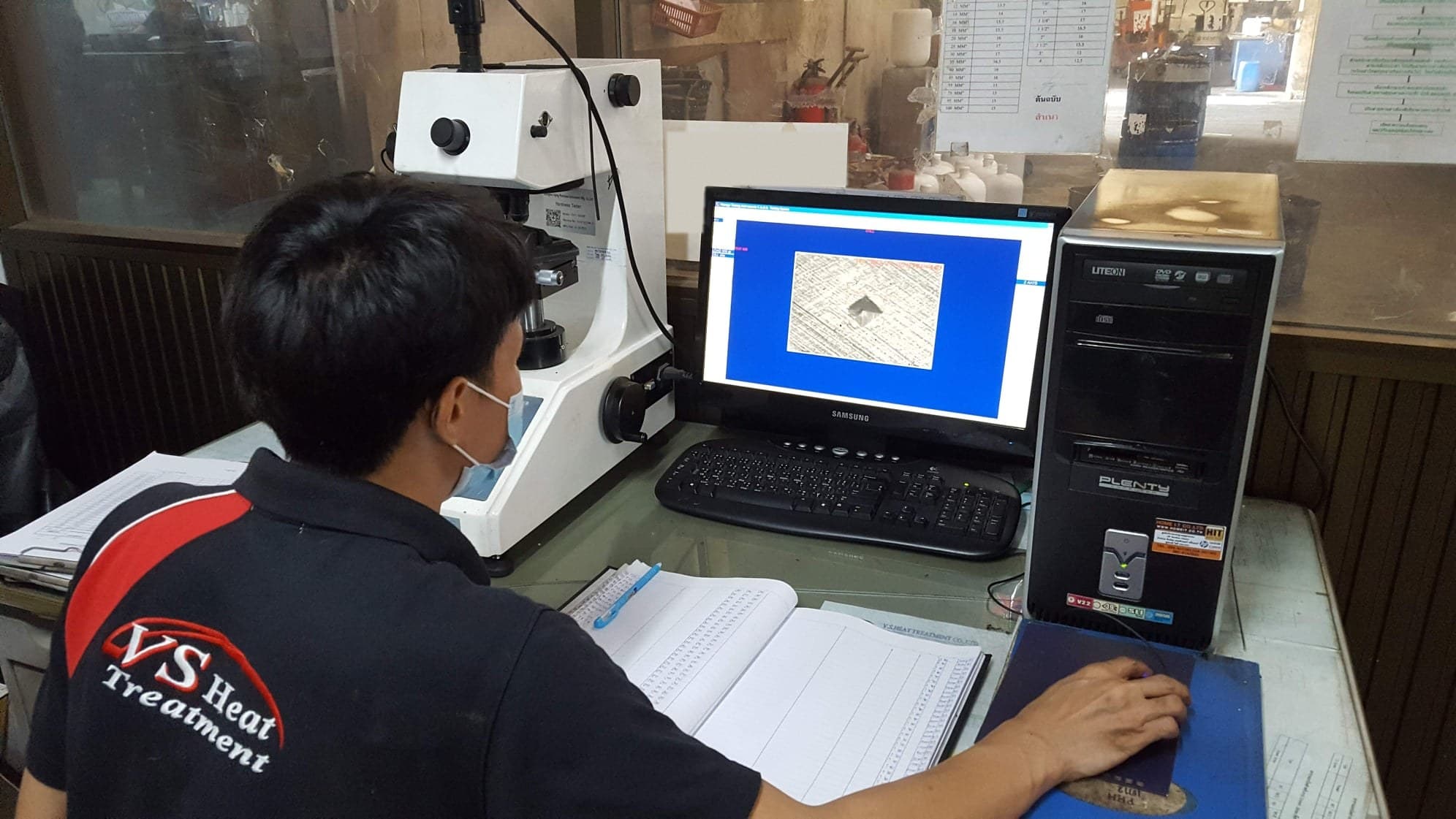
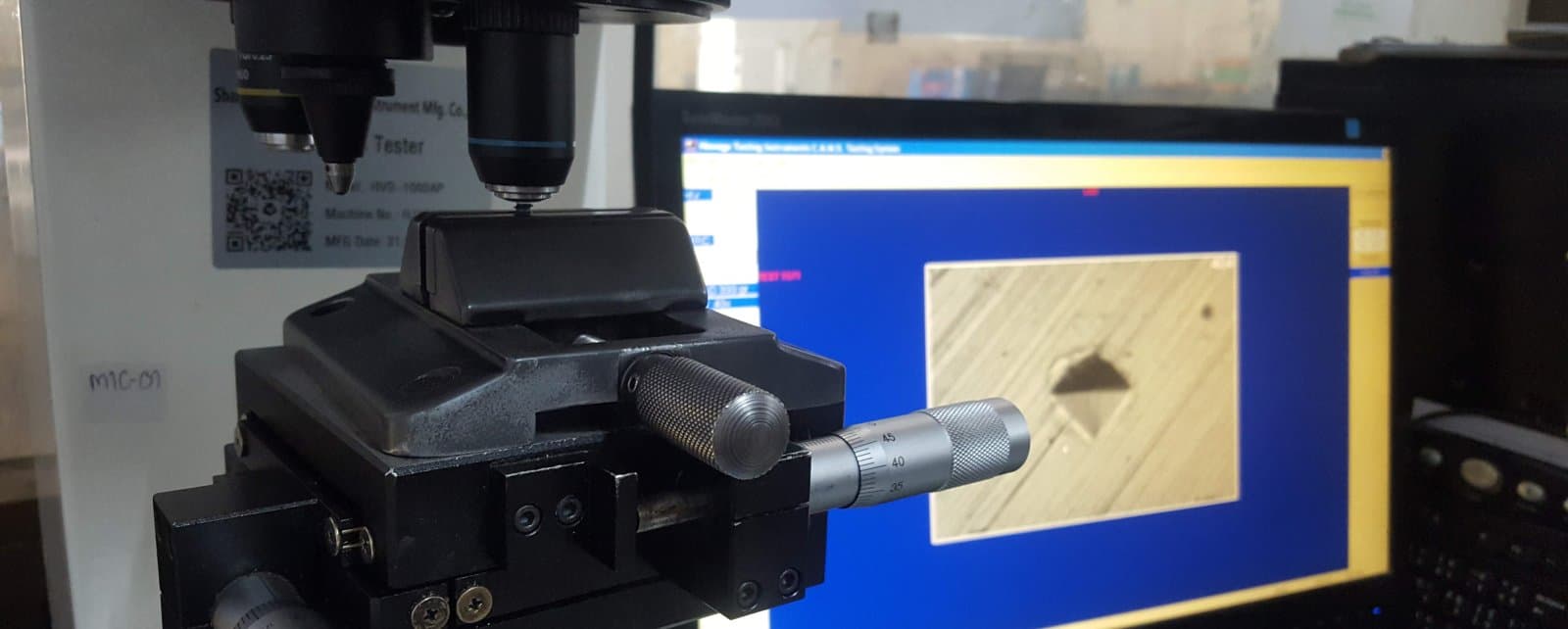
V.S. Heat Treatment runs ASTM B117 salt-spray testing in-house and can issue a report per lot.
FAQ
200 hours = how many years?+
There is no fixed conversion; use it to compare coating quality. Real life depends on environment.
White rust vs red rust?+
White rust is the zinc layer corroding (still protecting the steel); red rust means the base steel has begun to rust.
Free Engineering Tools
- Hardness Converter HRC ↔ HV ↔ HB
- Which Steel Grades Harden — and How Far
- Fastener Weight: pcs ↔ kg
- Finishing Specification Builder for Purchasing and QC
- Salt Spray Test Plan Builder
- Coating thickness → thread fit (GO/NO-GO)
- Hydrogen Embrittlement — is baking required?
- Bolt Tightening Torque & Proof Load
- Thread Engagement Length
- Bolt Size Estimator (from load)
- Bolt Property Class — Mechanical Properties (ISO 898-1)
What this article covers at our plant
Related comparison guides
- Zinc plating vs Dacromet / zinc flakeZinc plating vs Dacromet: which coating for screws and bolts?
- Grade 8.8 vs Grade 10.9 vs Grade 12.9Grade 8.8 vs 10.9 vs 12.9 bolts: what actually differs?
- Class 10.9 vs Class 12.9Class 10.9 vs 12.9: what you gain, and what you take on
- Electroplated zinc vs Hot-dip galvanizingZinc plating vs hot-dip galvanizing: which one does your fastener need?
Technical content review
Reviewed by the V.S. Heat Treatment QA and production team—heat-treatment and finishing operations since 1994 under an ISO 9001:2015 quality system.
View evidence and report format