Why springs are heat treated differently from screws
A spring does not just need to be "hard" — it needs a high elastic limit: it must return fully to shape after being compressed or stretched, over millions of cycles, without fatiguing or taking a set (staying deformed).
Harden it too much, like a screw, and the spring becomes brittle and snaps; leave it too soft and it takes a set instead of springing back. The whole job is finding the right balance of hardness and elasticity.
That is why spring steels and spring heat-treat processes are purpose-designed and not the same as ordinary screw, nut and bolt work.
Common spring-steel grades
Spring steels are high-carbon and often alloyed to resist fatigue:
- SUP9 / SUP10 (Cr / Cr-V family) — standard JIS spring steels for coil and leaf springs, good fatigue life.
- SUP6 / SUP7 (Si-Mn) — heavy-duty, high-load springs.
- SK5 / SK85 (carbon steel) — flat springs, clips, spring washers.
- 65Mn — an economical, widely used spring steel.
- Oil-tempered wire / Music wire — supplied already hardened by the mill; formed, then only stress-relieved.
Two heat-treat routes for springs
Spring work splits into two routes depending on the raw material:
- Route 1 — form soft, then harden: used for SUP, SK5, 65Mn formed while annealed, then hardened (austenitize → quench) and tempered to reach the required elasticity.
- Route 2 — form pre-hardened wire, then stress-relieve: oil-tempered or music wire is already hard, so after coiling it only gets a stress-relief at ~230–400°C to hold shape and remove forming stresses.
The route depends on the material and spring design, so please tell us the wire grade and how it was formed, so we set the right process.
Temper temperature sets the springback
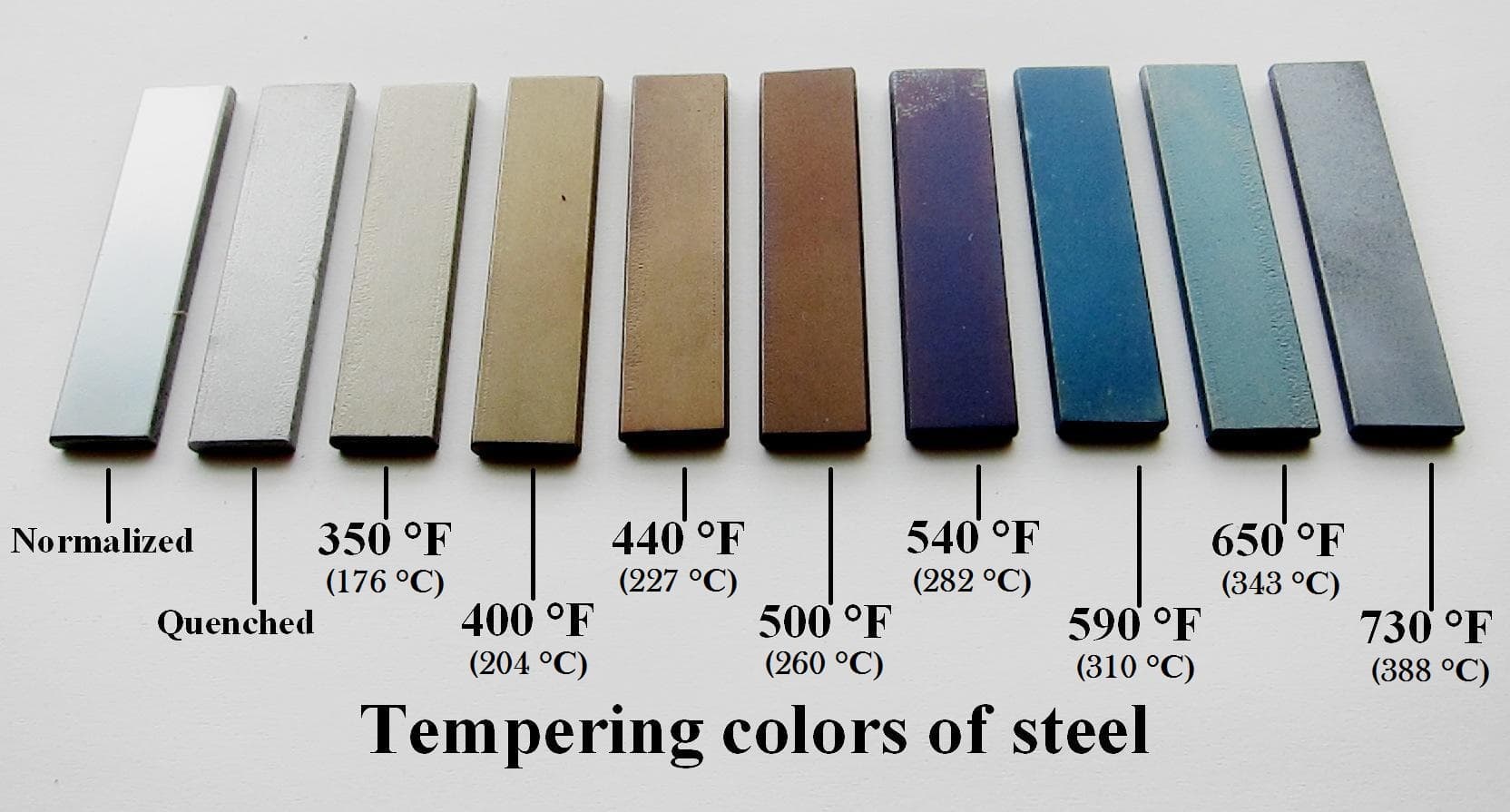
For fully hardened springs the temper is usually around 350–450°C — higher than for general wear parts — because the goal is not maximum hardness but maximum elastic limit.
Temper too low → hard but brittle, risk of fracture; temper too high → tough but takes a set (loses springback). Either way the spring is out of spec.
Typical working hardness for springs is around 42–52 HRC depending on type and duty.
The enemies of springs: decarb and fatigue
The most common cause of early spring failure is decarburization — if the furnace atmosphere is not controlled during heating, the surface loses carbon and softens, creating a crack starter at the surface. The spring fatigues and breaks early even though the core is fine.
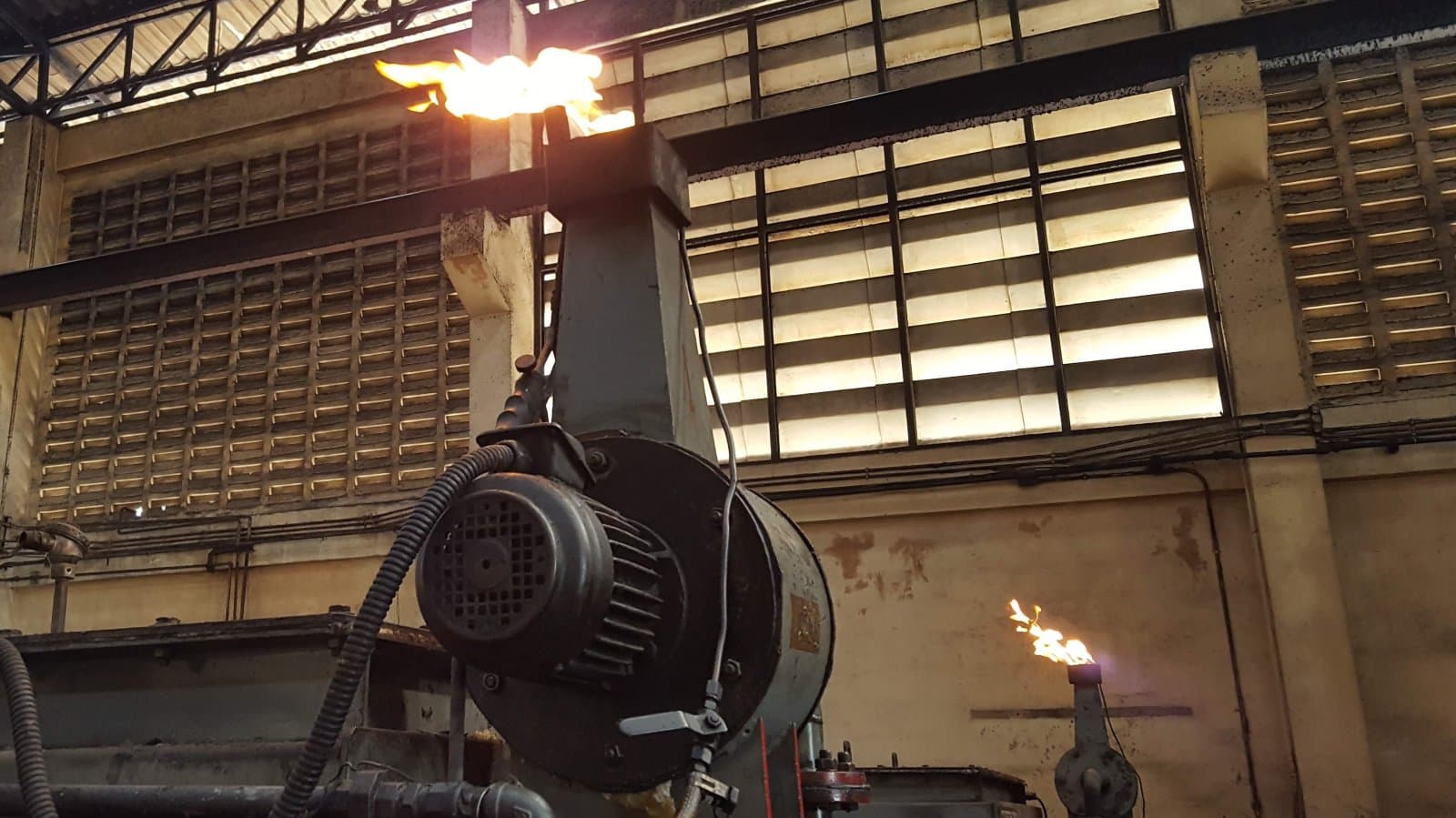
So springs must be heat treated in an atmosphere-controlled furnace to prevent decarb.
Other key factors: a smooth surface free of deep scratches (fatigue starters), and controlled distortion so the spring meets its rate and load per the drawing.
The spring work we take on
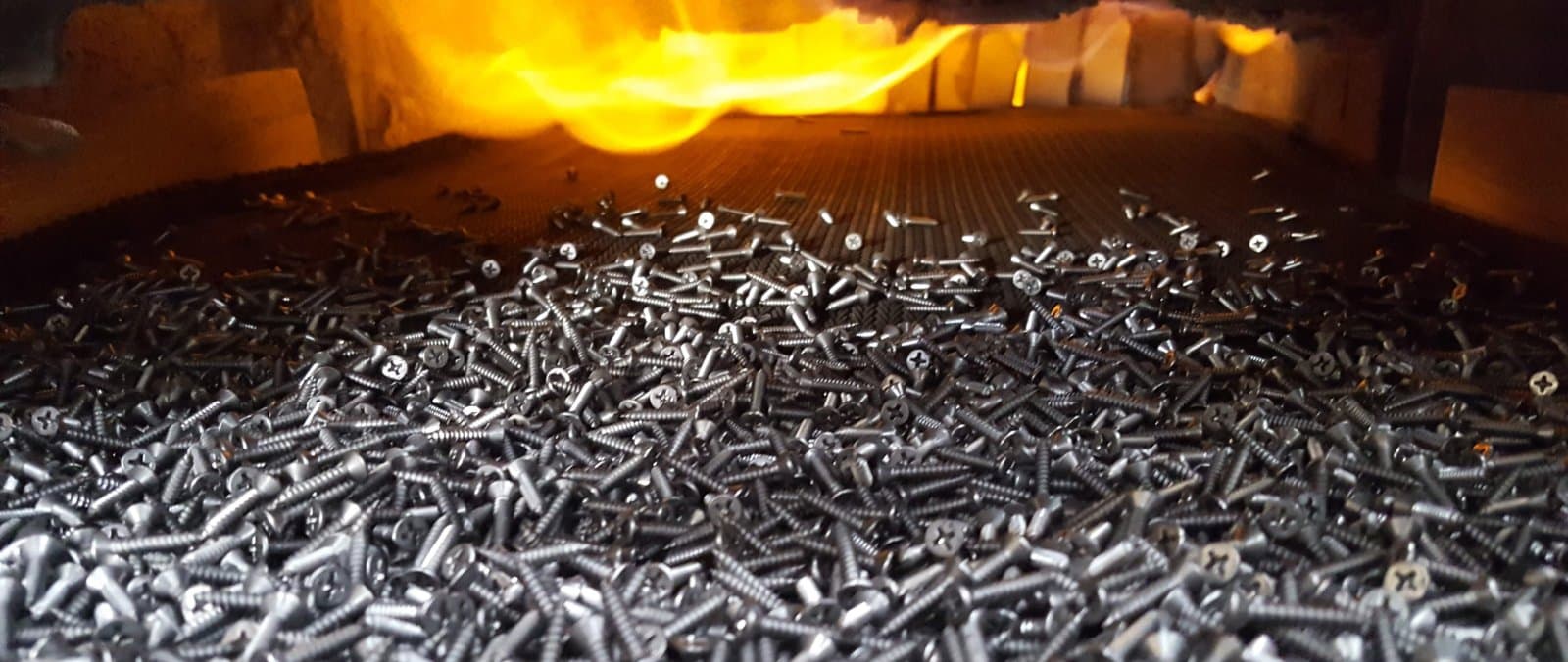
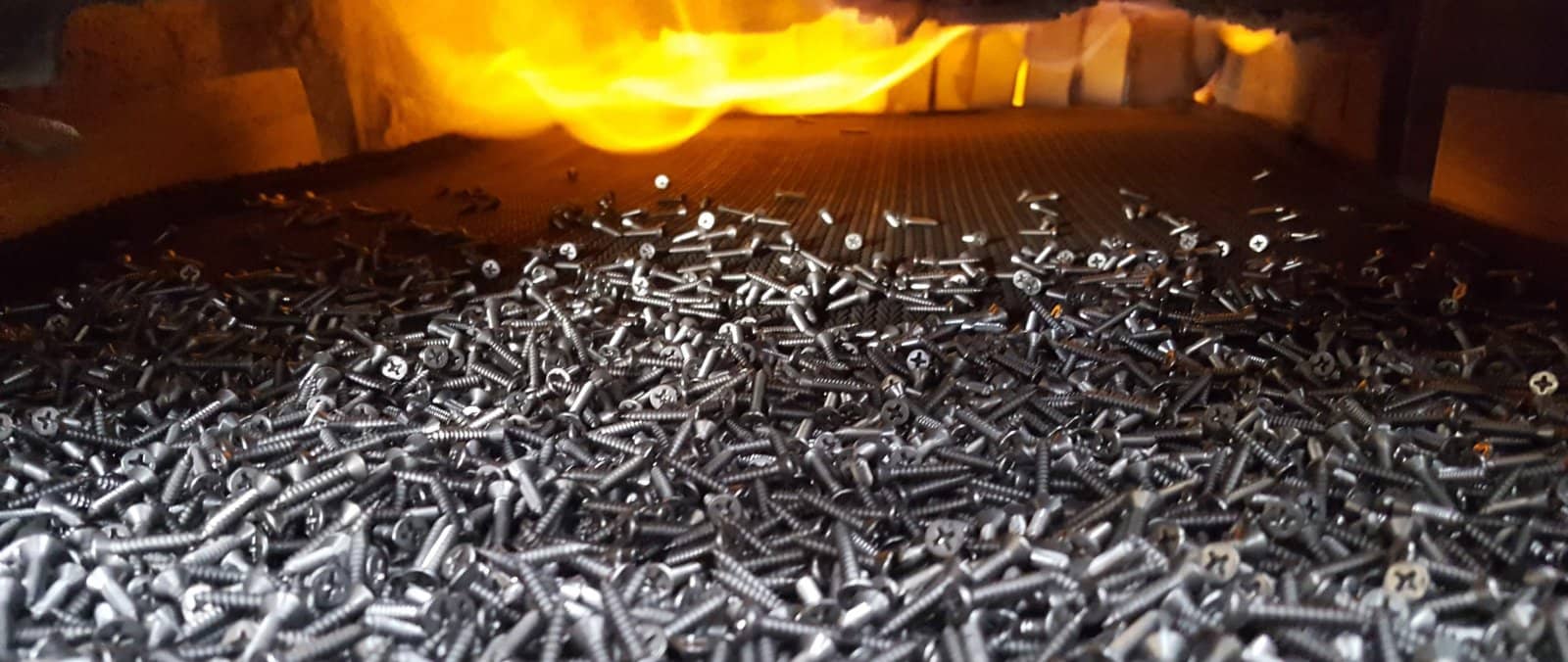
V.S. Heat Treatment processes springs and spring-steel parts in volume in atmosphere-controlled furnaces:
- Hardening + tempering of spring steels (SUP/SK5/65Mn) to the drawing’s hardness and elasticity.
- Stress-relief of springs formed from oil-tempered / music wire.
- Controlled atmosphere to prevent decarburization, plus hardness testing and a test certificate on every lot.
Send the spring drawing, material grade and target hardness/load, and we will recommend the right process with a price within 24 business hours.
FAQ
What hardness are springs treated to?+
It depends on type and duty, but springs typically work around 42–52 HRC, favouring elastic limit over maximum hardness.
Does oil-tempered spring wire need hardening again?+
No — it is supplied already hardened. After coiling it only needs a stress-relief to hold shape and reduce forming stress.
Why does a spring break at the surface when the core is fine?+
Usually surface decarburization or scratches acting as fatigue starters. The fix is atmosphere-controlled heat treatment and a clean surface.
How do I get a price for spring work?+
Send the drawing, spring-steel grade and target hardness/load; we assess it and reply with a quote within 24 business hours.
Free Engineering Tools
- Hardness Converter HRC ↔ HV ↔ HB
- Which Steel Grades Harden — and How Far
- Fastener Weight: pcs ↔ kg
- Finishing Specification Builder for Purchasing and QC
- Salt Spray Test Plan Builder
- Coating thickness → thread fit (GO/NO-GO)
- Hydrogen Embrittlement — is baking required?
- Bolt Tightening Torque & Proof Load
- Thread Engagement Length
- Bolt Size Estimator (from load)
- Bolt Property Class — Mechanical Properties (ISO 898-1)
What this article covers at our plant
Related comparison guides
- Case hardening vs Through hardeningCase hardening vs through hardening: which one for screws and bolts?
- Annealing vs Tempering vs NormalizingAnnealing vs tempering vs normalizing: which one does your part need?
- Quenching vs TemperingQuenching vs tempering: two halves of one process
- Carburising vs NitridingCarburising vs nitriding: what a screw, nut or bolt actually gets
- Carbonitriding vs CarburizingCarbonitriding vs carburizing: which case-hardening for fasteners?
- S45C vs SCM440S45C vs SCM440: which steel should you harden?
- SCM435 vs SCM440SCM435 vs SCM440: one alloy step apart, and it shows
- Grade 8.8 vs Grade 10.9 vs Grade 12.9Grade 8.8 vs 10.9 vs 12.9 bolts: what actually differs?
- Class 10.9 vs Class 12.9Class 10.9 vs 12.9: what you gain, and what you take on
Technical content review
Reviewed by the V.S. Heat Treatment QA and production team—heat-treatment and finishing operations since 1994 under an ISO 9001:2015 quality system.
View evidence and report format