What is hardening?
Hardening is a heat-treatment process that uses controlled heating and cooling to make steel harder and more wear-resistant — without changing the part’s shape.
The key is the steel’s microstructure. Heat it to a certain temperature and cool it rapidly, and the iron atoms rearrange into a very hard phase called martensite — the source of hardness.
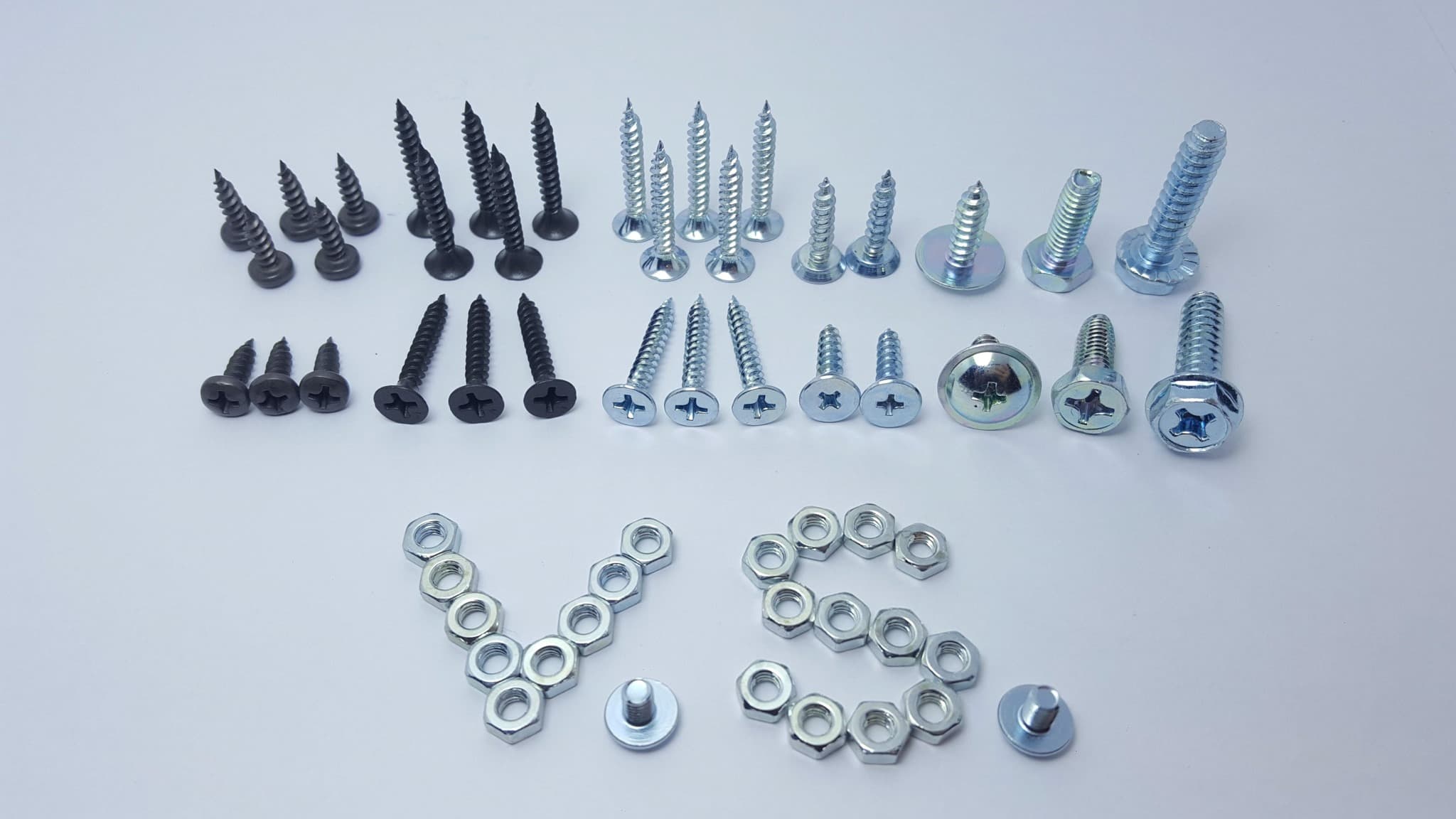
For small parts like screws, nuts and bolts, hardening keeps threads from stripping, heads from cracking, and lets fasteners reach their rated torque (e.g. grade 8.8, 10.9, 12.9).
Why steel can be hardened
Steel is iron with carbon. That carbon is what makes hardening possible. Steel that is too low in carbon (below ~0.25%) cannot be through-hardened and needs case hardening instead.
Heated to 800–900°C, steel becomes austenite, which dissolves a lot of carbon. Quench it quickly and the carbon is trapped, distorting the structure into hard, brittle martensite.
More carbon means higher peak hardness — but also more brittleness, which is why a tempering step always follows.
The core process: quench then temper
Standard hardening has three steps:
- 1) Austenitizing — heat the part to its austenitizing temperature and soak it through.
- 2) Quenching — cool rapidly in oil, water or polymer to form martensite. At this point it is hardest but very brittle.
- 3) Tempering — reheat to 150–650°C to cut brittleness and restore toughness, trading a little hardness for a usable balance.
The tempering temperature sets final hardness: low temper = very hard, less tough (wear parts); high temper = tougher (impact parts).
Types of hardening
- Through hardening — hard all the way through; for medium/high-carbon steel like S45C, SCM435; used on bolts and springs.
- Case hardening — hard surface, tough core; for low-carbon steel (see the Carburizing/Nitriding article).
- Induction hardening — electromagnetic heating of specific zones such as screw tips and localized pin zones.
- Tempering / annealing / normalizing — processes to adjust toughness, relieve stress or refine grain.
Annealing does the opposite of hardening. The steel is heated and then cooled very slowly, usually in the furnace, to make it as soft as possible — easier to machine or form, with internal stresses relieved. It is often used before further machining, or on steel that has become too hard to work.
Normalizing sits in between. The steel is heated and cooled in air, which refines the grain and gives a uniform, slightly stronger structure than annealing. It is commonly used to even out a part before final hardening so the results are consistent.
Which to choose? A bolt that must hold torque needs hardening and tempering. A part that will be machined further needs annealing first. A shaft that wears at the surface but takes shock needs case hardening. Grade matters too: S45C and SCM435/440 through-harden well, while low-carbon grades need a case-hardening route.
Notes for small parts
High-count lots of screws, nuts and bolts bring their own challenges: hardness consistency across every piece, distortion of thin parts, and preventing decarburization during heating.
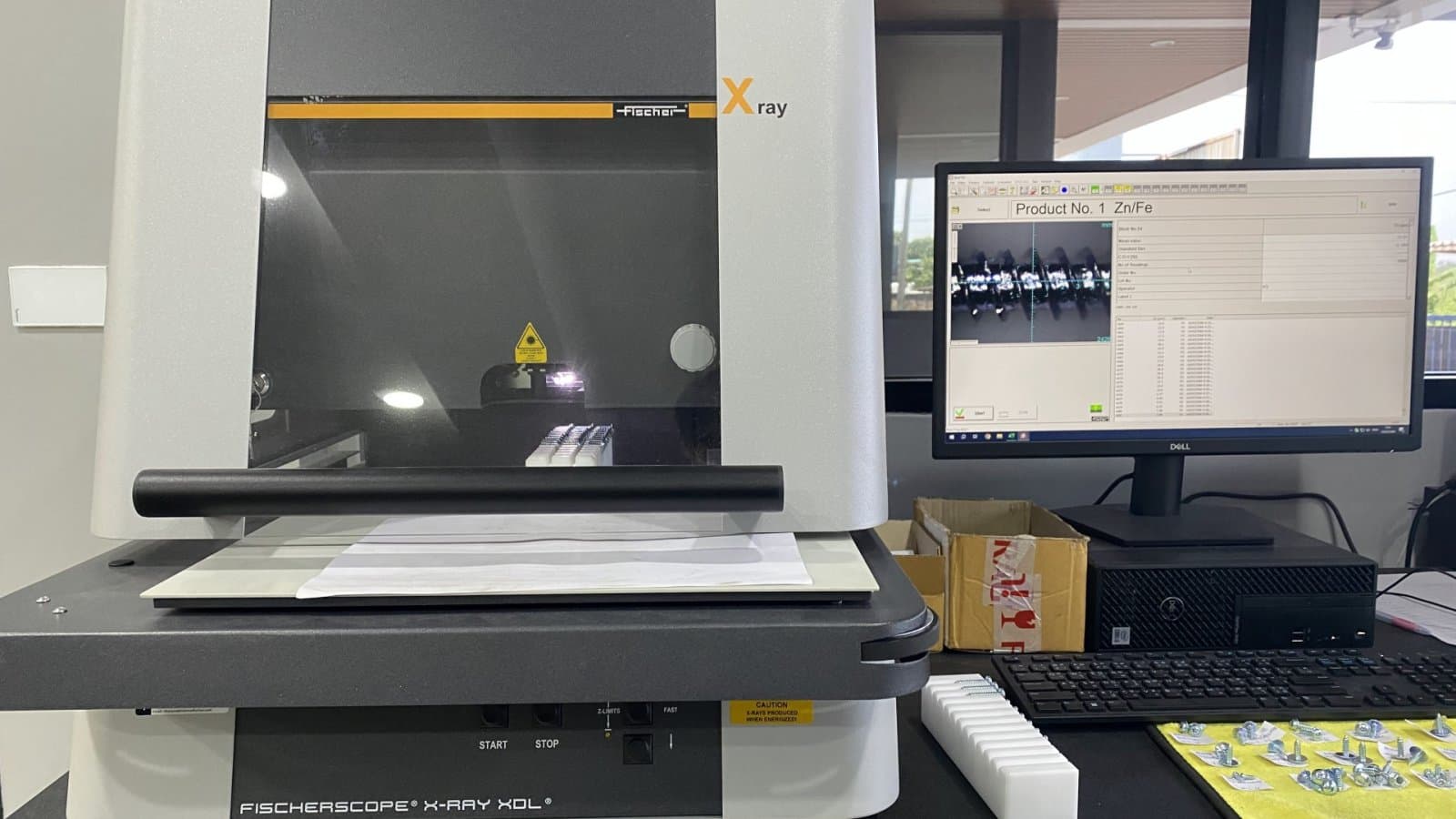
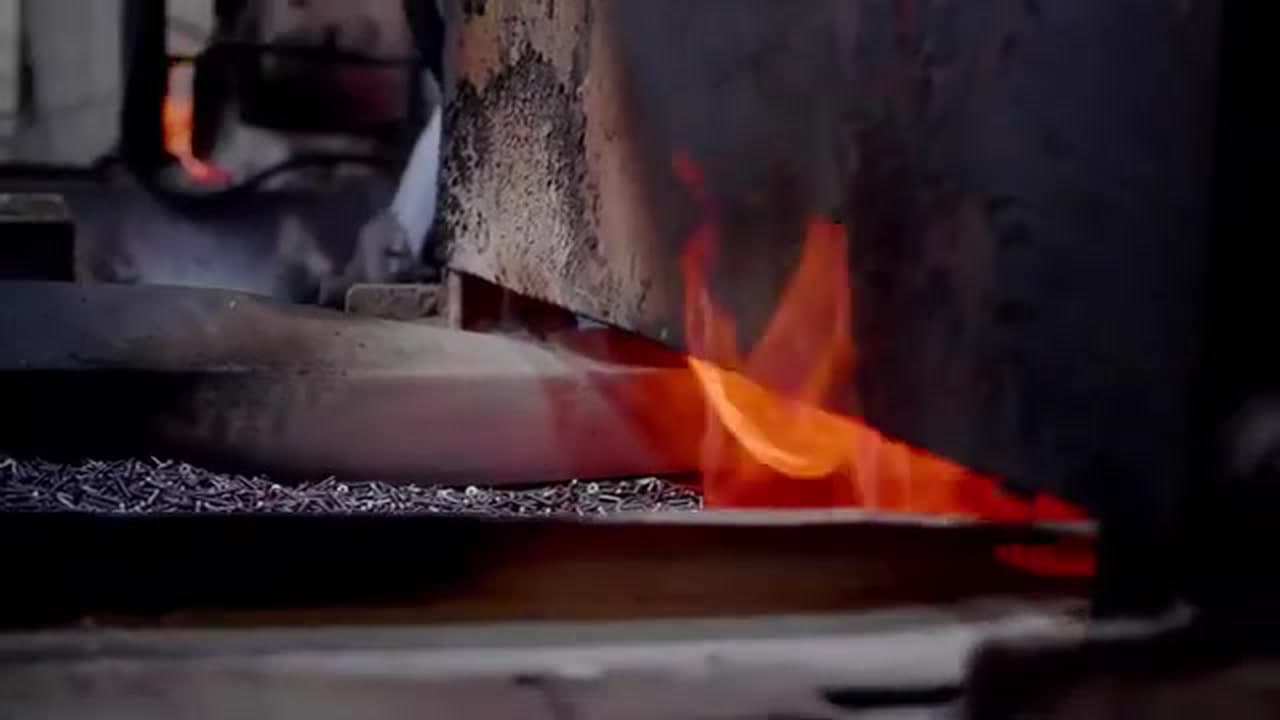
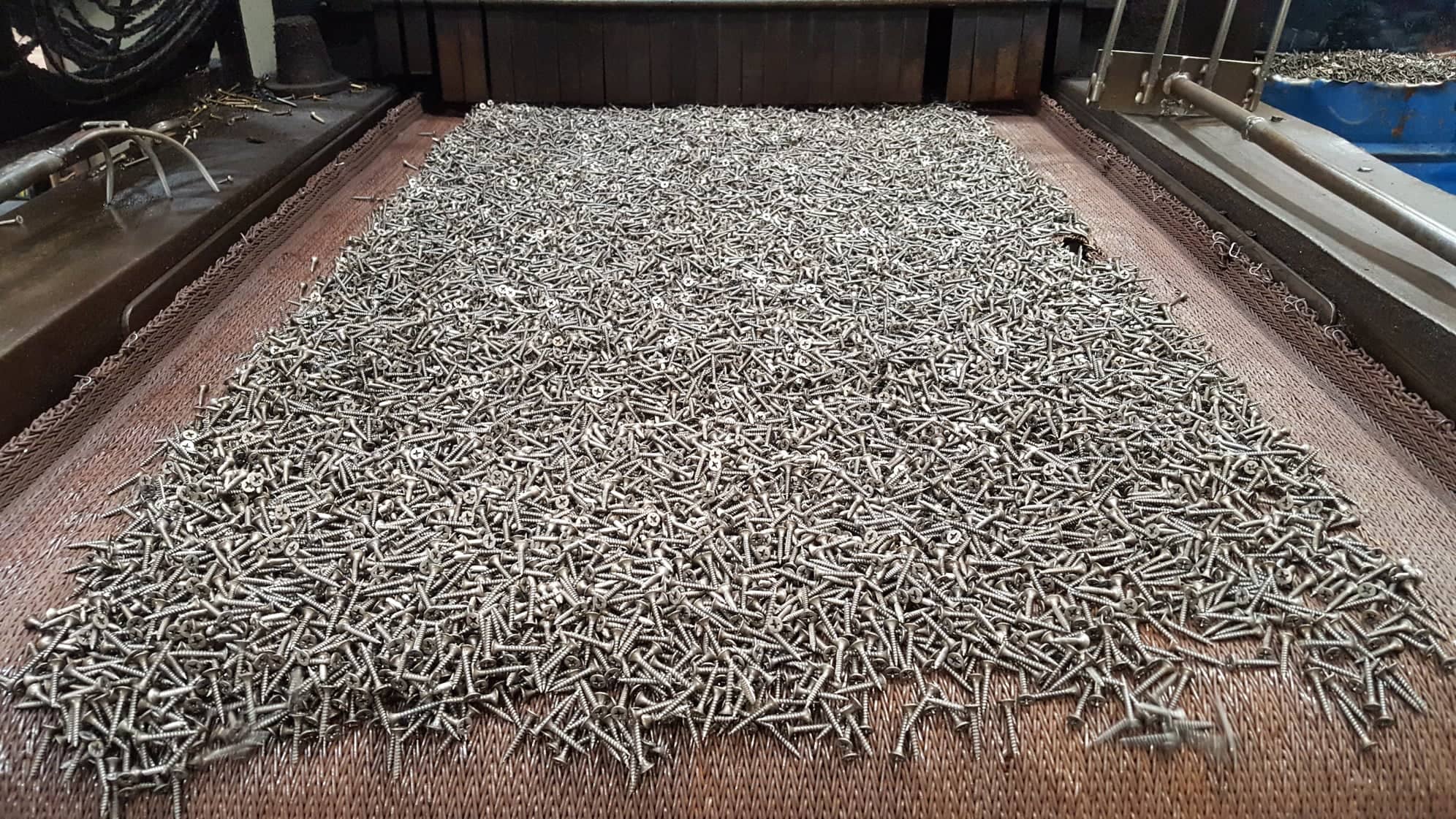
V.S. Heat Treatment runs a gas-atmosphere mesh-belt furnace where small parts flow continuously for even heating — ideal for high volumes — and random-samples Vickers (HV) hardness on every lot to confirm all pieces fall inside the customer’s window.
FAQ
Will the part change size after hardening?+
Slightly, from distortion and expansion. Parts needing tight tolerances should allow stock for post-grinding. Our team can advise.
Can every steel be hardened?+
No. It needs enough carbon or suitable alloying. Very low-carbon steel must be case-hardened instead.
How is hardness measured?+
Usually as HRC (Rockwell C) on a hardness tester, with a certificate supplied with the job.
Free Engineering Tools
- Hardness Converter HRC ↔ HV ↔ HB
- Which Steel Grades Harden — and How Far
- Fastener Weight: pcs ↔ kg
- Finishing Specification Builder for Purchasing and QC
- Salt Spray Test Plan Builder
- Coating thickness → thread fit (GO/NO-GO)
- Hydrogen Embrittlement — is baking required?
- Bolt Tightening Torque & Proof Load
- Thread Engagement Length
- Bolt Size Estimator (from load)
- Bolt Property Class — Mechanical Properties (ISO 898-1)
What this article covers at our plant
Related comparison guides
- Case hardening vs Through hardeningCase hardening vs through hardening: which one for screws and bolts?
- Annealing vs Tempering vs NormalizingAnnealing vs tempering vs normalizing: which one does your part need?
- Quenching vs TemperingQuenching vs tempering: two halves of one process
- Carburising vs NitridingCarburising vs nitriding: what a screw, nut or bolt actually gets
- Carbonitriding vs CarburizingCarbonitriding vs carburizing: which case-hardening for fasteners?
- S45C vs SCM440S45C vs SCM440: which steel should you harden?
- SCM435 vs SCM440SCM435 vs SCM440: one alloy step apart, and it shows
- Grade 8.8 vs Grade 10.9 vs Grade 12.9Grade 8.8 vs 10.9 vs 12.9 bolts: what actually differs?
- Class 10.9 vs Class 12.9Class 10.9 vs 12.9: what you gain, and what you take on
Technical content review
Reviewed by the V.S. Heat Treatment QA and production team—heat-treatment and finishing operations since 1994 under an ISO 9001:2015 quality system.
View evidence and report format