Published on January 12, 2026 • 3 min read
Salt Spray Test: read the results in 5 minutes
How to read a salt-spray (ASTM B117) report — hours to white rust and red rust, what the numbers really mean, and how they relate to real-world corrosion protection.
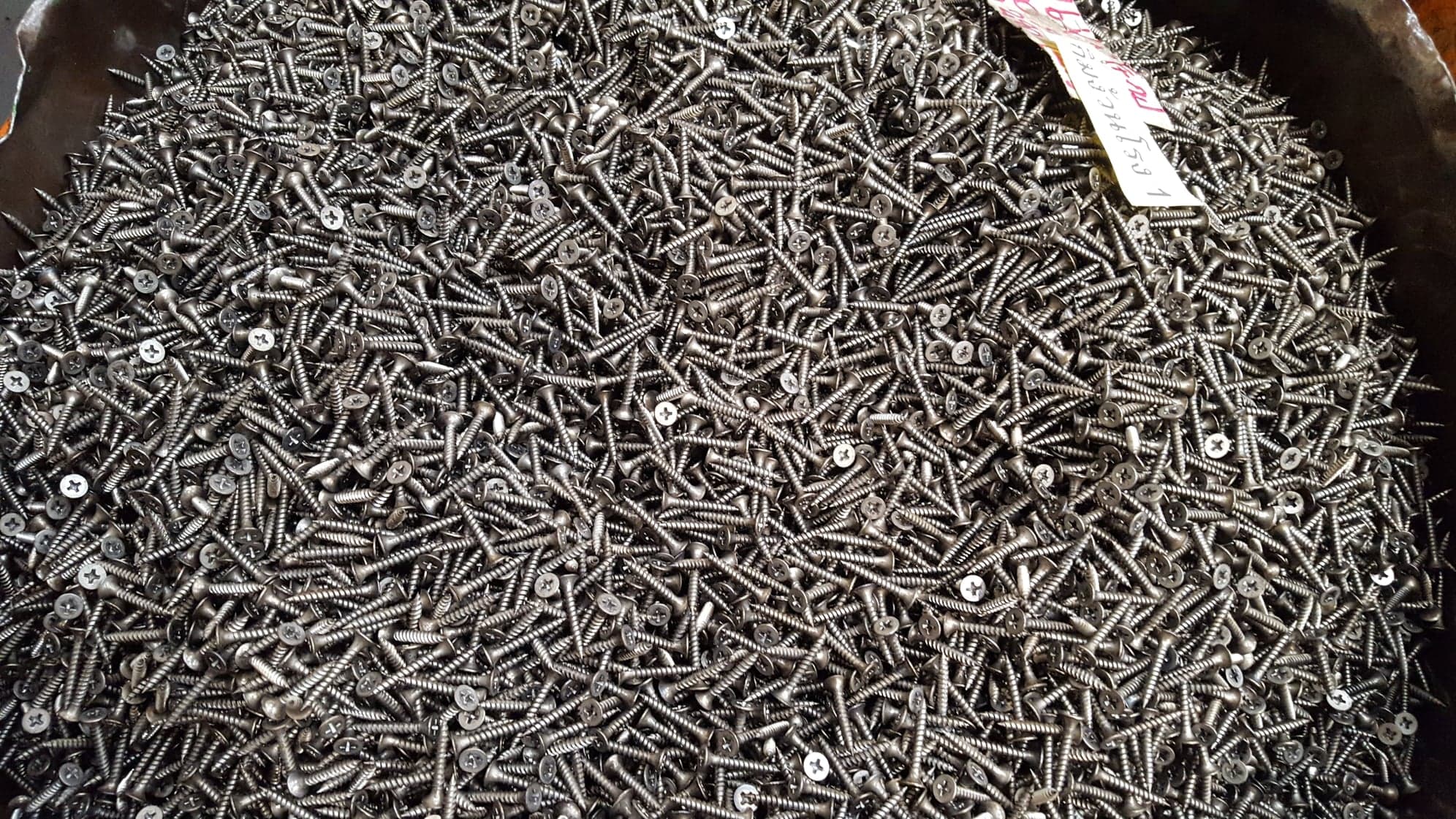
A salt-spray test is the standard way to compare how well a coating resists corrosion. Under ASTM B117, parts sit in a sealed chamber filled with a fine salt-fog mist at a controlled temperature, and the test records how many hours pass before corrosion appears.
Two milestones matter. White rust is the first sign that the zinc layer itself is corroding. Red rust is the serious one — it means corrosion has reached the steel underneath. A report usually quotes both: hours to white rust and hours to red rust.
Typical numbers for zinc plating: a Cr3+ blue passivation often reaches around 72–96 hours to white rust, yellow and black systems do better, and an olive or sealed system can push 240 hours and beyond. Thicker zinc and a top-coat sealer both raise the hours.
The most important thing to understand: salt-spray hours are a laboratory comparison, not a number of years in service. A part rated at 96 hours will not necessarily last 96 hours outdoors — the test accelerates corrosion to compare coatings fairly, so it is excellent for judging quality and consistency between lots.
How to use it: decide the salt-spray rating your application needs, specify it up front, and ask for the test report with your order. The plater then selects the zinc thickness, chromate colour and sealer to meet that target — and proves it.
V.S. Heat Treatment runs ASTM B117 salt-spray testing in-house and can issue a report per lot. If you need a specific rating for an automotive or export job, call +66 89 391 9662 and we will set the process to hit it.