What hydrogen embrittlement is
Hydrogen embrittlement (HE) is when hydrogen atoms enter hard steel, making it brittle so it can crack under tension below its rated load. It often appears hours to days after assembly, which makes it dangerous.
It mostly affects high-hardness steel (generally >320 HV / ~32 HRC, e.g. grade 10.9 and 12.9 bolts).
Where the hydrogen comes from
Hydrogen enters during surface prep and plating — acid pickling and electroplating generate hydrogen at the surface, some of which diffuses into the steel.
Baking (de-embrittlement)
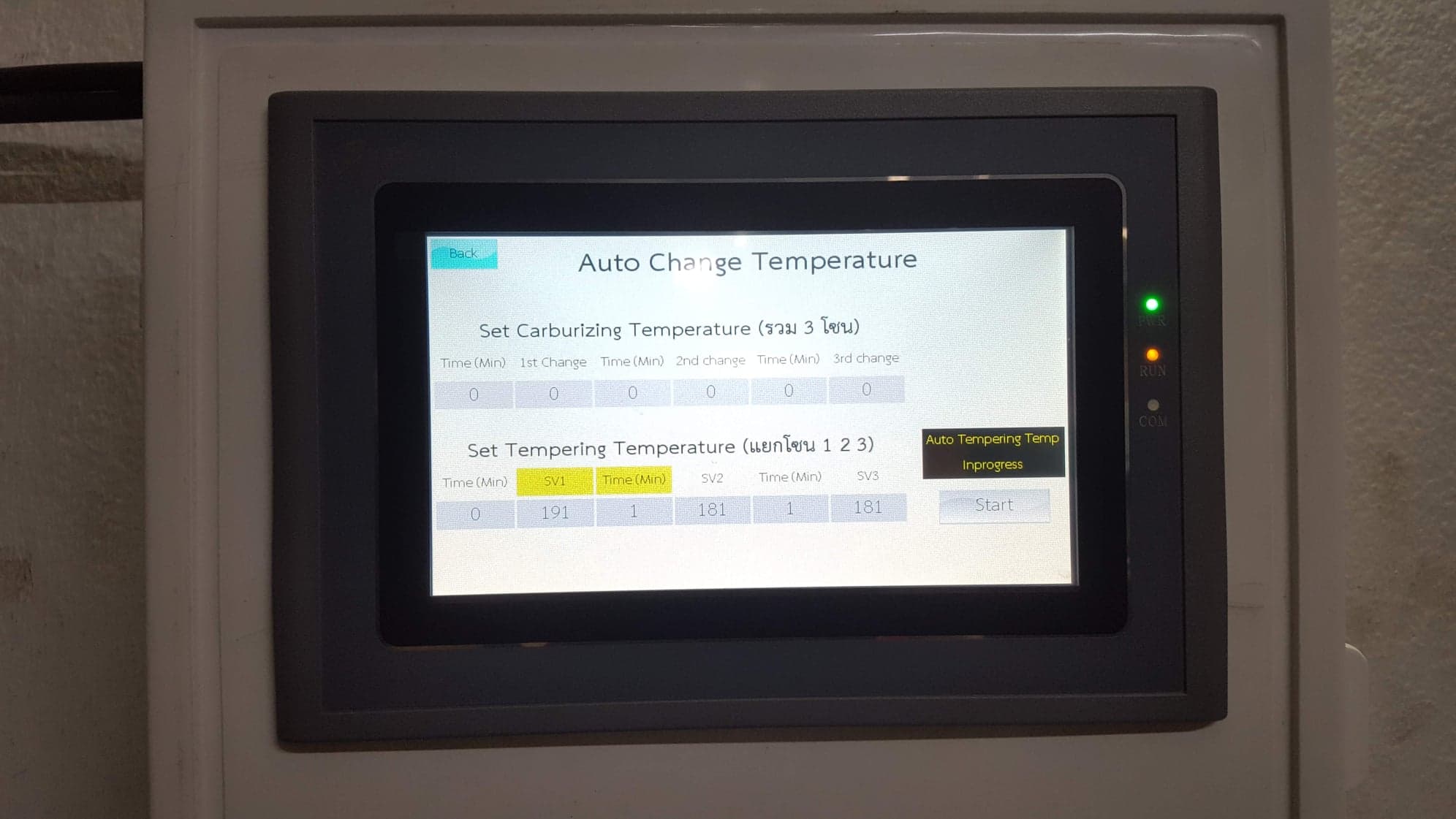
The standard prevention is baking at ~190–220°C for 4–24 hours, started soon after plating (often within 1–4 hours), so hydrogen diffuses out before it causes damage.
Standards such as ASTM B850 / ISO 4042 give temperature/time guidance by hardness level.
ISO 4042 baking requirements
ISO 4042 makes de-embrittlement baking mandatory for electroplated fasteners with a specified hardness above 390 HV (~40 HRC) — in practice property class 10.9 and above. Below that threshold baking is a risk-based decision; at 390 HV and up it is not optional.
The bake must start within ~1–4 hours of plating and before any chromating/passivation, held at 200–230°C. Soak time scales with strength: the higher the tensile strength (and thicker the section), the longer the hold — from a few hours up to about a day for the highest grades.
For a starting baking time by size and strength, try our hydrogen-bake calculator — treat the result as typical guidance and confirm it against the applicable specification.
Good practice
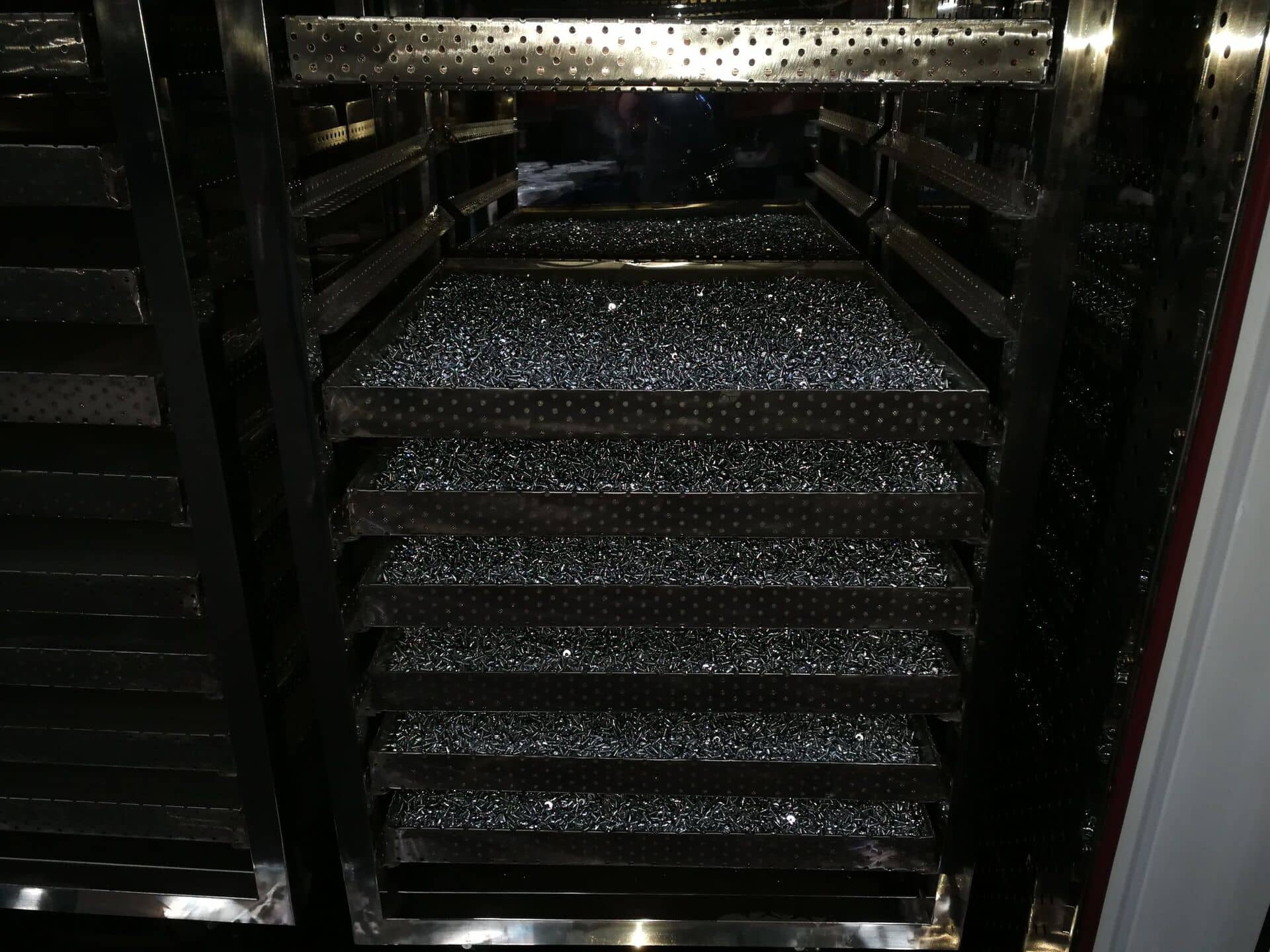
For high-hardness fasteners, specify baking on the work order up front and bake as soon as possible after plating. V.S. Heat Treatment offers a baking service with an oven that processes up to 800 kg per batch with continuous time and temperature logging, managing this step for HE-risk work to protect load-bearing parts.
FAQ
Which parts need baking?+
High-hardness steel (~32 HRC and up) that has been acid-pickled or electroplated — e.g. grade 10.9/12.9 bolts, springs, clips.
Can baking be delayed?+
No — bake as soon as possible after plating (often within hours); waiting too long risks damage already forming.
Free Engineering Tools
- Hardness Converter HRC ↔ HV ↔ HB
- Which Steel Grades Harden — and How Far
- Fastener Weight: pcs ↔ kg
- Finishing Specification Builder for Purchasing and QC
- Salt Spray Test Plan Builder
- Coating thickness → thread fit (GO/NO-GO)
- Hydrogen Embrittlement — is baking required?
- Bolt Tightening Torque & Proof Load
- Thread Engagement Length
- Bolt Size Estimator (from load)
- Bolt Property Class — Mechanical Properties (ISO 898-1)
What this article covers at our plant
Related comparison guides
- S45C vs SCM440S45C vs SCM440: which steel should you harden?
- Annealing vs Tempering vs NormalizingAnnealing vs tempering vs normalizing: which one does your part need?
- SCM435 vs SCM440SCM435 vs SCM440: one alloy step apart, and it shows
- Case hardening vs Through hardeningCase hardening vs through hardening: which one for screws and bolts?
Technical content review
Reviewed by the V.S. Heat Treatment QA and production team—heat-treatment and finishing operations since 1994 under an ISO 9001:2015 quality system.
View evidence and report format