What black oxide is
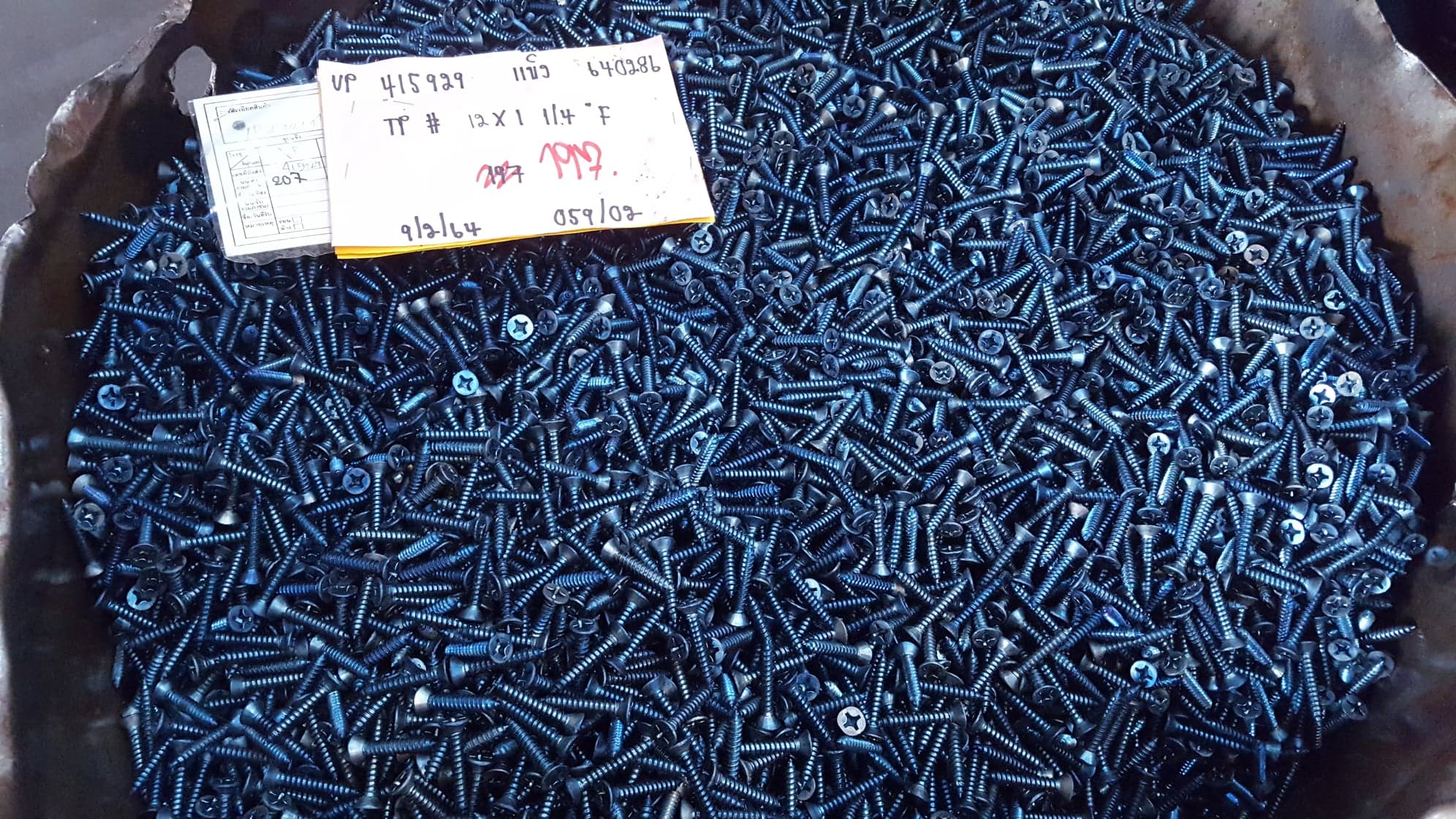
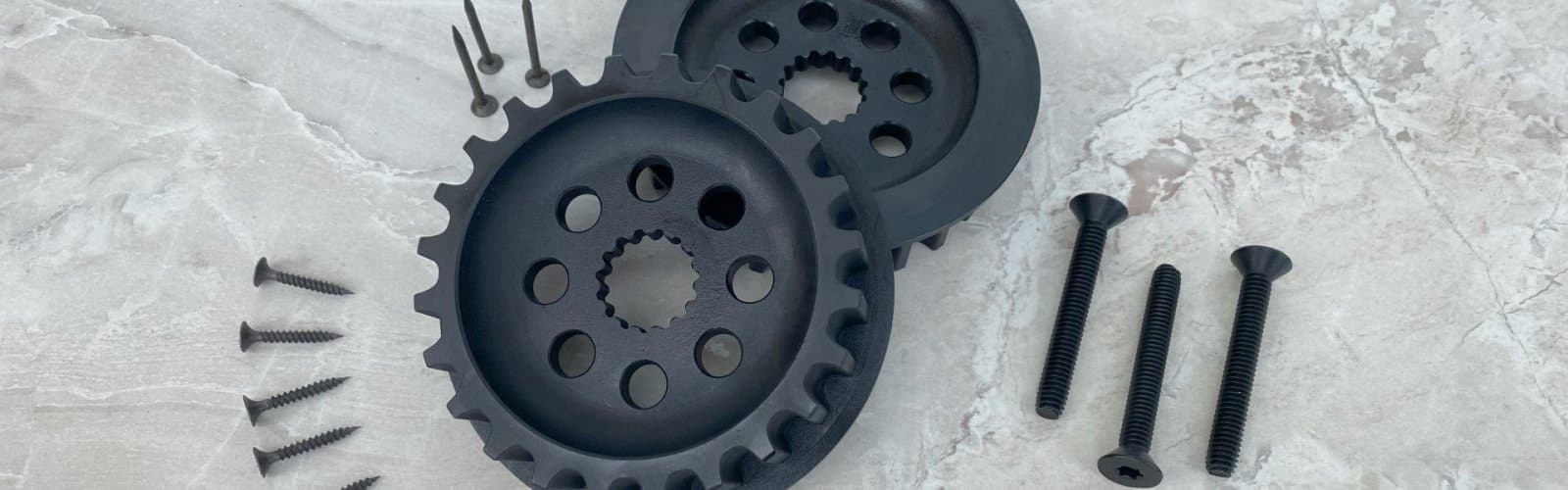
Black oxide forms a very thin black oxide layer on steel by a chemical reaction, with almost no dimensional change.
Protection is baseline and needs an oil/wax top-coat; it is chosen for looks and for adding no thickness.
What black phosphate is
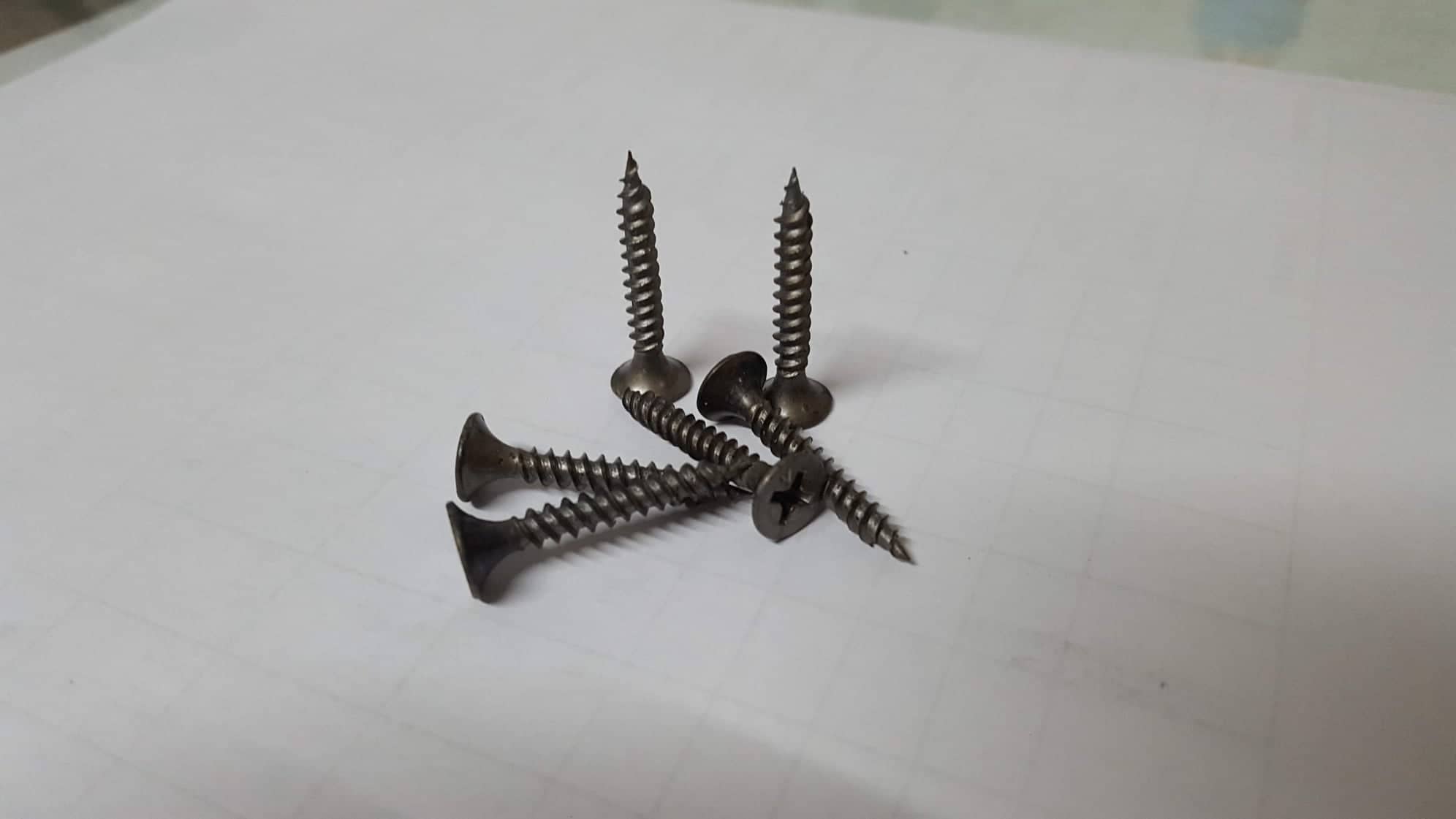
Phosphate—especially manganese phosphate—builds a rough dark-grey/black phosphate crystal layer that holds oil/paint very well.
It out-protects black oxide when oiled and reduces run-in wear; popular in automotive/firearms.
Which to choose
Precise dimensions, thin black skin: black oxide.
Corrosion / oil retention / paint primer: phosphate.
Both should be oiled or painted for maximum corrosion resistance.
FAQ
Which protects better?+
Phosphate (especially manganese) holds oil better, so it out-protects black oxide once oiled.
Which changes dimensions less?+
Black oxide—its layer is extremely thin, ideal for tight fits/fine threads.
Do both need oil?+
They should be oiled to seal porosity and boost protection—especially phosphate, which is designed to hold oil.
Free Engineering Tools
- Hardness Converter HRC ↔ HV ↔ HB
- Which Steel Grades Harden — and How Far
- Fastener Weight: pcs ↔ kg
- Finishing Specification Builder for Purchasing and QC
- Salt Spray Test Plan Builder
- Coating thickness → thread fit (GO/NO-GO)
- Hydrogen Embrittlement — is baking required?
- Bolt Tightening Torque & Proof Load
- Thread Engagement Length
- Bolt Size Estimator (from load)
- Bolt Property Class — Mechanical Properties (ISO 898-1)
Related comparison guides
- Zinc plating vs Dacromet / zinc flakeZinc plating vs Dacromet: which coating for screws and bolts?
- Black oxide vs PhosphateBlack oxide vs phosphate: which finish for screws, nuts and bolts?
- Electroplated zinc vs Hot-dip galvanizingZinc plating vs hot-dip galvanizing: which one does your fastener need?
- Zinc plating vs Zinc-nickelZinc plating vs zinc-nickel: when is the upgrade worth paying for?
- Barrel plating vs Rack platingBarrel plating vs rack plating: how small fasteners are actually plated
- Zinc phosphate vs Manganese phosphateZinc phosphate vs manganese phosphate: match the coating to the job it does
Technical content review
Reviewed by the V.S. Heat Treatment QA and production team—heat-treatment and finishing operations since 1994 under an ISO 9001:2015 quality system.
View evidence and report format