How zinc plating prevents rust
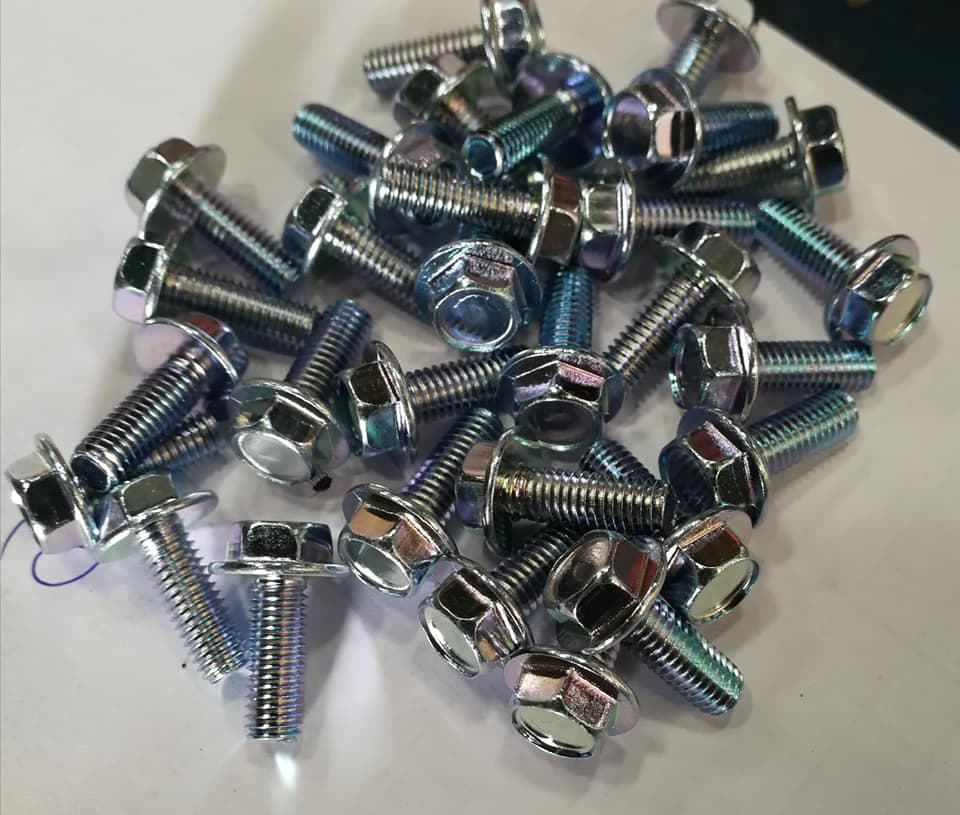
Zinc electroplating deposits a thin zinc layer on steel. Zinc acts as a sacrificial anode — it corrodes instead of the steel, so the base metal stays rust-free even if the coating is scratched.
That is why zinc-plated screws, nuts and bolts resist corrosion economically — ideal for general indoor and protected outdoor use.
Passivation and coating color
After plating, a passivation step adds a thin chromate film that boosts corrosion resistance and sets the color.
- Yellow/Iridescent — high corrosion resistance; popular in industry.
- Clear/Blue — clean appearance; moderate corrosion resistance.
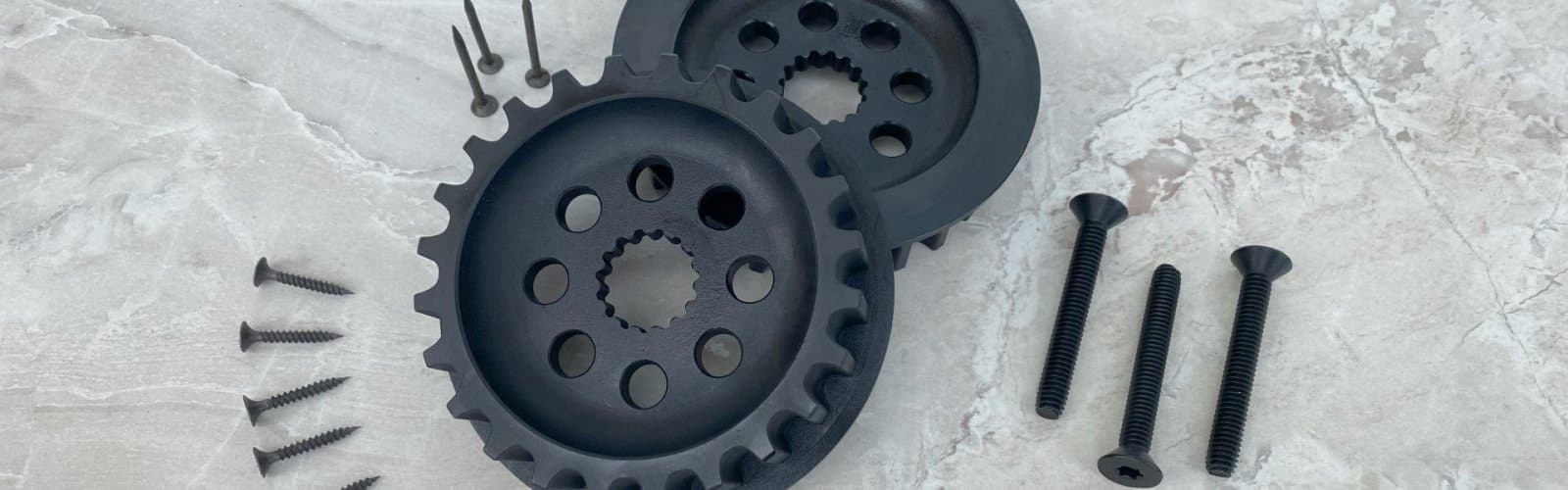
- Black — for appearance and reduced glare.
- Olive Drab — highest corrosion resistance in the group; military/heavy use.
Cr3+ vs Cr6+ — why switch
Passivation once used Hexavalent Chromium (Cr6+), a carcinogen banned under RoHS and REACH.
Today we use Trivalent Chromium (Cr3+), which gives comparable or better corrosion protection while being safe for people and the environment. V.S. Heat Treatment runs an all-Cr3+ line and offers clear/blue, yellow iridescent and black zinc to match each customer’s use and budget.
The problem with Cr6+ is health and compliance. Hexavalent chromium is a confirmed human carcinogen and an environmental hazard, restricted by the EU RoHS directive, the REACH regulation and the End-of-Life Vehicle (ELV) directive. Parts finished with Cr6+ can be stopped at customs or rejected by a customer's incoming-quality team, and the spent chemistry is hazardous and expensive to treat.
Why it matters for small parts: screws, nuts and bolts are high-volume items that feed regulated assemblies, and a single non-compliant coating can fail an audit for the whole product. Moving to Cr3+ removes that risk, future-proofs your exports, and keeps your documentation clean.
How to switch: ask your plater to confirm a Cr6-free (Cr3+) process and to provide salt-spray and RoHS documentation per lot. If a part needs a specific salt-spray rating, specify it up front so the right chromate and sealer are chosen.
V.S. Heat Treatment migrated entirely to Cr3+ trivalent zinc in 2020. Every barrel and rack zinc job we run is Cr6-free and RoHS-ready, with test and process documentation available on request.
Top coat / sealer for longer life
A top coat or sealer over the passivation multiplies salt-spray life and helps control thread friction (torque-tension) on fasteners needing consistent clamp load. The deciding factor is process control and the right sealer — not the valence of the chromium on its own.
FAQ
How many hours of corrosion resistance?+
Depends on passivation and top coat; typically 72–500+ hours in salt spray. Specs can be set to your need.
Is zinc plating OK outdoors?+
To a degree. For high humidity/salt, consider thicker coating or a Geomet/Dacromet system.
Free Engineering Tools
- Hardness Converter HRC ↔ HV ↔ HB
- Which Steel Grades Harden — and How Far
- Fastener Weight: pcs ↔ kg
- Finishing Specification Builder for Purchasing and QC
- Salt Spray Test Plan Builder
- Coating thickness → thread fit (GO/NO-GO)
- Hydrogen Embrittlement — is baking required?
- Bolt Tightening Torque & Proof Load
- Thread Engagement Length
- Bolt Size Estimator (from load)
- Bolt Property Class — Mechanical Properties (ISO 898-1)
What this article covers at our plant
Related comparison guides
- Zinc plating vs Dacromet / zinc flakeZinc plating vs Dacromet: which coating for screws and bolts?
- Black oxide vs PhosphateBlack oxide vs phosphate: which finish for screws, nuts and bolts?
- Electroplated zinc vs Hot-dip galvanizingZinc plating vs hot-dip galvanizing: which one does your fastener need?
- Zinc plating vs Zinc-nickelZinc plating vs zinc-nickel: when is the upgrade worth paying for?
- Barrel plating vs Rack platingBarrel plating vs rack plating: how small fasteners are actually plated
- Zinc phosphate vs Manganese phosphateZinc phosphate vs manganese phosphate: match the coating to the job it does
Technical content review
Reviewed by the V.S. Heat Treatment QA and production team—heat-treatment and finishing operations since 1994 under an ISO 9001:2015 quality system.
View evidence and report format